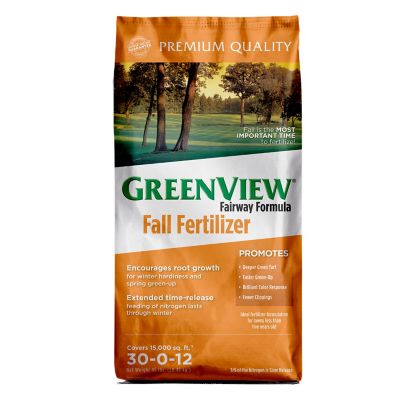
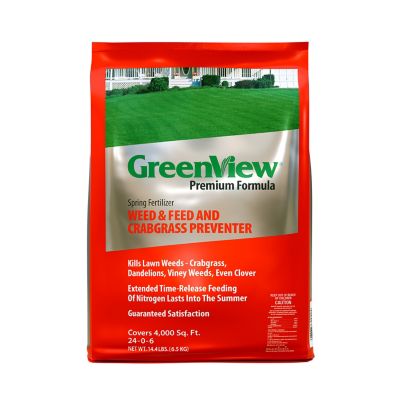
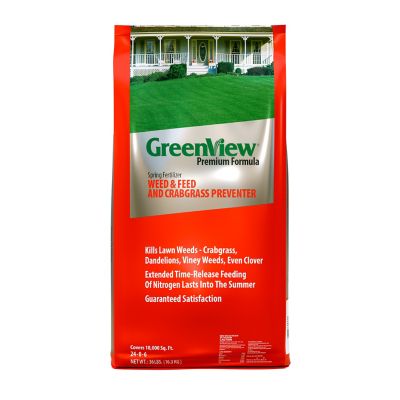
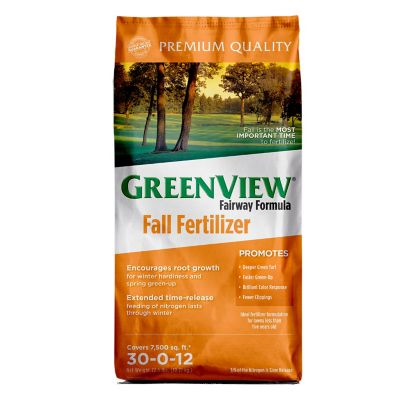
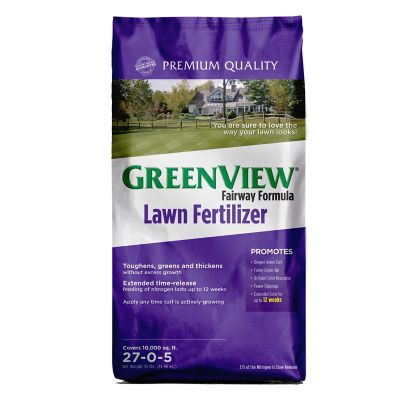
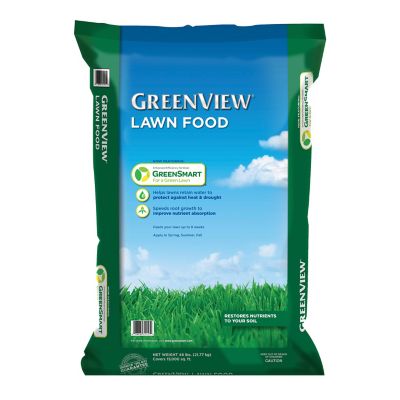
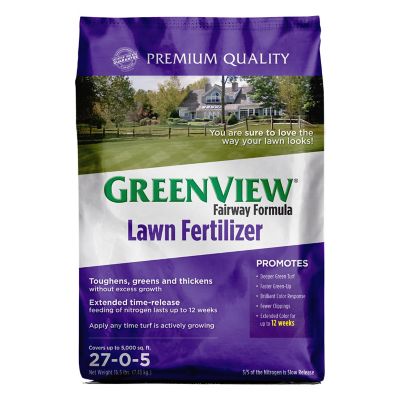
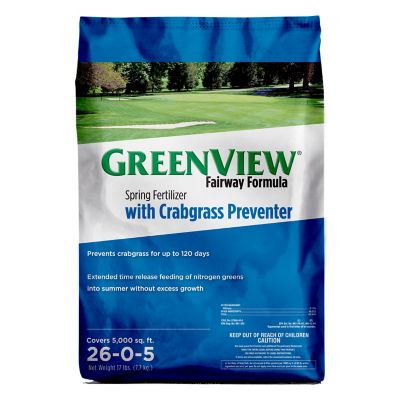
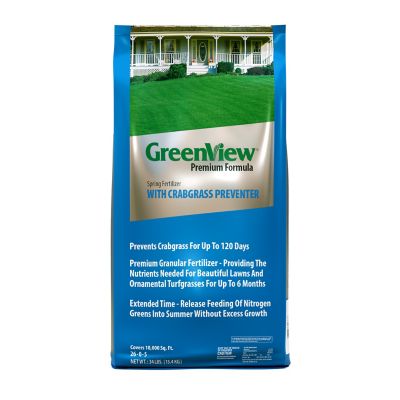
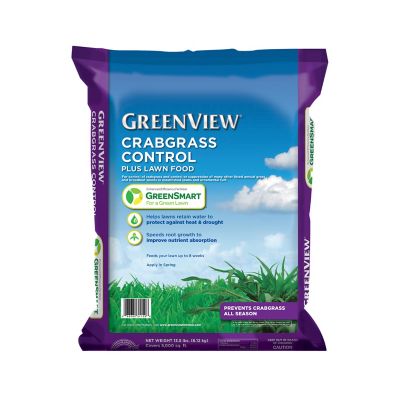
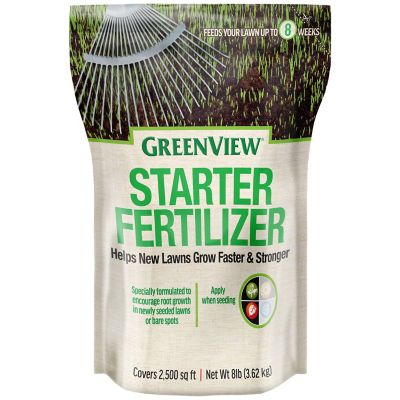
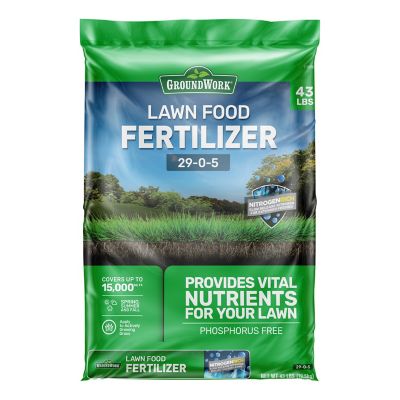
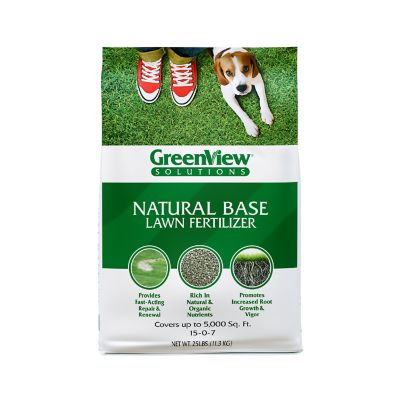
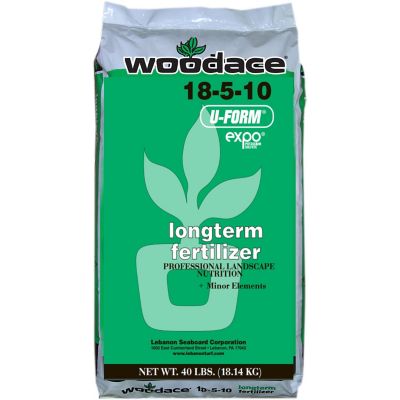
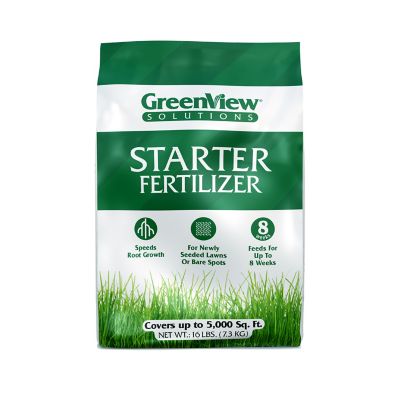
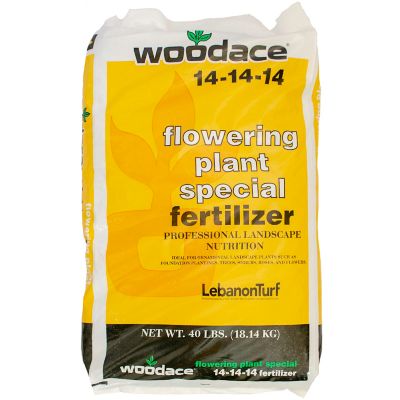
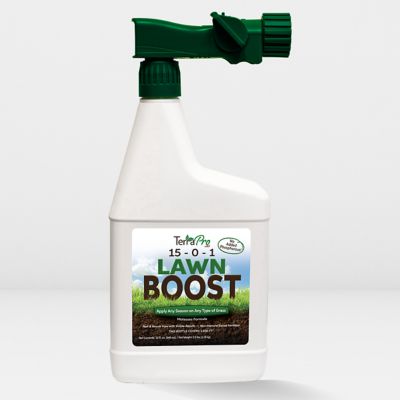
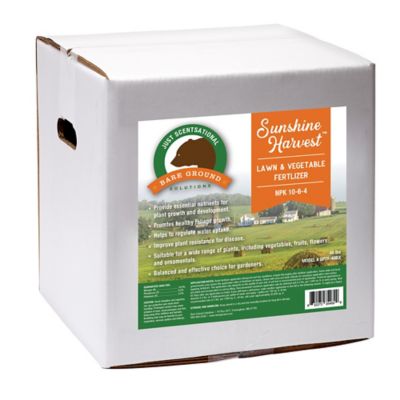
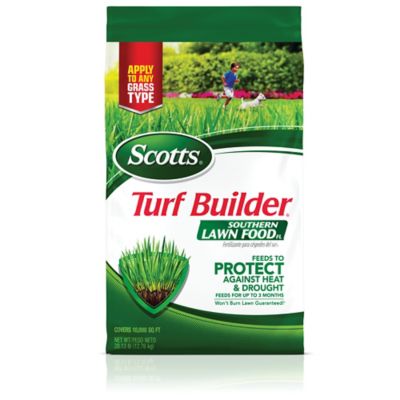
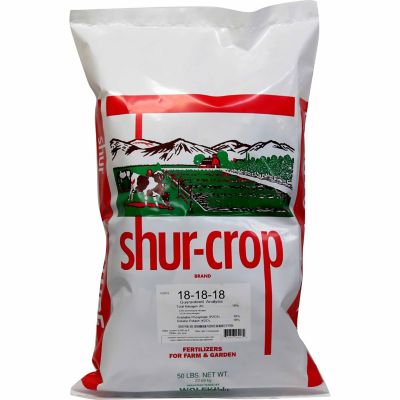
Nitrogen lawn fertilizers supply a nutrient grass needs to make chlorophyll, build proteins and put on leafy growth. Chlorophyll gives grass its green color and helps it turn sunlight into energy, so a lawn short on nitrogen may look pale and grow slowly. With the right amount of nitrogen, actively growing turf can develop fuller coverage and stronger color, whether it frames the front porch, runs alongside the driveway or fills the space between the house and the shop. That makes these fertilizers a practical choice for homeowners, property caretakers and anyone tending established grass around a rural home. Nitrogen supports growth, though it cannot bring dead grass back or correct every bare spot. Thin turf caused by packed soil, heavy shade, insects or disease needs attention to the underlying problem, not simply another feeding. The fertilizer analysis helps explain what is in the bag: the first number gives the percentage of nitrogen by weight, while the next two represent phosphate and potash. A grade beginning with 20, for example, contains 20 percent nitrogen, so a 10-pound bag would contain 2 pounds of actual nitrogen. That distinction matters when comparing coverage, because pounds of fertilizer and pounds of nitrogen are not interchangeable. A higher first number means a more concentrated source, not an automatic better fit for every yard. Some lawn fertilizers emphasize nitrogen alone, while others combine it with additional nutrients for broader feeding needs. Phosphorus is not automatically necessary for established turf, and local restrictions may limit its application. Soil testing helps identify phosphorus, potassium and pH needs, while grass-specific recommendations help establish a sensible nitrogen program. Pale grass can also reflect an iron deficiency or other growing problems. The best match supports the lawn’s actual needs rather than chasing the darkest possible shade of green. A yard that receives regular foot traffic may benefit from steady growth, but fertilizer does not replace suitable mowing, adequate light or relief from compacted soil.
The differences among nitrogen lawn fertilizers go beyond the numbers on the package. Granular formulas spread across the lawn as small particles, making them a familiar option for broad yard areas and turf around outbuildings. Liquid fertilizers require application equipment suited to the label and can provide another format for feeding turf. Neither format alone tells the whole story about how quickly nitrogen becomes available. Water-soluble sources generally make nitrogen available faster, while slow-release sources supply it more gradually. Some formulas combine both, pairing an initial feeding response with a longer release period. Urea, ammonium-based sources, coated granules and organic nitrogen materials can behave differently in the soil, so the source and release information are worth comparing alongside the total nitrogen percentage. Coatings may regulate how quickly water reaches the nutrient, while some organic sources depend on soil organisms to release nitrogen in a form grass can absorb. Slow-release fertilizer can reduce sudden growth surges and may lower burn risk when applied correctly, but it is not burn-proof. Too much fertilizer, uneven spreading or a spill can still damage turf. Faster-release nitrogen may suit a lawn needing a prompt feeding response, yet it also calls for close attention to the application rate and watering directions. For a yard with long, open stretches, spreader compatibility and the labeled coverage area are practical considerations. Around fence lines, narrow strips and flower beds, control over where the fertilizer lands matters just as much. Granule size and flow characteristics can affect spreader performance, and settings are not interchangeable across every fertilizer and spreader. Package coverage is tied to a stated rate, not simply to how far the contents can be stretched. Comparing the nitrogen source, percentage, release pattern and application equipment gives a clearer picture of fit than judging by bag size alone.
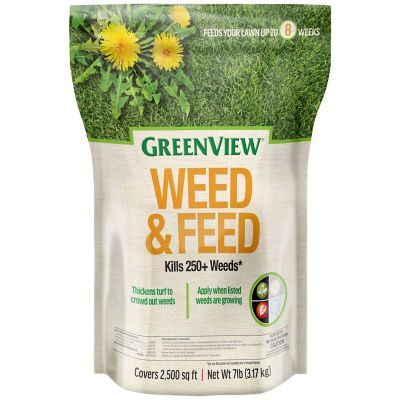
Good results also depend on how a fertilizer fits the rest of the property’s care routine. Grass species differ in nitrogen demand, and a heavily maintained lawn may have different feeding needs from a lightly managed yard. Returning grass clippings to the turf can recycle some nutrients, which is another consideration when planning additional nitrogen. A modest lawn around a farmhouse and a broad lawn beside a workshop may call for different package sizes, but both benefit from measuring the actual turf area rather than counting driveways, buildings and garden beds as part of the coverage. Application rates and intervals belong to the fertilizer label and local turf recommendations; extra nitrogen can encourage excessive leaf growth, increase mowing and contribute to nutrient loss. Watering directions deserve the same attention. Many granular fertilizers need irrigation after spreading to move nutrients off the blades and into the soil, but the required amount and timing vary by formula. There is no single watering depth that fits every fertilizer. Sweep stray granules off walks and driveways and back onto the intended lawn area, keeping fertilizer away from drains, ditches, ponds and wells according to label directions and local requirements. For homes with children or pets, reentry instructions are part of choosing and applying the fertilizer. Access may depend on watering and drying requirements, and products that include weed or insect controls can have additional restrictions. Straight lawn fertilizer and combination treatments serve different purposes, so those added ingredients deserve a close look. Lawn formulations also should not be assumed suitable for grazing ground, hay fields or garden beds. Between applications, tightly closed packaging and dry storage help prevent clumping, spills and unintended access by animals. Related categories such as
Summer Lawn Fertilizers offer another way to browse when the intended feeding period matters. Matching nitrogen concentration, release rate and coverage to the grass and the space helps keep lawn care manageable, from the grass beside the porch steps to the larger stretch beyond the gate.