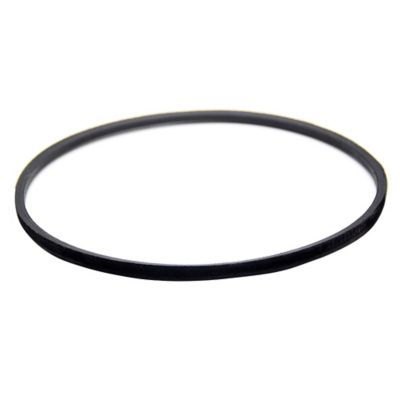
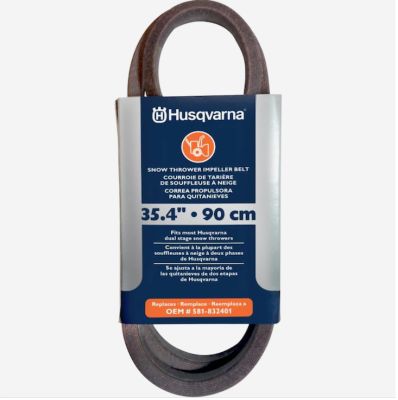
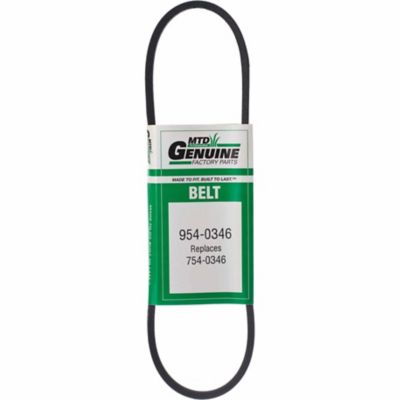
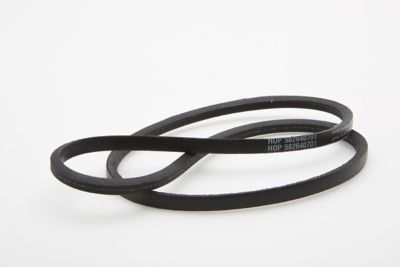
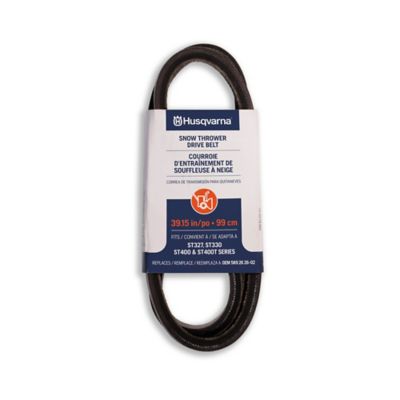
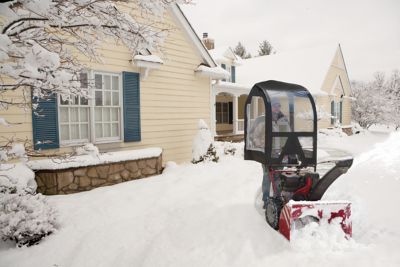
Snow thrower belts transfer engine power to the parts that move snow and, on many self-propelled machines, the parts that move the machine itself. They may sit out of sight beneath a belt cover, but they play a big role when there’s a driveway to open, a path to the barn to clear, or a sidewalk buried beneath overnight snowfall. An auger belt drives the snow-gathering mechanism; depending on the machine’s design, that belt may also power the impeller that sends snow through the discharge chute. A traction belt, sometimes called a drive belt, transfers power into the propulsion system on machines with belt-driven wheel or track drives. Those jobs are different, so an auger belt and a traction belt aren’t automatically interchangeable, even when they belong to the same snow thrower. Single-stage, two-stage, and three-stage machines can have different belt arrangements, and some designs call for more than one belt in a particular drive system. The right replacement depends on the equipment rather than the amount of snow on the ground. For homeowners with gravel lanes, folks keeping farm walkways open, and property caretakers clearing several stretches of pavement, a properly matched belt helps the machine do its intended work. Light powder and heavy, packed snow put different demands on a snow thrower, but either job depends on steady power transfer through the pulleys. When a belt slips, the engine may keep running while the auger slows or the machine struggles to move. Those symptoms can also come from other mechanical problems, so they don’t identify a belt problem on their own. Snow thrower replacement belts are maintenance parts, not performance upgrades that turn a smaller machine into a larger one. Their purpose is to restore the specified connection between the engine and the driven components, helping equipment work as designed without changing its clearing width, intake height, or engine output.
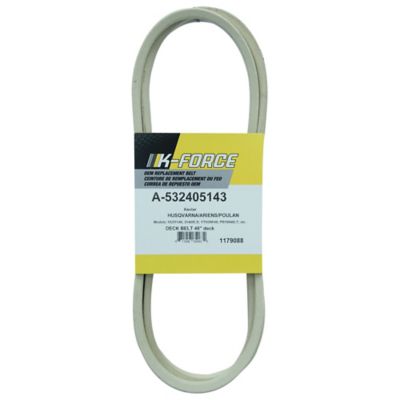
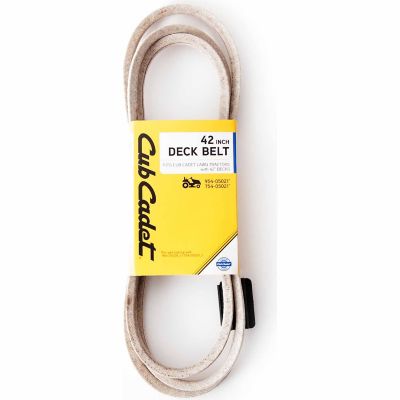
Fit starts with the snow thrower’s model number, its serial number when required, and the replacement belt number listed in the equipment manual or parts diagram. Engine information alone usually isn’t enough, since the same engine can power several machines with different belt layouts. Even snow throwers with the same clearing width may require different lengths, widths, or belt profiles. A belt that looks close on the workbench can ride too high or too low in a pulley groove, fail to disengage correctly, or leave too little room for the tensioning system to work. Nominal length also needs context: belt listings may reference inside, outside, or effective length, and those measurements aren’t interchangeable. Matching the specified part number or a documented replacement reference is more dependable than comparing a stretched, worn belt with a tape measure. Manufacturer-specific listings such as
Ariens Belts can help narrow the search, but the machine’s model and belt application still determine the match. Construction matters alongside dimensions. Many snow thrower belts have a rubber or synthetic rubber body reinforced with tensile cords that help control stretching under load. Cord materials may include polyester or aramid, depending on the belt, while an outer fabric wrap or other surface construction can influence how the belt contacts its pulleys. Some designs have molded notches that help the belt flex around smaller pulleys; those notches don’t make it a toothed timing belt. Wrapped, raw-edge, and notched designs serve different applications, so appearance alone doesn’t establish compatibility. Where the equipment manufacturer specifies a particular construction, that specification matters just as much as length and width. Snow thrower drives often engage and disengage through changes in belt tension, making the belt’s interaction with the pulley and idler system especially important. The strongest-sounding material description isn’t a substitute for the correct fit. A suitable replacement has the dimensions, profile, and construction the drive system calls for, whether the machine handles a short front walk or a long stretch between the house and outbuildings.
Belt life depends on working conditions, proper adjustment, pulley condition, and storage as well as the belt’s materials. Repeated slipping generates heat, while misaligned pulleys, rough edges, or an idler that doesn’t turn freely can wear a replacement faster than expected. Visible cracks, frayed edges, missing sections, exposed cords, or a shiny, glazed contact surface are signs that a belt needs attention. A burning-rubber smell or reduced snow discharge can point to slipping, though an obstruction, an adjustment issue, or another worn component may produce similar trouble. If the snow thrower moves but doesn’t throw snow, the auger drive is one area to check; if it throws snow but won’t propel itself, the traction system deserves attention. Neither symptom means a belt is always the cause. For any inspection, the engine should be off, moving parts fully stopped, and the starting system disabled as directed in the manual. A jammed auger can hold stored tension, so hands belong away from the intake and chute; a designated clean-out tool is the proper choice for clearing packed snow. Belt replacement procedures and tension settings vary by machine, and some jobs are better handled by a service technician. In everyday care, keeping oil and grease off the belt, maintaining the belt cover, and addressing pulley problems help protect the drive system. Belt dressing isn’t a substitute for correct fit or adjustment and shouldn’t be applied unless the equipment manufacturer specifically allows it. A spare replacement belt can be handy for properties where a stopped snow thrower means a long morning with a shovel. Stored away from sunlight, moisture, heat sources, and petroleum products, with its part number readable, it’s easier to identify when needed. Fall equipment checks and checks between winter storms offer chances to spot wear before a clearing job begins. With the right belt matched to the right drive, routine upkeep supports steadier operation when snow piles across gates, garage approaches, and the paths that keep daily chores moving.