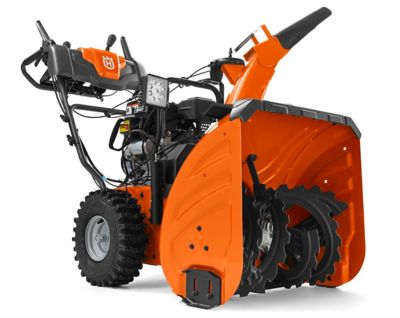
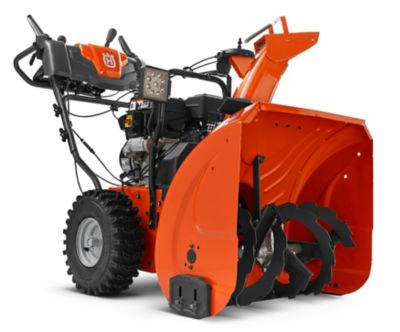
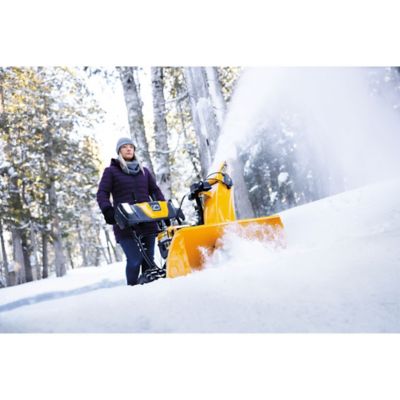
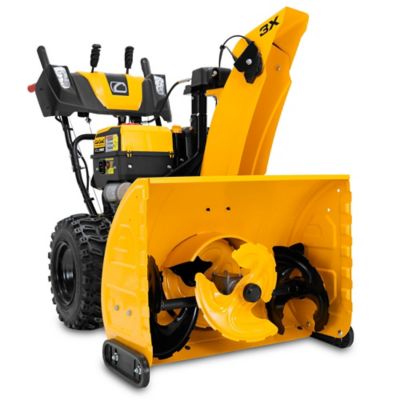
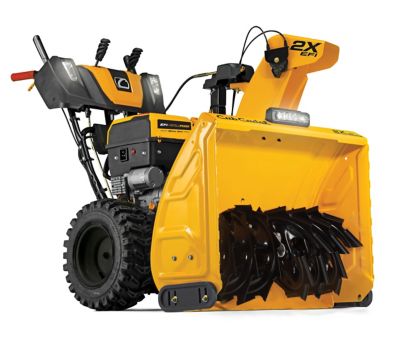
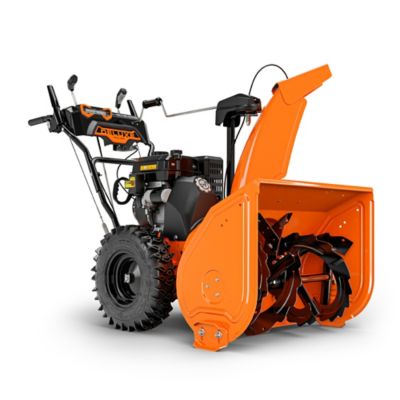
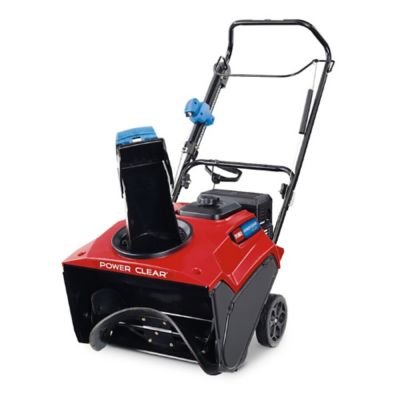
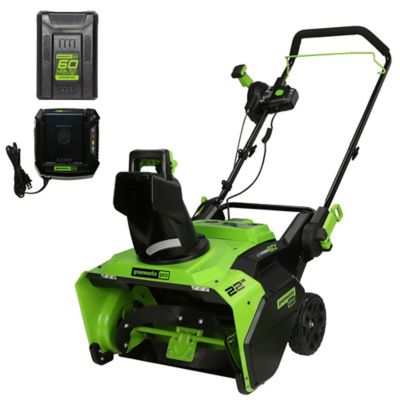
Power steering snow blowers reduce the effort needed to turn a snow blower, especially a heavier, self-propelled machine working through deep snow or making repeated passes across a wide driveway. Depending on the design, steering assistance may work through handle-mounted triggers, a differential, or an automatic turning system that lets the wheels rotate at different speeds. That makes it easier to swing around at the end of a pass without wrestling the full weight of the machine through every turn. The difference can be especially noticeable along a long country driveway, around a garage apron, or where a clearing path bends beside a fence. Power steering and self-propelled drive handle different jobs: the drive system moves the machine forward, while steering assistance helps change its direction. Neither feature replaces good traction, and ice, steep ground, and hidden obstacles still call for caution. Many power steering snow blowers are two-stage machines, with an auger that gathers snow and an impeller that sends it through the discharge chute. Some three-stage designs add an accelerator to help move snow through the housing. Those configurations suit different clearing demands, from regular driveway snowfall to deeper accumulation and the packed ridge left near the road after a plow passes. Performance depends on more than stage count, though. Engine or motor output, housing design, snow density, and travel speed all affect how steadily a machine clears a path. For homeowners with broad parking areas, long lanes, or several tight turns between open stretches, steering assistance can make a large snow blower feel more manageable. It also deserves a close look when reducing the amount of pushing, pulling, and lifting at the handles is a priority, though operating any snow blower still takes balance, attention, and enough strength to control the equipment. A machine that turns easily can be a better match for a winding clearing route than one selected for clearing width alone.
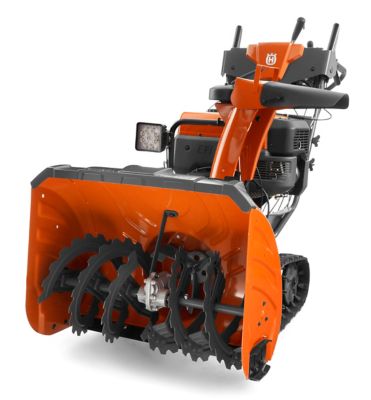
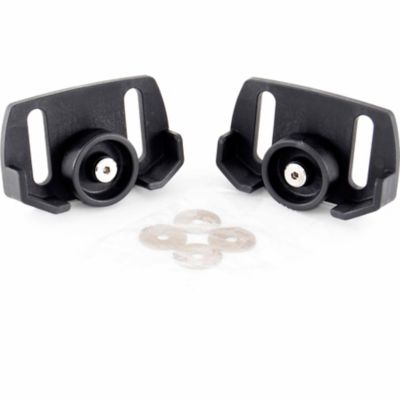
The right fit starts with the ground being cleared and the room available to work. A wider intake covers more ground in each pass, but it also needs enough space between parked vehicles, gates, steps, and buildings. A tall intake can accommodate deeper snow, although dense, wet accumulation may still require a slower pace or a narrower bite. On a straight, open driveway, clearing width may carry more weight; near a shed door or along a curved walk, turning clearance and control placement can matter just as much. Machine dimensions also affect whether it fits through a storage doorway and leaves room to move around it inside. Steel auger housings, reinforced handles, and sturdy frame connections are worth considering because these areas face vibration, snow loads, and occasional contact with packed snow. Protective finishes help limit corrosion, while replaceable scraper bars and skid shoes provide wear surfaces that can be maintained over time. Gravel driveways bring another consideration: certain two-stage and three-stage machines have adjustable skid shoes that allow clearance above loose material, but suitability and adjustment requirements depend on the manufacturer's instructions. No steering system prevents gravel from becoming a thrown object. Wheel tread, tire size, machine balance, and, where offered, track drive all influence how equipment handles uneven or slippery ground. Tracks may provide a different feel and footprint than wheels, but the steering design still matters when making a turn. At the handles, comfortable reach and controls that can be operated while wearing winter gloves help make repeated passes less awkward. Selectable travel speeds, reverse, chute rotation controls, and adjustable discharge direction can cut down on unnecessary repositioning. Features such as headlights, heated grips, and electric starting may add convenience, but they do not replace a good match between the machine and the property. Discharge distance also varies with snow conditions; light, dry snow generally travels differently from heavy, wet snow, so room for a safe landing area matters.
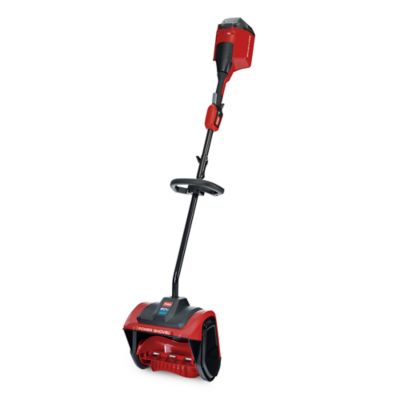
Power steering snow blowers earn their place through repeated clearing work, so everyday care and storage deserve attention alongside turning performance. Snow, road salt, and moisture can be hard on metal parts, cables, and connections. Accessible service points, replaceable wear parts, and clear maintenance requirements make ownership more straightforward over the long haul. Routine care may include checking fasteners, inspecting belts and cables, maintaining tire pressure where applicable, and looking over scraper bars, skid shoes, and shear pins for wear or damage. The correct replacement parts matter, especially for shear pins designed to help protect the auger drive when an obstruction stops it. For gas-powered equipment, fuel handling, oil checks, and storage preparation follow the engine manufacturer's requirements; engines belong outdoors during operation, never inside a garage or shed, even with a door open. Battery-powered designs have their own charging and storage requirements, and cold conditions can affect runtime. In either case, a covered storage spot with enough room to park without bending cables or crowding the controls helps protect the machine between storms. Safe clearing also depends on knowing what lies beneath the snow, from a loose extension cord near the porch to stones at the edge of the drive. People, pets, windows, and vehicles need to stay clear of the discharge path. A blocked chute calls for shutting the machine down, waiting for all moving parts to stop, and following the manufacturer's clearing procedure with the proper cleanout tool, never hands. For properties with both broad driveway space and smaller hard-to-reach spots,
Power Snow Shovels can complement a larger machine on suitable walks or other compact areas. A full-size snow blower handles the larger clearing route, while a smaller tool may be easier to manage where space is tight. Matching steering assistance, clearing capacity, surface compatibility, and storage needs helps bring the whole setup into line with the work waiting outside, whether that means opening a path to the mailbox or clearing enough room to turn a pickup around.