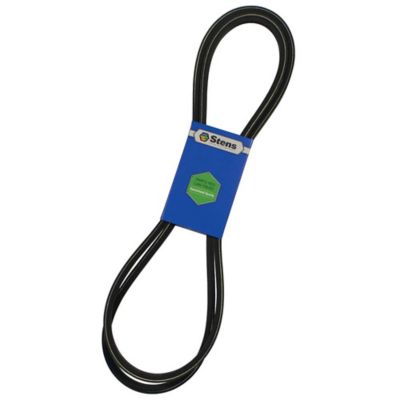
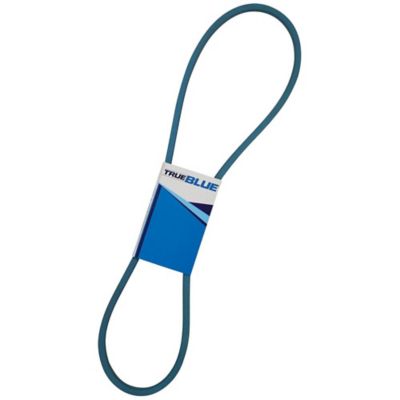
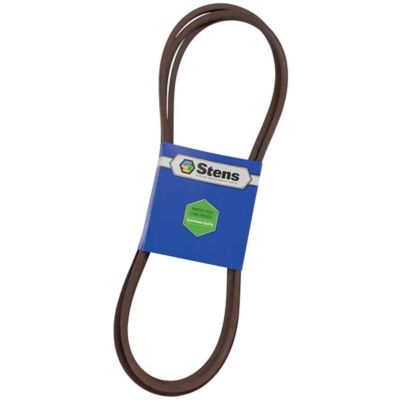
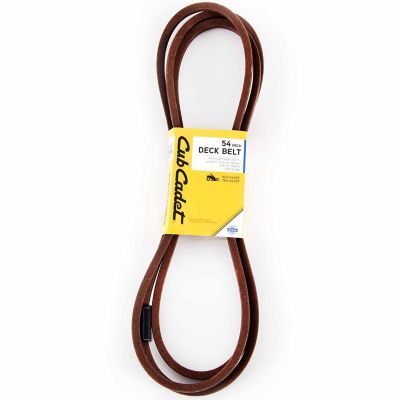
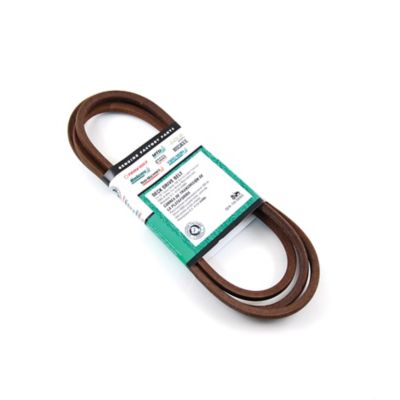
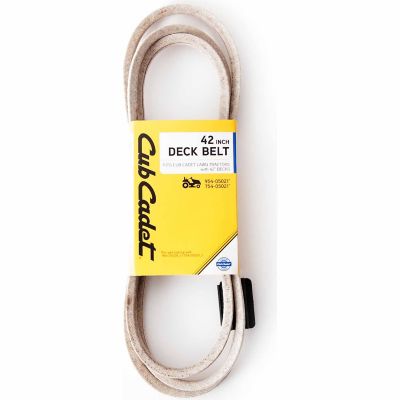
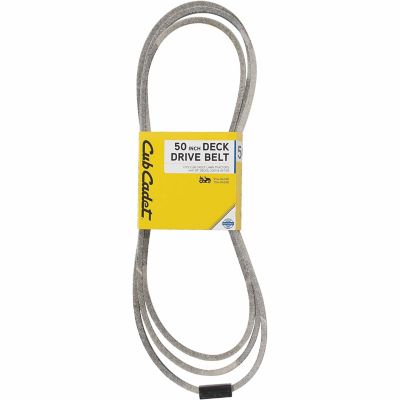
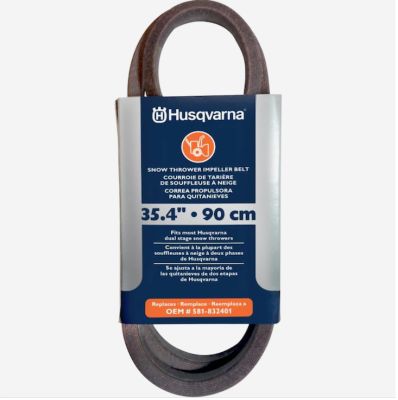
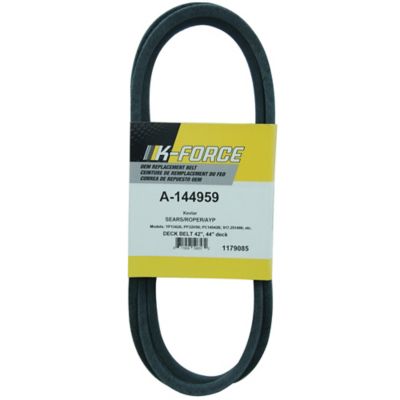
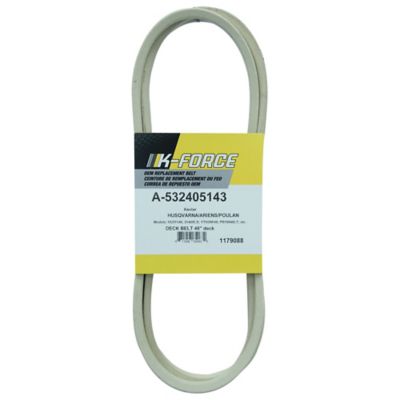
Lawn mower and snow blower replacement belts transfer power from the engine to working components, including cutting decks, traction systems and snow-clearing mechanisms. Though these belts can look much alike on the workbench, their dimensions and construction serve different jobs. A deck belt helps turn mower blades, while a traction belt supports machine movement; a snow blower may have separate belts for its drive and auger systems. Those jobs call for the belt specified for that particular assembly, not simply one that looks close. The right replacement matches the equipment model, serial-number range and designated belt part number. Length alone does not establish fit, and machines with similar names or deck sizes may require different belts. For someone maintaining a long driveway, mowing around fence lines or keeping a small acreage tidy, that distinction can save a second repair session out by the shed. Equipment identification plates and the manufacturer's parts information provide a firmer starting point than the appearance of an old belt. A previous replacement may not have been correct, and wear can make its markings hard to read. Model-year changes can also affect belt routing, pulley arrangements and replacement requirements, so the serial number deserves as much attention as the model name. Belt descriptions may list length, width and profile, but those measurements should support the specified application rather than replace it. Even length needs context: outside circumference, inside circumference and effective length are not interchangeable measurements. A number printed on a worn belt can be helpful when it remains readable, though it still needs to agree with the machine's parts information. For property owners and grounds crews, getting those details straight helps keep a belt replacement focused on the actual machine and the work it handles. The same model-specific approach applies when comparing
Engine Belts for other powered equipment around the property.
Belt materials and construction matter because outdoor power equipment puts repeated bending, tension and load changes through a relatively small component. Depending on the application, a belt may combine a rubber compound with reinforcing cords and a fabric covering. Polyester or aramid reinforcement may be specified to manage tensile loads, while the surrounding compound helps the belt flex as it travels around pulleys. Some designs have a wrapped exterior; others have molded notches that support flexibility around smaller pulleys. Those differences are functional, not just a matter of appearance, and one construction should not be substituted for another unless the equipment manufacturer approves it. Many mower and snow blower applications call for a V-belt profile, which transfers force through contact with the sides of the pulley groove. Width and profile affect how the belt seats in that groove, while the specified length helps the tensioning system work within its intended range. A belt that is too long may slip or fail to engage properly; one that is too short can create excessive tension and strain related components. Correct routing matters just as much, particularly on decks with several pulleys and on systems where a belt follows a twisting path. Some equipment also depends on the belt's ability to engage and release as designed, making a general-purpose substitute a poor choice unless it meets the stated requirements. Service life depends on more than belt construction, too. Packed clippings, trapped debris, damaged pulley surfaces, dragging bearings and misaligned components can all add wear. Heavy cutting loads or demanding clearing work place further demands on the drive system. For a mower that spends hours circling outbuildings or a snow blower tasked with a broad gravel approach, the useful comparison is how closely a replacement meets the machine's specifications. Heavier-looking construction or a different cord material is not automatically a better match. Fit, intended duty and compatibility with the full drive system belong together.
Care and condition help determine how long a correctly matched belt stays in service. Frayed edges, exposed cords, missing sections, deep cracking or a shiny, glazed surface can signal wear, although belt condition is only part of the picture. Slipping, squealing, uneven engagement or a belt that repeatedly leaves its pulley may point to a problem elsewhere in the assembly. Replacing the belt without addressing a bent guide, sticking idler or worn pulley can leave the same trouble waiting for the next job. Routine attention to the surrounding drive components therefore supports the replacement as much as choosing the correct dimensions. Any inspection or service belongs with the engine stopped, moving parts fully at rest and accidental starting prevented according to the operator's manual. Stored tension and sharp edges deserve respect even when the machine is shut down. Cleaning and lubrication also need to follow the equipment instructions: oil, grease and belt dressings are not general fixes for a slipping drive belt, and contamination may damage some belt compounds or interfere with engagement. For spare belts kept in a shop or shed, clean, dry storage away from direct sunlight, heat sources, fuels and solvents helps protect the material before installation. Tight folds, sharp bends and heavy objects resting on a belt can damage its shape or reinforcement. Keeping the packaging or part information with a spare makes later identification easier, especially where several machines share the same storage space. These replacement parts are practical purchases for homeowners, small-acreage operators and maintenance crews who handle routine equipment upkeep. A spare can also be a useful addition to a repair kit when its fit has already been confirmed, rather than something chosen on resemblance alone. Whether the next task is cutting around a barn lot or clearing access to an outbuilding, a properly matched belt supports the machine's intended operation. Clear application details, sound storage habits and attention to the complete drive system help make that small replacement part count.