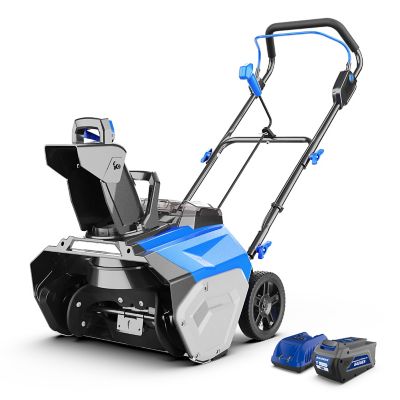
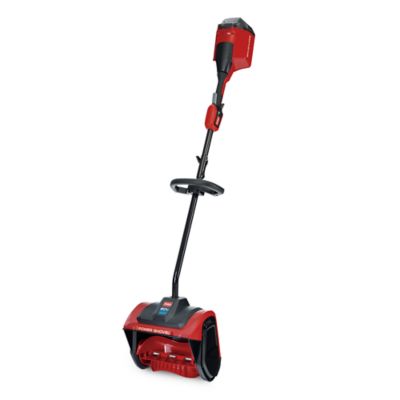
Power snow shovels are compact, motor-driven snow removal tools that move snow off walkways and other small areas without the repeated scooping and tossing of a manual shovel. A rotating paddle or auger gathers snow at ground level and throws it ahead or through an adjustable discharge, depending on the design. Many models clear a path roughly 10 to 12 inches wide and handle fresh snowfall up to about 6 inches deep, though clearing width, intake height and throwing distance vary by model. Some can throw snow around 20 to 25 feet under favorable conditions; wet snow, wind and battery charge can change those results. Their sweet spot is the everyday stretch between the back door and garage, the sidewalk out front or the paved approach to a workshop. During the cooler months, keeping those short routes open can make carrying groceries, hauling feed or heading out for chores a little easier. These tools generally work best on fresh, loose snow rather than frozen tire tracks, heavy slush or the packed ridge a road plow leaves behind. They still take pushing and steering, but the motor handles much of the snow-moving work that otherwise calls for lifting a loaded shovel. That makes them worth considering for homeowners who want less lifting on smaller jobs, or folks who already have a larger snow blower but need something easier to maneuver along a narrow path. A small driveway may also suit a power snow shovel when snowfall stays within the tool’s capacity and there’s room to send the snow clear. For longer driveways or broader stretches of pavement, an
electric snow blower may offer a wider clearing path and greater capacity. The right match comes down to the ground being cleared, the snow that typically falls and how much space there is to work.
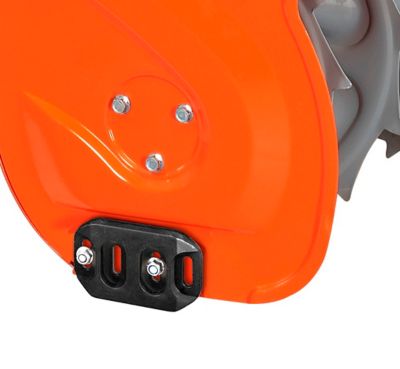
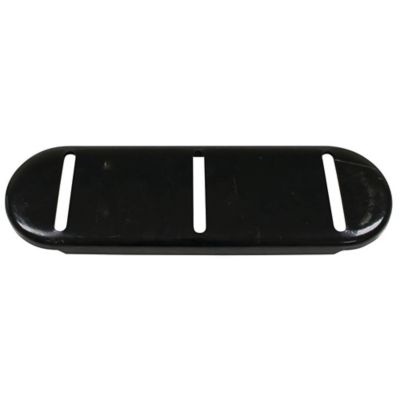
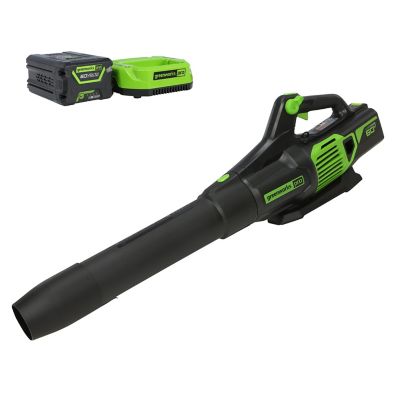
Corded electric snow shovels and cordless battery-powered snow shovels cover similar chores, but their power sources suit different layouts around the property. A corded tool draws power from an outlet without a battery recharge break, making it a practical fit for a short sidewalk or patio near a properly protected outdoor connection. Its working reach depends on the manufacturer’s extension cord requirements, including cord length and wire gauge. A cord rated for outdoor winter conditions and a GFCI-protected outlet matter wherever electricity and melting snow meet. Cordless snow shovels leave the extension cord behind, which can help when the route bends around a garage or crosses several separate paved areas. Battery runtime depends on battery capacity, snow depth and density, temperature and how hard the motor is working. Compatibility deserves a close look, too: a battery needs to match the tool’s specified platform, not simply have a similar voltage. Beyond power source, handle shape, shaft length and tool balance affect how a shovel feels over several passes. An adjustable auxiliary handle can help the operator maintain a comfortable grip without reaching too far forward, while overall weight matters when carrying the tool out of storage or changing direction at the end of a walkway. Compare operating weight with the battery attached when that information is provided. Clearing width is a trade-off between covering ground and fitting tight spaces, such as a gate opening or the path beside a parked pickup. Materials also play a part in everyday handling and service life. Depending on the model, molded polymer housings and paddles help keep weight down, while metal shafts provide support through the handle assembly. The scraper edge rides close to the clearing surface and takes much of the contact with pavement. Replaceable wear parts can make ongoing upkeep more straightforward. Decks, pavers and other finished surfaces call for particular attention to the manufacturer’s surface recommendations; a lighter tool is not automatically safe for every finish.
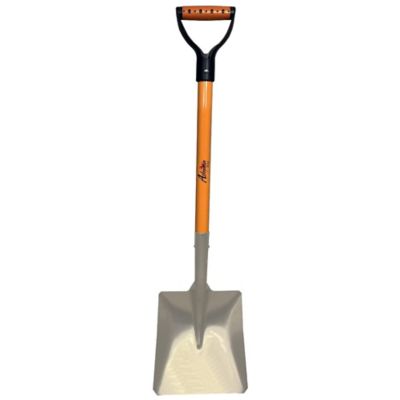
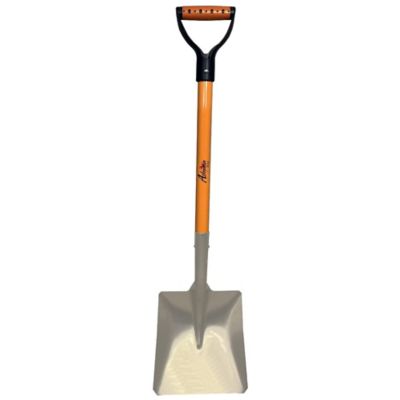
Around a rural home, the best snow removal setup often includes more than one tool. A power snow shovel can handle fresh snow on the paved walk to the mudroom, while a manual shovel reaches a tight corner or clears a spot the motorized tool cannot safely access. Loose gravel, scattered stones, sticks and other debris can become thrown objects, so these tools generally belong on smooth, solid surfaces approved by the manufacturer rather than an unpaved lane. Discharge direction matters near windows, vehicles, fences and animal areas, especially on a narrow walkway with little room on either side. Adjustable throwing direction, where offered, can help place snow out of the next pass, but wind can still blow lighter snow back across a cleared stretch. Traction is just as important as clearing power: removing the top layer of snow does not mean the pavement underneath is free of ice. Boots with a firm grip and a steady stance remain part of the job. Steps and raised areas need extra care, and suitability should come from the tool’s instructions rather than its compact size alone. For anyone considering a power snow shovel as a practical cold-weather gift, the recipient’s clearing area, storage space and comfort with the tool’s weight matter more than throwing distance by itself. Easy access to an outlet or an existing compatible battery system can also make a meaningful difference. Between snowfalls, a little attention helps keep the tool ready for the next round. Disconnect the cord or remove the battery before inspecting the paddle, checking fasteners or clearing a blockage, and never reach into a moving mechanism. Snow and moisture should be cleared away as directed before dry storage. Batteries need storage and charging temperatures within the manufacturer’s stated limits, particularly when the shed or garage drops below freezing. With a suitable surface, manageable snowfall and sensible care, a power snow shovel can earn its place by keeping the short, well-traveled paths around home easier to clear.