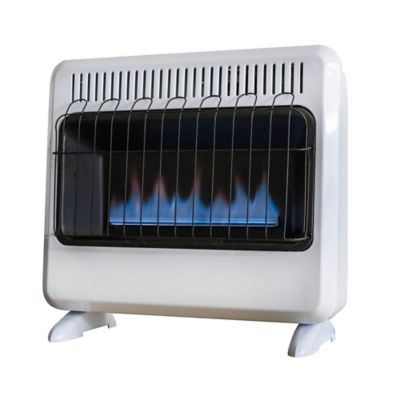
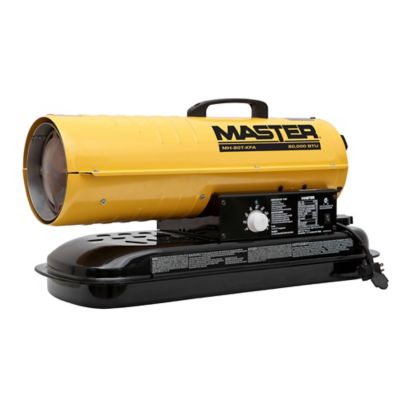
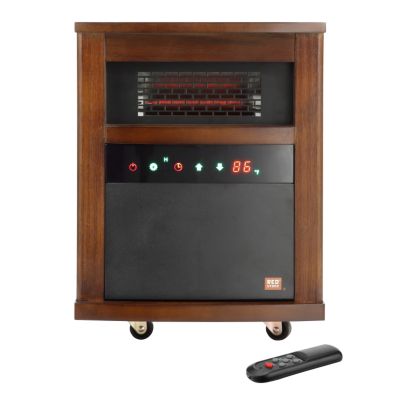
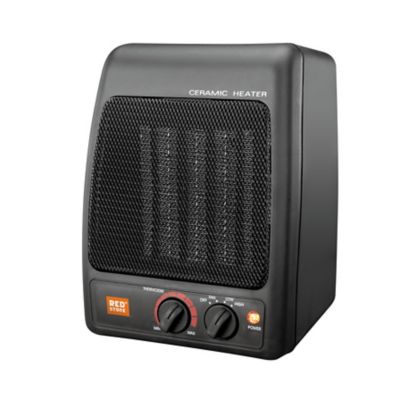
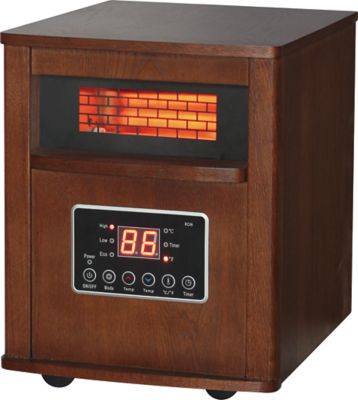
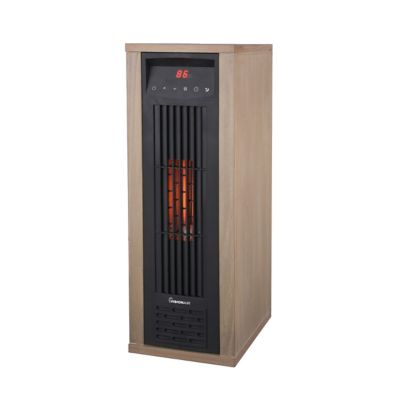
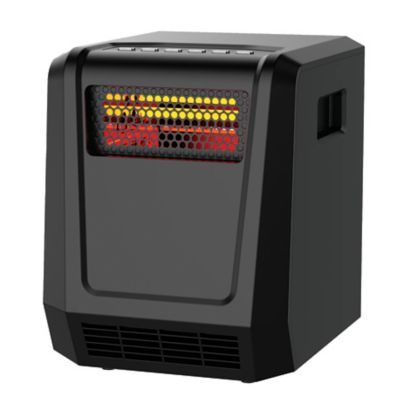
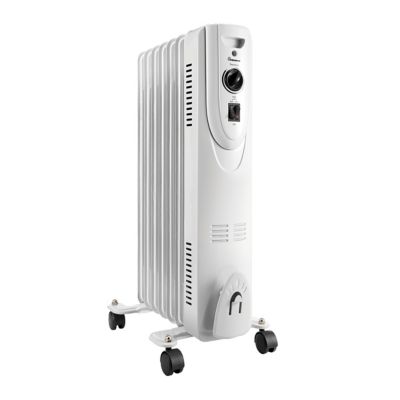
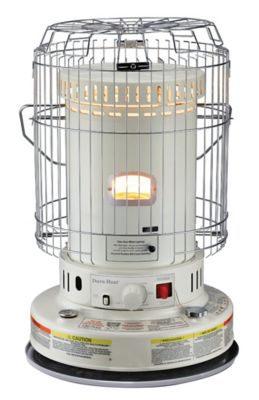
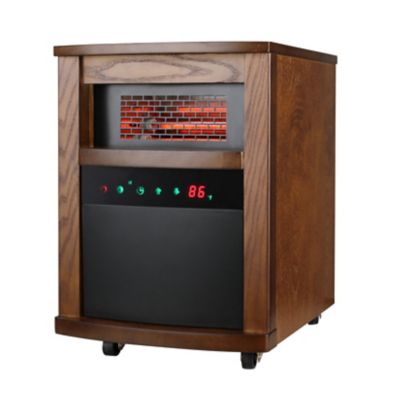
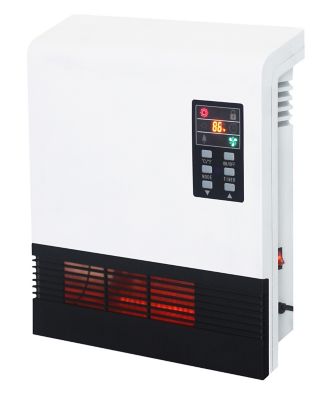
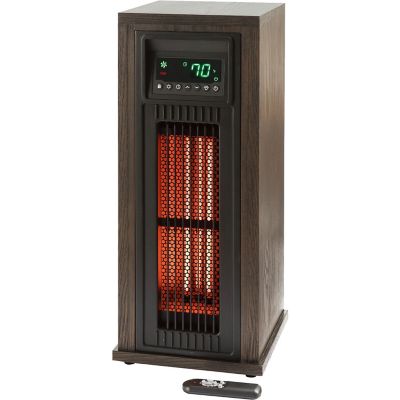
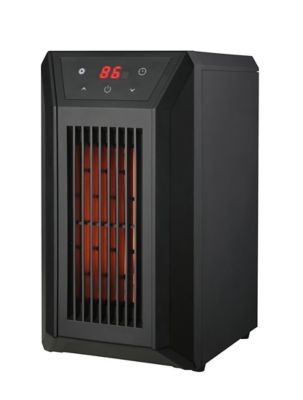
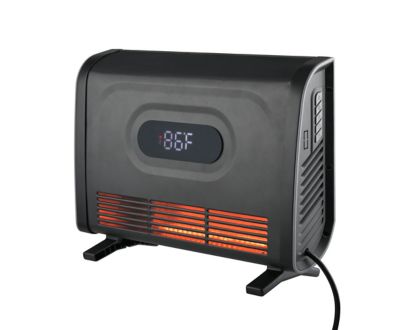
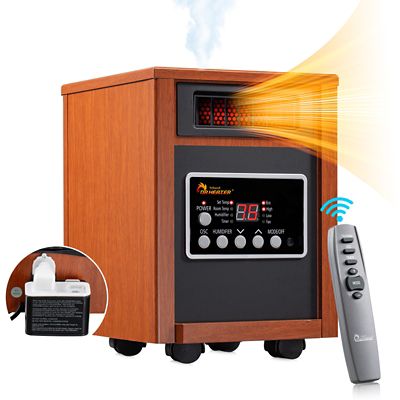
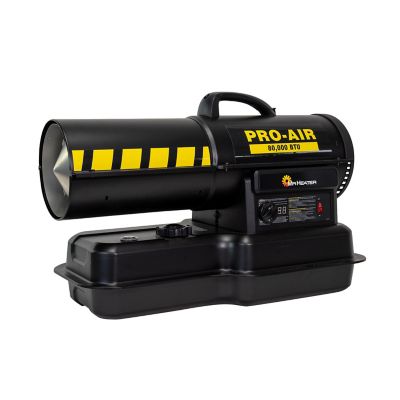
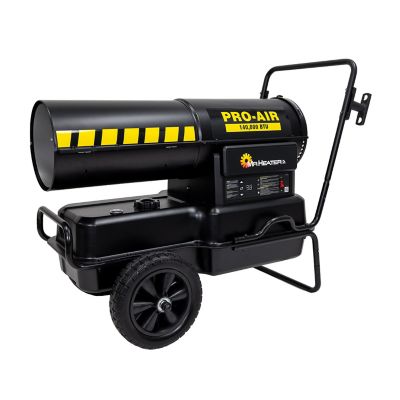
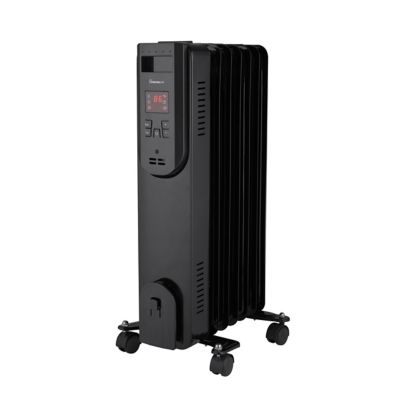
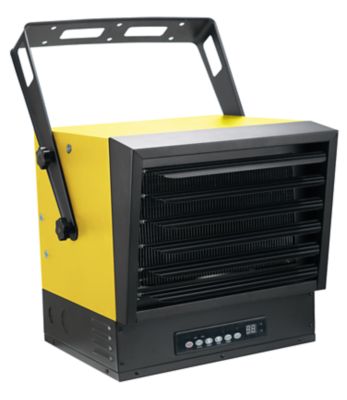
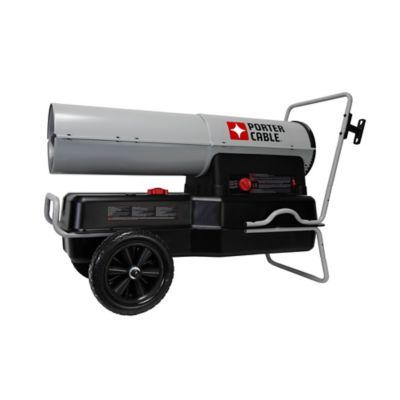
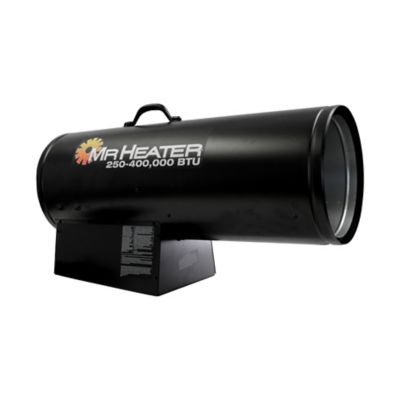
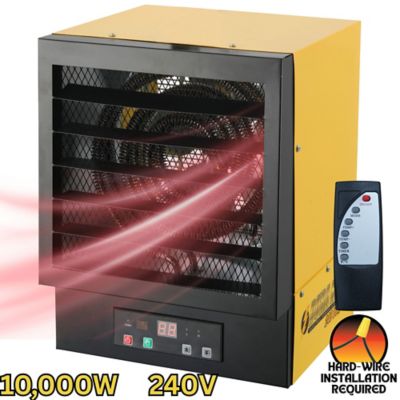
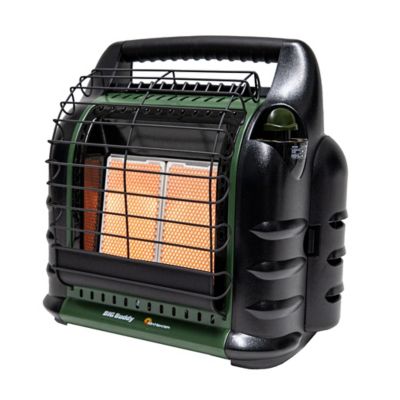
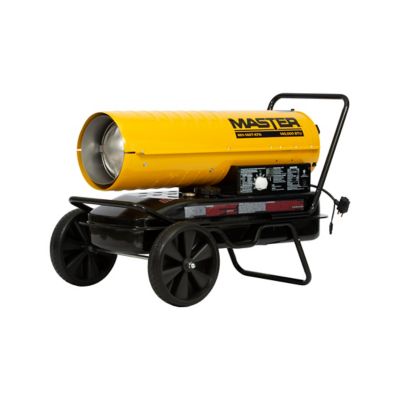
Large room heaters provide supplemental warmth for bigger living spaces or heat for work areas that need equipment suited to tougher conditions. Those are two different jobs: an open-plan family room or finished basement calls for a heater rated for residential indoor use, while a garage, workshop, or farm building may need a higher-output unit with different electrical, installation, and ventilation requirements. The right fit depends on more than floor space. Ceiling height, insulation, window area, drafts, and openings into adjoining rooms all affect how much heat a space needs and how evenly that heat travels. A room with a tall ceiling and an open stairway can be harder to warm than an enclosed room with the same square footage. Manufacturer coverage estimates offer a starting point, but their stated conditions matter, especially in a drafty farmhouse or an unfinished outbuilding. Heat output is commonly listed in watts for electric heaters and British thermal units per hour for fuel-burning equipment. A 1,500-watt electric heater produces about 5,100 BTUs per hour, whether it has a compact cabinet or a larger housing; a bigger exterior does not automatically mean more heating power. Many portable residential heaters fall within that output range, so large spaces with substantial heat loss may call for a properly sized installed system rather than another portable unit. Large room heaters can help take the chill off a seating area, make a basement gathering space more comfortable, or support an existing heating system in a room that never seems to catch up. They are not necessarily a replacement for central heat, and a room heater’s coverage rating should not be treated as a promise to warm an entire home. For spaces centered on the sofa, recliner, and family gathering spot,
Living Room Heaters offers a more focused category to explore. Placement, operating sound, controls, and the way a heater distributes warmth all help determine whether it belongs beside a busy household living area or in a separate work space.
Different heating methods suit different routines. Fan-forced electric heaters move warmed air through the room, making airflow direction and fan sound worth considering in a television room, home office, or basement where folks spend several hours at a stretch. Ceramic heaters pair an electric heating element with ceramic components and often a fan; their room coverage still depends on rated output and the conditions around them. Oil-filled electric radiators contain sealed heat-transfer fluid that warms as the heater runs. They generally take longer to get going than fan-forced designs, but models without fans provide warmth without blower noise and continue releasing stored heat for a while after the element cycles off. That retained warmth is not extra energy, though, and it does not mean every radiator can handle a bigger room. Infrared and other radiant heaters direct energy toward people and nearby surfaces, which can suit an occupied corner better than trying to bring every part of an open space to the same temperature. Their performance depends partly on placement and a clear path to the area being warmed. For a shop with higher heating demands, properly sized electric unit heaters or fuel-fired heating systems may be more appropriate than a household portable heater. Some higher-output electric equipment requires a 240-volt circuit and professional installation. Fuel-fired equipment has its own requirements for approved fuel, venting, combustion air, and installation, and an outdoor-only heater does not belong inside a house or enclosed shop. Cabinet construction and layout matter, too. Steel housings, protective grilles, stable bases, and well-placed handles can make a difference when equipment needs to fit around everyday activity. Wheels help with repositioning some larger portable models, but only after the unit is switched off and has cooled as directed. Wall- or ceiling-mounted equipment can leave more floor space clear, provided the mounting location, support, electrical supply, and required clearances all match the installation instructions.
A heater should fit the way a room actually gets lived in. In a family room, that means accounting for the throw blanket hanging over the couch, curtains beside the window, and the path children or pets take through the space. In a workshop, it means looking beyond the workbench to sawdust, finishing supplies, fuel containers, and anything else that could catch fire or give off flammable vapors. Spaces with combustible dust or flammable vapors need equipment specifically rated for those conditions. Thermostats, heat settings, timers, and oscillation can help manage comfort, but they do not take the place of correct sizing or safe placement. A thermostat regulates temperature near its sensor, so a heater tucked into a warm corner may cycle off while the far end of the room still feels chilly. Tip-over switches and overheat protection are useful safety features on portable models, not permission to leave them unattended. Keep portable space heaters at least three feet from bedding, furniture, paper, and other combustible materials, or farther away when the manufacturer requires it. Turn them off before leaving the room or going to sleep. Plug portable electric space heaters directly into a suitable wall outlet, never an extension cord or power strip, and make sure the circuit can support the load. A loose plug, damaged cord, or outlet that becomes hot calls for stopping operation and having the problem checked. Fuel-burning heating equipment also calls for working carbon monoxide alarms and all required venting; an open window is not a substitute for proper installation. Routine care is usually straightforward: let the heater cool, disconnect power as directed, and clear dust from accessible grilles and surfaces according to the manual. Keep intake and outlet openings unobstructed, and never drape damp gloves or clothing over a heater. Before seasonal storage, check cords, controls, mounting hardware, and accessible surfaces for damage. Matching the heater to the space, then keeping it clean and clear, helps make a big room more comfortable without putting heating equipment in the way of daily life.