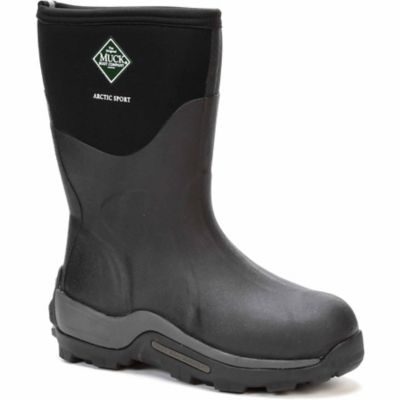
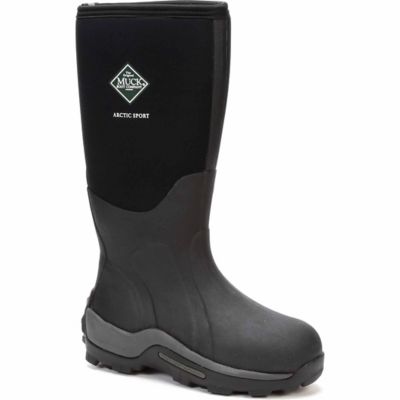
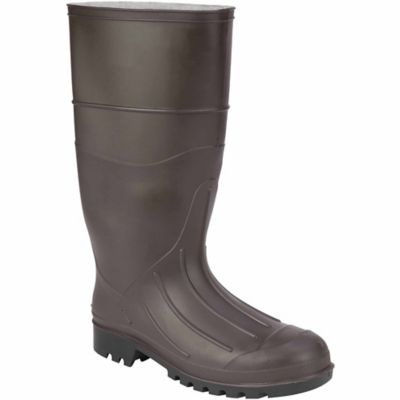
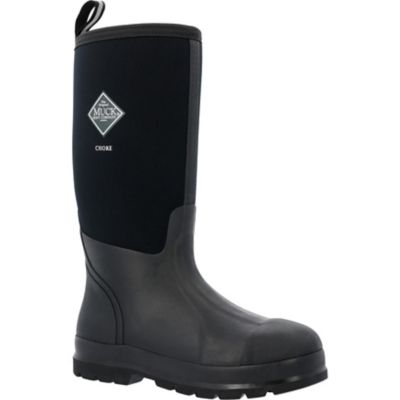
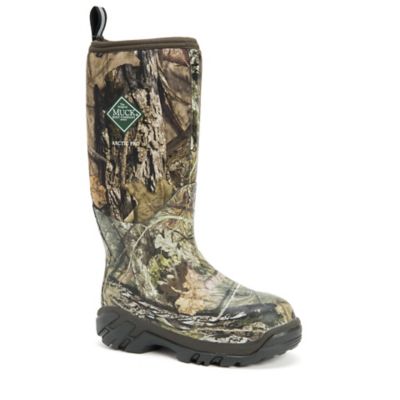
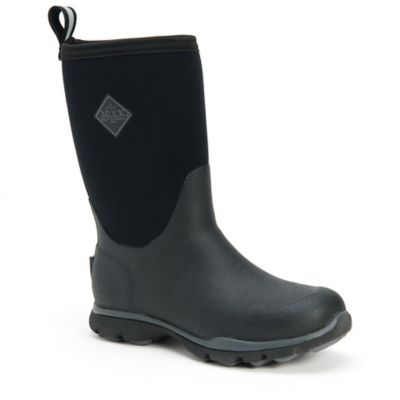
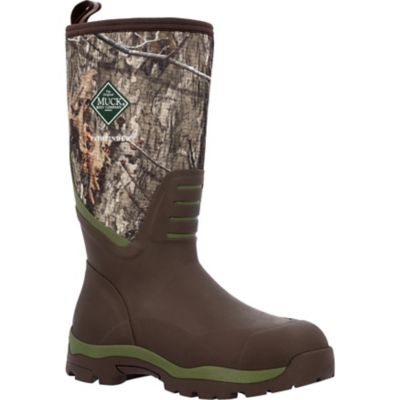
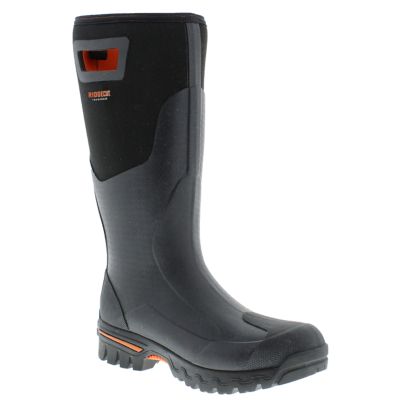
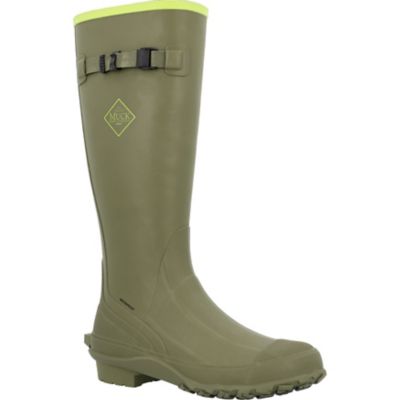
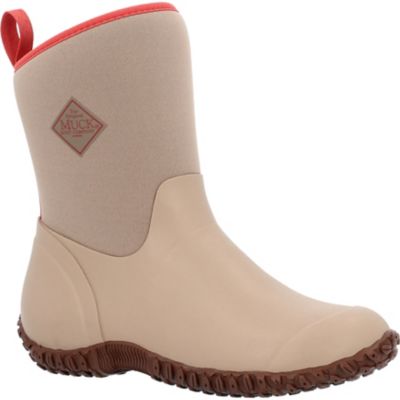
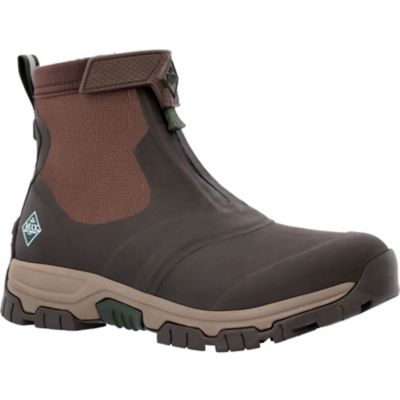
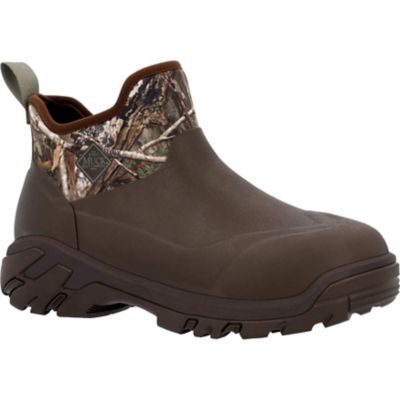
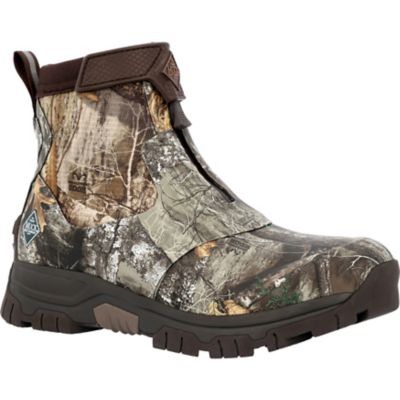
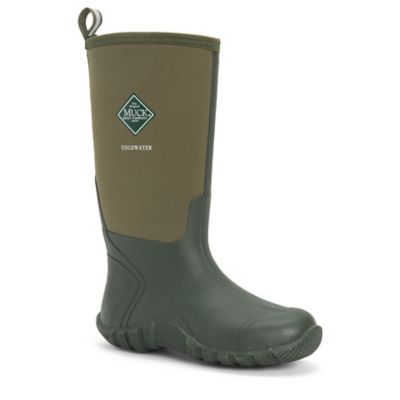
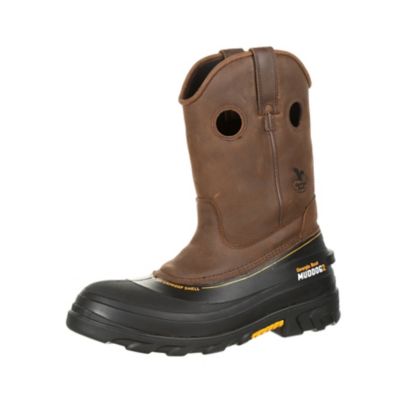
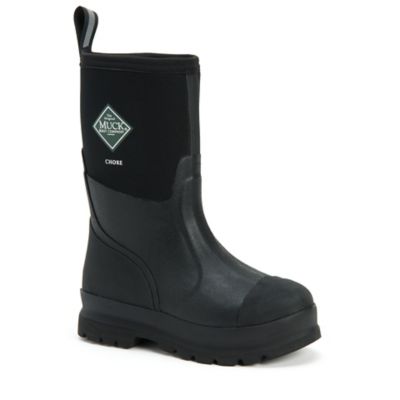
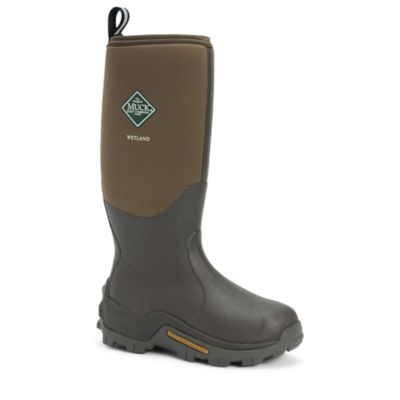
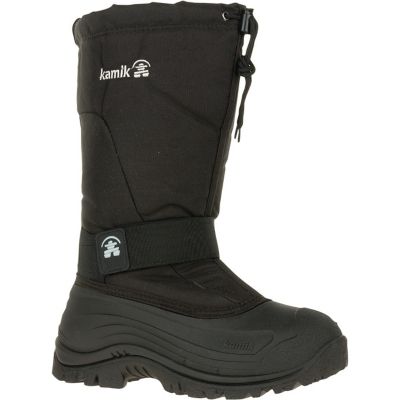
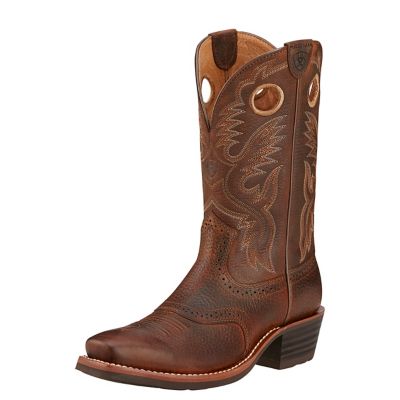
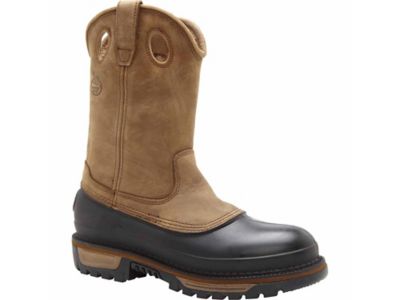
Men’s muck boots earn their place by the back door when the path to the barn is soft, the pasture gate stands in a puddle, and chores still need doing. Built around the demands of wet, muddy ground, this type of footwear helps keep feet separated from the mess that comes with feeding livestock, checking fence lines, tending a garden, or walking a soggy property. Waterproof construction is a key consideration, though the protection each pair offers depends on its materials, seams, and shaft height. Rubber shells and flexible neoprene uppers are common choices, combining a water-blocking lower section with a shaft that bends as you walk or crouch. Some designs have a stretch opening that sits close around the calf, while others leave more room for pant legs. Taller shafts offer more coverage for splashes and muddy brush, but water can still enter over the top, so boot height should match the ground and water depth you expect to encounter. A shorter boot can make sense for quick trips to the chicken coop or work around a damp yard where deep mud is less of a concern. Underfoot, tread patterns influence how boots handle everything from loose soil to wet grass. Widely spaced lugs can release mud more readily, while deeper tread may provide a better purchase on soft ground. Neither feature guarantees grip on ice, slick boards, or algae-covered concrete, so footing still deserves attention near troughs, creek banks, and wash areas. For farmers, ranchers, grounds crews, hunters, and folks with a few acres to maintain, the right balance of coverage, flexibility, and traction matters more than looks alone. These boots also suit everyday country routines that fall between work and recreation, such as hauling firewood across a damp yard or taking a walk after a long stretch of rain. Their appeal is straightforward: practical coverage for places where ordinary shoes would quickly be out of their element.
Comfort becomes more important when a quick feeding turns into several hours of work. Men’s muck boots should leave enough space for toes to move without allowing the foot to slide around on every step. Try them with the socks you expect to wear, whether that means a lighter pair for active chores or thicker socks during the cooler months. Extra-thick socks are not always the answer to cold feet; a tight fit can restrict circulation and leave little room for insulating air. The heel should feel secure, and the top of the foot should not feel pinched when you bend down to latch a gate or lift a feed pan. Calf fit matters, too, especially if work pants will sit inside the shaft. A close-fitting opening can help limit the entry of loose debris, but it should not dig into your leg or make every step feel restricted. Cushioned footbeds, supportive midsoles, and boot weight all affect how feet feel after repeated trips between the shed and the barn. Removable insoles can make drying easier and may provide room for a compatible replacement footbed, provided the change does not crowd the boot. Insulation deserves the same attention as fit. Standing beside a stock tank in cold weather calls for different warmth than briskly pushing a wheelbarrow uphill, and temperature ratings alone cannot account for activity level, socks, wind, or individual comfort. Breathable linings may help manage moisture inside the boot, although waterproof footwear can still feel warm during hard work. For days spent mostly on firm ground, the broader selection of
Mens Comfortable Work Boots offers another way to think about support and all-day wear. The setting should steer the choice: soft pasture, concrete barn aisles, uneven trails, and equipment yards each place different demands on footwear. Where a job calls for protective toes, electrical hazard protection, or other safety features, check the stated ratings rather than assuming a waterproof chore boot provides them. Wet-weather protection and workplace protection are separate considerations.
A little attention after a muddy day can help men’s muck boots stay ready for the next round of chores. Knock off loose soil, rinse away manure and grit, and clean the exterior with mild soap when the care directions allow it. Pay attention to the tread channels and the area where the upper meets the lower shell, since packed dirt can hide small cracks or separation. Harsh cleaners, fuel, and solvents can damage some boot materials, so spills need prompt attention according to the maker’s care directions. Let boots dry in a ventilated spot away from a stove, radiator, or other source of strong heat. High heat can affect rubber, adhesives, and linings, and a boot that feels dry outside may still hold moisture around the toes. If the footbeds come out, removing them helps air reach the interior. Fold-down shafts and boot dryers are not suitable for every construction, so follow the care directions before bending the upper or adding heat. Store boots upright when practical, away from prolonged direct sunlight, and avoid leaving them compressed beneath tools or feed bags. Regular checks of the heel, outsole, and flex points can reveal wear before it turns into an unwelcome wet sock halfway through chores. Reinforcement around the toe and heel may help with everyday scuffs, but no rubber boot is a substitute for protective footwear around sharp objects or heavy equipment. Pull tabs and heel kick plates, where included, can make getting boots on and off easier when hands are full or muddy; a properly sized boot jack can also help without repeated tugging at the shaft. As a gift, muck boots can be a thoughtful choice for someone who spends plenty of time outdoors, from a family member tending livestock to a neighbor who takes pride in a productive garden. Knowing the person’s size, calf fit, usual socks, and typical workload makes that choice more useful. Whether the day involves wet leaves, sloppy barn lots, or cold rain across the pasture, well-fitting boots matched to the task help keep attention on the work ahead.