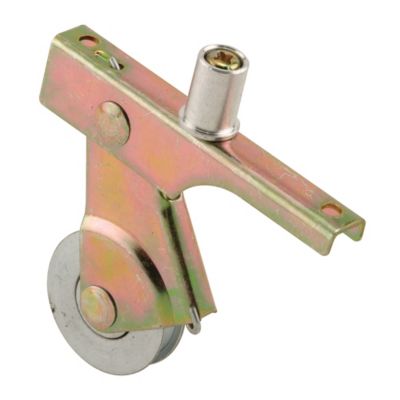
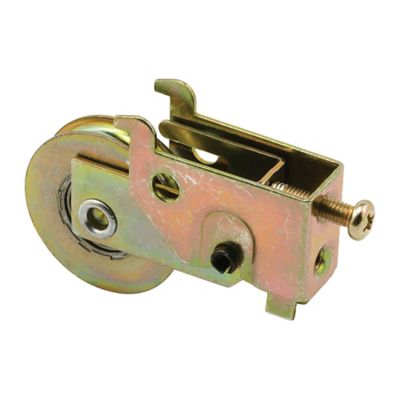
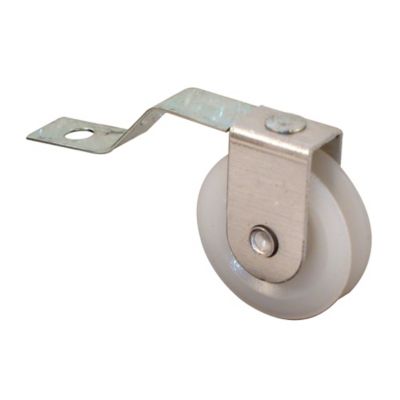
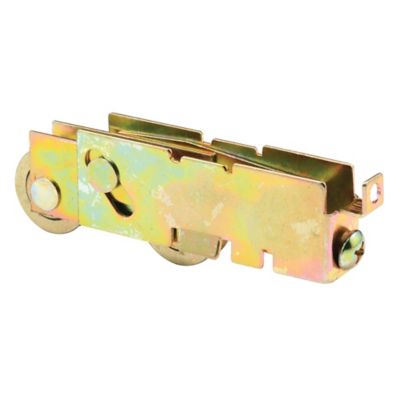
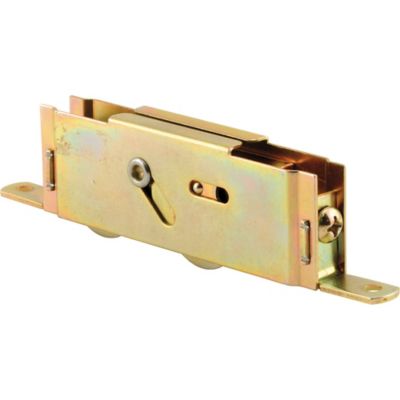
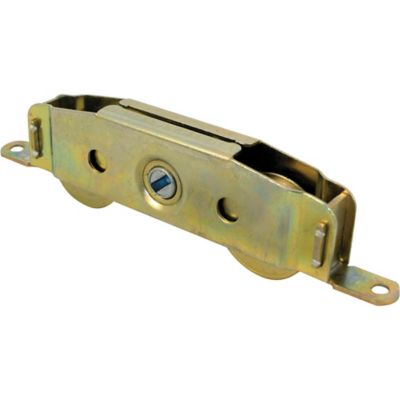
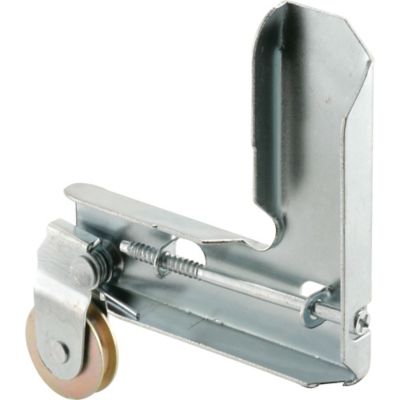
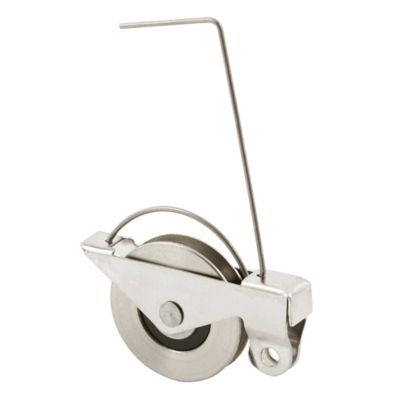
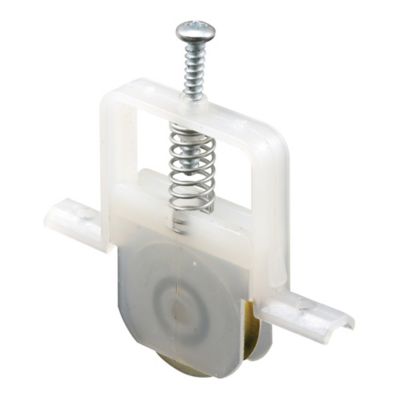
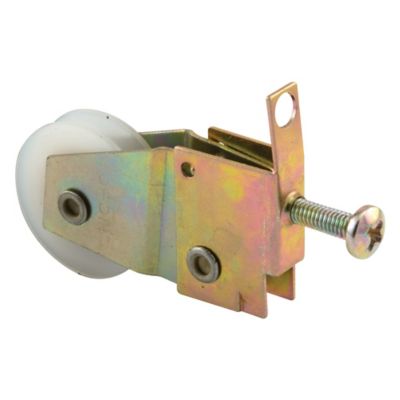
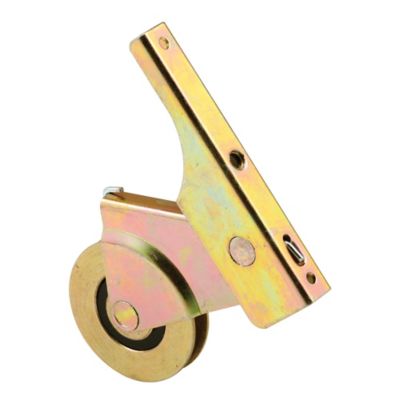
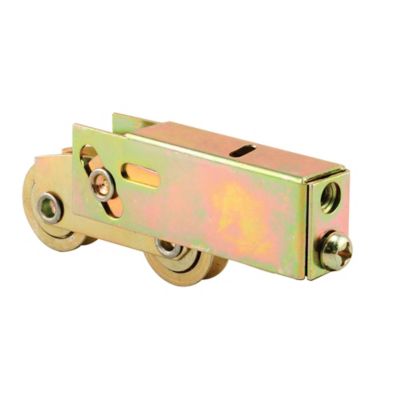
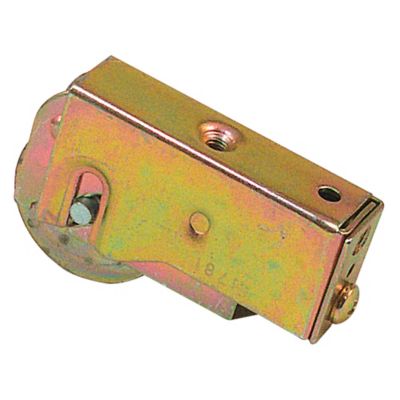
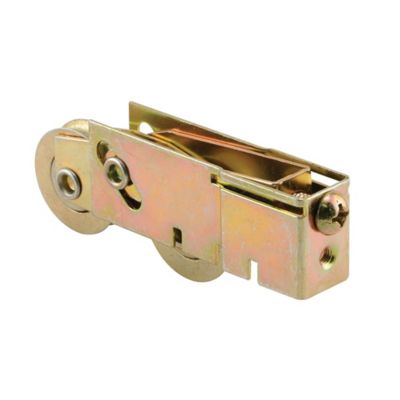
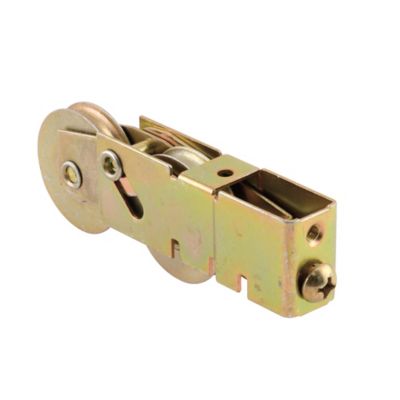
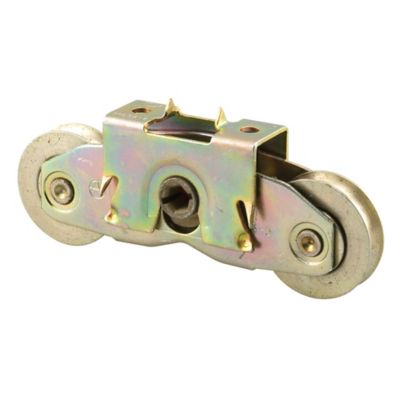
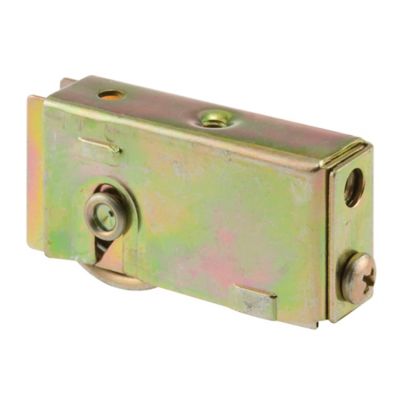
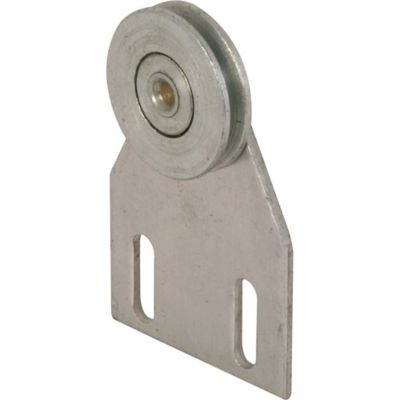
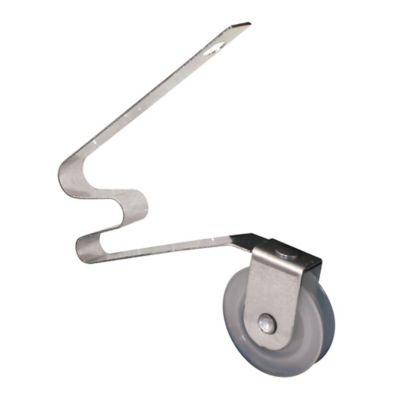
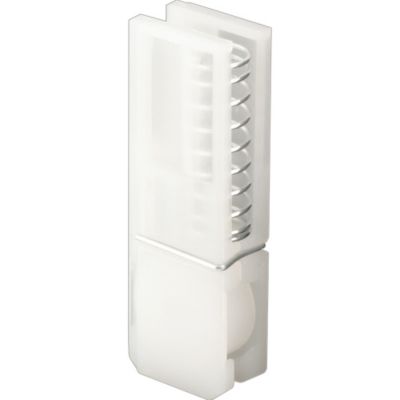
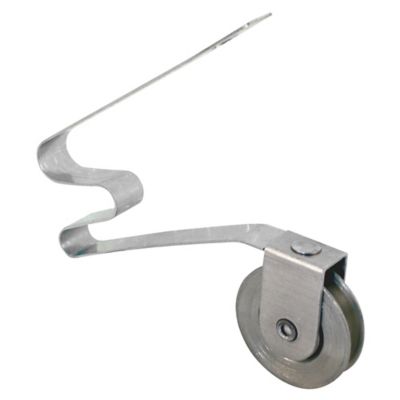
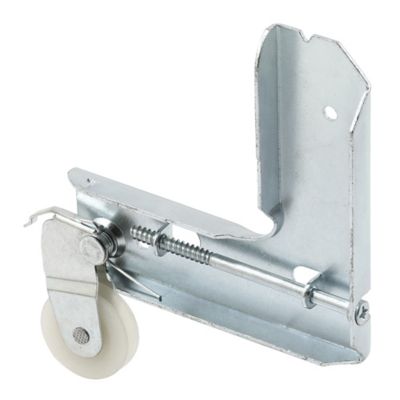
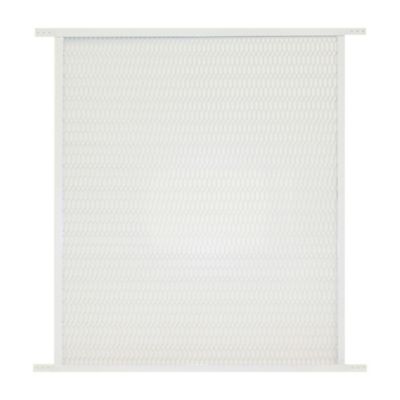
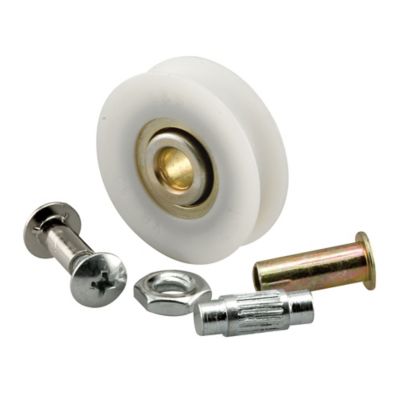
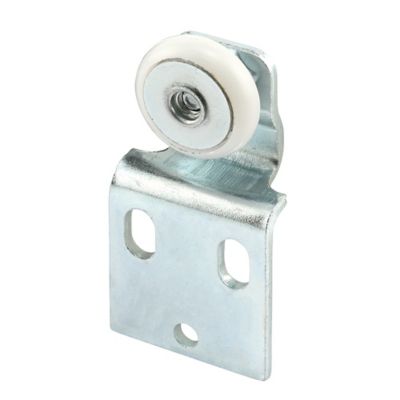
Sliding screen door replacement rollers help a screen panel travel along its track without dragging, hopping, or needing a hard shove. These small parts carry or guide the door, depending on its design, and a worn wheel can make an otherwise sound frame feel ready for replacement. A flat spot on a wheel may cause a steady bump as the panel moves, while a seized axle can make the wheel scrape instead of roll. For a homeowner carrying a basket through the patio entrance or heading inside after chores, that stubborn last few inches gets old fast. Replacement rollers offer a way to address worn moving parts without replacing an entire screen door when the frame, mesh, and track are still in good shape. The category includes individual wheels and complete roller assemblies, which may combine a wheel, axle, housing, spring, and adjustment hardware. Some assemblies sit inside the lower corners of the screen frame; others attach with screws or fit into a spring-mounted bracket. Upper rollers may help keep the panel aligned, though their role varies with the door design. Those differences matter because sliding screen door hardware is not interchangeable just because two wheels look alike. Screen panels also call for different hardware than the heavier sliding glass doors beside them. A roller meant for a glass panel is not a substitute unless the manufacturer expressly lists that application. In general, replacing a screen door roller involves removing the panel according to its design, taking out the worn assembly, fitting a matching replacement, and adjusting the panel so it sits square and moves freely. The attachment method and access points determine the tools and work involved, so a screwdriver may suit one assembly while another requires pliers or additional disassembly. Matching the hardware before starting helps keep a small repair from turning into a drawn-out job.
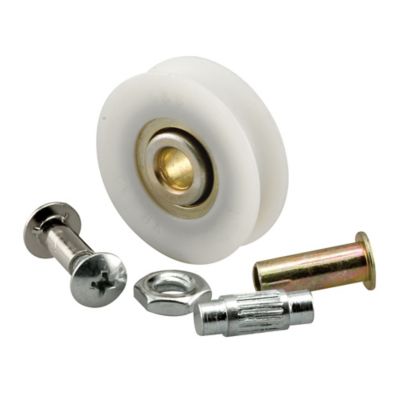
Fit starts with more than wheel diameter. Wheel width, groove shape, axle position, housing dimensions, mounting-hole spacing, and adjustment range all affect how sliding screen door replacement rollers sit in the frame and meet the track. A wheel with the wrong profile may ride awkwardly on the rail, while an assembly that is too tall can leave the panel binding even with its adjustment backed off. A narrow frame channel can also rule out a housing that looks close in a photograph. Measurements from the original assembly, along with the door maker’s information when it can be identified, provide a stronger basis for selection than appearance alone. The position of a mounting tab or the bend in a spring arm can be just as important as the size of the wheel. Some doors incorporate rollers into corner hardware, making the connection to the frame another point to compare. Material choice belongs in that same conversation about fit and function. Nylon wheels can offer quieter travel and a smooth rolling surface when paired with a suitable track and door load.
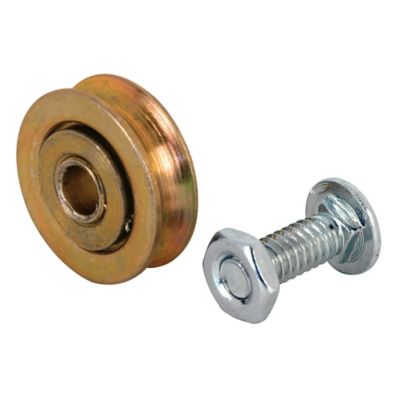
Nylon Screen Door Rollers are worth considering when that material matches the original design or the replacement specifications. Metal wheels bring different wear characteristics, but they still need the correct track profile and load rating; material alone does not establish compatibility or service life. Housings and brackets may be steel, coated metal, or other materials, with finishes intended to help limit corrosion. Bearing design, axle construction, spring tension, and the strength of the housing all influence how the assembly performs over repeated opening and closing. An individual replacement wheel makes sense only when the existing bracket and axle arrangement allow it and the remaining parts are sound. A complete assembly can address wear in the housing or spring as well as the wheel, provided it matches the door’s mounting arrangement.
Everyday performance depends on the track and frame as much as the replacement rollers. Grit packed into the lower rail can interfere with a new wheel, and a bent section of track can keep a correctly matched assembly from traveling smoothly. A panel that leans, rubs against the jamb, or fails to meet the latch may need alignment attention rather than simply a larger roller. Height adjustment helps establish clearance and square the panel within its opening, but the location and direction of adjustment vary by assembly. Overtightening an adjustment screw can strain the mechanism, so the door manufacturer’s directions take precedence over a one-size-fits-all approach. For ongoing care, removing loose dirt from the track and wiping accessible surfaces helps keep debris away from moving parts. Lubrication requirements differ, particularly between wheel and bearing designs; only a lubricant permitted by the hardware manufacturer belongs on the assembly. Heavy grease on an exposed track can hold grit and leave more buildup for the wheels to cross. A gentle rolling action, without lifting the handle or pulling the frame sideways, is a practical sign that the panel is traveling as intended. It should also settle against the jamb without needing a final slam. In a household with frequent trips between the kitchen and patio, those details matter every day. Property caretakers and repair professionals have the same need for correctly matched hardware when maintaining screen doors across several entrances, where similar-looking panels may have different corner assemblies. Checking both ends of the door can reveal uneven wear or a second roller that is starting to bind, though replacement needs depend on the condition of each assembly. Rollers cannot straighten a twisted frame, mend torn mesh, or restore a damaged rail, but they can make a meaningful difference when worn rolling hardware is the source of the trouble. With the right dimensions, mounting style, and care, sliding screen door replacement rollers help restore an easy-moving entrance that works with the ordinary rhythm of the place.