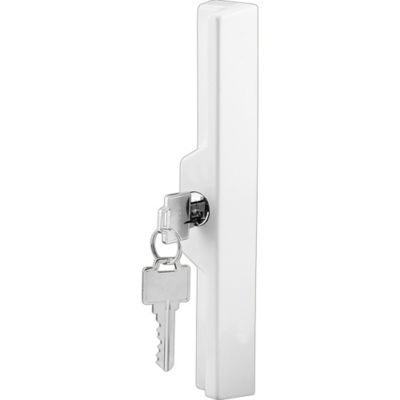
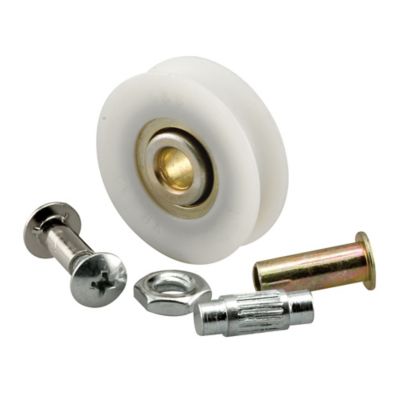
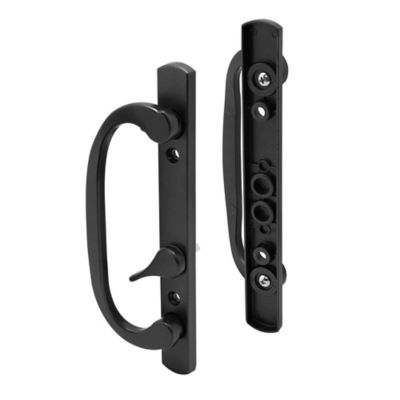
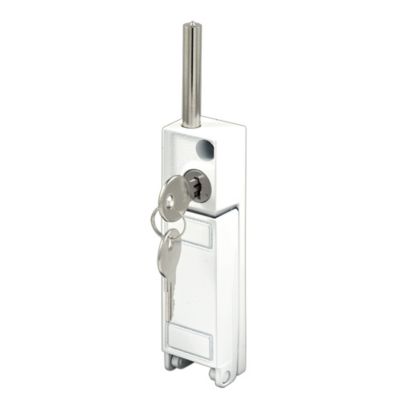
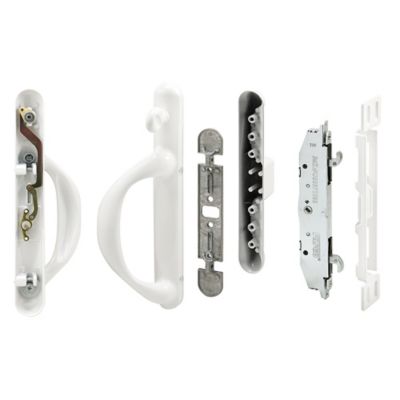
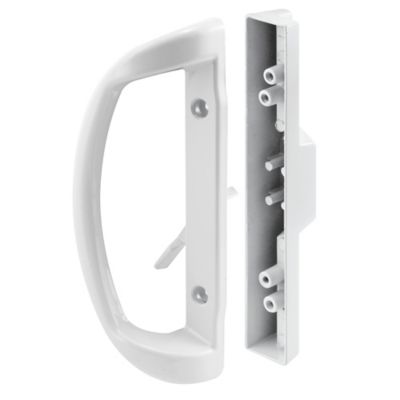
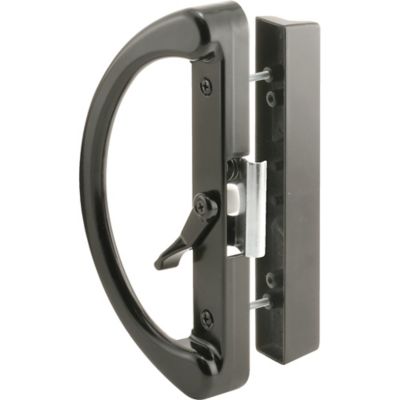
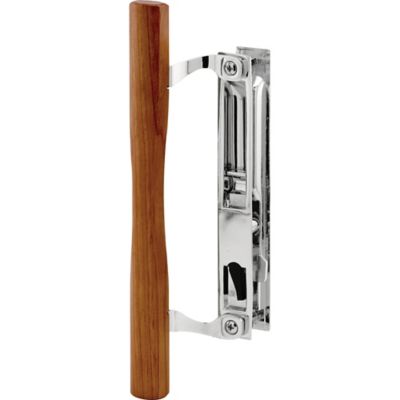
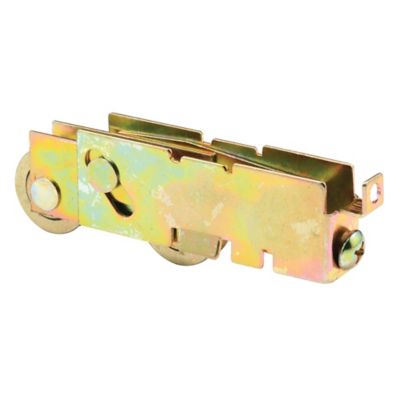
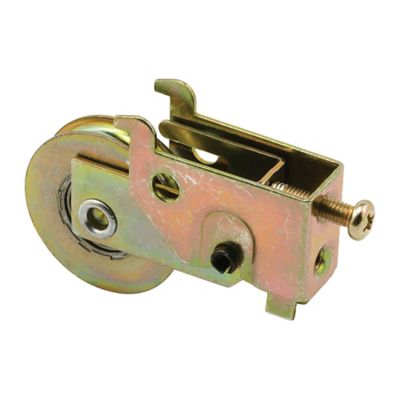
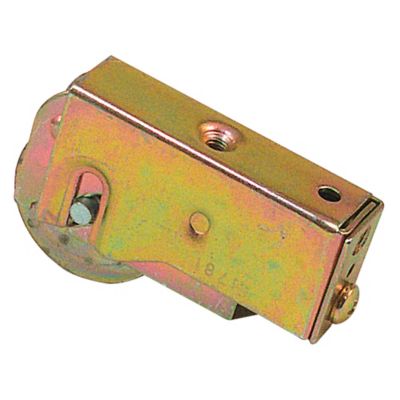
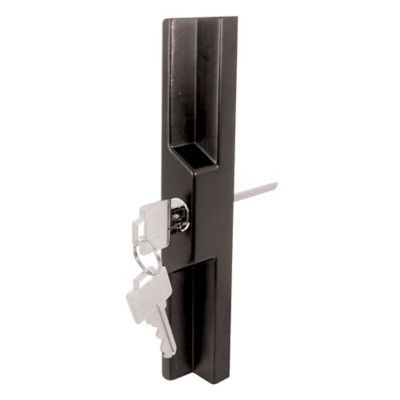
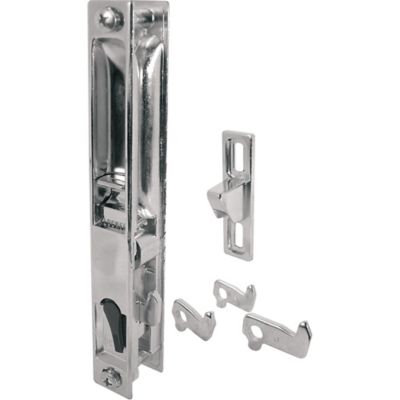
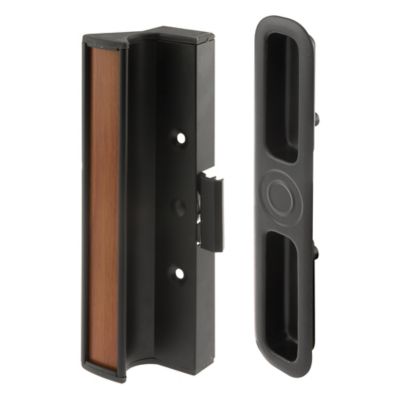
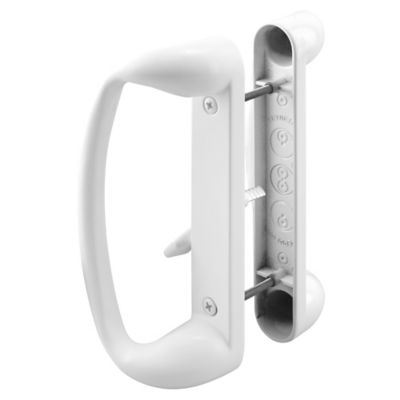
Hardware for sliding patio doors helps keep one of the busiest openings in the home moving smoothly, closing securely and standing up to everyday wear. A sliding door may look simple, but the panel rides on small wheels, follows a track, stays aligned with guides, and relies on handles and locks that need to work together. When the door becomes hard to open, drags across the sill, rattles in the wind, or refuses to latch, the right replacement hardware can make a noticeable difference. Hardware for sliding patio doors commonly includes roller or wheel assemblies, tracks, bottom guides, handle sets, mortise-style locks, surface-mounted latches, flush pulls, thumb latches, and added security hardware such as foot locks or kick locks. Rollers carry the weight of the moving panel and help it glide across the opening, while the track gives those rollers a clean path. Guides help hold the door in line, and the handle and lock provide the grip and security needed for daily use. During the cooler months, a properly adjusted door can also help reduce drafts around a frequently used entryway. Before choosing replacement parts, take a close look at the existing hardware and note the door material, panel thickness, mounting-hole spacing, lock position, and the shape and size of the roller assembly. Sliding doors may be made from vinyl, wood, aluminum, or a combination of materials, and parts that look similar can differ in dimensions or mounting style. It is helpful to record measurements, photograph the old part, and check whether the moving panel is on the left or right side when viewed from inside. If a door has been sticking for years, inspect the track for packed-in dirt, grit, paint, rust, or dents before replacing every part at once. A worn roller may be the main problem, but a bent track or damaged guide can keep a new roller from working properly.
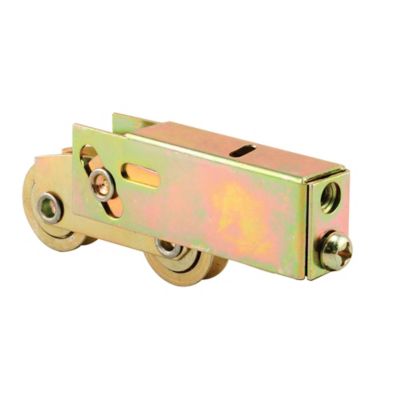
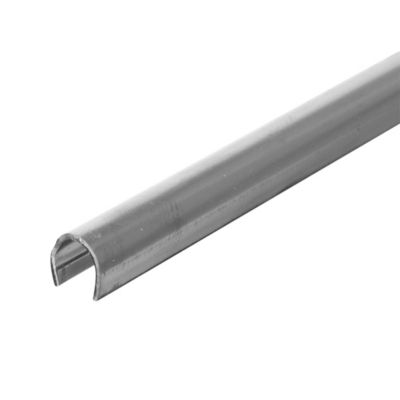
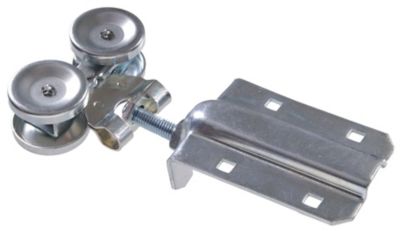
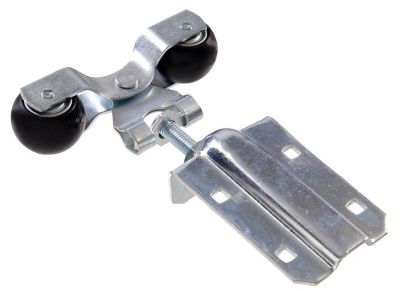
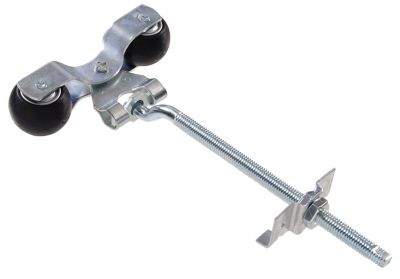
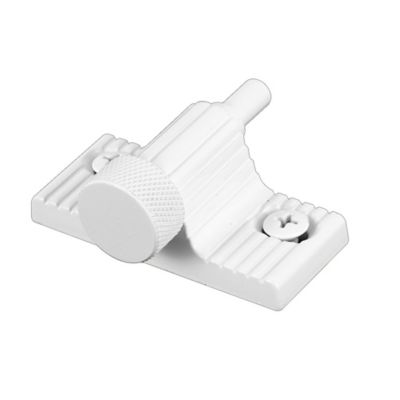
Rollers and wheels are often the first place to look when a patio door feels heavy or noisy. Tandem roller assemblies use two wheels to help spread the panel’s weight, and ball-bearing designs can provide a quieter, more even glide when the assembly matches the door. Check the wheel material and housing, along with the adjustment screw location, so the replacement can be installed and fine-tuned without a lot of trial and error. A door that sits too low may scrape the sill, while one adjusted too high may leave an unwanted gap or make the lock difficult to engage. Tracks and guides deserve attention as well. A clean, straight metal track gives the rollers a better surface, and a properly fitted bottom guide helps prevent the panel from wobbling or rubbing against the frame. Handles and locks should be selected with both fit and use in mind. Mortise-style hardware fits into a cutout in the door frame, while surface-mount styles attach to the face of the panel; flush pulls sit closer to the door and can be a handy choice where a low-profile grip is preferred. Locking features vary, so compare the existing latch shape, screw locations, backset, and strike alignment. A security foot lock or kick lock can add another point of resistance near the floor, which may be useful for homes with children, pets, livestock nearby, or a patio door that sees frequent traffic. These parts can also be practical gifts for a homeowner, new house buyer, landlord, or handy friend who keeps a repair bin stocked for the next fix. A small hardware upgrade may not seem flashy, but it can save someone from wrestling with a stubborn door while carrying feed, groceries, tools, firewood, or a sleepy child. For more ways to outfit a sliding entry, browse
Accessories For Sliding Doors.
Sliding patio door hardware is useful for homeowners handling routine maintenance, property managers preparing a rental, contractors finishing a repair, and anyone getting an older home ready for changing weather. It can also help in workshops, cabins, enclosed porches, sunrooms, and outbuildings where a sliding door gets opened and closed with muddy boots or work gloves. Before beginning a repair, clear the area and have a safe place to set the heavy door panel if it must be lifted from the frame. Some panels are awkward and heavier than they appear, so a second person can make removal and replacement safer. Keep track of screws and spacers, and avoid forcing a handle or lock into place when the holes do not line up. After installation, test the door several times from both sides. The panel should move without grinding, the handle should feel solid, and the latch should meet the strike cleanly without slamming. Check that the lock fully engages and that the door cannot be easily lifted out of the frame when secured. Light cleaning and occasional adjustment can extend the life of rollers and tracks, especially in rural areas where dust, sand, pet hair, and bits of grass can work their way into the bottom channel. A dry cloth or soft brush can remove buildup, while the manufacturer’s care recommendations should guide any lubricant choice; some products attract more grit than they remove. Keep an eye on loose screws, cracked guides, flattened wheels, and rising gaps around the closed panel. Replacing a worn part early is often simpler than waiting until the door jams, the frame is damaged, or the lock stops holding. With the right measurements and a little patience, replacement hardware can restore a smoother glide, a steadier fit, and dependable security to a well-used sliding patio door.