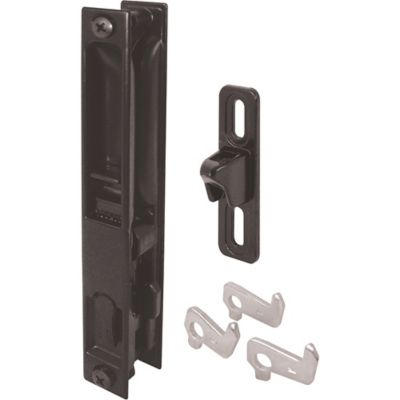
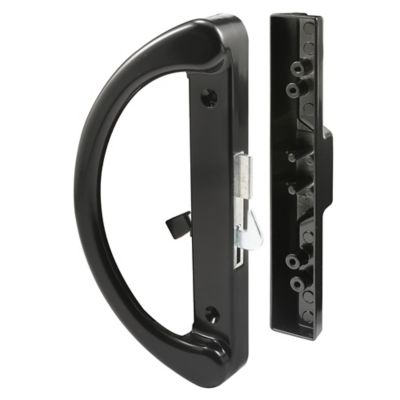
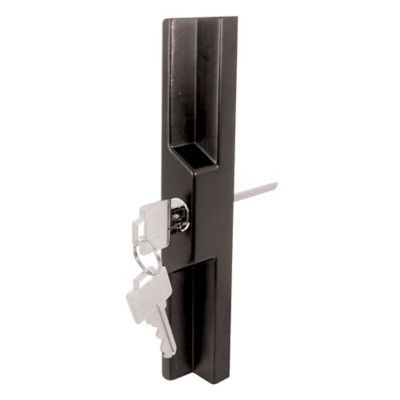
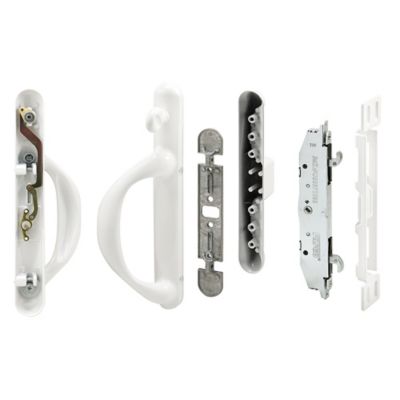
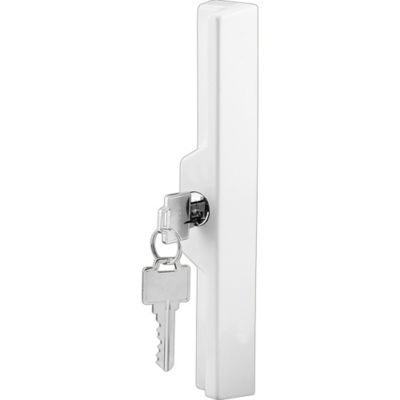
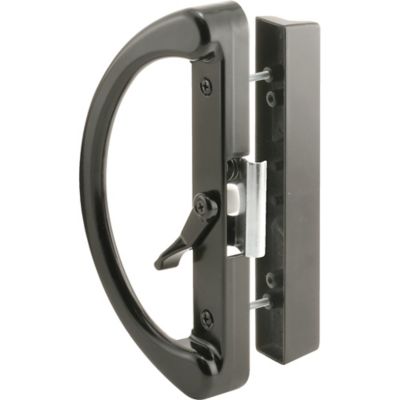
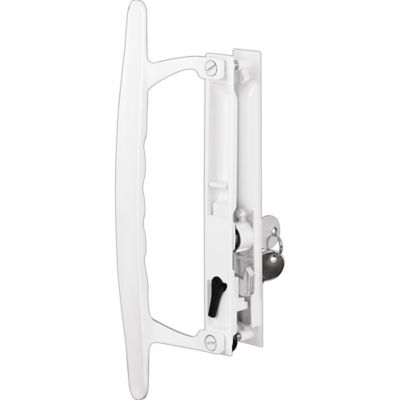
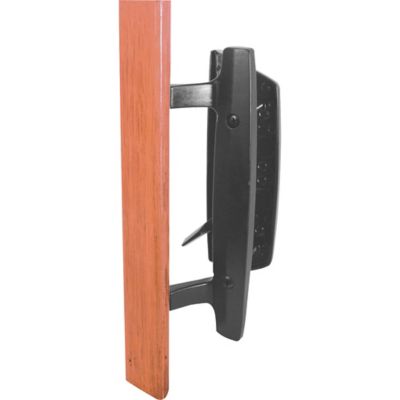
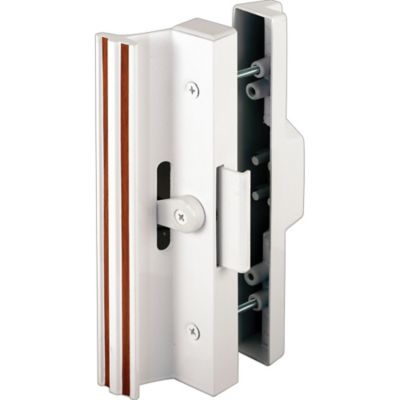
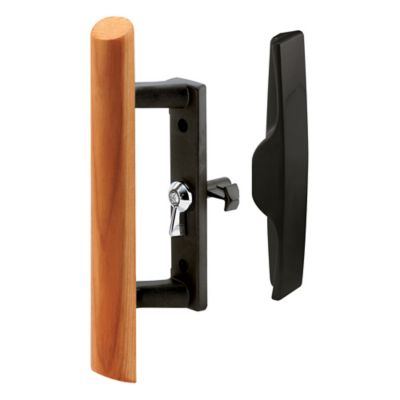
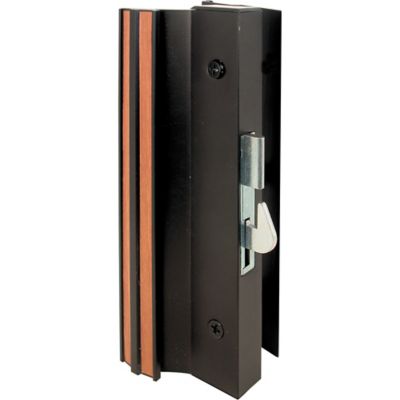
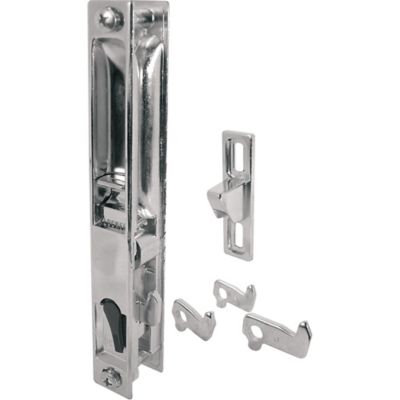
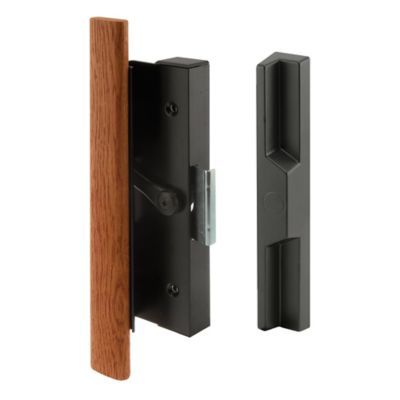
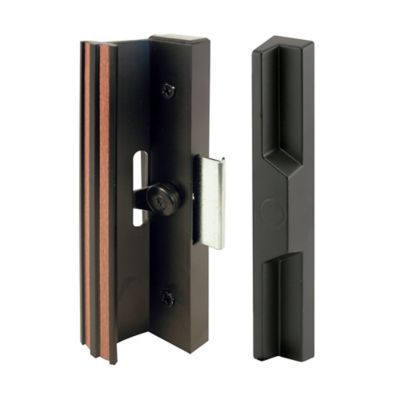
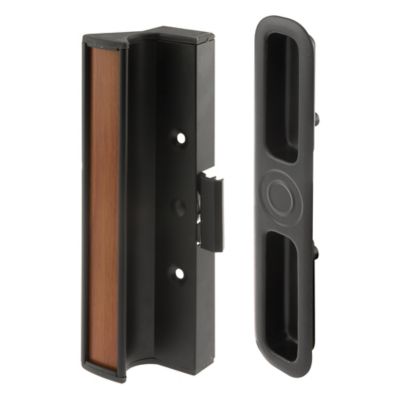
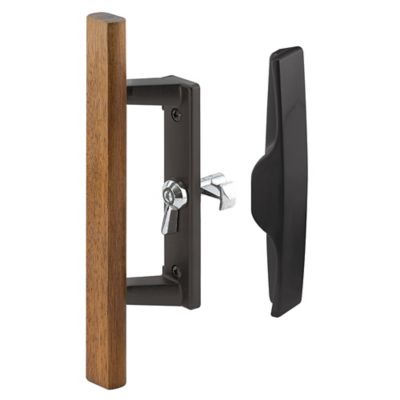
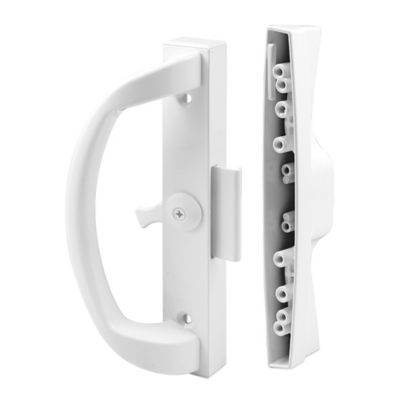
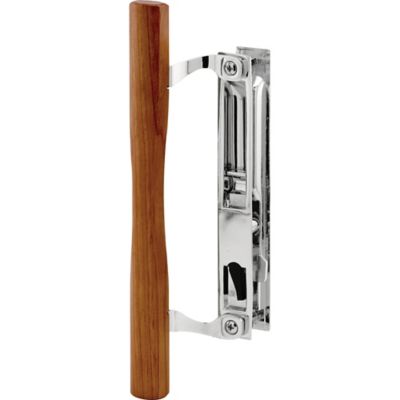
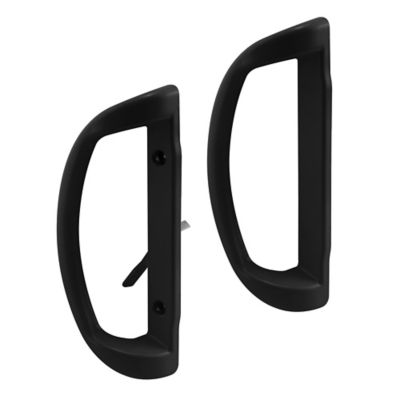
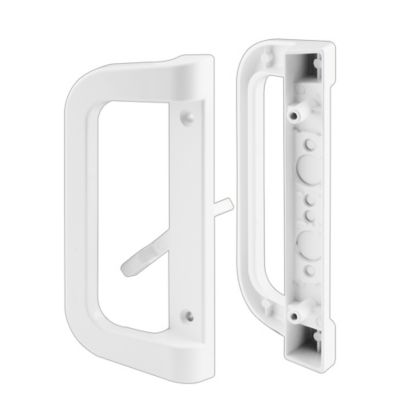
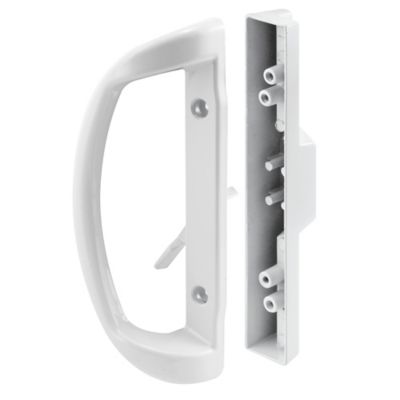
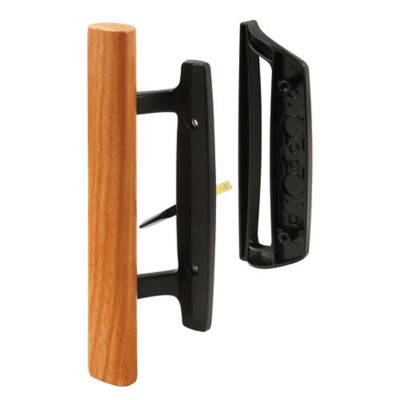
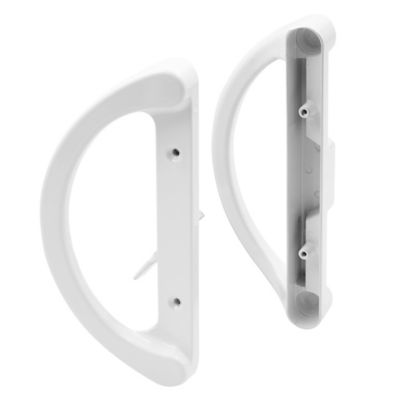
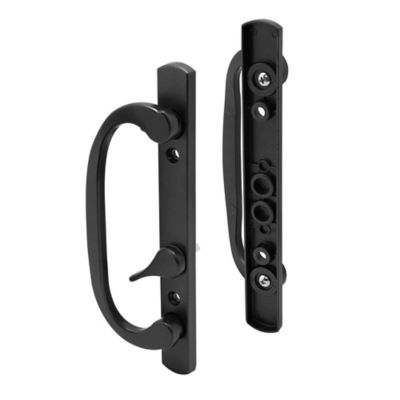
Heavy duty sliding glass door handles are a practical choice when a patio door, sunroom entry, enclosed porch, office partition, or busy back entrance gets opened and closed all day. These handles are built for a little more wear than lightweight hardware, with sturdy metal construction, reinforced mounting points, and designs made to give your hand a solid grip on a door that may be wide, heavy, or difficult to move. In a country home, that can mean easier trips from the kitchen to the porch, smoother access to a mudroom, or a dependable way to carry in groceries without wrestling with a loose handle. They also fit well in workspaces, rental properties, lodges, farm offices, and other places where several people use the same sliding glass door throughout the day. When the weather warms, sliding doors often become the main path to a deck, garden, or outdoor sitting area. During cooler months, a firm handle and properly working latch help keep the door closed against drafts and make the entry feel more secure. A heavy duty replacement may also be a thoughtful housewarming or home improvement gift for someone fixing up an older property, although the best choice depends on the door’s exact measurements and existing lock style. Look for a comfortable pull shape, smooth edges, and a finish that suits the surrounding trim while standing up to fingerprints, dust, damp air, and regular handling.
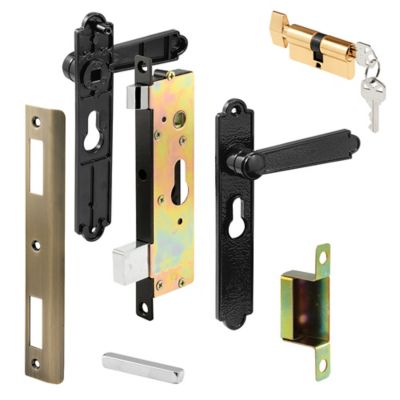
Fit is the most important part of choosing replacement sliding glass door hardware. Before ordering, remove the existing handle if needed and measure the screw-hole spacing from the center of one mounting hole to the center of the other. Common spacing includes 3-15/16 inches and 6-5/8 inches, but sliding door hardware is not universal, and even a small difference can leave the new handle unable to line up correctly. Measure the door thickness as well, especially if the handle includes a lock, latch, or interior mounting bracket. Some designs are made for standard residential doors, while others accommodate thicker panels or commercial-style applications. Check whether your door uses a surface-mounted hook, an internal mortise lock, a keyed locking mechanism, or a separate latch. A surface-mounted set attaches directly to the door and may be a straightforward replacement when the original holes and lock location match. A mortise-style setup fits into a pocket cut inside the door frame, so the shape and dimensions of that pocket matter just as much as the screw spacing. Pay attention to whether the handle is reversible for left- or right-hand use and whether the package includes the screws, lock parts, strike, or mounting hardware needed for your setup. If the old screws are stripped, corroded, or too short, plan to replace them with hardware suited to the door material without using fasteners long enough to interfere with the glass. Taking a quick photo of the existing handle and writing down every measurement can save a trip back to the hardware aisle. For doors that need a stronger receiving surface for the latch, browse
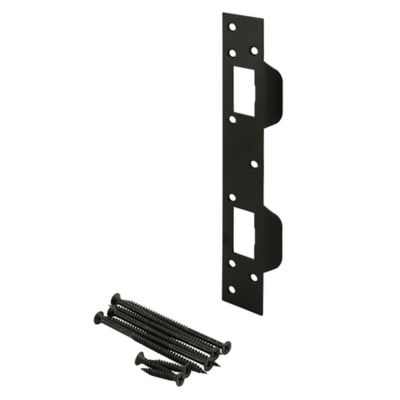
Heavy Duty Door Strike Plates to help coordinate the rest of the entry hardware.
A well-chosen heavy duty sliding glass door handle should feel steady from the first pull, with little movement between the handle, mounting plate, and door. Diecast or extruded metal construction can offer the solid feel many homeowners want in a high-traffic entry, while a low-profile flush design may be better where furniture, curtains, pet gates, or narrow walkways sit close to the glass. Longer offset pulls give larger hands plenty of room and can make a heavy panel easier to slide, while compact recessed handles keep the hardware tucked out of the way. Consider the finish based on how the door is used: a darker finish can blend with modern trim and hide everyday marks, while chrome, brushed, or lighter metal finishes can brighten a porch or sunroom. Security deserves close attention, but a strong handle is only one part of the setup. Check that the door rolls smoothly on its track, the panels meet evenly, and the latch engages fully without forcing the handle. A worn roller, bent frame, or misaligned strike can make even the best handle feel loose or unreliable. During installation, support the door and avoid overtightening, which can strip the mounting holes or place unnecessary pressure on the glass. After the handle is secured, open and close the door several times, test the lock from both sides, and make sure the latch catches cleanly. A small amount of track cleaning and routine tightening can help the hardware last through dusty workdays, muddy boots, busy family gatherings, and the steady in-and-out traffic that comes with a home connected to the outdoors.