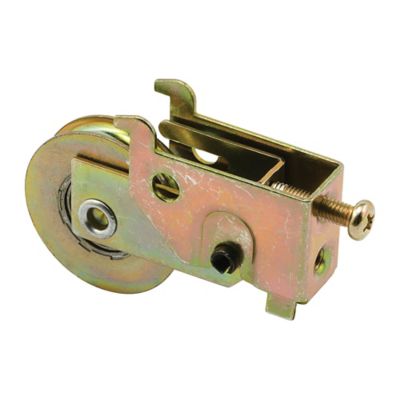
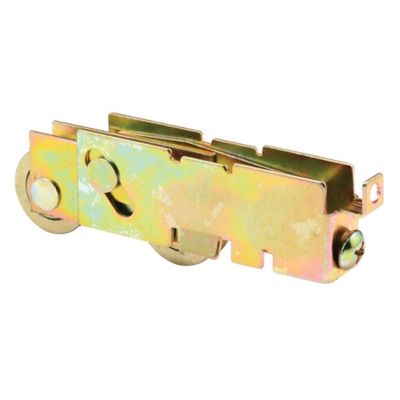
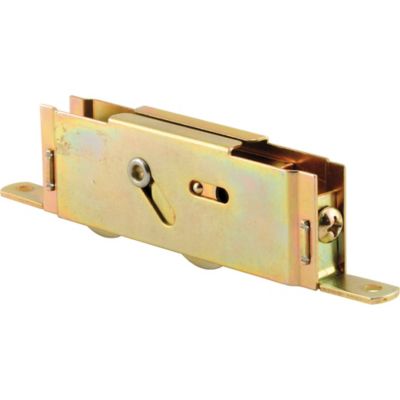
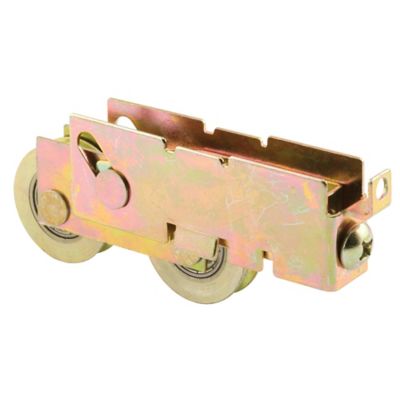
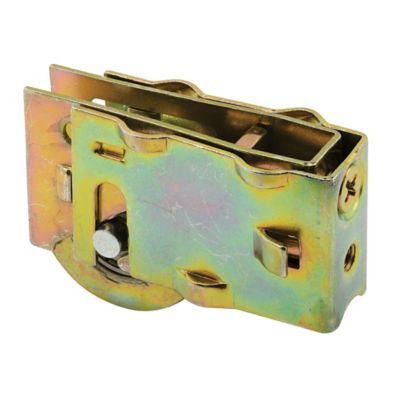
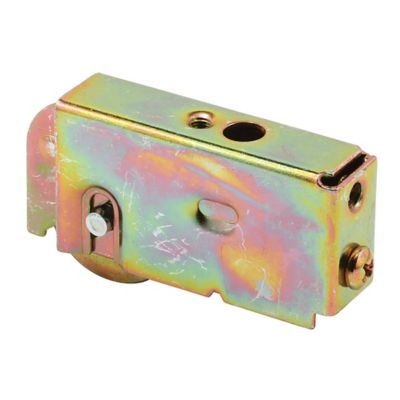
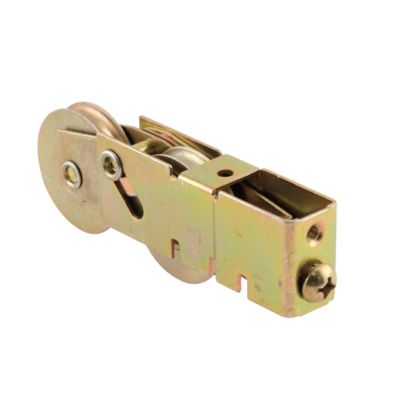
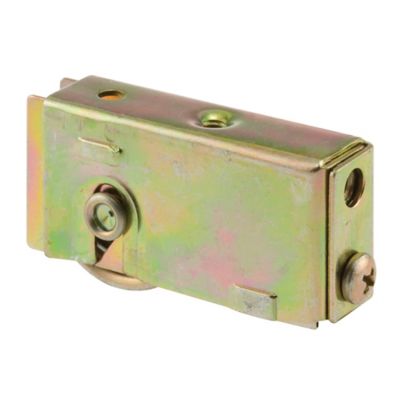
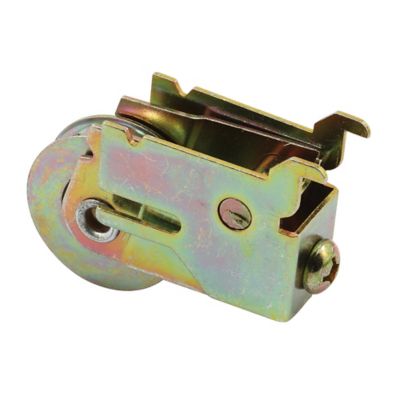
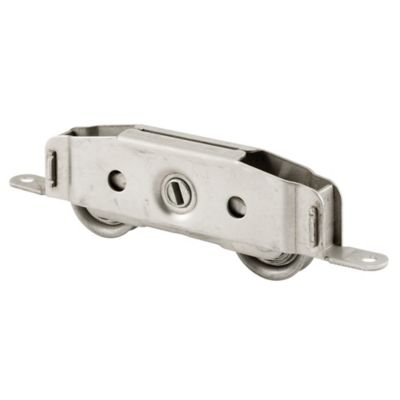
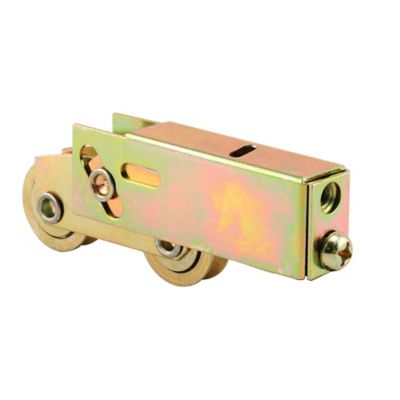
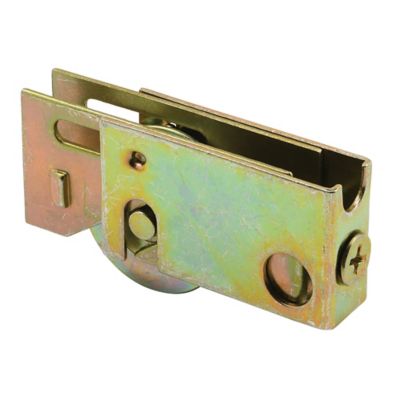
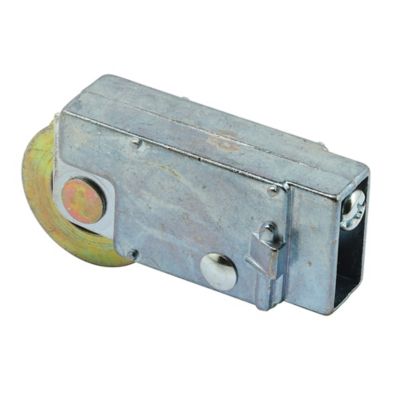
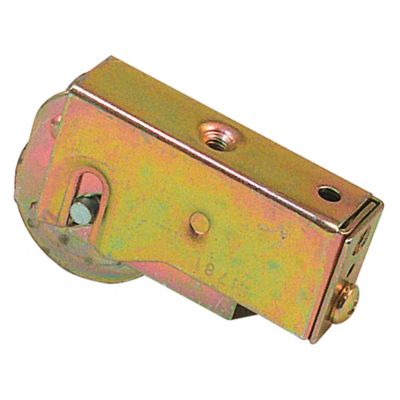
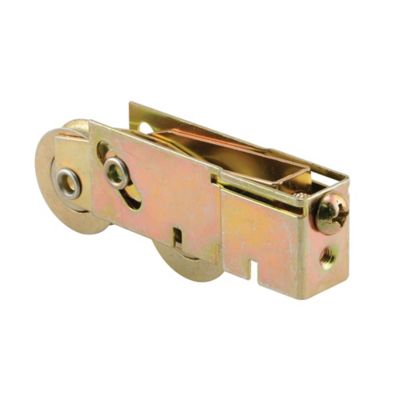
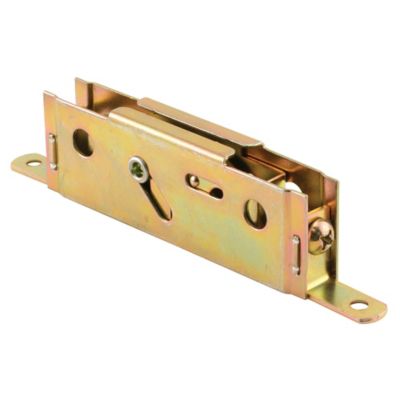
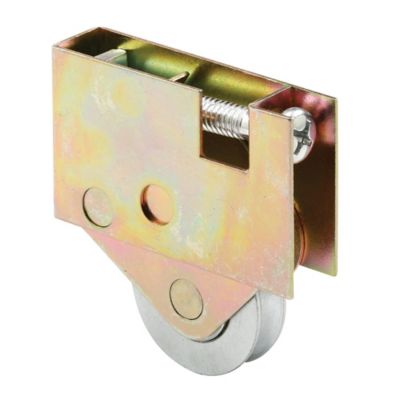
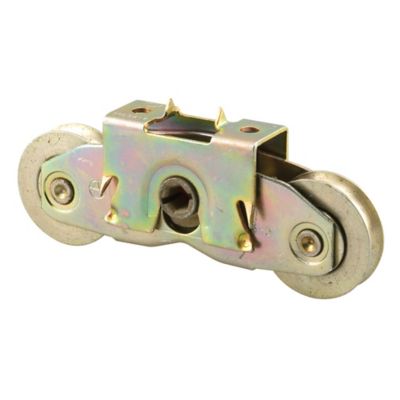
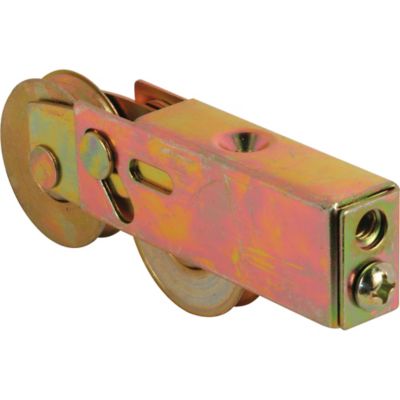
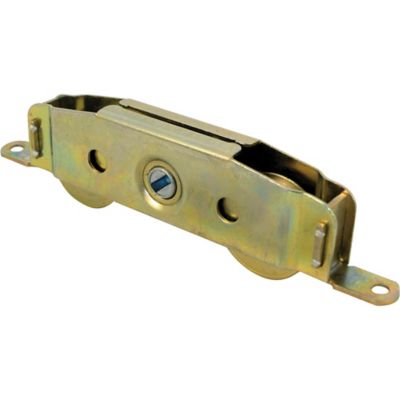
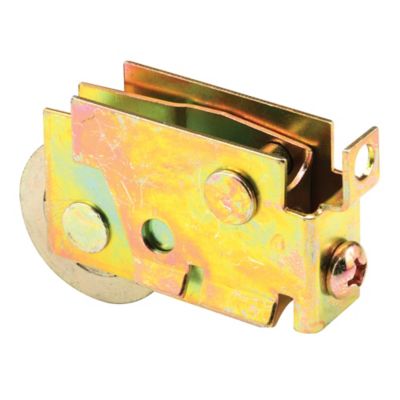
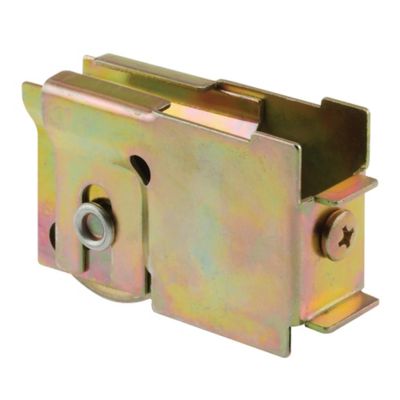
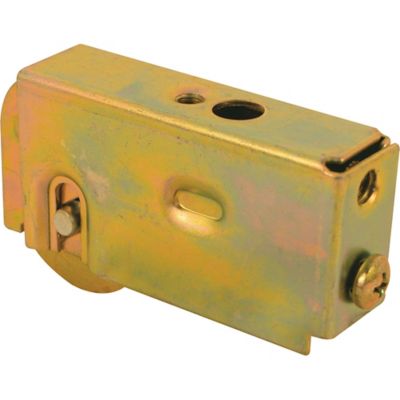
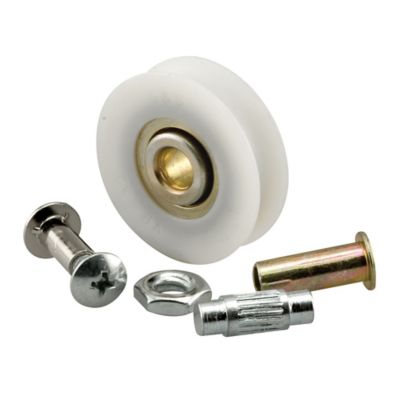
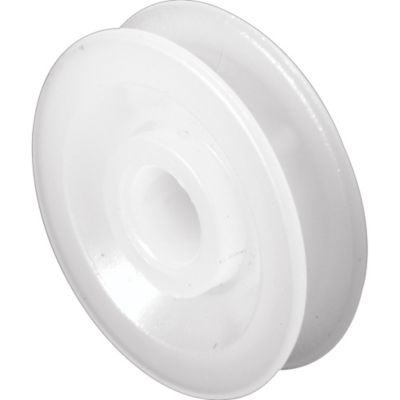
Sliding patio door roller assemblies support the moving door panel and let it travel along its track without dragging. Typically mounted near the bottom corners of the panel, each assembly combines a wheel or set of wheels with a housing that fits inside the door frame. Many designs also include an adjustment mechanism that changes the panel’s height, helping it sit squarely in the opening and meet the latch properly. These small working parts carry a substantial load, especially beneath a large glass panel, so the right match matters more than a passing resemblance. A door that takes a shoulder shove to open can turn a simple trip to the back porch into a chore, whether someone is carrying groceries, letting the dogs out or hauling in a basket of laundry. Worn rollers may develop flat spots, damaged bearings or uneven movement that makes the panel rumble, scrape or catch in the same place. Replacement sliding patio door roller assemblies address wear at the rolling mechanism, though a bent track, loose frame or damaged threshold can cause similar trouble. Single-wheel assemblies have one wheel in each housing, while tandem assemblies carry two wheels arranged together. Tandem designs distribute the load across two contact points, but wheel count alone does not establish a suitable weight rating or make one assembly interchangeable with another. Wheel shape matters, too: the running surface needs to match the track profile rather than simply fit inside the opening. A properly matched assembly helps the door move with a steady pull instead of a lift-and-shove motion. For homeowners, rental property caretakers and repair professionals, that makes roller hardware a practical part of keeping an everyday entry working as it should. The goal is a panel that rolls evenly, stays supported and closes into its intended position without being forced.
Fit begins with the whole assembly, not just the wheel diameter. Housing length, width and height determine whether the part seats correctly inside the door’s bottom rail. Mounting holes, tabs, screw positions and adjustment access also need to line up with the door’s construction. Two assemblies can look much alike on a workbench yet place the wheel at different heights or attach in entirely different ways. That difference can leave a panel sitting too low, scraping the threshold or failing to meet its latch. The dimensions and construction of the original assembly, along with the door manufacturer’s specifications, provide a firmer basis for comparison than the door’s overall appearance. Aluminum, vinyl and wood-framed sliding doors can have different roller arrangements, and frame material alone does not identify the right replacement. Wheel diameter, wheel width, axle position and the housing’s adjustment range all deserve attention. Materials influence how the mechanism handles its workload as well. Steel wheels and housings are common choices for load-bearing hardware, while some assemblies feature stainless steel components or finishes that help resist corrosion. Nylon wheels provide another rolling-surface option and may reduce running noise when paired with a suitable track. Neither metal nor nylon should be selected by material alone; the assembly’s rated capacity, bearing construction and specified application remain the deciding factors. A heavy glass panel needs hardware rated for that load, regardless of how sturdy a wheel looks in the hand. Bearing design also affects rolling resistance and maintenance requirements, with some mechanisms enclosed and others requiring care according to the manufacturer’s directions. Adjustment screws are useful for setting the panel’s position within the assembly’s intended range, not for making an incompatible part fit. For a straightforward repair, the strongest match is an assembly with the right dimensions, mounting arrangement, track contact and load rating. Getting those details right helps protect the surrounding door components from the extra strain that comes with dragging or uneven support.
Everyday care has a lot to do with how long sliding patio door roller assemblies keep turning freely. Grit, pet hair and small bits of debris can gather along the lower track, especially at an entry that sees work boots and frequent trips between the house and yard. Keeping that running surface clear reduces the material a wheel has to climb over or grind through. A clean track also makes it easier to spot dents, worn sections or other damage that replacement rollers alone will not correct. Lubrication depends on the assembly and door design; some bearings are sealed, and not every track or wheel calls for an added lubricant. Heavy oil or grease on an exposed running surface can collect dirt, so the door manufacturer’s care directions are a better reference than a general-purpose approach. Roller assemblies work alongside the wider family of
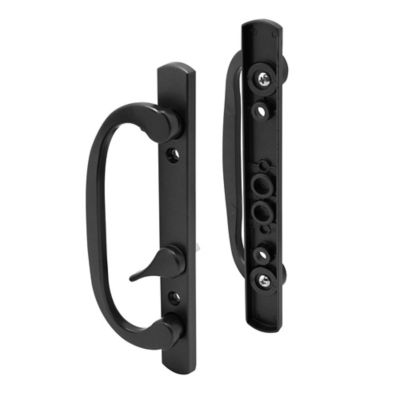
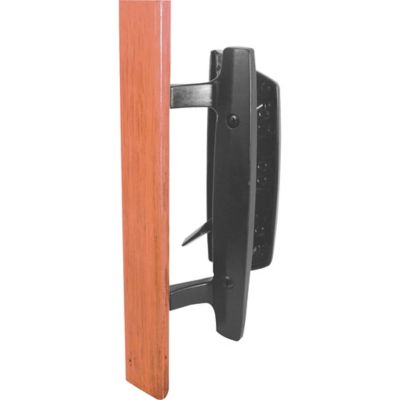
Hardware for Sliding Patio Doors, including the components that guide, latch and support the moving panel. Their condition affects one another: a panel riding unevenly can be difficult to latch, while a damaged track can shorten the service life of a replacement wheel. Both lower roller positions deserve consideration when wear becomes noticeable, since uneven support can leave the panel leaning or shifting as it moves. The lifting involved in roller replacement also deserves respect. Large glass panels are heavy and awkward, and removing one without proper support can damage the glass, frame or surrounding opening. Professional help makes sense when the panel’s weight, construction or removal method is uncertain. Once the correct hardware is fitted and adjusted, the useful result is simple: a door that follows its track, meets the frame evenly and opens without a wrestling match. For a busy household or a property with frequent foot traffic, properly matched roller assemblies help keep a familiar doorway ready for the next trip through.