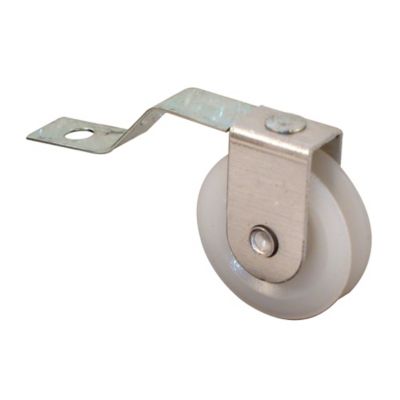
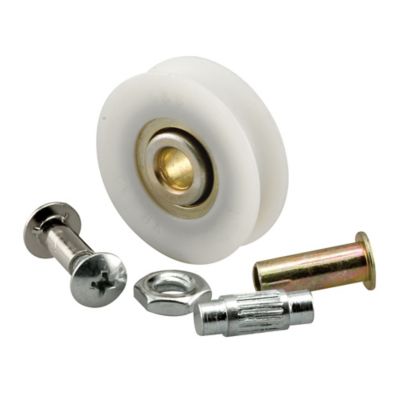
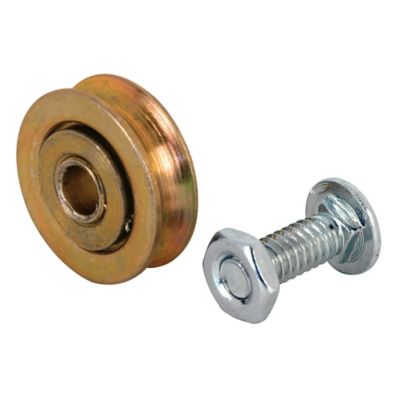
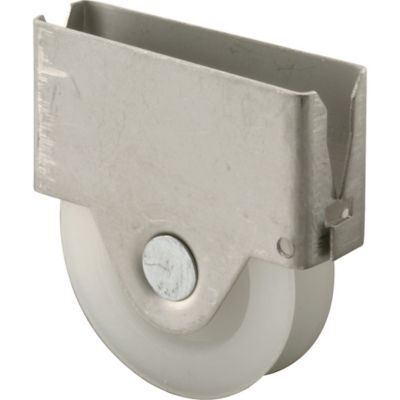
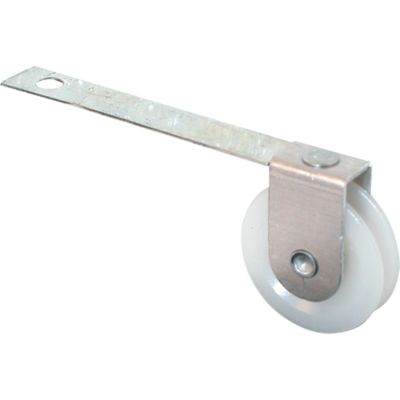
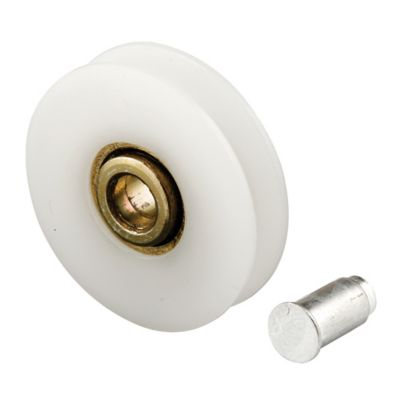
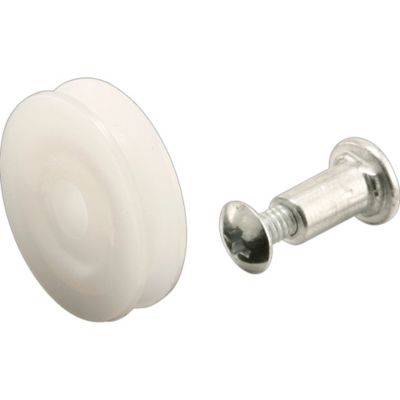
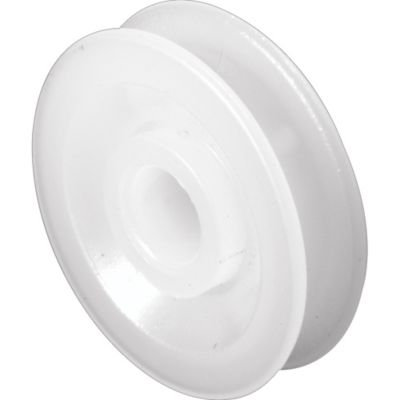
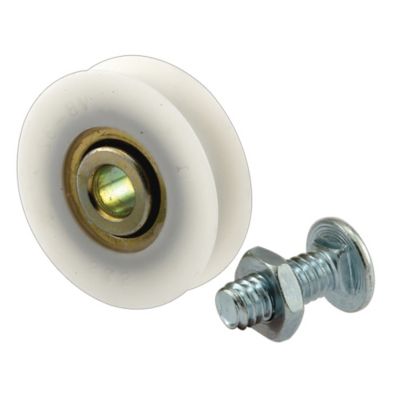
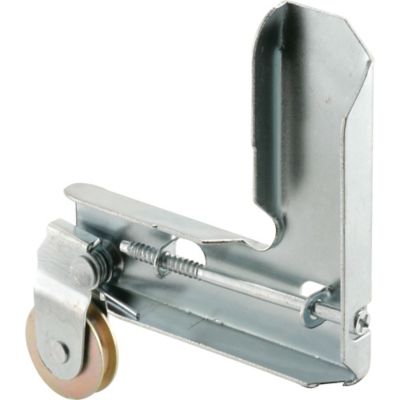
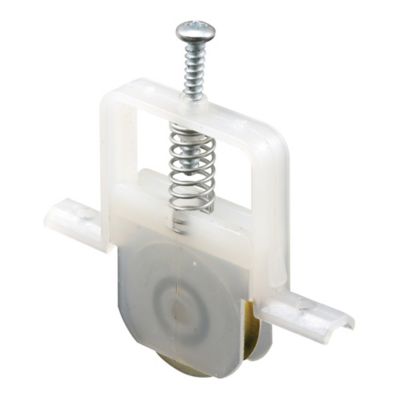
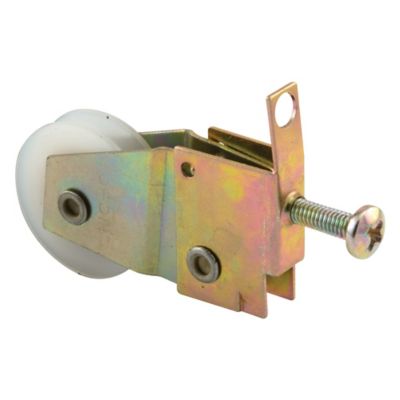
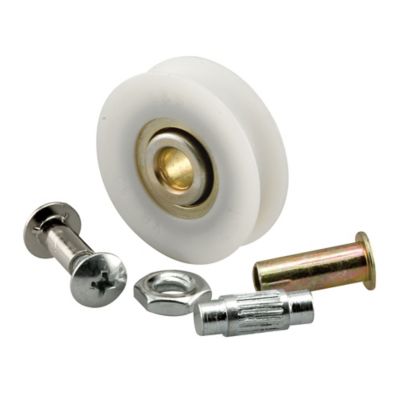
Nylon screen door rollers are small replacement wheels that help a sliding screen door travel along its track without dragging, catching, or needing a hard shove. Most fit into roller assemblies at the lower corners of the frame, though some door designs also have rollers or guides at the top. The nylon wheel provides the rolling surface, while a bracket, housing, axle, or spring holds it in position. That distinction matters when shopping: a replacement wheel addresses the wheel itself, while a complete roller assembly may also replace the supporting hardware. Nylon can help limit rolling noise and avoids rust on the wheel itself, but metal parts in the assembly still need attention. For a patio entrance, porch doorway, or screen opening off a mudroom, the right rollers make everyday trips easier, whether someone is carrying a laundry basket or stepping outside with a feed scoop. Fit starts with more than the wheel’s diameter. Common screen door wheel diameters include 7/8 inch, 1 inch, and 1-1/8 inches, but those measurements are examples rather than a guarantee of compatibility. Wheel width, axle opening, groove shape, and the dimensions of the surrounding assembly also matter. A center-grooved or concave wheel is shaped to ride on a matching track profile; a different edge shape may not seat properly, even when the diameter looks right. The track and roller work together, so matching the original wheel’s shape is just as important as matching its size. Nylon screen door rollers belong on doors designed for that type of hardware, not automatically on heavier sliding glass panels. Door weight, frame construction, and the manufacturer’s specifications help establish the appropriate replacement. A lightweight screen that moves freely should not require a roller intended for an entirely different door system. Looking closely at the existing hardware helps narrow the choices and keeps a simple repair from becoming a string of parts that almost fit.
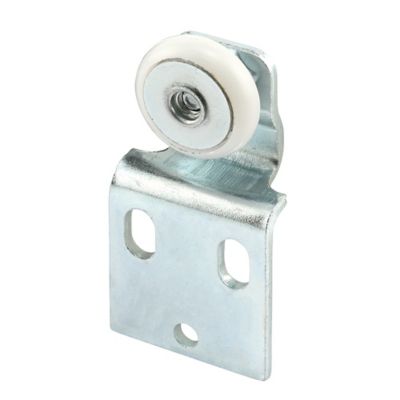
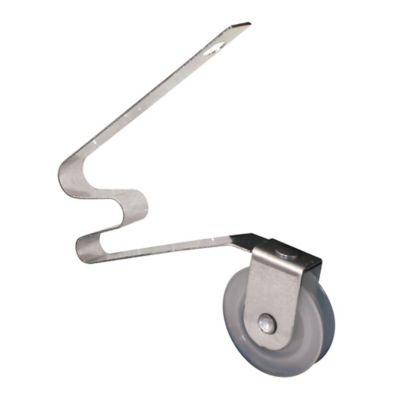
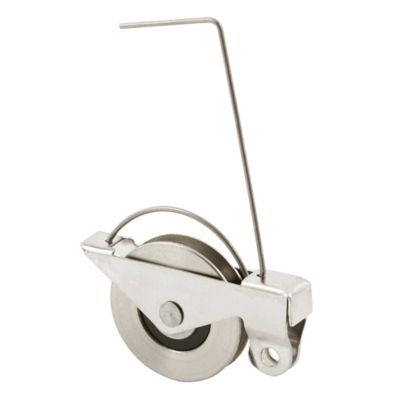
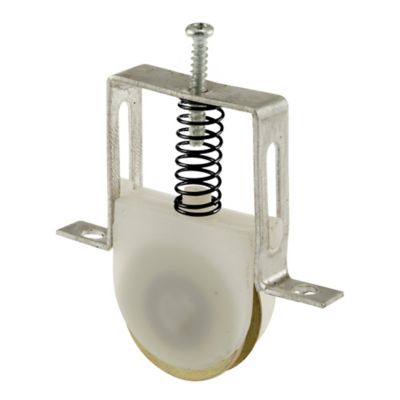
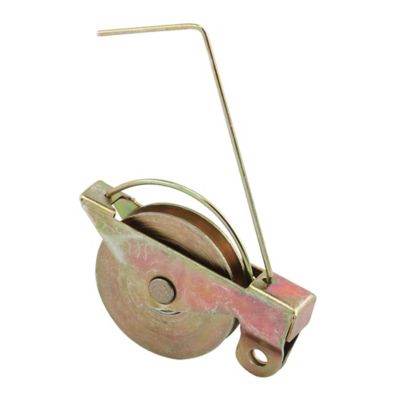
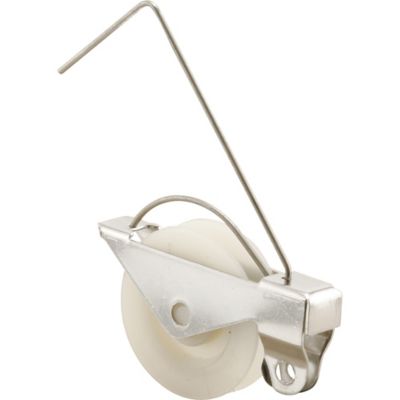
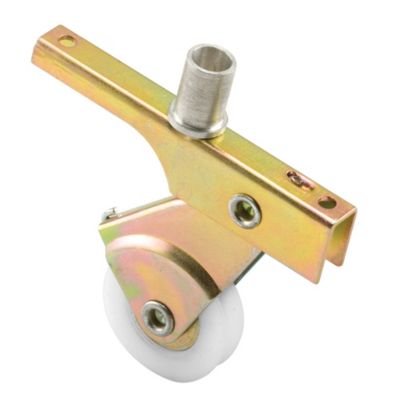
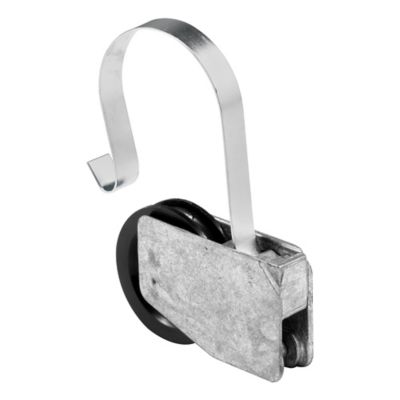
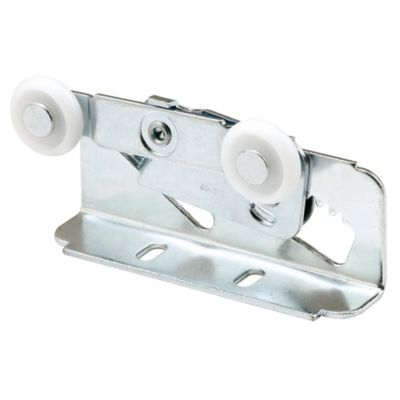
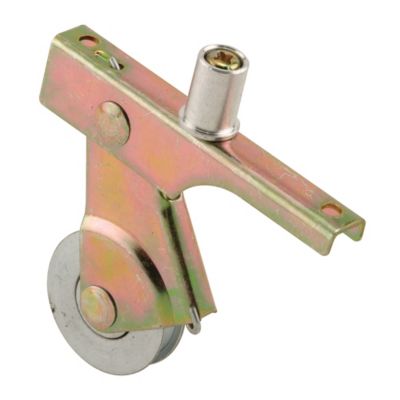
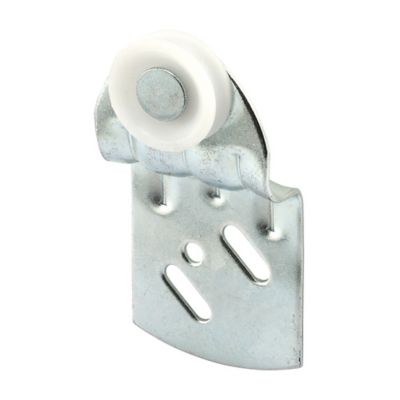
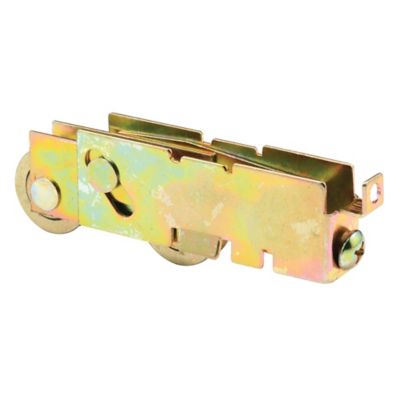
Screen door roller assemblies come in several configurations because door frames do not all hold their wheels the same way. Some assemblies have a spring-loaded arm that helps maintain contact with the track, while others use an adjustable bracket or a rocker-style mechanism. Mounting holes, attachment tabs, housing depth, and the position of the adjustment screw can determine whether an assembly fits into the frame and works as intended. Two rollers with the same wheel diameter may have very different mounting arrangements. A door that hangs up at one corner, rubs along the sill, or sits crooked in the opening may have a worn wheel, but it may also have a bent bracket, a damaged spring, or an adjustment problem. Choosing between a wheel and an assembly depends on the condition of those surrounding parts. For a closer look at the wheel side of the category,
Replacement Wheels For Sliding Screen Doors provides a related place to compare options. Many sliding screen doors have two lower rollers, and replacing both together is often worth considering when both show wear. A fresh wheel paired with one that barely turns can leave the door moving unevenly and put more strain on the replacement. That does not mean every door requires the same number or arrangement of rollers; the existing setup remains the reference. Fasteners deserve attention, too. Replacement hardware does not always include screws, and original fasteners may need to stay with the door if they are sound and suitable for the replacement. Screw length and thread type matter because a screw that is too long can interfere with movement or damage nearby frame material. In a narrow aluminum frame, there is little room for a housing that projects farther than the original. Matching the mounting details, not just the visible wheel, helps preserve the door’s adjustment range and keeps the screen aligned with its track and latch.
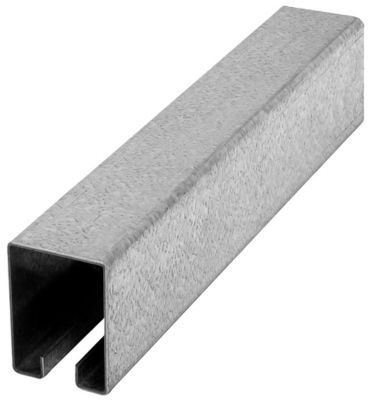
Care and track condition have a lot to do with how long nylon screen door rollers keep working smoothly. Fine grit, pet hair, grass clippings, and small pebbles can collect where the wheels travel. On a doorway near a gravel path or a busy backyard, that buildup may explain a rough patch in an otherwise smooth slide. A clean track gives the wheel a clear running surface and makes damage easier to spot. Nylon resists rust, but it can still wear, crack, develop a flat spot, or stop turning freely around its axle. A wheel that slides instead of rolls can wear quickly and leave the door harder to move. Metal housings and springs may also corrode or bend, so checking only the nylon portion can miss the reason a door keeps sticking. Lubrication needs vary by assembly, and any lubricant or cleaner should follow the door or hardware manufacturer’s recommendations. Heavy oil can collect dirt, and harsh solvents may harm plastic parts or finishes. Smooth travel also depends on a track that is straight and a frame that is square; new rollers cannot correct every dent, twist, or loose corner. If a screen catches at the same spot every time, the track deserves a look along with the wheels. For homeowners, rental property caretakers, and folks maintaining a farmhouse porch or patio entrance, these replacement parts are practical upkeep supplies rather than a change to the door’s appearance. They help restore the movement people expect from a screen door while keeping the existing frame and mesh in service when those parts are still sound. The best match allows the door to roll evenly, remain seated on its track, and meet the latch without being lifted or forced. Supporting the door safely during any work also protects the lightweight frame and screen fabric. A properly matched roller is a small part, but its fit, condition, and relationship to the track make a noticeable difference every time the door opens.