A shredder machine cuts paper into strips or small particles, helping keep sensitive information out of plain sight when documents are ready for disposal. Paper shredders serve a practical purpose at a kitchen desk, in a farm office or behind the counter at a small business, where account numbers, employee records and other private details can pile up with everyday paperwork. The main types are strip-cut, cross-cut and micro-cut shredders. Strip-cut machines slice sheets into long, narrow ribbons and generally provide less protection against reconstruction than machines that cut paper in two directions. Cross-cut shredders turn documents into smaller pieces, offering a practical balance of document security and processing speed for many households and offices. Micro-cut shredders produce finer particles for paperwork that calls for greater protection. Those names describe the cutting style, but the machine’s stated paper security rating gives a more specific measure of the resulting shred size. Under the DIN 66399 system, paper security levels run from P-1 through P-7, with higher numbers indicating smaller pieces and tighter size requirements. Strip-cut models commonly fall at the lower end, while cross-cut and micro-cut designs cover higher levels depending on their specifications. The label alone does not establish the security level. A home office clearing out old statements may have different needs from a business handling personnel files or financial records, and some workplaces have document-destruction requirements that go beyond ordinary household disposal. Shredding makes information harder to recover, but it does not replace sensible record retention or secure handling before disposal. Around a working property, that might mean keeping tax paperwork in its proper file while shredding duplicate copies that no longer need to stay on hand. The value is straightforward: less readable information in the wastebasket and a more manageable way to deal with paper that has reached the end of its purpose.
How well a paper shredder fits the job depends on more than its cut style. Sheet capacity describes how many sheets the machine can accept at once under the manufacturer’s stated conditions, often based on a particular paper weight. Thick forms, folded pages and heavy paper can put a different load on the cutters than ordinary printer paper. A machine suited to a few envelopes and statements at a household desk may not suit an office clearing a tall stack of files. Run time matters here, too: some shredders operate for a limited stretch before needing a cooling period, while others are designed for longer sessions. Sheet capacity, operating speed, run time and cooldown time work together to determine how comfortably a machine handles the workload. Feed-opening width also affects convenience, especially when paperwork includes pages larger than standard letter size. Manual-feed designs keep the operator close to the task, while automatic-feed designs can process a stack within their stated limits. Bin capacity influences how often the shredded paper needs emptying, and a pull-out bin can be easier to manage than a design that requires lifting off the cutting head. Clear bin windows or fill indicators help show when the container is getting full. Physical fit deserves a look as well. A compact shredder may tuck beside a desk, while a larger cabinet-style machine needs enough floor space for ventilation, access and bin removal. Casters can help with repositioning on a suitable surface, but the machine still needs a stable place to operate. Noise is another consideration in a shared room, particularly where phone calls, bookkeeping and shredding happen near one another. Automatic start and stop, overload protection, jam controls and bin-open sensors are features worth comparing against the setting. For someone managing household bills, ranch records or a small office, the right combination is one that matches the actual paper load without making every cleanup feel like another chore.
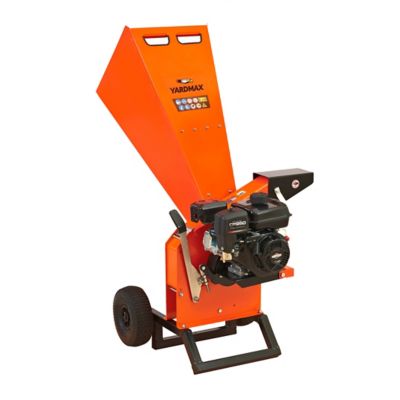
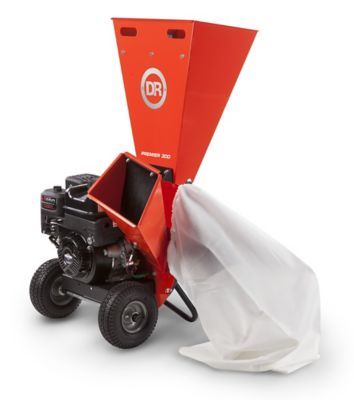
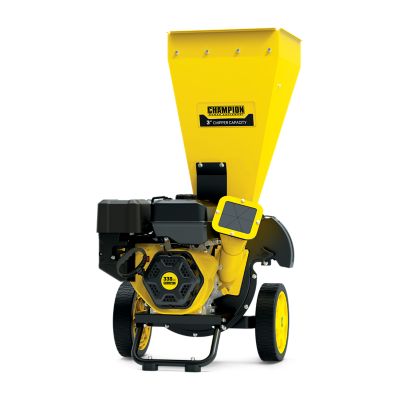
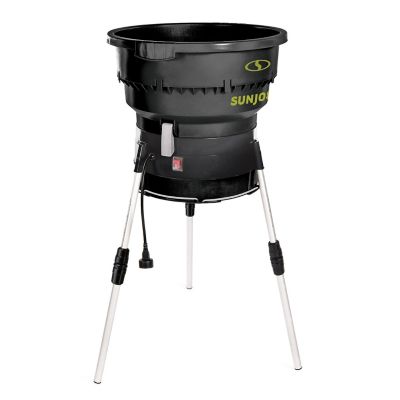
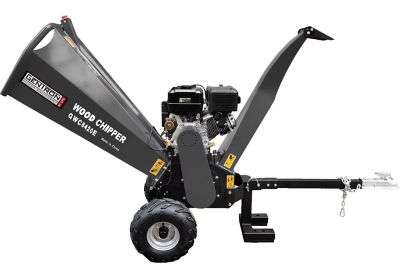
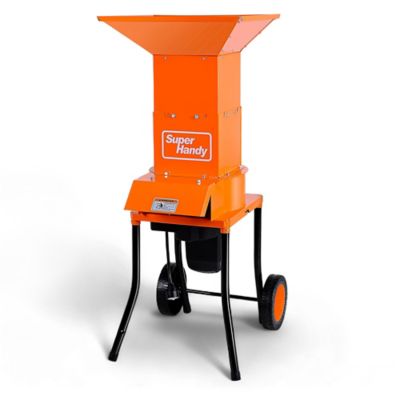
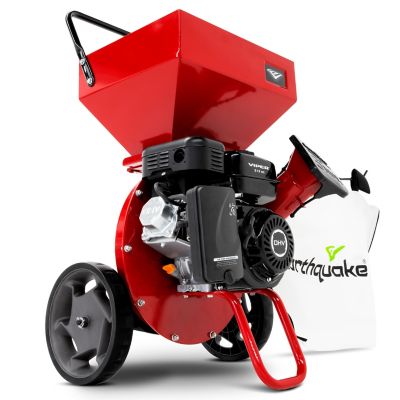
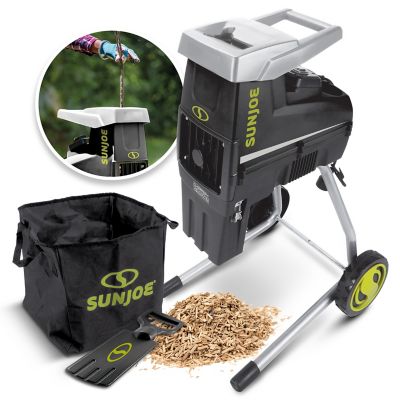
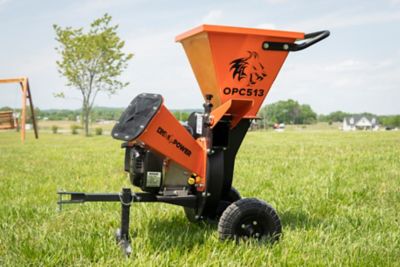
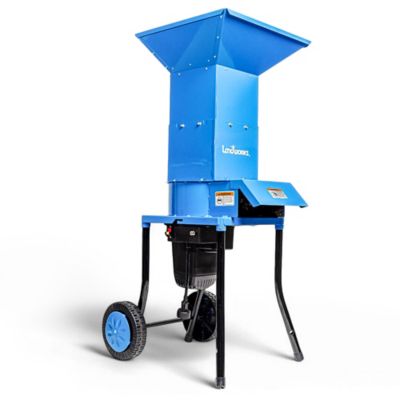
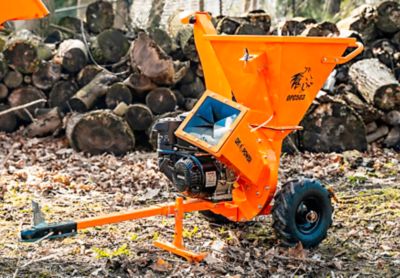
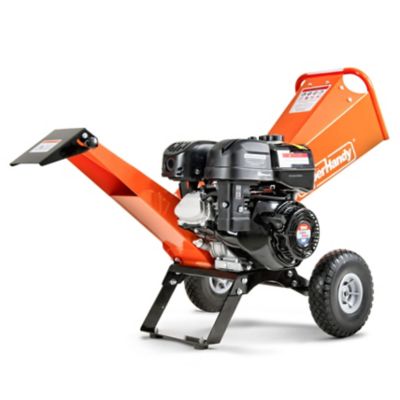
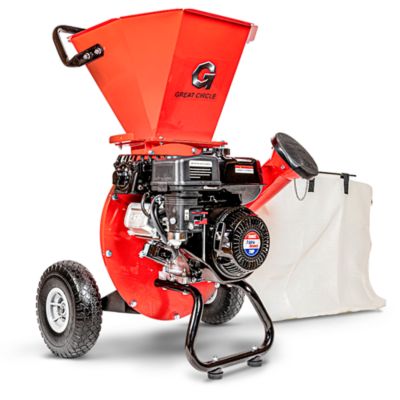
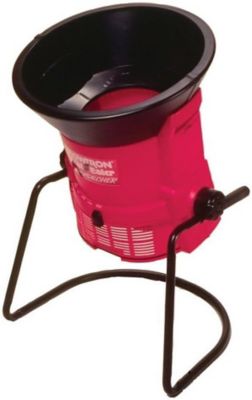
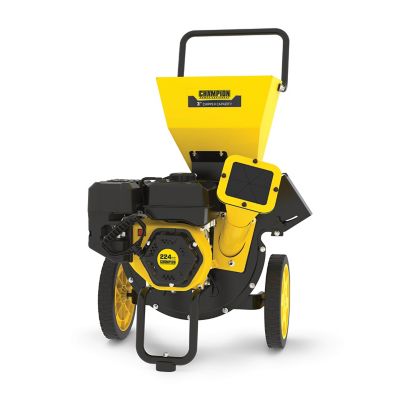
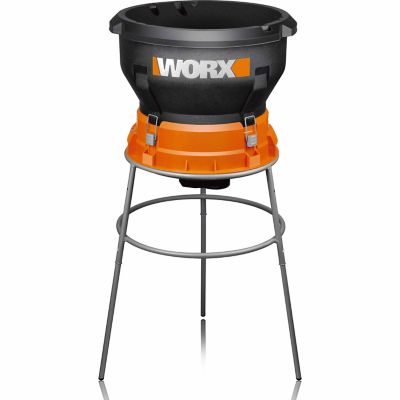
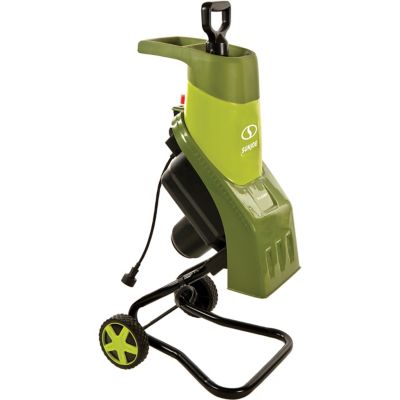
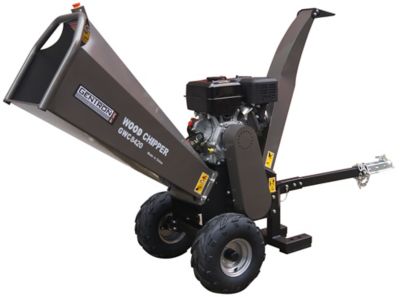
Materials, construction and routine care all play a part in a shredder’s working life. Cutting assemblies commonly contain steel components, while housings and collection bins may be plastic, metal or a combination of materials. The outer cabinet helps contain the shredded paper, but motor design, cutter construction and operating limits matter just as much as the feel of the shell. Paper-only machines should not be treated as all-purpose disposal equipment. Some shredders accept staples, certain paper clips, payment cards or optical discs, but those capabilities vary, and a separate feed slot may be required for particular materials. A paper security rating does not establish the destruction standard for cards or electronic media. Adhesive labels, padded envelopes and other materials outside a machine’s specifications can cause trouble even when they seem thin enough to fit through the opening. Manufacturer-recommended lubrication, whether through an approved oil or lubricating sheet, can help keep the cutting mechanism running as intended. Keeping the bin from becoming overfilled also leaves room for shreds to fall away from the cutters instead of collecting beneath them. Clearing a jam or cleaning around the cutting head calls for the machine to be unplugged and handled according to its instructions; fingers and tools do not belong near powered cutters. Loose sleeves, jewelry and long hair need to stay clear of the feed opening, and a shredder belongs out of reach of children and pets. For a home office next to a busy mudroom or a work desk shared by several people, placement and access are as important as capacity. Disposal needs some thought, too, because local recycling programs differ on whether they accept shredded paper and how it must be contained. Document shredders belong to a different equipment category from machines that break down yard material. For leaves and garden cleanup rather than private paperwork,
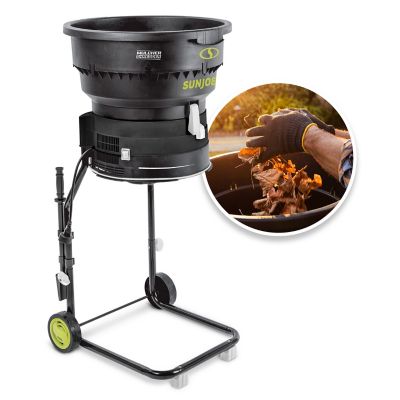
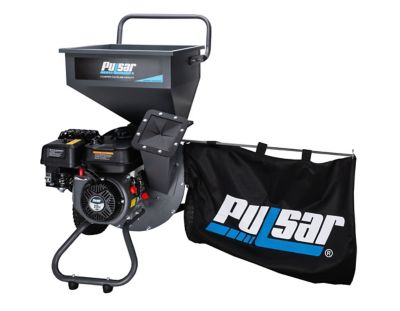
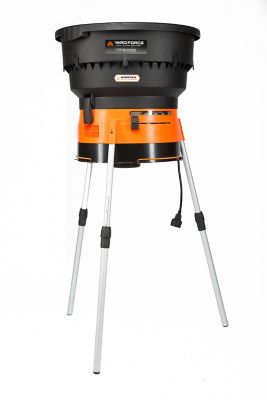
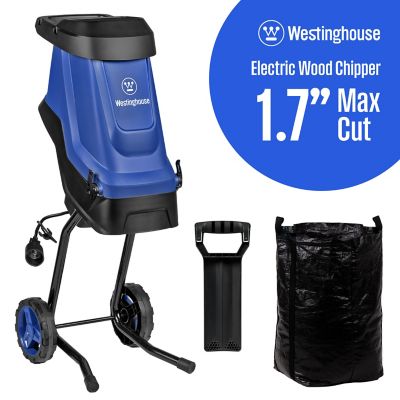
Leaf Shredders are designed around that outdoor task. Matching the machine to the material helps keep both office cleanup and property work on the right track.