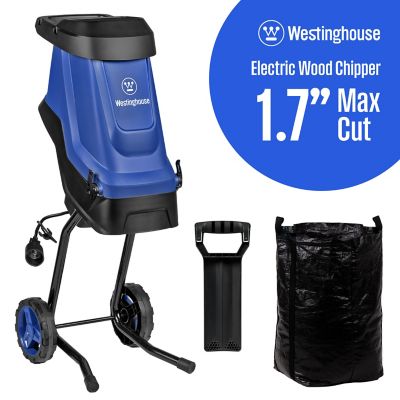
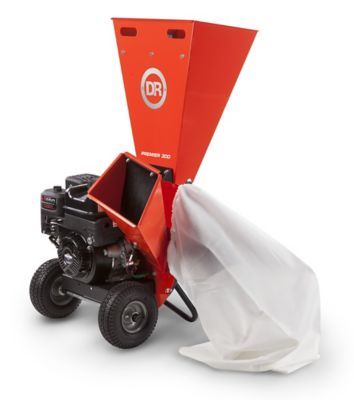
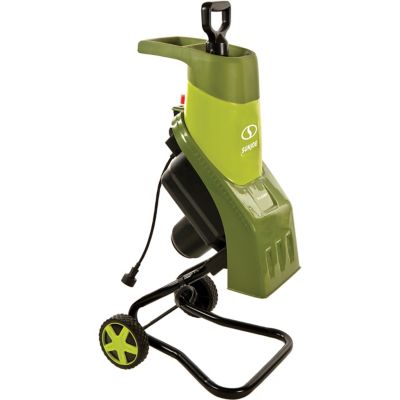
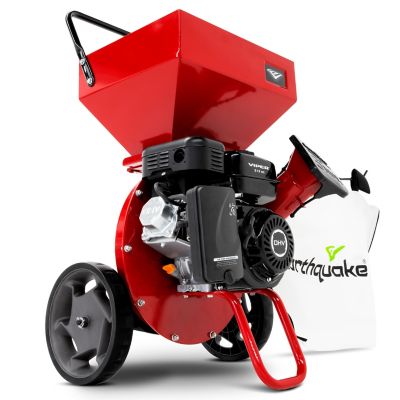
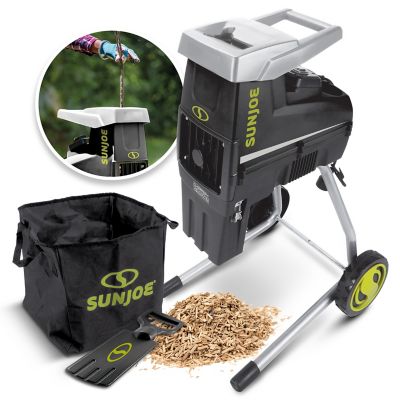
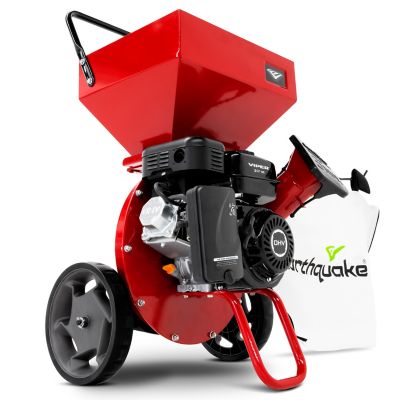
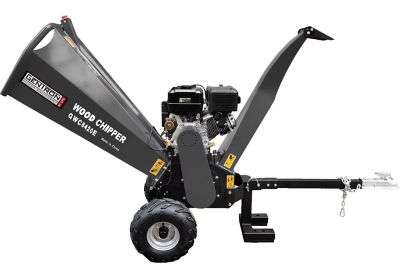
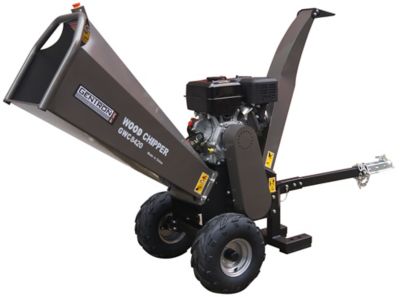
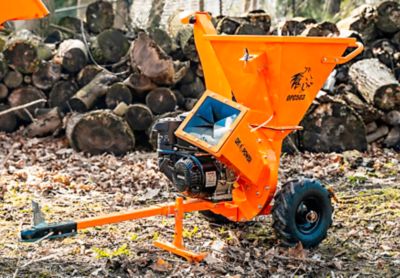
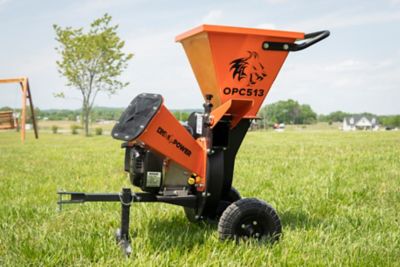
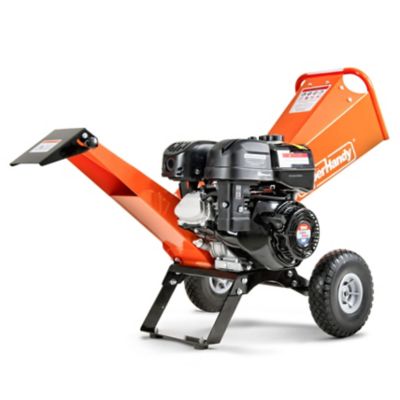
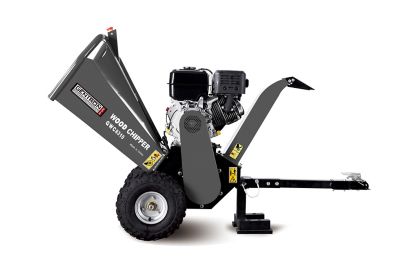
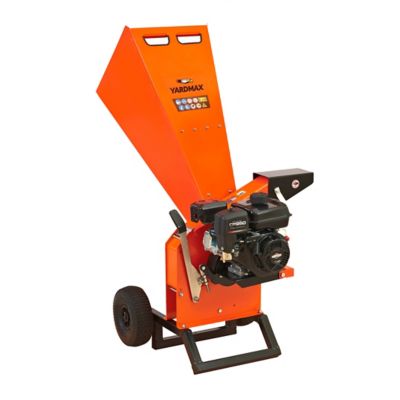
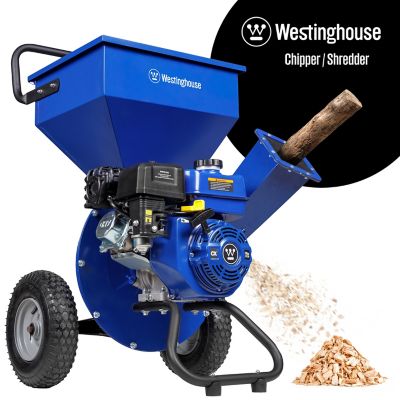
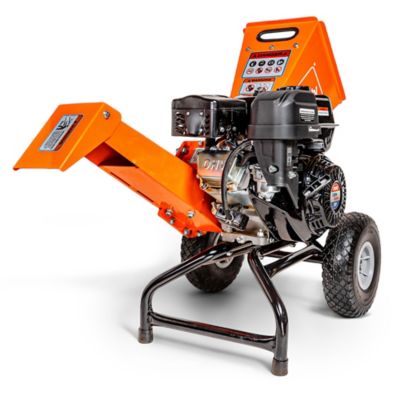
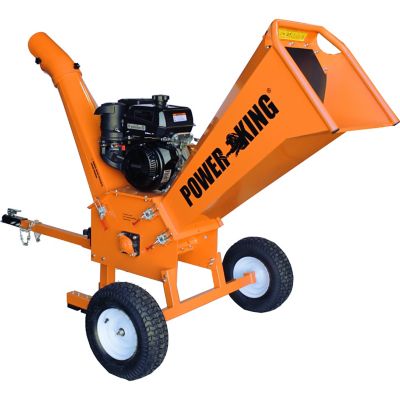
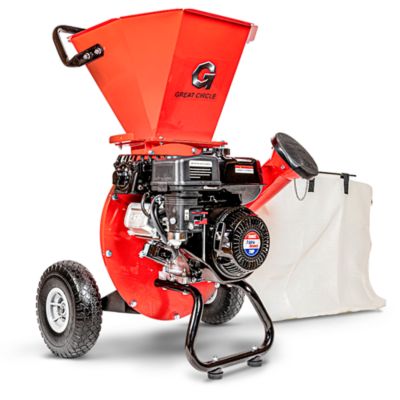
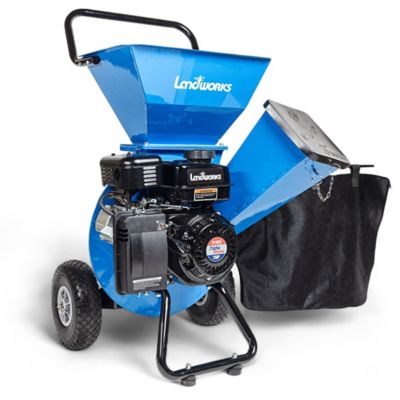
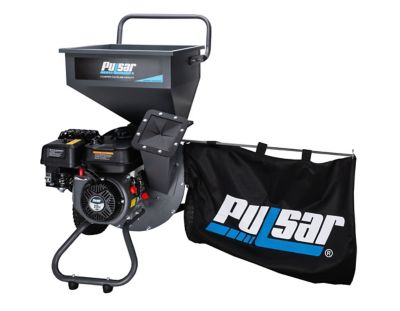
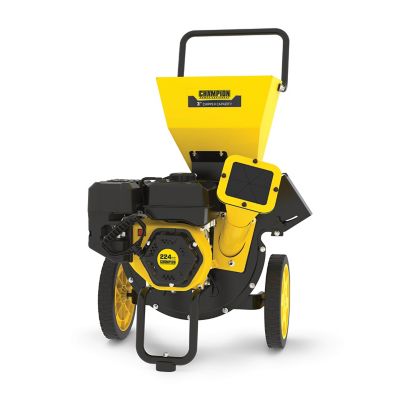
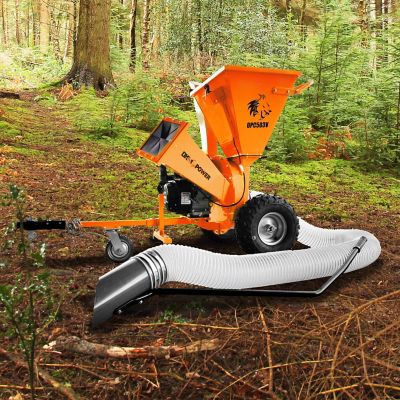
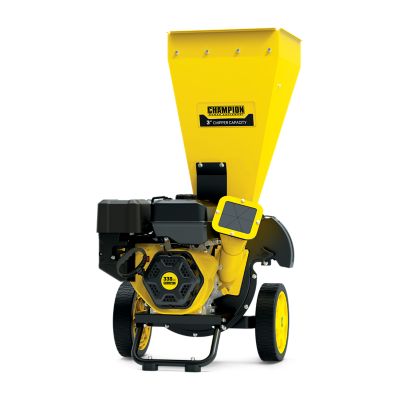
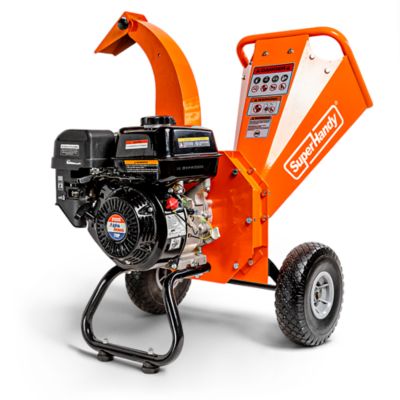
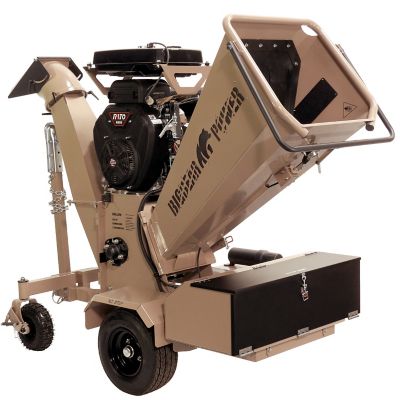
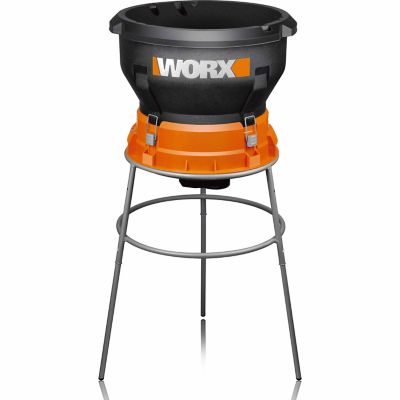
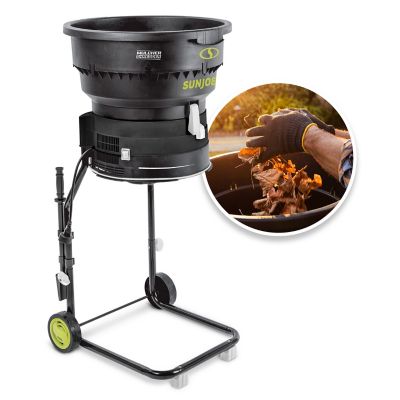
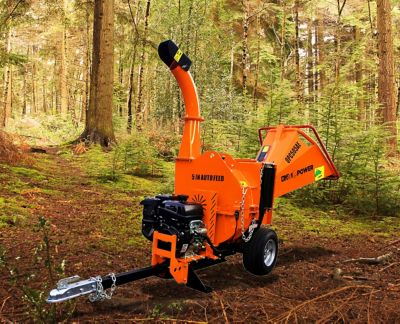
Wood shredders turn suitable branches, brush and woody yard debris into smaller pieces that are easier to collect, spread or compost. Often called chipper-shredders, these machines can help keep pruning piles from taking over the space beside a barn, shed or garden. The terms chipper and shredder describe different jobs: a chipper cuts branches into chips, while a shredder breaks down lighter material into finer pieces. A combination machine may handle both, often through separate feed openings, but its permitted materials and branch capacity depend on its design. For homeowners with trees and shrubs, acreage owners clearing fence lines, and gardeners managing regular pruning, that distinction matters more than the name alone. A pile of leafy twigs calls for different equipment than a stack of thick limbs. Corded electric wood shredders generally suit lighter work within reach of an appropriate electrical connection. They have no gasoline engine to service, though their cutting mechanisms still need attention and their operating noise still calls for hearing protection. Gas-powered machines offer freedom from a power cord and can suit cleanup farther from buildings, provided their cutting capacity matches the material. Tractor-powered equipment may fit properties where a compatible tractor already handles other chores. The best match starts with the actual debris: its diameter, hardness, shape and volume. A machine’s maximum branch diameter is an operating limit, not a promise that every crooked limb or knot will pass through easily. Dense wood, forks and tangled brush can be more demanding than straight branches of the same thickness. For recurring cleanup around an orchard, along a driveway or behind a workshop, manageable feeding and convenient collection can matter just as much as engine power. Turning a sprawling brush pile into a contained load of chips makes it easier to reclaim working space without hauling every branch away whole.
The way a wood shredder is built affects how it fits into everyday property work. Steel frames and housings support the cutting assembly, while hardened cutting blades or other shredding components do the processing. Blade condition, access for service and the construction of the feed chute all deserve attention because woody debris puts repeated stress on the machine. Horsepower alone does not describe performance; the cutting mechanism, rated capacity and feed arrangement also shape what the equipment can handle. A dedicated branch chute may help direct limbs toward the chipper, while a wider hopper on some combination machines accepts approved lighter material. A large opening does not mean oversized wood belongs inside it. Discharge placement matters, too, especially when chips need to land in a collection area rather than scatter across a walkway. Some designs work with collection bags, while others discharge directly onto the ground; any attachment needs to match the equipment. Wheels, handles and overall weight influence whether moving the machine from a shed to the work area feels manageable. Towable designs require a compatible connection and attention to their towing limits, and tractor-powered designs require matching power takeoff specifications and properly fitted shielding. Corded machines need an outdoor-rated extension cord of the length and wire gauge specified by the manufacturer, along with the required electrical protection. Gas engines must operate outdoors, away from enclosed spaces where exhaust can collect. Whichever power source fits the property, operation belongs on a firm, level surface with room around the feed and discharge areas. Eye protection, hearing protection, sturdy footwear and fitted clothing are part of the job. Guards and safety devices should remain in place, and hands never belong inside a feed opening. Children, pets and bystanders need to stay outside the manufacturer’s stated safety zone. If material jams, shutting down and following the prescribed isolation procedure comes before any clearing work. Feeding habits and a sensible work layout help keep a steady cleanup session from becoming a struggle with tangled branches.
What comes out of a wood shredder can be useful around the property, but the result depends on what goes in. Chips from suitable, untreated wood can serve as surface mulch around established trees and shrubs, with space left around trunks and stems. They can also cover appropriate garden paths or join a compost pile as a carbon-rich ingredient. Wood breaks down slowly, so chip size, moisture and the balance of other compost ingredients affect the process. Fresh wood chips generally make more sense on the soil surface than mixed directly into planting soil, where decomposition can temporarily tie up nitrogen. Painted or treated lumber, fence wire, nails, stones and other foreign material do not belong in a yard-debris machine. Material showing signs of pests or disease may need a different disposal method rather than spreading through planting beds. If the main task is reducing loose leaves instead of processing branches,
Leaf Shredders offer a related equipment category worth considering. Wood shredders and leaf-focused machines are not interchangeable simply because both reduce debris; each has its own permitted feed materials. Long vines and stringy stems can also create trouble unless the equipment is designed to handle them. Keeping a wood shredder ready for repeated work means paying attention to blades, fasteners, guards and any collection components. Cutting parts that are dull or damaged can make feeding harder and affect the finished material. Electric machines still need inspection and cleaning, while gas engines add maintenance such as oil changes, air-filter checks and fuel care according to their manuals. Before maintenance, the machine needs to be shut down, isolated from its power source and allowed to stop completely. Clearing residue through approved access points and storing the equipment in a dry, sheltered place help protect its working parts. For a small yard or a working acreage, wood shredders are most useful when their capacity, power source and upkeep requirements fit the debris that regularly needs handling.