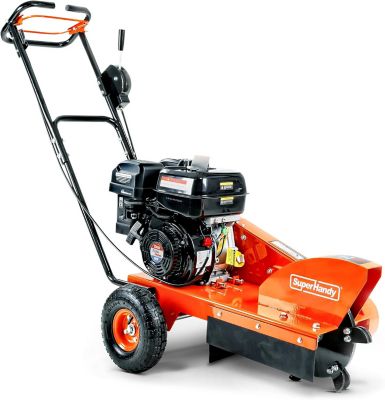
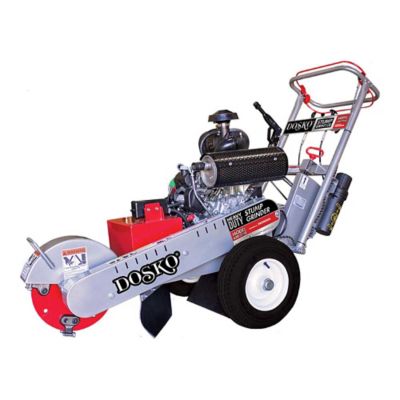
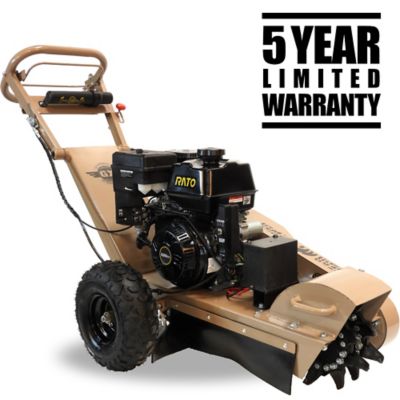
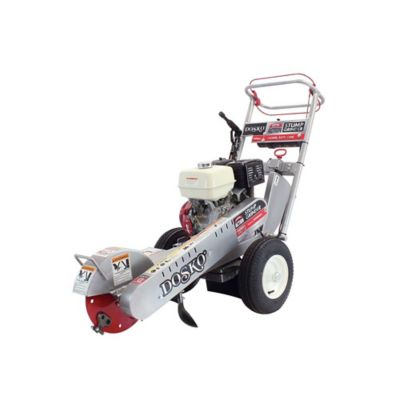
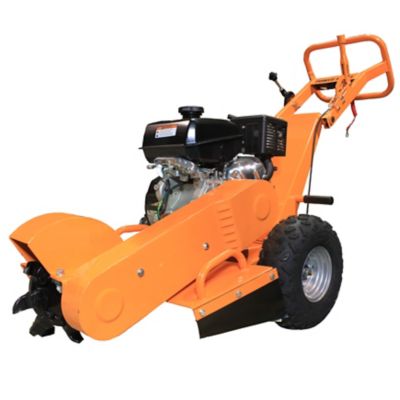
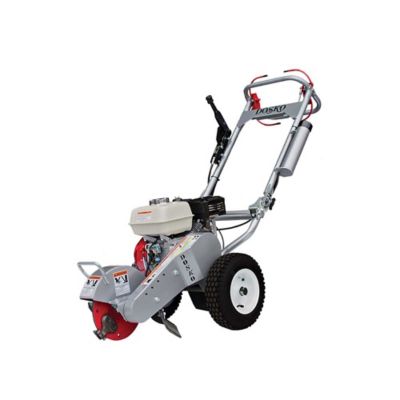
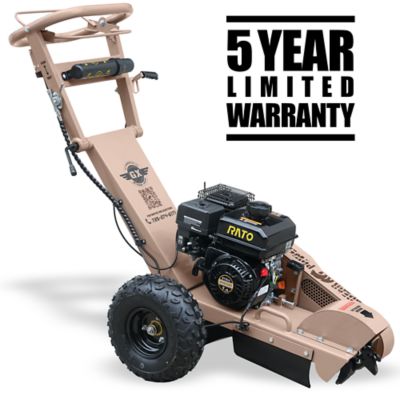
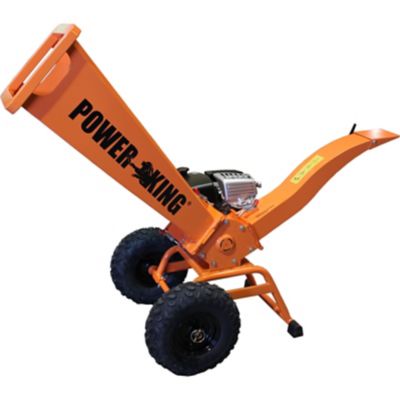
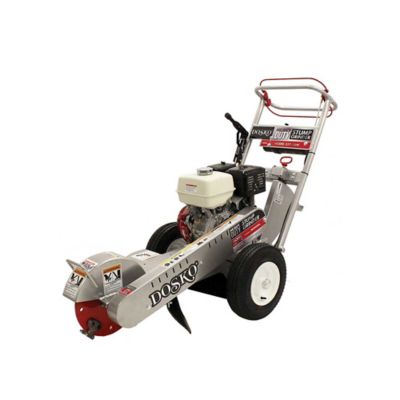
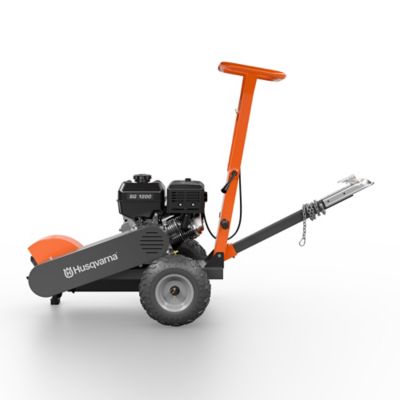
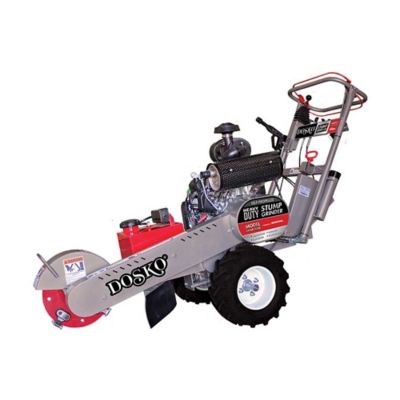
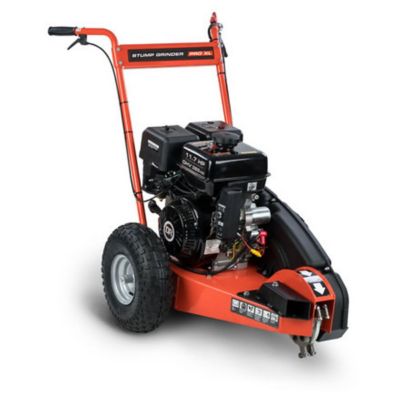
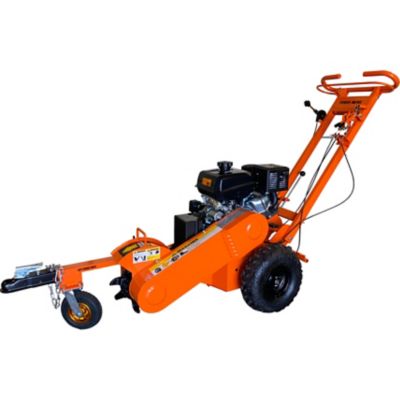
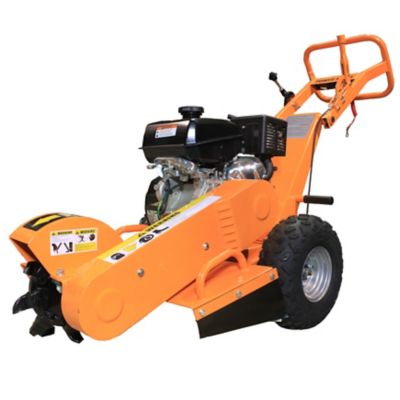
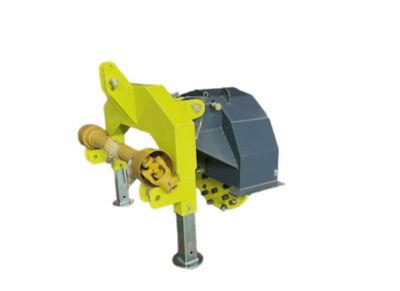
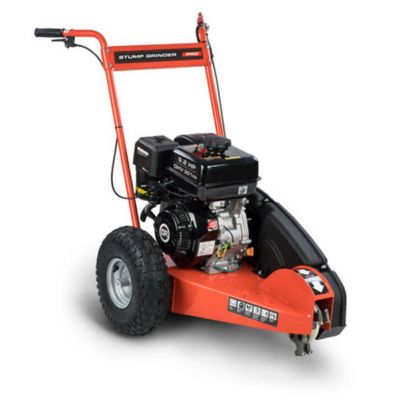
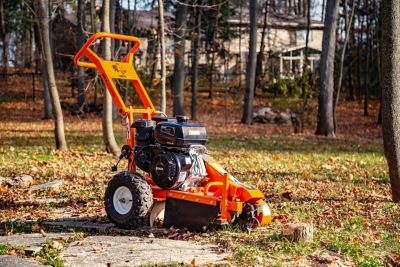
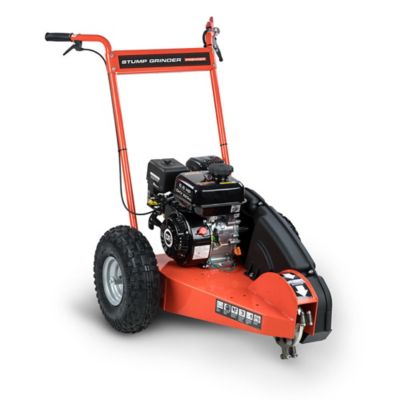
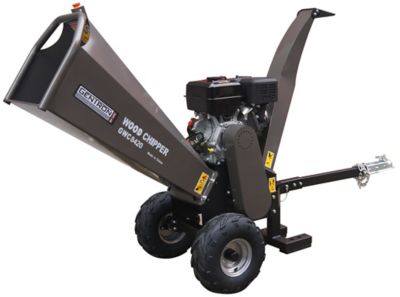
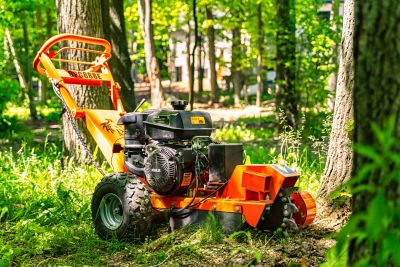
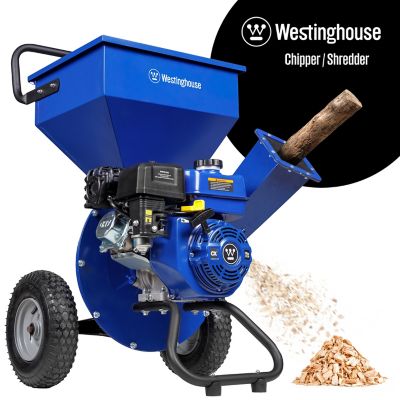
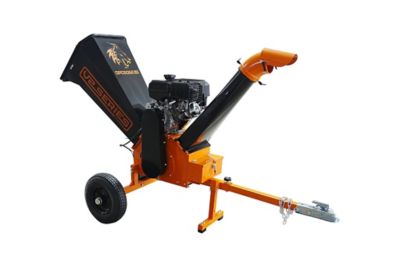
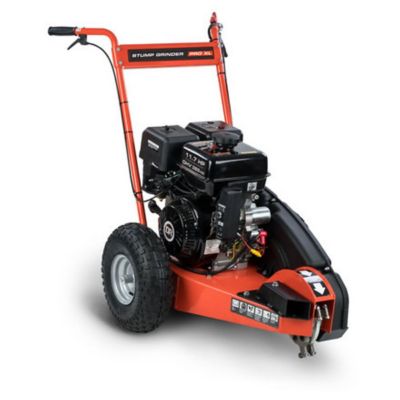
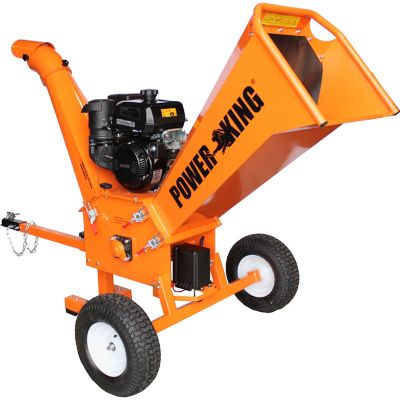
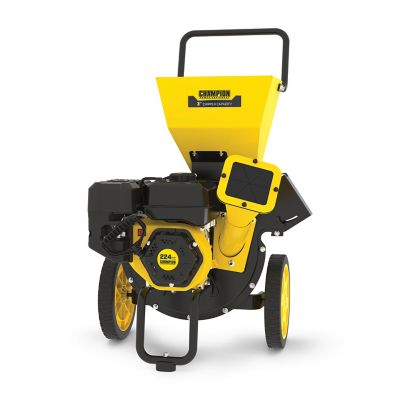
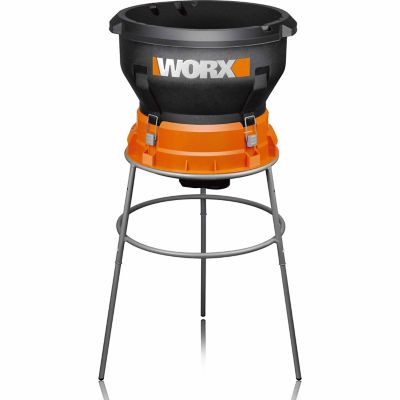
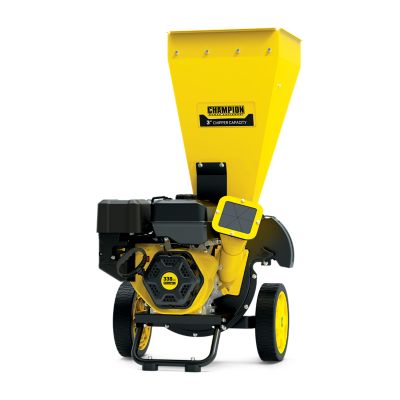
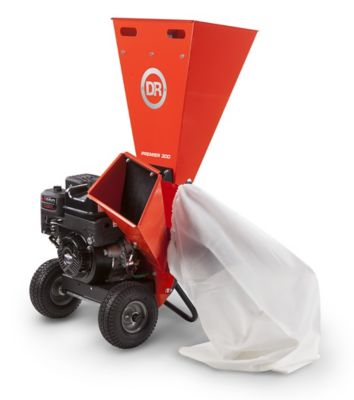
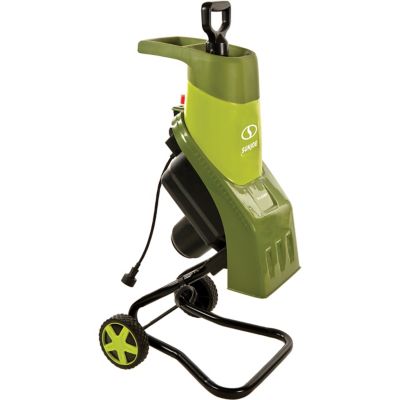
Tree grinders are heavy-duty machines used to turn trees, brush, stumps and other wood waste into a more manageable material. Depending on the machine, the finished material may be used as mulch, compost feedstock, animal bedding material, boiler fuel or biomass fuel. For landowners, tree services, farmers, contractors and property maintenance crews, grinding can be a practical way to handle storm debris, overgrown fence lines, fallen trees and piles of limbs left behind after clearing work. Instead of hauling every log and branch away, a grinder reduces bulky wood into chips or fiber that is easier to move, spread or process. The right equipment depends on the material being handled and the scale of the job. Horizontal grinders feed wood through the machine from the side and are well suited to high-volume work such as land clearing, pallet recycling and municipal yard waste processing. Tub grinders use a large rotating tub to drop whole trees, heavy brush and other challenging material onto a hammermill below. These larger machines are commonly found on commercial forestry sites, large farms, recycling yards and municipal properties where steady production matters. Stump grinders are a different type of tree grinder altogether. They are built to work on the stump and root flare left after a tree has been cut down, grinding the remaining wood below ground level so the area can be filled, graded or replanted. Portable stump grinders may be walk-behind machines, tow-behind units or attachments designed for skid steers and similar equipment. A smaller grinder can be a useful choice for a property owner with several stumps to remove, while a larger attachment or commercial machine may make more sense for a contractor handling repeated jobs across several properties. Browse
Portable Stump Grinders when a compact, movable option fits the work at hand.
Choosing among tree grinders starts with taking a close look at the job site and the material. A machine intended for small stumps will not handle whole trees in the same way as a tub or horizontal grinder, and a high-capacity grinder may be more equipment than a homeowner needs for occasional cleanup. Consider the diameter and species of the wood, how many stumps or trees need attention, and whether the material is wet, tangled, dirty or mixed with rocks and soil. Hardwood, large root balls and stringy brush can put a greater load on cutting teeth, hammers, belts and engine components. A machine with a wider opening and stronger feed system may help keep larger jobs moving, while a more compact unit can be easier to transport through a gate or around a house, barn or outbuilding. Portability matters on rural properties where a grinder may need to travel along uneven ground, between rows of trees or down a long gravel drive. Check the machine’s overall width, weight, ground clearance, tire setup, towing requirements and whether the site has enough room for safe operation and chip discharge. Power source is another key consideration. Gas-powered units offer flexibility in areas without convenient electrical service, while attachment-style grinders allow owners who already have compatible equipment to use existing hydraulic power. Look at cutting depth, feed capacity, discharge direction, operating controls, replacement tooth availability and routine service needs before making a choice. Grease points, belts, filters, cutter wheels and hydraulic lines all deserve regular attention, especially when the grinder is used around dusty fields or rocky ground. Before grinding, clear away wire, fencing, metal, stones and other hidden debris that can damage the machine or become dangerous projectiles. Operators should wear the recommended protective equipment, keep bystanders and pets well away from the work area, and follow the equipment manufacturer’s instructions for transport, startup, shutdown and maintenance. A careful setup often saves more time than rushing into the first stump or brush pile; marking buried utilities, checking overhead limbs and planning where the chips will land can make the whole job smoother.
Tree grinders are useful for more than cleanup after a single tree comes down. A landowner may use a stump grinder to reclaim a corner of pasture where old trees have left trip hazards, clear space beside a driveway or prepare a spot for a shed, garden bed or new fence. A tree service may use a portable unit to finish jobs neatly after removing storm-damaged trees, while a landscaping crew may grind stumps before reshaping a lawn or installing a planting area. Farmers and ranchers can use larger grinding equipment to manage brush along field edges, shelterbelts and access roads, provided the machine is suited to the material and operated on stable ground. Contractors involved in site preparation, utility work and land clearing may choose horizontal or tub grinders for steady, high-volume processing of whole trees, limbs and brush. The resulting mulch can help cover walking paths, reduce bare soil and give planting beds a finished look, although the material should be used according to the needs of the landscape and allowed to age when appropriate. Some buyers choose tree grinders as part of a broader equipment setup, pairing them with trailers, loaders, chainsaws, protective gear and material-handling tools. For a property owner who regularly manages woodland edges or storm cleanup, a portable grinder can be a practical long-term investment rather than a one-time purchase. Others may find that renting or hiring a trained operator makes more sense for a large, occasional project, particularly when transportation, maintenance and storage would be difficult. During the cooler months, fallen limbs and dead trees may be easier to spot after leaves drop, and clearing work can open up access before wet ground or spring growth returns. Whatever the season, match the grinder to the wood, the terrain and the amount of material involved. With the right size, cutting system and setup, tree grinding can turn a rough pile of debris or an awkward stump into useful material and a cleaner, safer piece of property.