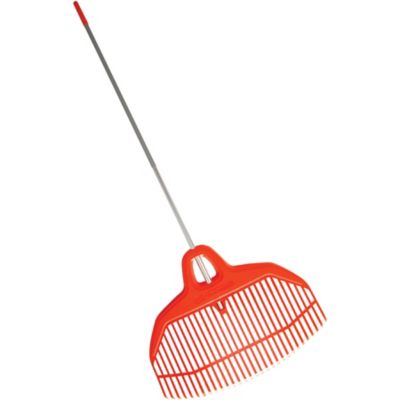
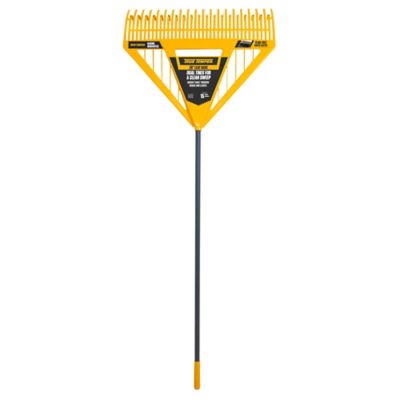
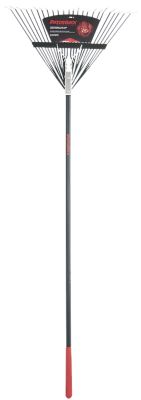
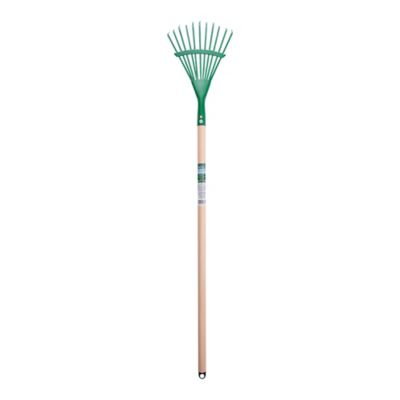
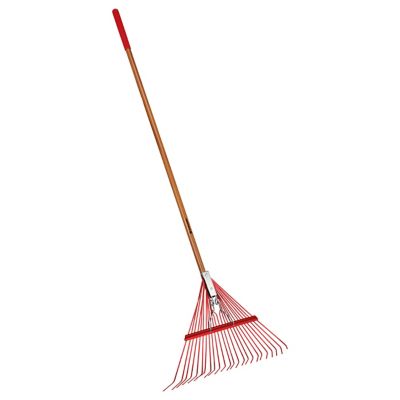
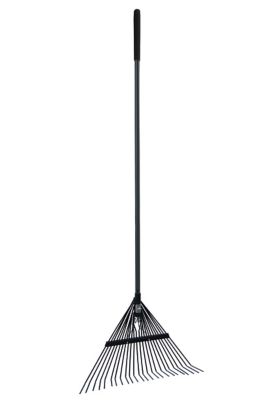
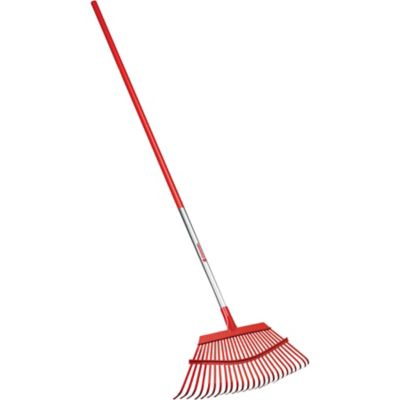
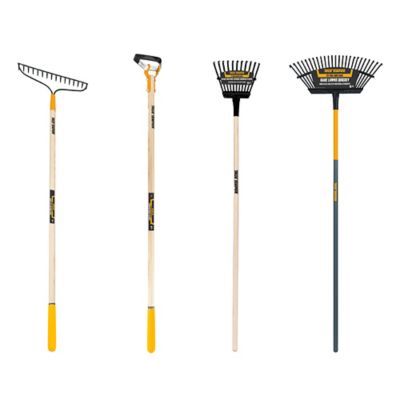
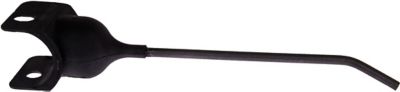
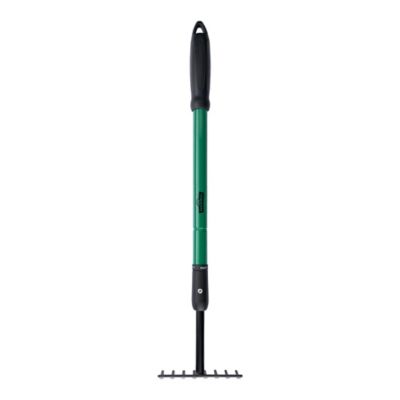
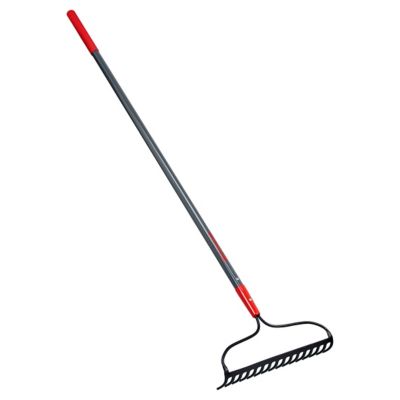
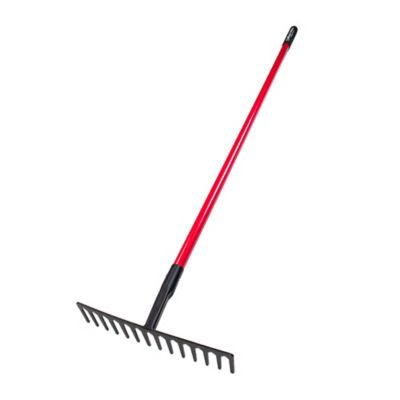
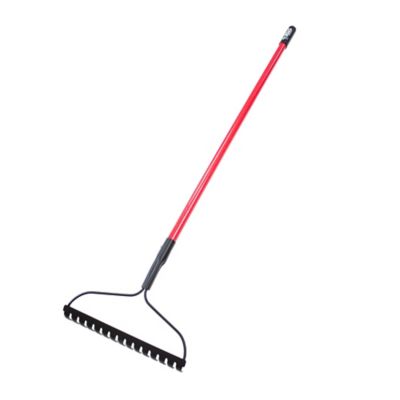
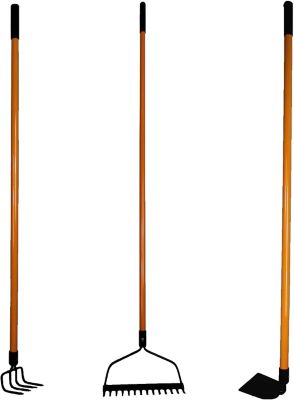
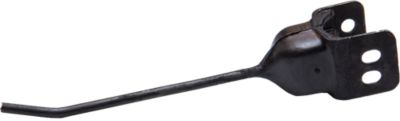
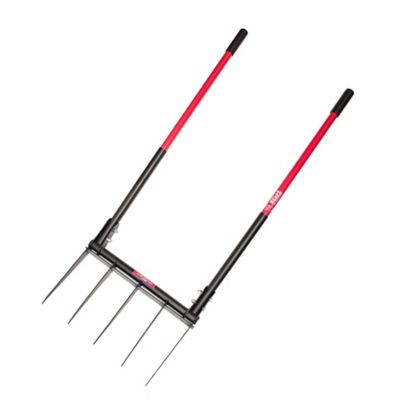
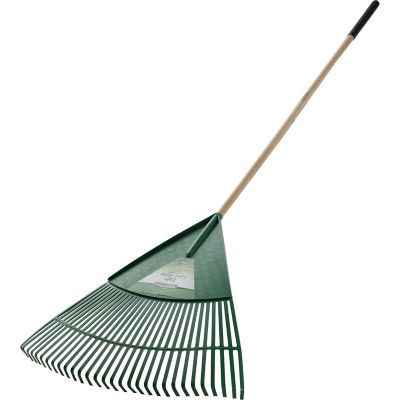
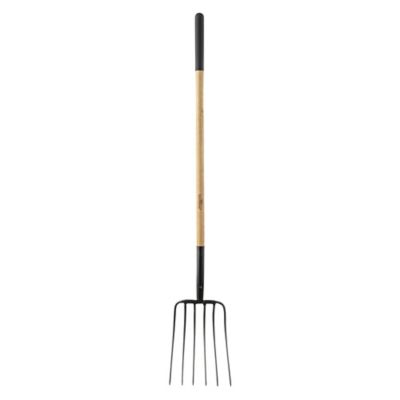
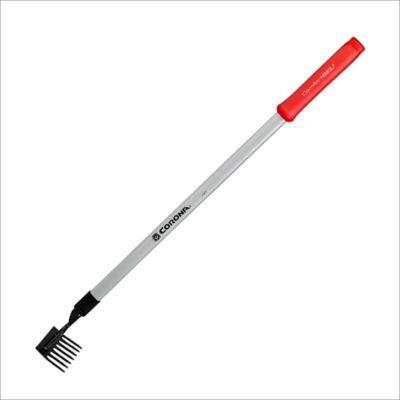
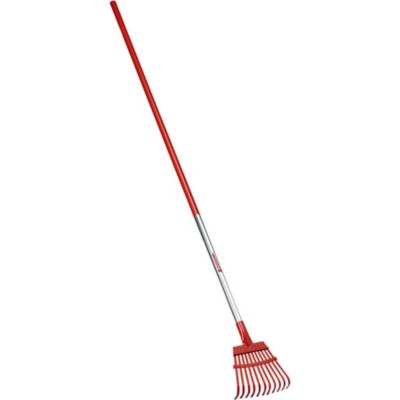
Rake heads are a handy way to keep a dependable handle in service while replacing the working end that has worn down, bent, or gone missing. A solid handle can last through years of chores, especially when it has been kept dry and stored out of the weather, so swapping the head may be a practical choice instead of replacing the whole rake. Replacement rake heads are useful for homeowners, gardeners, landscapers, grounds crews and anybody who spends time cleaning up around a barn, shop, pasture or yard. They can also make a thoughtful gift for a new homeowner, a gardener setting up a first tool collection or a neighbor who is always lending a hand with outdoor chores. Keep the job in mind when choosing a style. Leaf rake heads generally have long, flexible tines that spread across a wide area and glide over grass, helping gather leaves, pine needles, clippings and light yard debris without digging into the soil. These lighter heads are well suited to finished lawns, flower beds and areas where you want to move loose material without disturbing roots or freshly seeded ground. A fan-style shape can cover plenty of ground with each pass, which comes in handy when the leaves have gathered along a fence line or settled beneath low branches. Flexible poly tines are often gentle on grass and resistant to rust, while spring-steel tines offer a little more snap and durability for regular yard work. Either way, look for a head that feels balanced and matches the size of the area you maintain. A narrower head can be easier to guide around shrubs, raised beds and porch steps, while a wider head can help finish an open lawn with fewer passes.
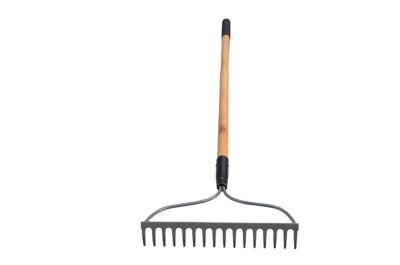
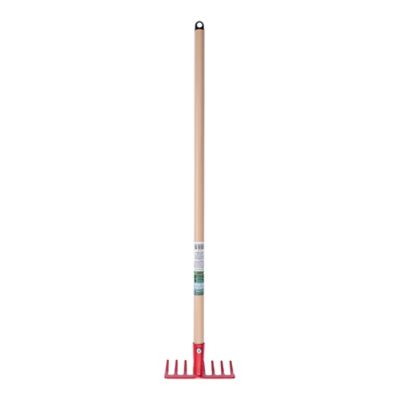
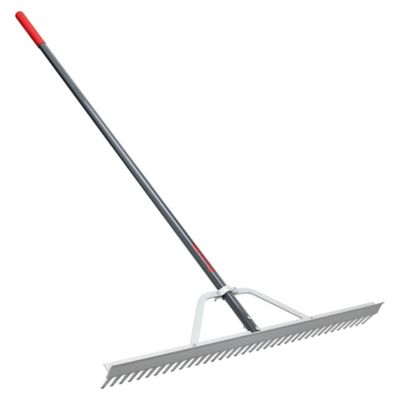
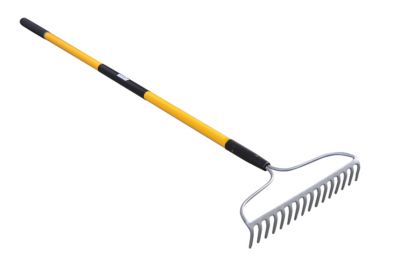
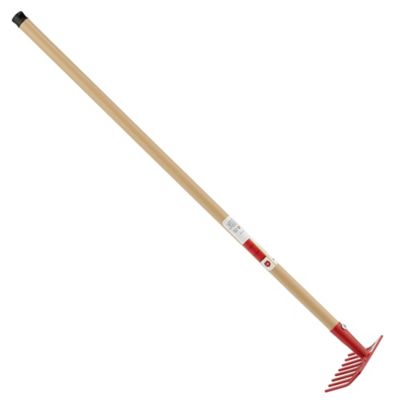
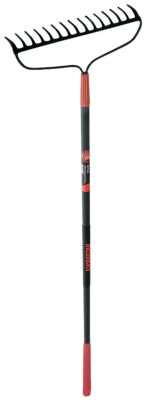
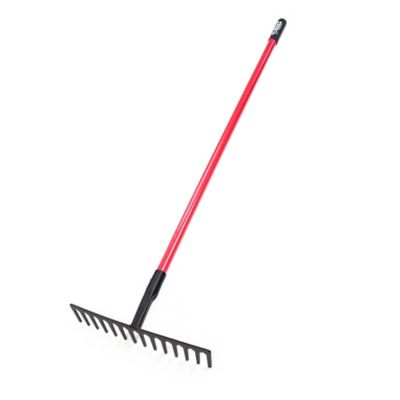
For heavier work, a garden or bow rake head is built with short, rigid tines that can break up compacted clumps, spread mulch, level garden soil and pull gravel into a more even surface. These heads are meant to engage the ground rather than skim over it, making them useful for preparing planting rows, smoothing a driveway edge or cleaning up a rough patch near a gate. Rigid steel tines can work through packed soil and move heavier material, but they should be used with a little care around shallow roots, tender seedlings and finished turf. A good habit is to let the rake do the work instead of leaning your full weight into it; steady strokes will loosen the surface while reducing strain on your back and shoulders. Before ordering a replacement head, check the handle you plan to use and measure its diameter near the connection point. Many replacement heads are made for a common handle size, while others use a universal-style connection or a quick-connect system. The attachment may rely on a rivet, screw, bolt or snap fitting, and the new head needs to match that connection so it stays secure during a hard pull. If your old head is still available, compare the socket opening, fastener location and overall width. A handle that is slightly loose can make the rake wobble, wear the connection faster and make simple work feel frustrating. If the wood has split around the end or the fiberglass has cracked, replacing the entire rake may be safer than fitting a new head to a damaged handle. For shoppers comparing
Green Rakes, color can be a simple way to keep garden tools easy to spot in tall grass, a crowded shed or the back of a utility vehicle, but fit, tine design and construction should guide the final choice.
The right rake head can earn its keep through every stage of outdoor cleanup, from clearing windblown leaves around the mailbox to smoothing soil after a small planting project. During the cooler months, a flexible leaf head can help gather damp leaves into manageable rows before they mat down and block sunlight from the grass. It can also be useful for pulling straw, dry grass and light bedding away from walkways, though heavier manure, wet compost and packed material call for a sturdier garden-style head. As the weather shifts and outdoor work moves between the lawn, garden and driveway, having more than one head for the same handle can save storage space and make the job easier to tackle. One head can stay set up for delicate lawn cleanup, while another can be kept ready for leveling gravel or working soil. Store each head off the ground when possible, brush away mud and plant residue after use, and check metal parts for rust or loose fasteners before putting tools away. Poly heads should be checked for cracked or missing tines, and steel heads should be inspected for bends that could catch on turf or scrape across a surface. A rake head is a small purchase, but it can make a noticeable difference in comfort and control. Whether you are tidying a broad yard, caring for a vegetable patch, maintaining a gravel drive or putting together a practical housewarming gift, choosing the right tine style and connection will help the tool work smoothly when the leaves blow in, the soil needs shaping or the ground calls for a little attention.