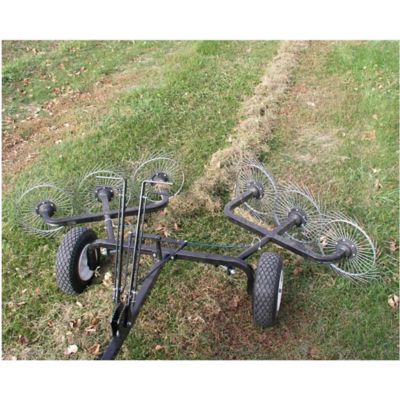
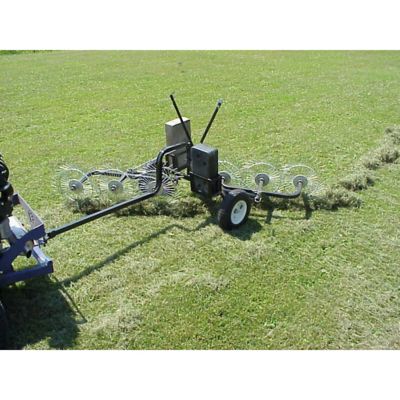
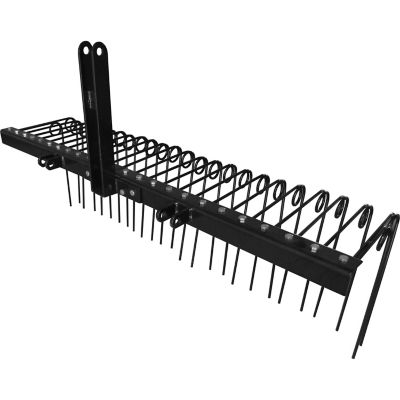
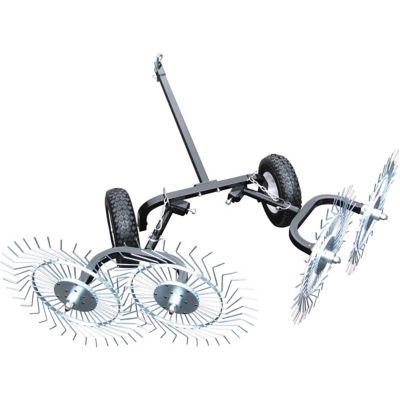
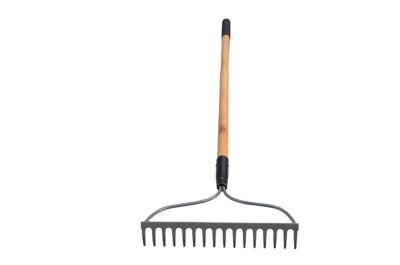
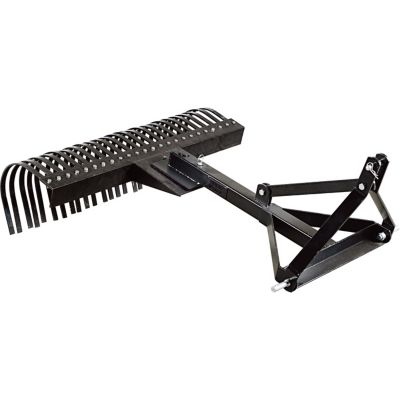
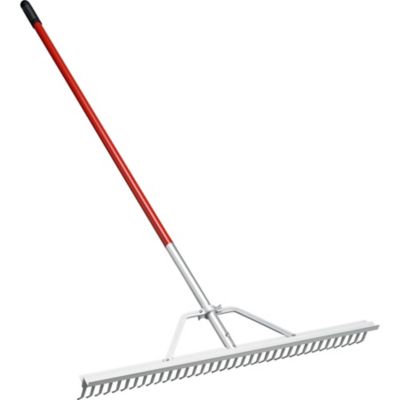
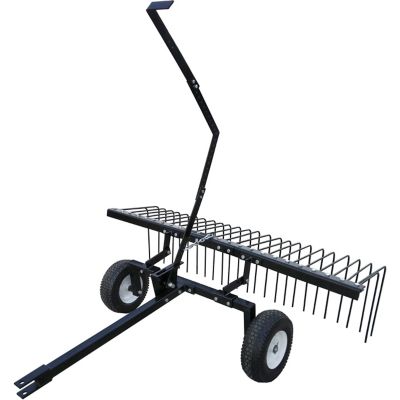
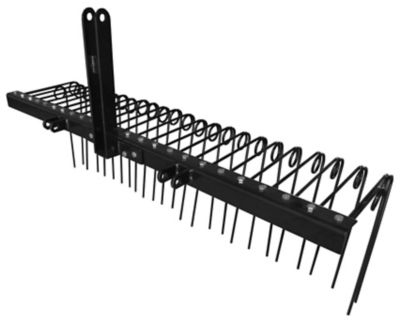
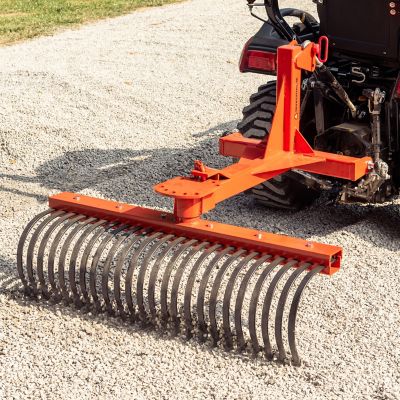
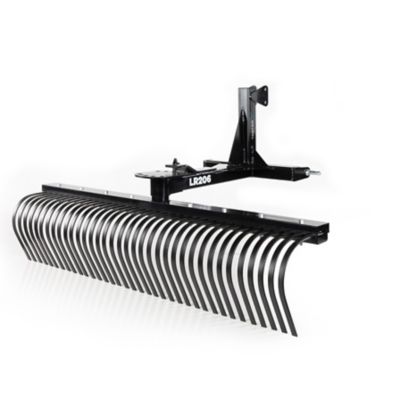
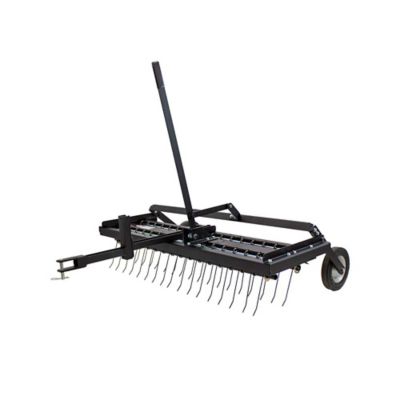
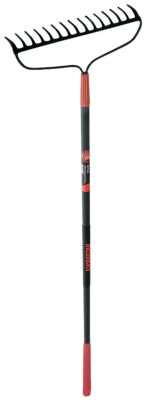
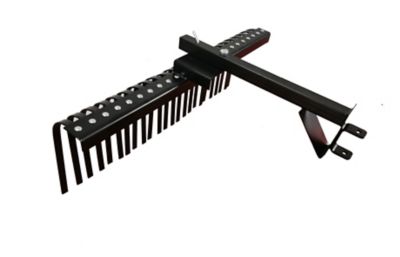
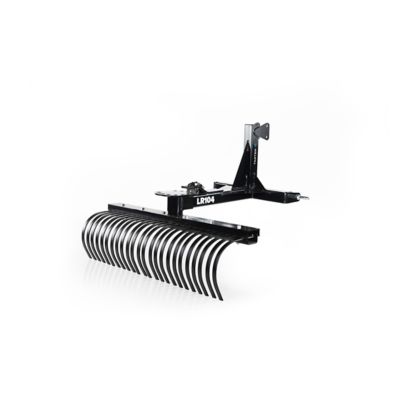
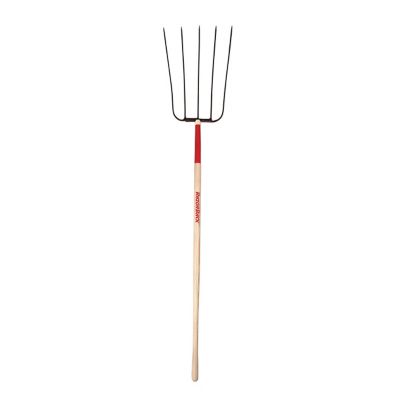
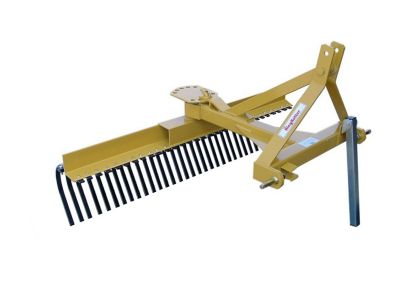
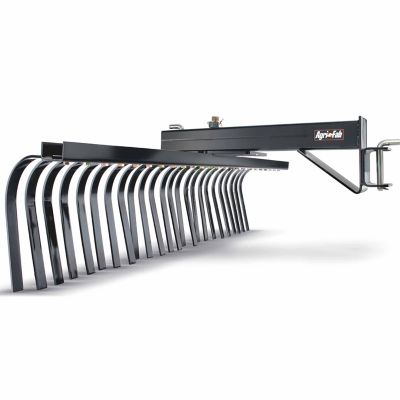
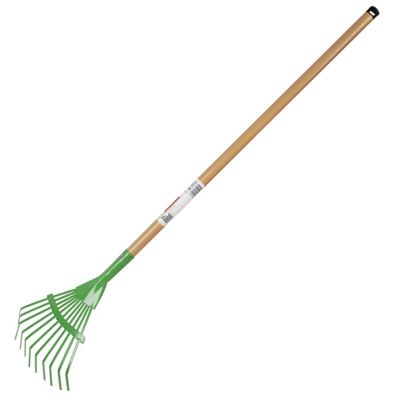
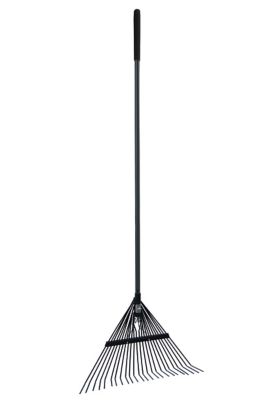
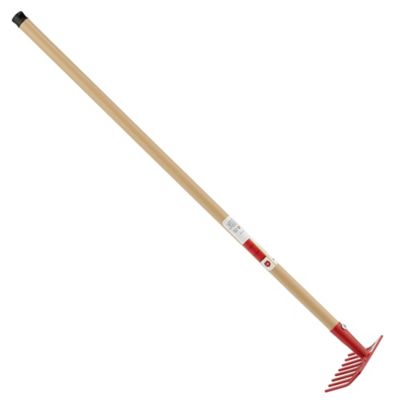
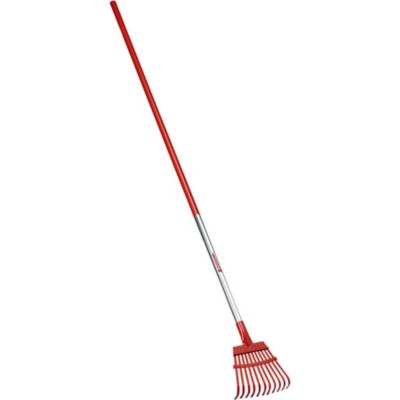
Hay rakes help turn freshly cut grass into clean, manageable windrows that are easier to dry, handle and bale. After mowing, hay can lie in a thick, uneven mat with damp layers underneath and lighter stems scattered across the field. A well-matched rake gathers that crop into a consistent row while lifting and turning the material so air can move through it. That extra airflow can make a real difference during the warm, drying stretch of the season, helping reduce the chance of hay being baled before it has reached a safe moisture level. Raking also helps bring stray hay together, improves baler pickup and can make bale size and density more consistent. Wheel rakes use ground-driven wheels with spring teeth or fingers to sweep hay into rows as the tractor moves across the field. They are often a practical choice for covering larger areas quickly and can be useful when a straightforward, low-maintenance setup is preferred. Rotary rakes use the tractor’s PTO to power rotating tine arms that lift and move the hay into a soft, fluffy windrow. This style can be a good fit when protecting leaves and maintaining feed quality matters, especially with delicate forage. Belt rakes use a moving belt to shift hay laterally and can work well for smaller fields, lighter crops or operations that need to combine several narrow rows into one. Hand rakes and replacement components can also be useful around small acreages, garden plots, barn lots and hard-to-reach corners where a tractor cannot easily maneuver. No matter the style, the goal is the same: gather cut forage evenly without grinding it into the soil or scattering valuable leaves.
Choosing among hay rakes starts with the size and condition of the field, but there are several details worth weighing before adding one to the equipment lineup. Match the rake to the tractor’s horsepower, three-point hitch or drawbar arrangement, PTO requirements and hydraulic capacity, as applicable. A rake that is too large for the tractor may be difficult to lift, transport or operate smoothly, while one that is too small can add unnecessary passes across a wide field. Ground-driven wheel rakes are commonly valued for their simple operation and broad coverage, though wheel pressure and working speed need to be adjusted to suit the crop and ground conditions. Rotary models offer more control over how hay is lifted and formed, but they depend on a compatible PTO setup and regular attention to driveline components. Belt-style equipment may be especially handy where narrow windrows need to be moved together or where the crop is thin and spread out. Field shape matters, too. Wide, open ground may favor a larger working width, while rolling terrain, wooded edges and small paddocks call for equipment that can follow the ground and turn without excessive bulk. Rocky or uneven fields may require more care with tine height and travel speed so the rake does not pull soil, catch obstacles or wear its working parts too quickly. Look for adjustable settings that let you control windrow width, tine contact and transport position. Before buying, check replacement tine, finger, wheel and belt availability, along with the cost and ease of routine service. Keeping a few common wear parts on hand can prevent a small broken tine or worn bearing from delaying the next good drying window.
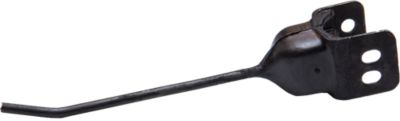
Hay rakes are useful for full-time livestock operations, small farms, horse owners, homesteaders and anyone putting up forage for winter feeding. A steady, even windrow helps the baler pick up hay without repeatedly stopping to chase thin spots or overloaded clumps, which can save fuel and reduce wear during a long day in the seat. For a small acreage, a compact rake or hand tool may be all that is needed to gather grass for a few animals, clean up after mowing or move forage away from fences and gates. Larger operations may use a rake with a wide working width to cover fields efficiently, then adjust the settings for heavier first cuttings, lighter later cuttings or different forage mixes. The right rake also supports cleaner feed by limiting the amount of dirt, stones and crop residue pulled into the row. Inspect the field before raking, remove larger obstacles when possible and keep an eye on how aggressively the tines are working. Raking when hay is too dry can knock leaves from the stems, while raking when it is still too damp can make dense rows that dry slowly. Letting the crop reach the proper stage, then working during suitable conditions, helps preserve color, aroma and nutritional value. After each use, clear packed hay from the frame, guards and moving parts; check for bent tines, loose hardware, worn bearings and damaged belts; and store the equipment where it is protected from standing moisture. Replacement components can help keep a familiar rake working season after season, and replacement
Rake Heads may be useful for smaller cleanup jobs or repairs to hand tools. During the cooler months, a little maintenance and covered storage can make the equipment ready when the next cutting dries down. With the right match for the tractor, terrain and crop, a hay rake becomes a dependable part of the haymaking routine, helping turn a freshly mowed field into neat, dry windrows and well-kept feed.