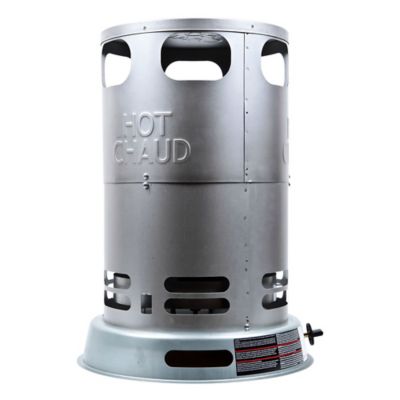
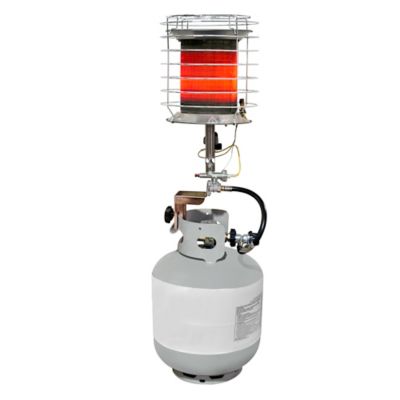
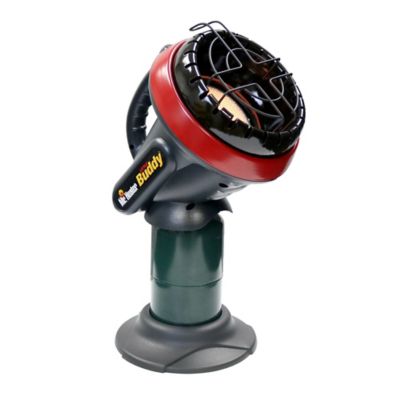
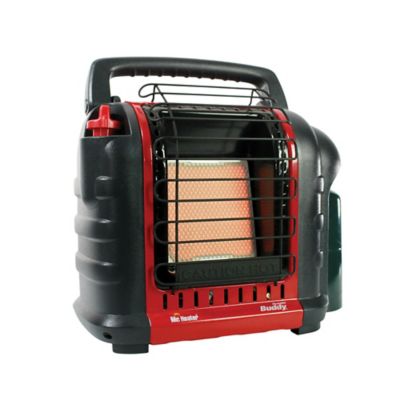
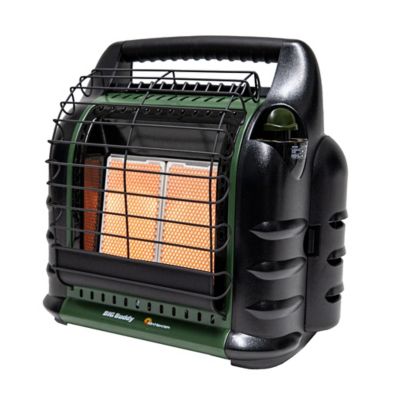
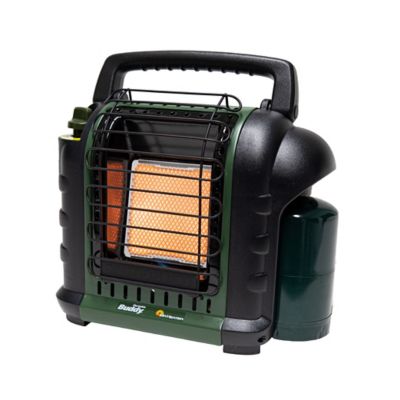
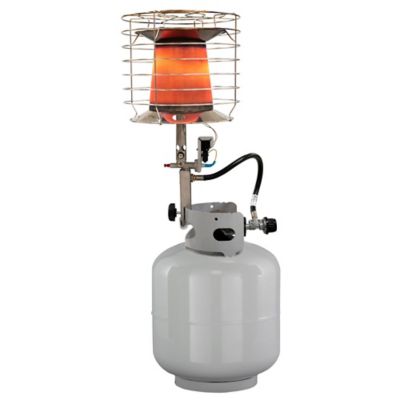
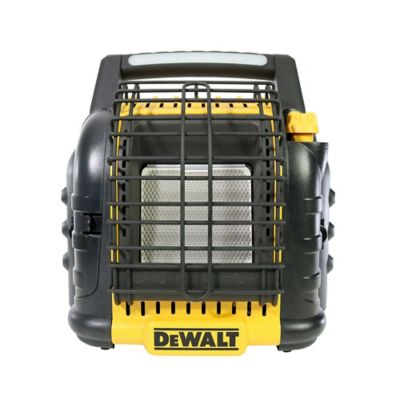
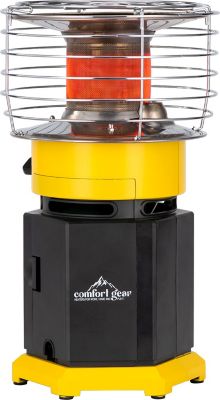
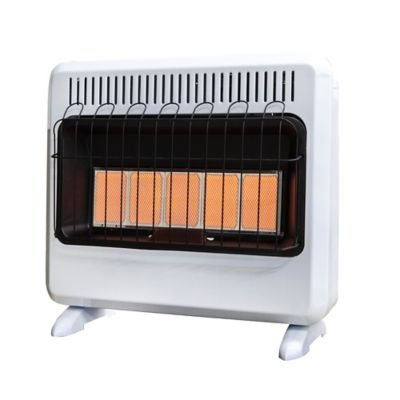
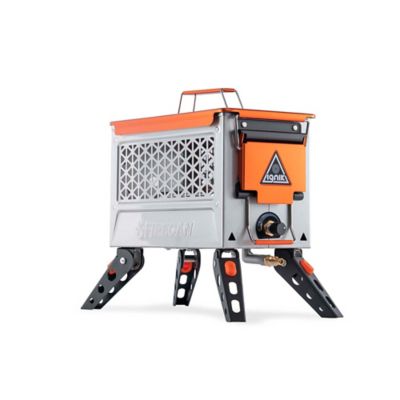
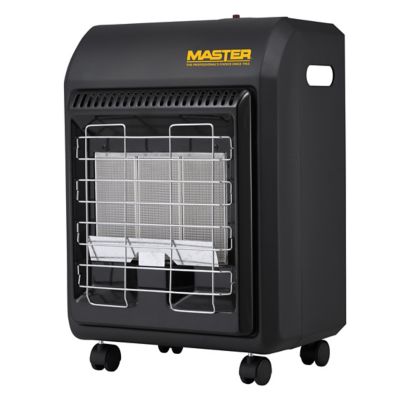
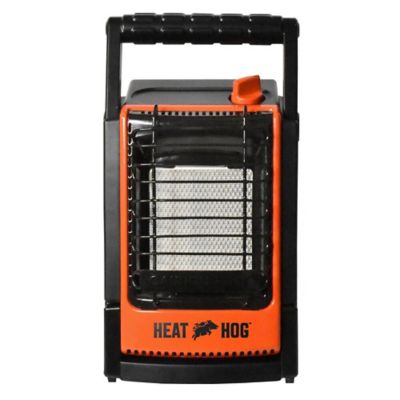
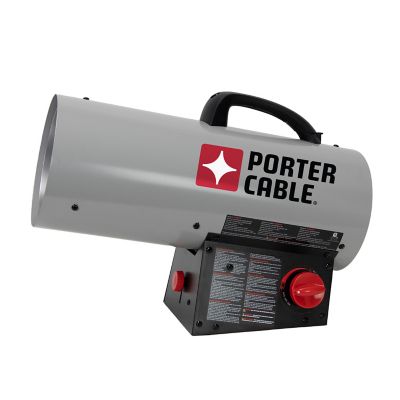
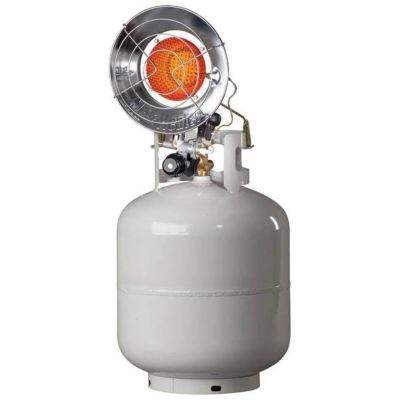
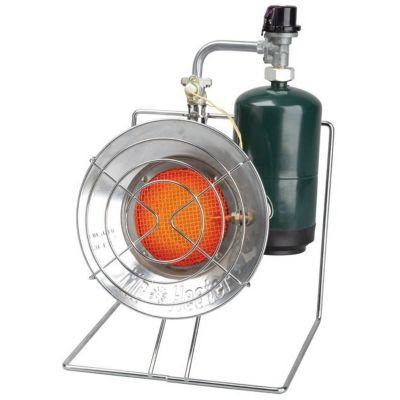
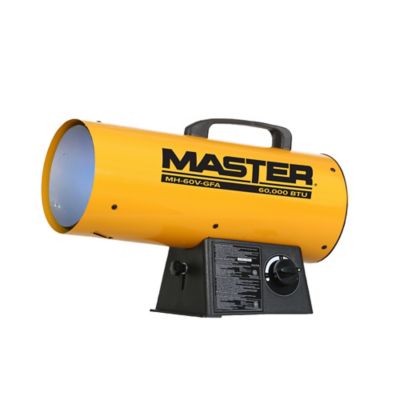
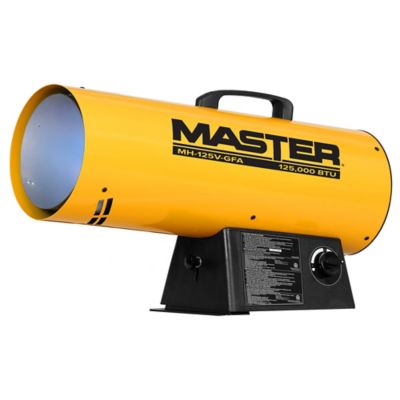
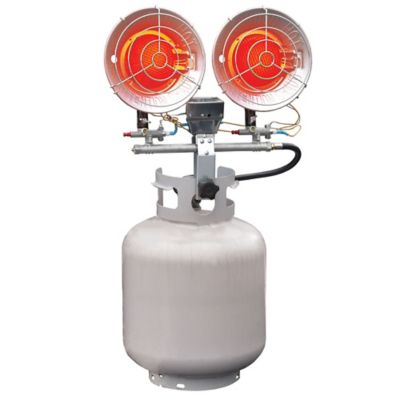
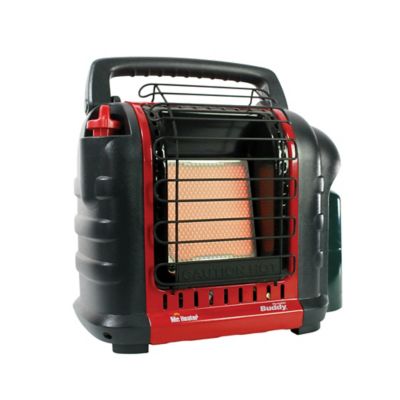
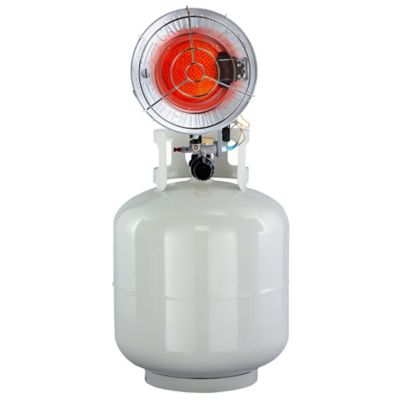
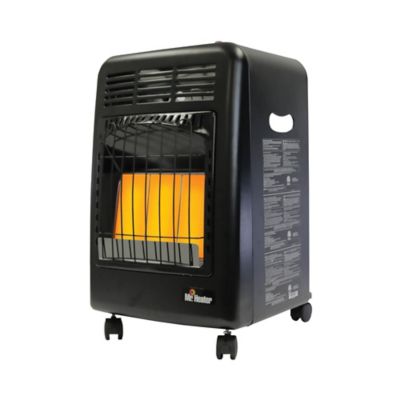
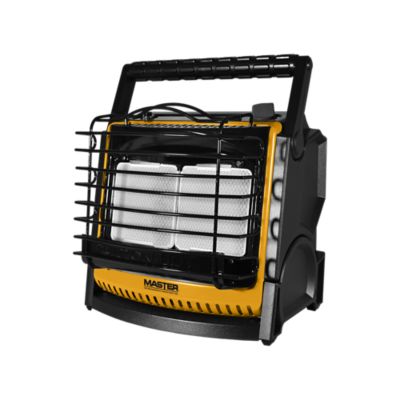
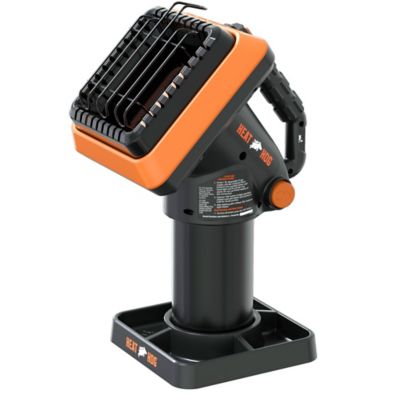
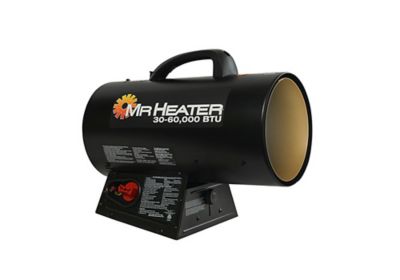
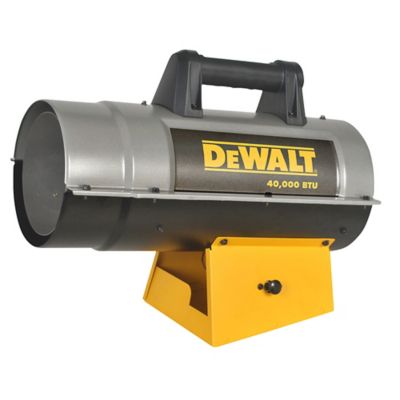
Propane camping heaters bring welcome warmth to cool mornings at the trailhead, chilly evenings around camp, and damp days spent working or relaxing outdoors. Because they run from propane rather than a power outlet, they fit well into campsites, hunting cabins, ice-fishing shelters, enclosed porches, barns, and other places where a little extra heat makes a big difference. Portable models commonly draw from a 1-pound propane cylinder, while larger setups may connect to a bigger tank with the proper hose and regulator. Heat output is measured in BTUs, and many camping heaters fall somewhere around 4,000 to 18,000 BTUs. A lower setting may be enough for a small tent vestibule or personal warming area, while a higher output can help take the edge off in a larger shelter of up to roughly 200 to 450 square feet, depending on insulation, airflow, outdoor temperature, and the shelter’s construction. When comparing heaters, look at the listed heating area, BTU range, fuel connection, ignition method, size, carry handle, and the type of setting where the heater is approved for operation. A compact propane heater can be handy for a backpacking base camp or a quick morning outside the camper, while a larger unit may suit a roomy hunting blind, jobsite shelter, or family campsite. A camper who spends early mornings checking livestock, a hunter waiting for daylight, or a parent keeping the grandkids comfortable beside the fire may all appreciate having portable heat close at hand. These heaters can also make a thoughtful gift for someone who camps through the cooler months, spends long days outdoors, or likes to keep a well-stocked gear shed ready for changing weather. If warm water is also part of the campsite setup, take a look at
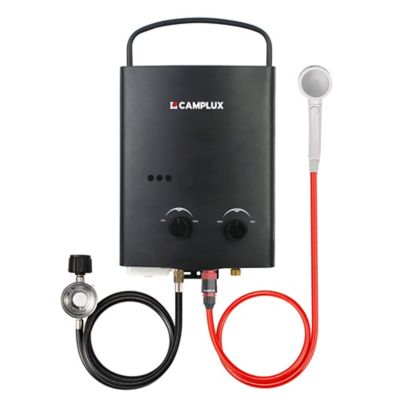
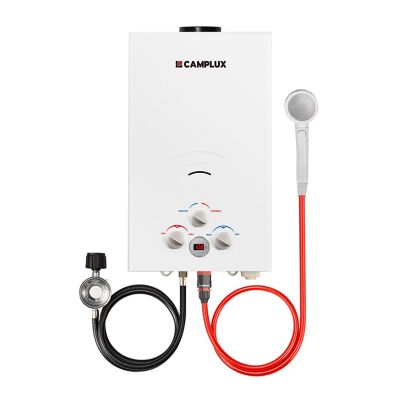
Propane Water Heaters for Camping for another propane-powered option.
Safety should guide every part of choosing and operating a propane camping heater. Read the manufacturer’s instructions before lighting the unit, and confirm whether it is rated for outdoor use only or approved for a properly ventilated tent or shelter. Never operate a fuel-burning heater in a sealed tent, vehicle, camper, cabin, or other enclosed space unless the heater and the space are specifically approved for that purpose and the required ventilation is in place. Fresh airflow is essential because propane combustion can lower oxygen and create carbon monoxide, an odorless gas that can cause serious harm. Keep a working carbon monoxide detector nearby, even when the heater has an oxygen depletion sensor or other built-in safety shutoff. Those features add an important layer of protection, but they do not replace ventilation, a detector, or attentive supervision. Set the heater on a firm, level, nonflammable surface where it cannot be bumped over. Leave plenty of clearance between the heating element and tent walls, sleeping bags, coats, tarps, firewood, paper goods, and other gear. Keep children and pets away from the hot surface, and never drape clothing over the heater to dry. Inspect the hose, fittings, cylinder connection, and burner area before each outing; do not operate a heater if you notice cracking, damage, a propane smell, soot, unusual flame color, or poor ignition. Connect cylinders outdoors and check fittings according to the instructions rather than relying on guesswork. Propane cylinders should stay upright, protected from impact, and away from direct heat. When camp is quiet for the night, turn the heater off completely and confirm that the flame is out before anyone settles in. Never leave a burning heater unattended, and allow the unit to cool before packing it away or moving it between locations.
The right propane camping heater depends on how and where you plan to spend time outside. Start by measuring the shelter or work area and considering the likely weather. A thin tent in a cold breeze loses heat much faster than a screened shelter with solid sides, so the listed coverage area is only a starting point. Look for adjustable heat settings when you want a gentle morning warm-up as well as stronger heat during a colder stretch. An automatic shutoff for tip-over or low oxygen can offer added peace of mind, while a piezo ignition or push-button start can make lighting easier when your hands are cold. A stable base matters on uneven ground, and a built-in handle helps when moving the heater from the truck to camp. Plan for fuel, too: a small cylinder may last several hours depending on the BTU setting and outdoor conditions, while longer outings may call for spare cylinders or an approved larger-tank connection. Keep fuel stored according to the cylinder label and local rules, and never bring a leaking or damaged cylinder into a vehicle or shelter. A heater is most useful when paired with practical layers, a dry sleeping bag, and sensible campsite planning rather than treated as the only source of protection from the cold. Picture a frosty morning at the pasture gate, a quiet watch from a hunting blind, or coffee warming your hands before the sun reaches camp—portable propane heat can make those moments more comfortable while keeping the setup simple. With the proper heater size, open airflow, clear space, and careful attention to the instructions, campers and outdoor workers can stay more comfortable through the cooler months.