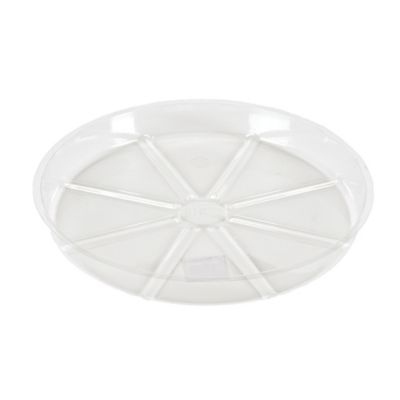
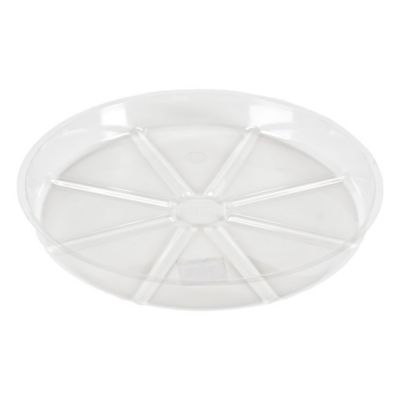
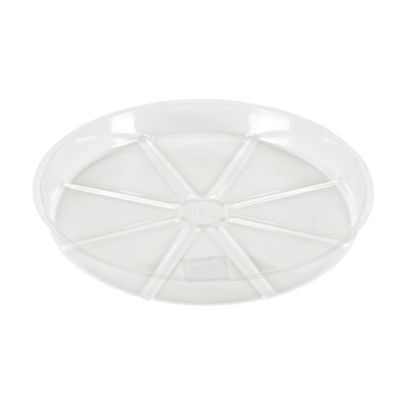
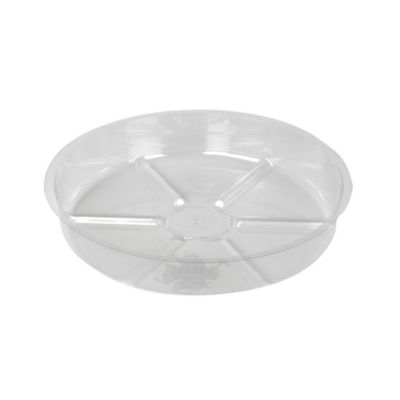
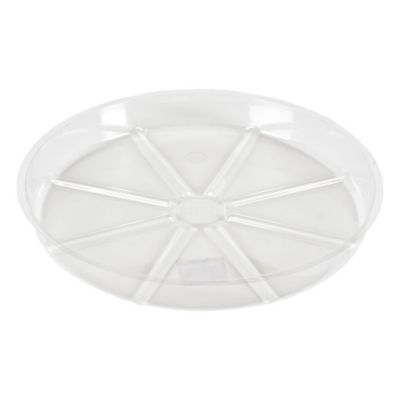
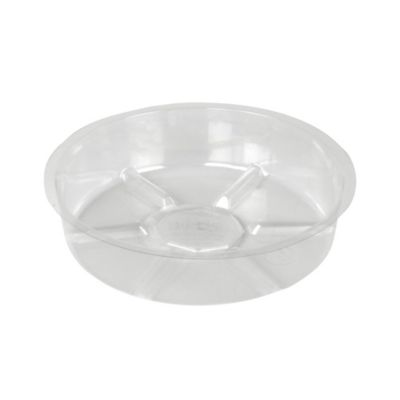
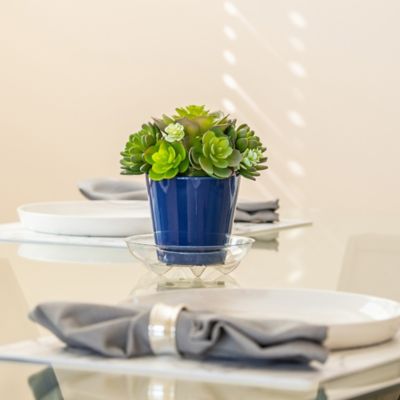
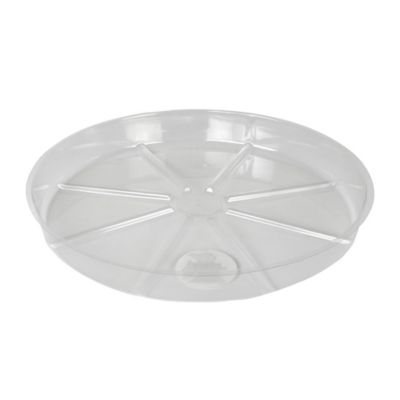
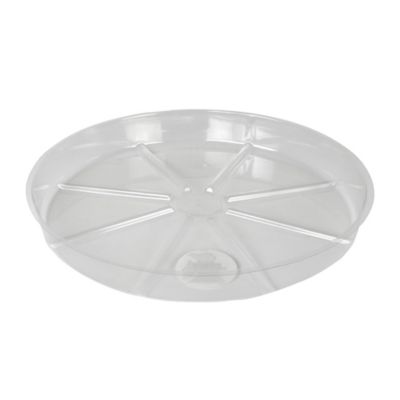
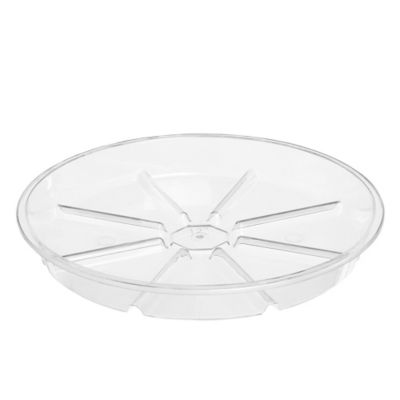
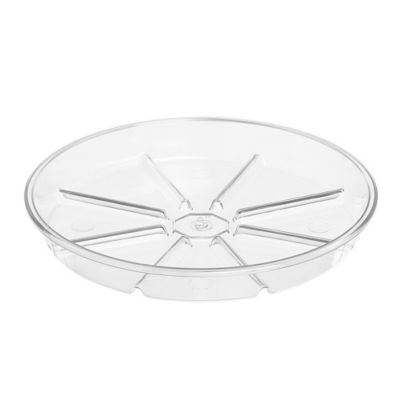
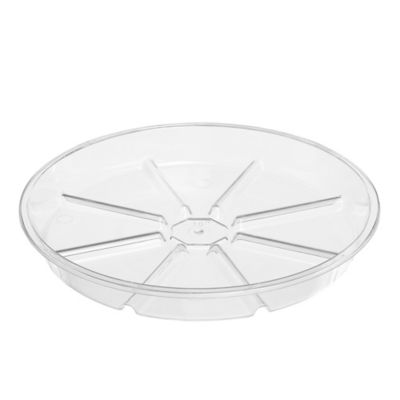
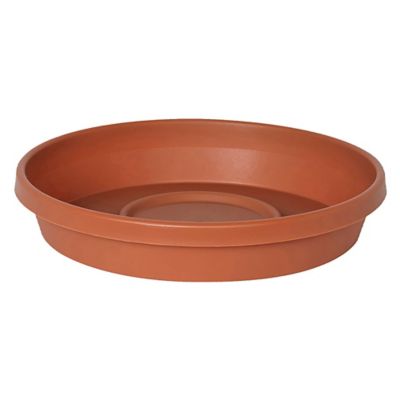
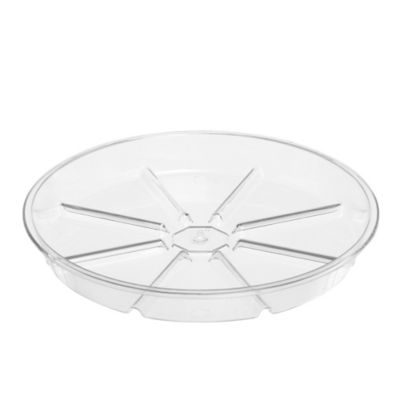
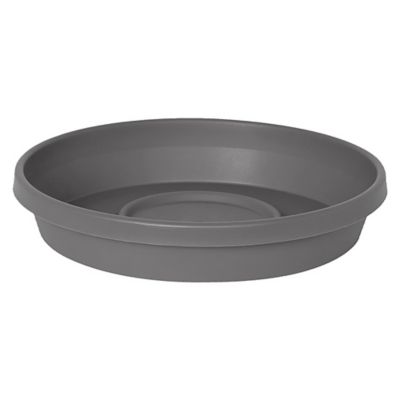
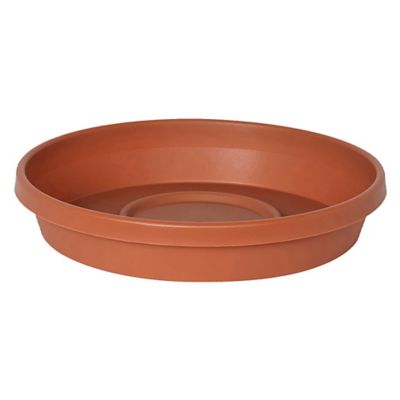
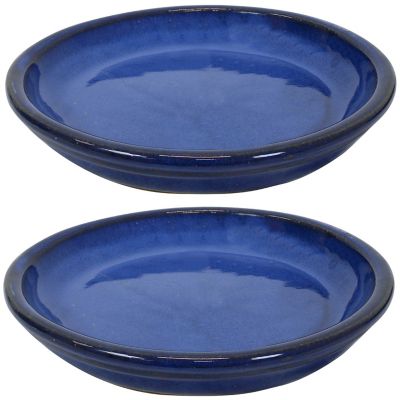
A plant saucer is a shallow tray that sits beneath a flowerpot to catch excess water and loose soil draining through the pot’s holes. It helps keep watering spills off floors, shelves, tables, and other surfaces while giving the pot a steady place to rest. From a basil plant beside the kitchen sink to a leafy houseplant on a mudroom bench, a saucer handles a small but important part of everyday plant care. The pot still needs drainage holes; the saucer catches what comes through rather than replacing that drainage. That distinction matters because roots generally need both moisture and air, not a pot left sitting in collected water. A well-matched saucer leaves enough room around the base to catch runoff and makes it easier to see when water needs emptying. Fit depends on the bottom of the pot, which may be much narrower than its top opening. The saucer’s inside bottom diameter needs to accommodate that base, while its outside diameter needs to fit the shelf, stand, or tabletop beneath it. A sloped rim can make the overall width look generous even when the flat resting area is smaller, so both measurements deserve a look. Pots with feet or raised bottoms also need enough flat space for every contact point to sit securely. A deeper rim offers more room for runoff, but extra capacity is not a reason to leave water standing around the pot. For heavier containers, a broad, stable base matters more than a close visual match. A pot that rocks, leans against the rim, or hangs over an edge needs a better-fitting saucer. Whether the setup holds one small plant or several containers along a porch, a practical pairing keeps the pot supported, catches ordinary drainage, and leaves enough access to lift the container when needed. The best fit also allows a little breathing room for checking the water level without having to wrestle a tight-fitting pot out of its tray.
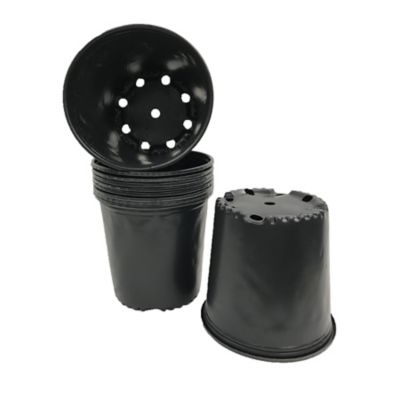
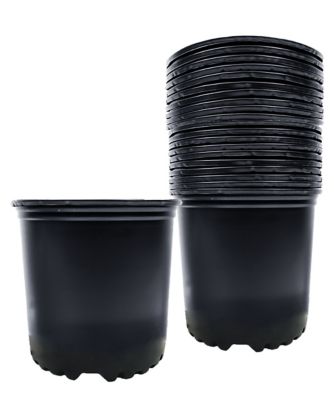
Plant saucers come in several materials, each with a different feel, weight, and level of upkeep. Plastic saucers are generally lightweight and easy to move, making them a practical match for containers that travel between a potting bench and a plant stand. Their flexibility varies, though, and a thin tray may bend under a heavy pot or when lifted with water inside. Pairing a saucer with
Plastic Pots can keep the overall setup lighter, but the saucer still needs the right dimensions and support for the planted container. Terracotta brings the familiar earthy look of clay and enough weight to stay put beneath smaller pots. Because unglazed clay is porous, moisture can pass through it, so a terracotta saucer alone may not protect a wood shelf or another moisture-sensitive surface. Glazed ceramic can offer a less absorbent surface, although the glaze, underside, and any cracks all affect how well it contains water. A glazed upper surface does not necessarily mean the bottom is sealed. Metal saucers offer another option, with performance depending on the material and finish; scratches or worn coatings may expose areas that can corrode. Whatever the material, the underside deserves as much attention as the inside. Rough edges, grit, and trapped dampness can mark furniture even when the saucer catches every drop from the pot. A suitable waterproof barrier can add protection where needed, provided the whole arrangement remains level and stable. Color and shape are practical considerations, too. A clear saucer keeps the focus on the container and makes collected water easy to spot, while an opaque finish can blend with a pot or shelf. Round saucers suit many flowerpots, while square or rectangular shapes may fit other container bases more neatly. Matching shapes helps avoid unsupported corners and makes better use of a narrow plant shelf. For larger pots, a sturdy, well-supported saucer is especially important, since wet potting mix adds considerable weight.
Everyday use is where a well-chosen plant saucer earns its place. A kitchen herb pot may release just a small trickle after watering, while a larger houseplant can drain enough to fill a shallow tray quickly. Saucer depth and capacity need to suit that watering routine without making the container awkward to reach or lift. A saucer can catch drips, but it is not a substitute for checking how much water the pot releases. After drainage slows, emptying the collected water helps keep the bottom of the root ball from staying soaked. Letting a manageable pot drain at the sink before returning it to its saucer can make sense on furniture that needs extra care. Large containers need a different arrangement, with enough room to remove water safely without dragging a heavy pot across the floor. Thin saucers are not carrying trays, and lifting a loaded container by the rim can lead to bending, cracking, or spills. Moving the pot and saucer separately is often easier on both pieces. Routine care is straightforward: loose soil, fertilizer residue, and mineral deposits can collect inside, so occasional washing keeps buildup from hiding cracks or blocking a clear view of standing water. Mild soap, water, and a soft brush are suitable for many materials, with the manufacturer’s care directions taking precedence. Rinsing away soap and drying the saucer before setting it back on a shelf helps keep the surrounding area tidy. Checking beneath it from time to time also catches moisture that may have worked its way underneath. For households with pets or small children, placing pots where collected drainage water is out of reach is another sensible consideration, especially after fertilizer applications. Plant saucers make a useful finishing touch for a potted plant given as a housewarming or thank-you gift, too. A properly fitted saucer means the recipient has somewhere to set the plant, with less guesswork about drainage and surface protection. Simple as it is, that shallow tray helps a planted container fit comfortably into everyday life.