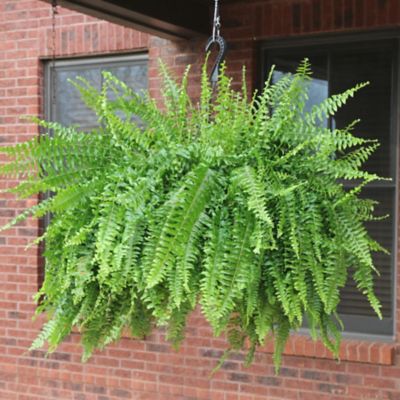
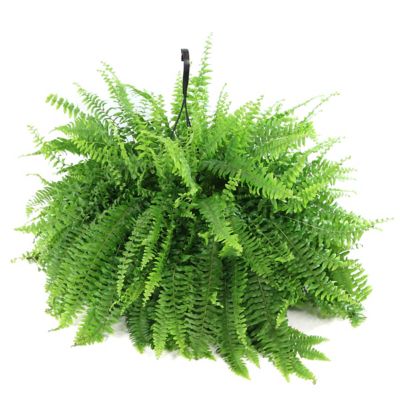
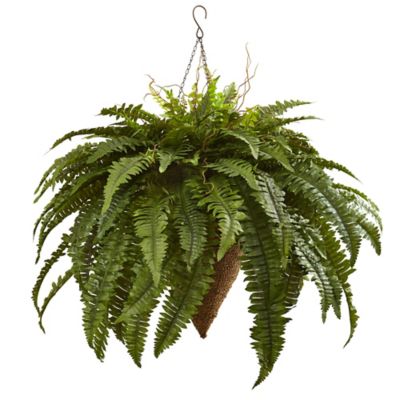
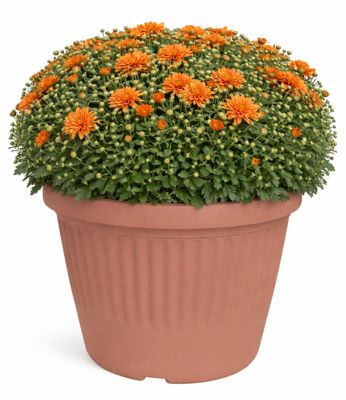
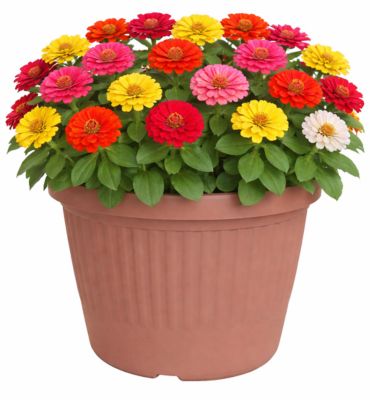
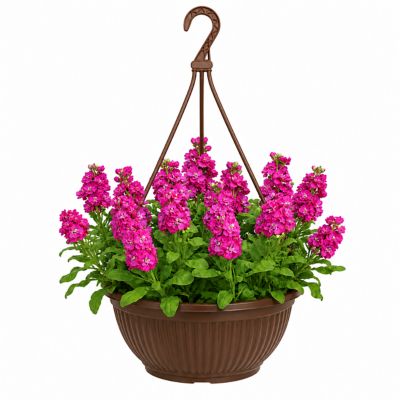
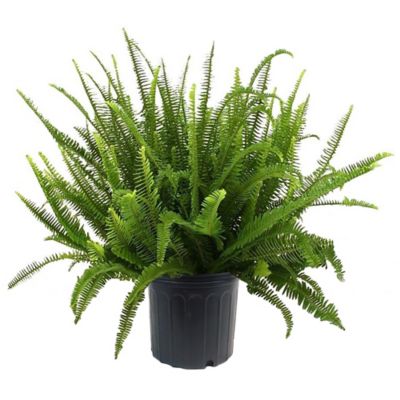
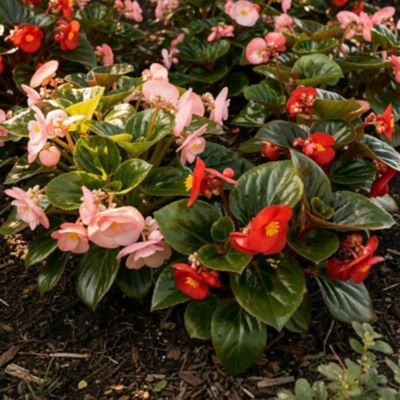
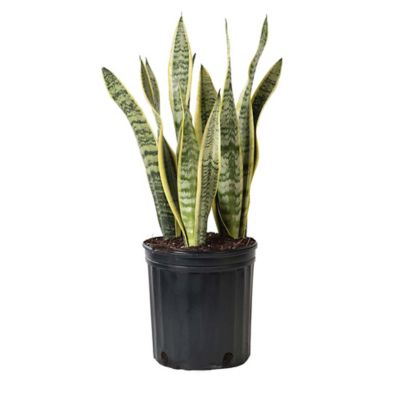
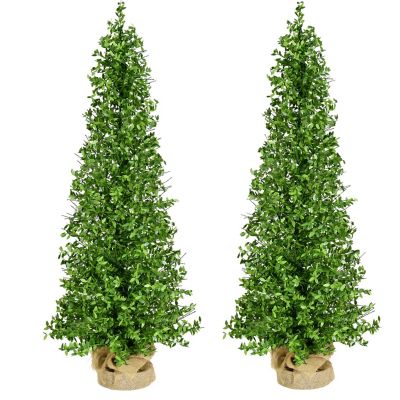
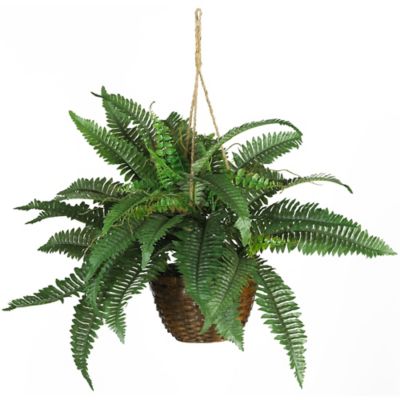
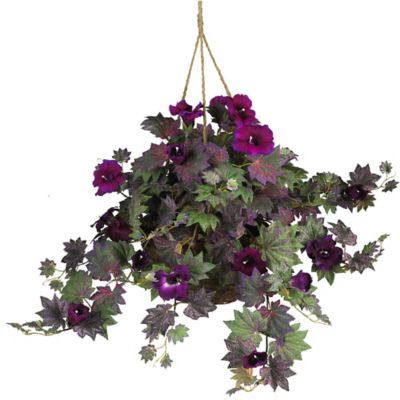
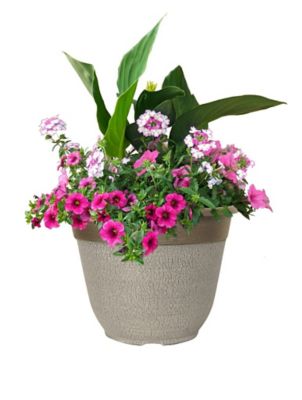
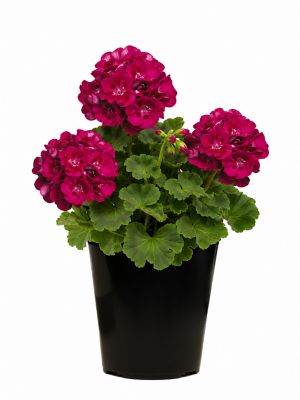
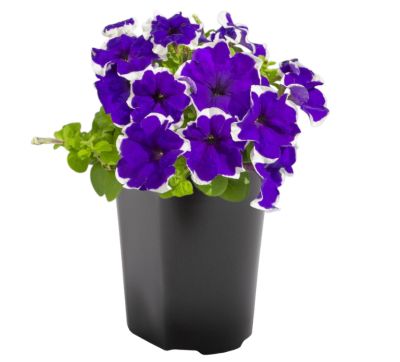
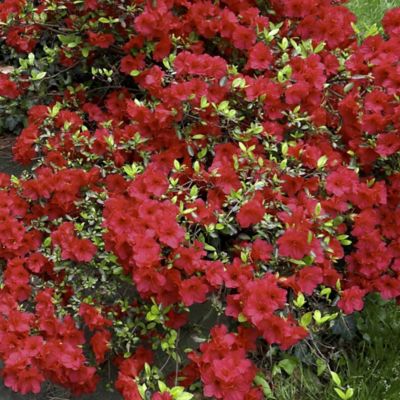
The best front porch plants match the light at the doorway, the room available for growth, and the amount of regular care that fits everyday life. Upright evergreen shrubs provide structure beside an entrance, ferns add leafy fullness to spots with suitable indirect light, and flowering plants bring color where their light needs can be met. A covered porch may have bright edges and a much darker wall near the door, so plants a few feet apart can have different growing conditions. Full sun, part sun, and shade labels help narrow the choices, but the light that actually reaches each container matters more than the direction the house faces alone. A plant sitting under a deep roof needs a different match than one beside an open railing. For a broad porch, paired containers can frame the doorway without filling every corner. On a narrow landing, a single upright plant can give the entrance a finished look while leaving room for grocery bags, feed sacks, and boots headed in from the yard. Hanging ferns and trailing foliage can bring greenery above floor level, provided they stay clear of the door swing and leave enough headroom. Compact shrubs suit a more settled arrangement, while smaller flowering plants offer a softer look around a porch chair or bench. Plant shape matters as much as flower color: fine leaves soften square posts, broad foliage stands out against siding, and a narrow upright habit draws attention to the entrance. Mature height and spread are better measures of fit than the size of a newly planted pot. Branches and trailing stems need room without covering house numbers, crowding a handrail, or brushing everyone who walks past. The right front porch greenery belongs alongside daily life, with a clear path for family, neighbors, and the occasional muddy pair of work boots.
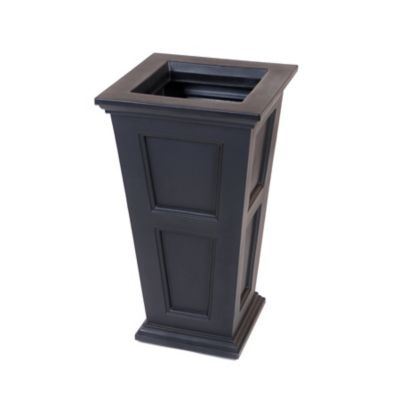
Containers give porch plants room to root and help tie the planting to the house. For entrances that need height without a wide footprint,
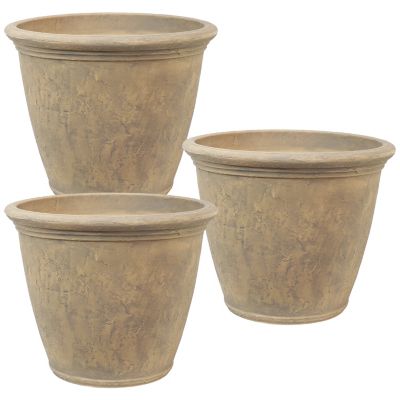
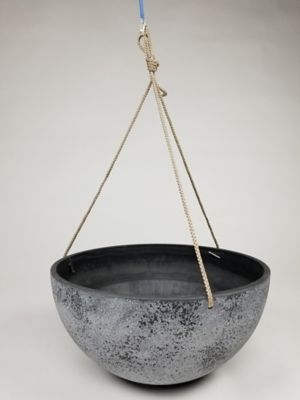
Tall Front Porch Planters can lift foliage into view beside posts, railings, and door trim. Outside height alone does not tell the whole story, though; the interior planting space needs to accommodate the root ball and allow for growth. A tall, narrow container also needs a stable base, especially when paired with an upright shrub or a broad canopy of leaves. Material affects weight, upkeep, and how quickly the potting mix dries. Unglazed terra-cotta allows moisture to move through its walls, while glazed ceramic generally slows that moisture loss. Ceramic can be heavy to reposition, making placement worth considering before planting. Resin containers are often easier to carry, and wood brings a natural texture that sits comfortably beside porch boards and painted siding. Metal containers lend a straightforward farmstead look, with liners or removable inner pots offering a practical way to separate the planting from the outer shell. Drainage remains important across materials. Open drainage holes allow excess water to leave the root zone, while a container without an outlet needs a separate draining pot inside and a way to empty collected water. Saucers can help manage runoff, but roots should not sit in standing water. Container potting mix generally provides a better balance of air and drainage than dense soil taken straight from the yard. The total weight matters for hanging baskets, too: the basket, plant, damp mix, and water all count toward the load on its hook and mounting point. On a porch floor, a plant stand or pot feet can create clearance beneath a container, making the area easier to inspect and clean. These practical details help a planting work comfortably with the porch rather than becoming another obstacle around the front door.
Care needs are another useful way to compare front porch plants. A fern with fine, abundant foliage may call for closer attention to moisture than a plant with thicker leaves, though the plant’s own care label should guide the routine. Smaller pots generally need more frequent checks because they hold less potting mix, while a large container can stay damp longer beneath the surface. Finger-checking the mix helps distinguish a dry-looking top layer from a root zone that still holds moisture. Low-maintenance porch plants still need an occasional look for crowded roots, damaged leaves, and changes in growth. Evergreen shrubs offer lasting foliage, but container-grown shrubs may eventually need pruning, a larger pot, or another suitable planting location. Flowering plants vary in whether removing faded blooms encourages more flowers, so that detail can make a difference for someone who prefers a simpler routine. Mixed containers work best when their plants share similar light and watering needs; matching colors alone does not make them good growing companions. For households with pets or young children, plant safety deserves the same attention as appearance. Checking the botanical name against a trusted toxicity resource helps avoid confusion between plants with similar common names, and baskets or stands should never be treated as a guarantee that curious paws cannot reach them. Porch plants can also make thoughtful housewarming gifts or a welcome thank-you for a neighbor who enjoys tending an entrance. A manageable container, suitable light requirements, and a clear care label make that gift easier to settle into its new spot. For someone who travels often or spends long days away from home, a plant with less demanding watering needs may be a better fit than a full hanging basket. Whether the setting is a farmhouse porch with rocking chairs or a small landing beside a screen door, plants feel most at home when their size, care needs, and growing space suit the people walking past them every day.