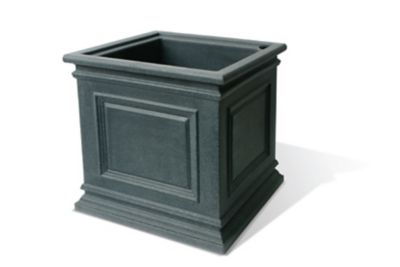
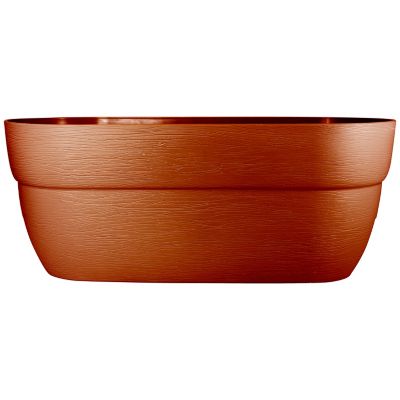
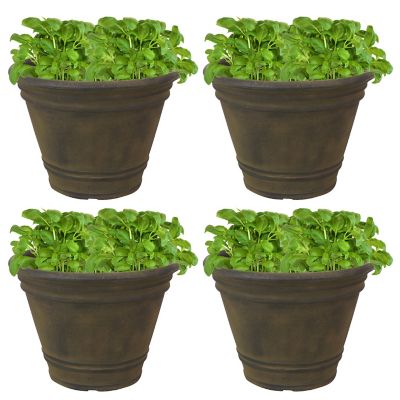
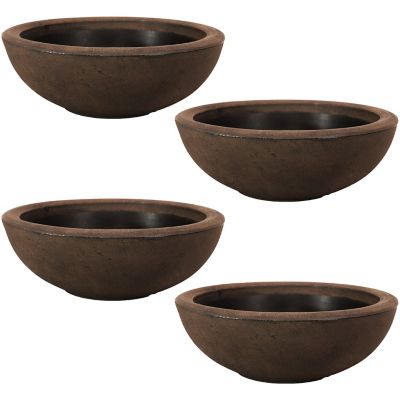
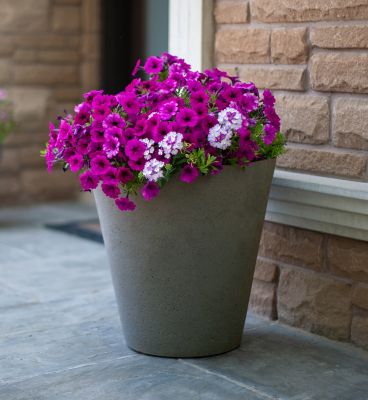
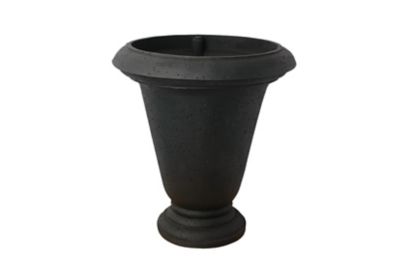
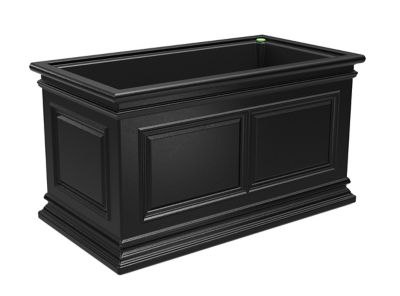
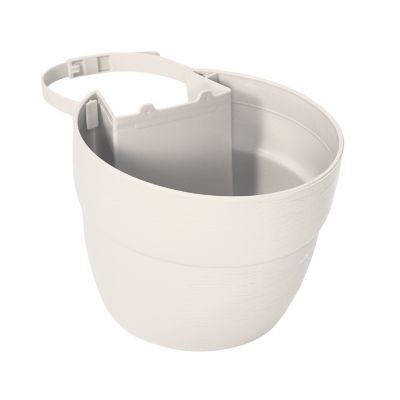
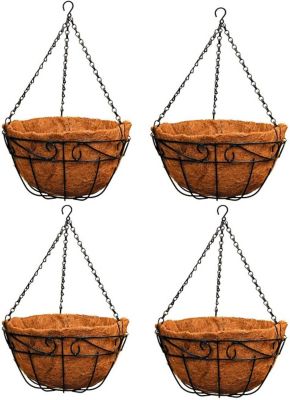
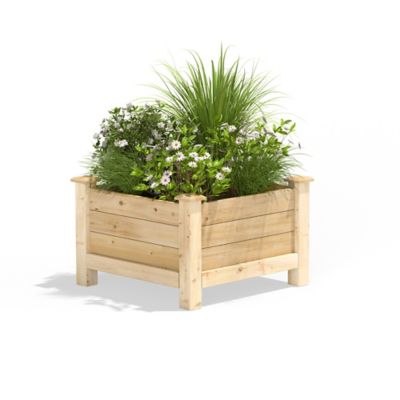
Porch planters bring a little growing room right up to the front door, whether that means a pair of tall containers beside wide steps or a low bowl of greenery near a favorite rocking chair. They give flowers, foliage and herbs a place to settle without requiring a garden bed, making them a good fit for farmhouse porches, small stoops, covered entries and wraparound spaces. The right size has as much to do with everyday foot traffic as it does with appearance. A planter should leave room for the screen door to swing, a feed sack to pass through and folks to come and go without brushing against stems. On a narrow porch, a container with a smaller footprint can tuck beside a post, while a broad landing may have room for a larger vessel with a generous planting area. Height matters, too: a tall planter can frame an entry, but its outside dimensions do not always tell the whole story about root space. Interior depth, the width of the opening and any raised insert determine how much potting mix and root growth it can hold. Plants with deeper roots need a different setup than a shallow arrangement of compact greenery. A wide base helps support fuller plants, especially where people or pets might bump the container. For a balanced look, matching planters create a tidy welcome, while different sizes in a shared color or material can feel more relaxed. Simple shapes sit comfortably beside porch swings, wooden benches and painted railings without making the entry feel crowded. For folks drawn to earthy finishes and the look of country living,
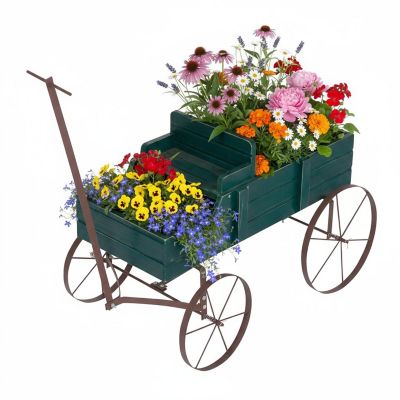
Rustic Planters offer another direction to consider alongside the porch’s existing woodwork and hardware. The goal is a planting space that looks at home and still leaves plenty of room for daily life.
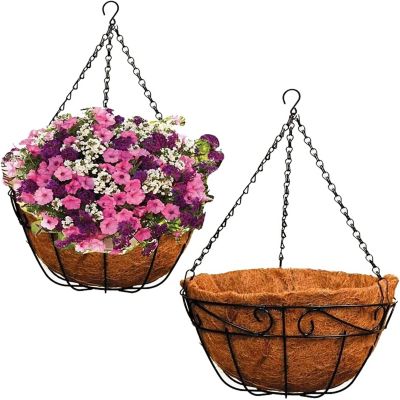
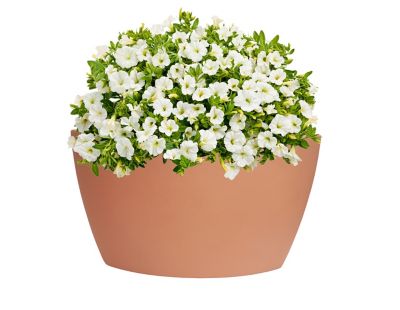
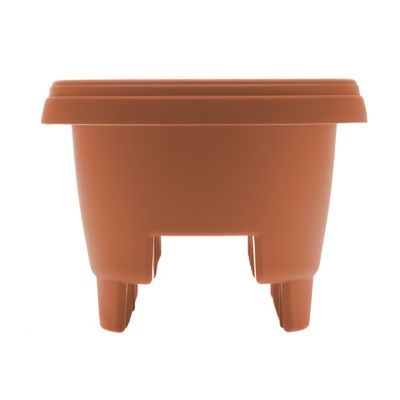
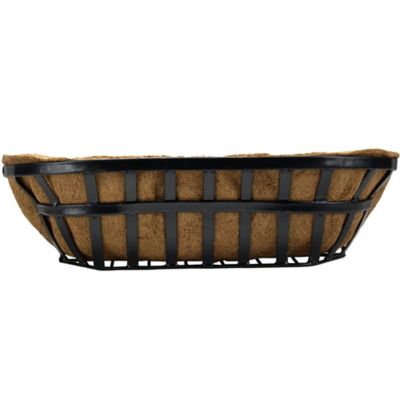
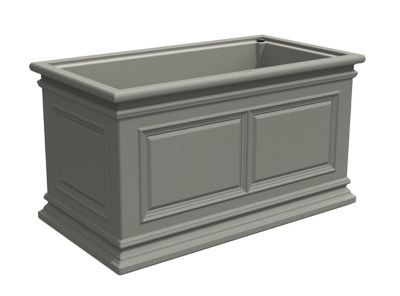
Material makes a real difference in how porch planters look, feel and handle routine use. Terracotta has an earthy appearance and porous walls that allow moisture to escape, so potting mix may dry faster than it would in a less porous container. Glazed ceramic offers a smoother surface and a range of colors, though its weight deserves attention before filling or moving it. Concrete can provide substantial weight at the base, while resin and many plastic containers are lighter to carry when empty. Wall thickness, construction and finish all affect how a planter stands up to bumps, handling and repeated cleaning; material alone does not tell the full story. Metal brings a crisp outline or an agricultural feel, depending on its shape and finish, and its long-term appearance depends partly on the protective coating and how well excess water drains away. Wood adds natural grain and pairs easily with plank floors and porch posts, though care requirements vary by wood type and surface treatment. Liners can help separate damp potting mix from some container walls, but the planting setup still needs a path for excess water to escape. Drainage holes are an important detail for planted containers because roots need air as well as moisture. A planter without an outlet may work as an outer holder for a separate nursery pot, provided collected water can be emptied. Saucers help catch runoff, but standing water should not remain around the inner pot’s base. On painted wood or other moisture-sensitive porch surfaces, feet or risers can create clearance underneath, making it easier to check for trapped dampness and clean away loose soil. Filled weight also matters, particularly on raised porches and steps. A large container full of moist potting mix can be much harder to shift than its empty weight suggests, and heavier arrangements need a sound, level surface. Checking the planter’s care directions and the porch’s load limits helps match the container to its intended spot rather than discovering a problem after planting.
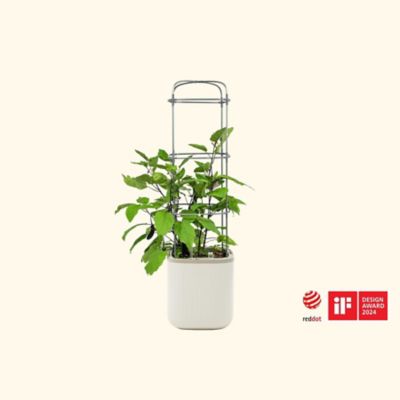
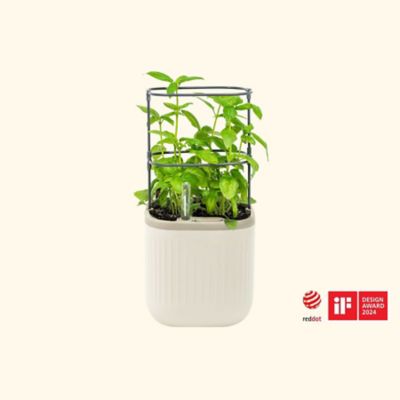
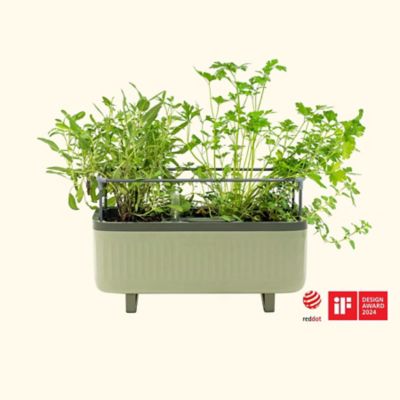
How a porch planter will be tended is just as important as how it looks from the driveway. Someone who enjoys tending flowers every day may appreciate several smaller containers, while a person with a busy chore list may prefer fewer, roomier planters that are easier to reach and check. Plant choice should suit the amount of light reaching the porch, the container’s root space and the attention available for watering. A roofed entry can offer very different growing conditions from an open landing, and even opposite ends of the same porch may receive different amounts of direct light. Grouping plants with similar moisture and light needs helps keep an arrangement manageable. Upright foliage gives a container height, rounded plants fill the middle, and trailing growth can soften the rim, though mature spread should stay clear of walking paths and steps. For herbs or other edible plants, a container intended for growing food, suitable potting mix and enough room for roots are practical starting points. Households with pets or small children may also want to consider plant safety and keep loose saucers, trailing stems and unstable containers away from busy corners. Everyday care is easier with an opening wide enough to reach the soil, a manageable rim height and access to drainage holes. An occasional wipe or gentle scrub can lift soil marks and mineral buildup; the proper cleaning method depends on the finish. Empty containers are generally easier to inspect for cracks, worn coatings or blocked outlets before replanting. Porch planters can also make thoughtful housewarming gifts for gardeners, new homeowners or anyone who enjoys a welcoming entry. A manageable size and a finish that fits the recipient’s space often matter more than an elaborate shape. From a single pot beside the doorstep to a coordinated grouping along a roomy porch, a well-chosen planter gives plants room to grow while keeping the entry comfortable, useful and inviting.