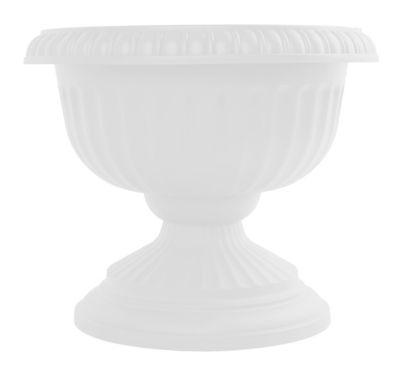
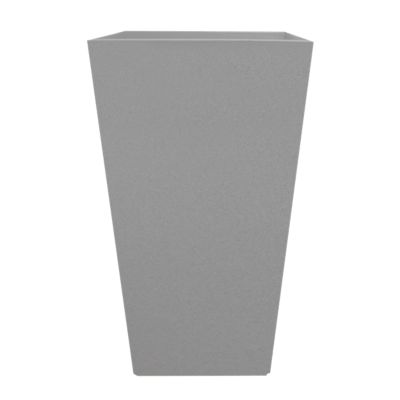
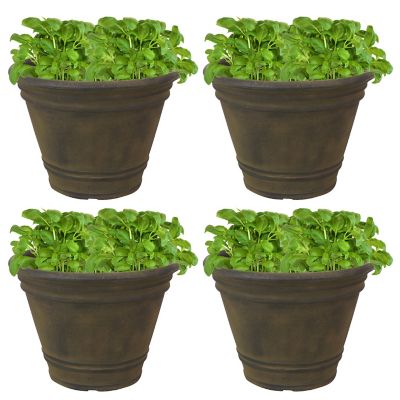
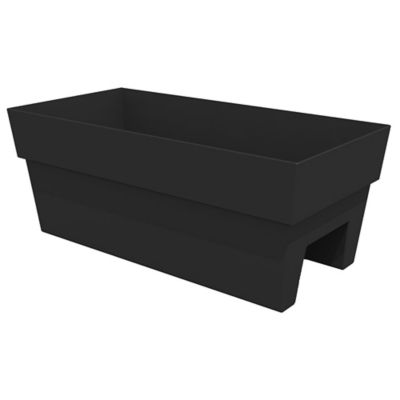
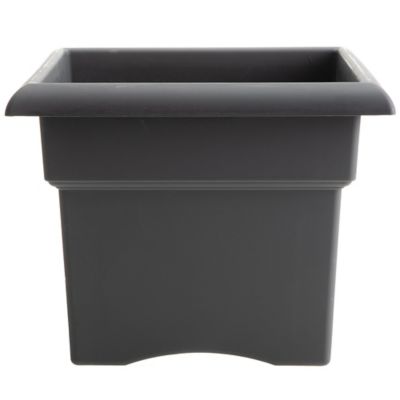
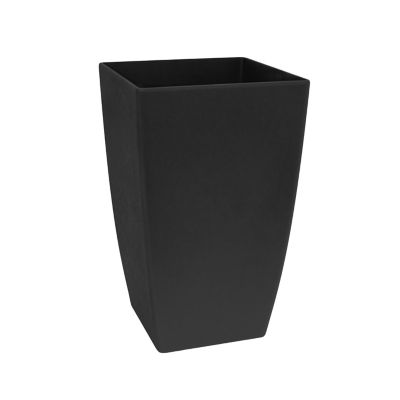
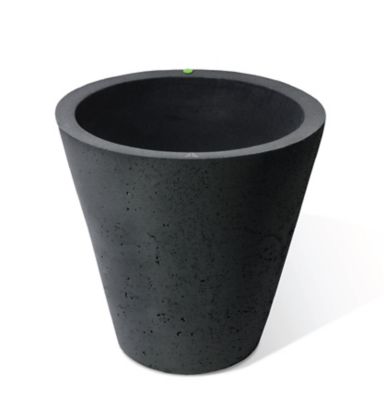
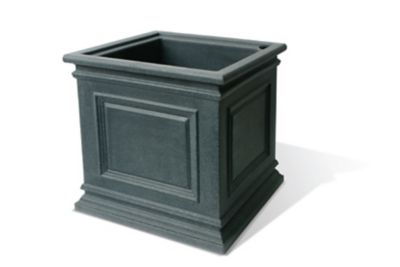
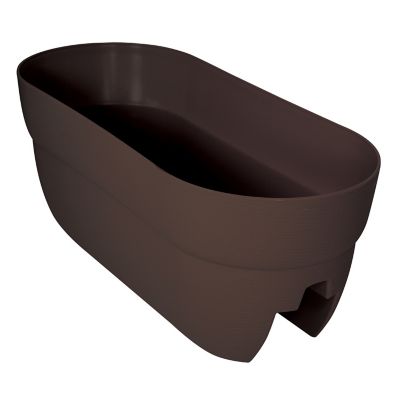
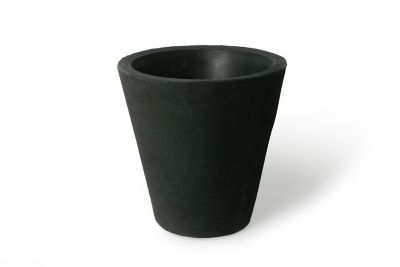
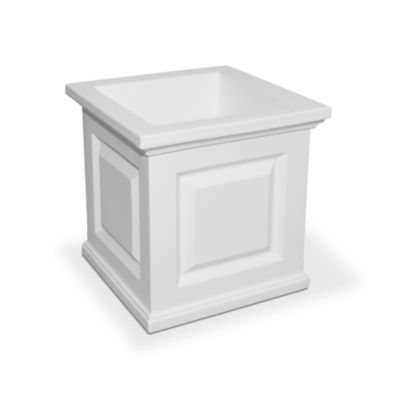
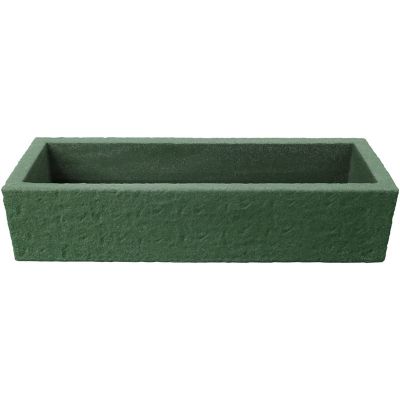
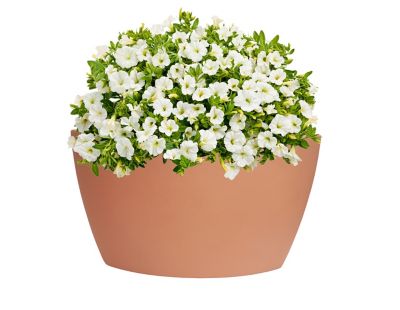
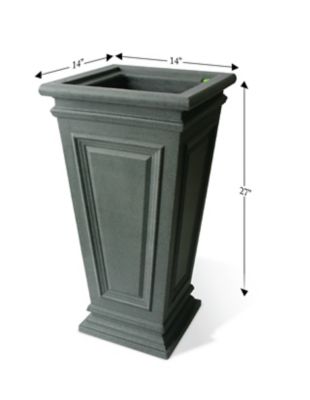
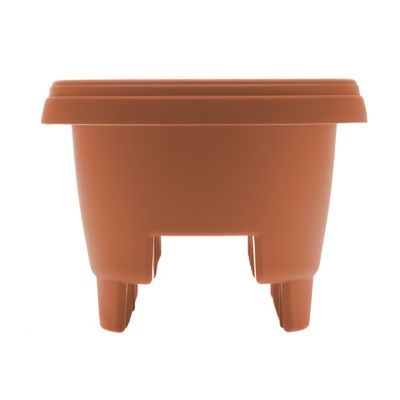
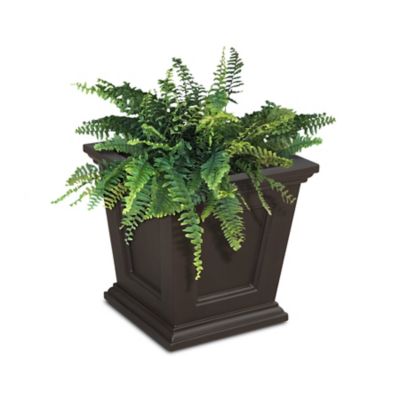
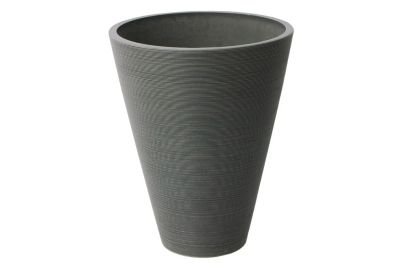
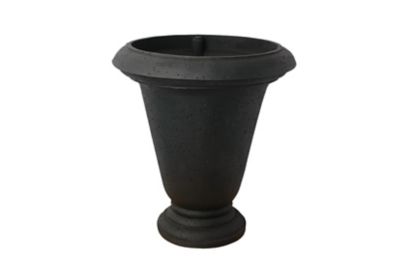
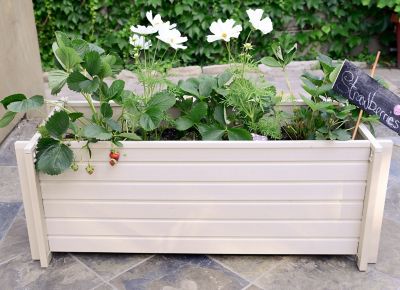
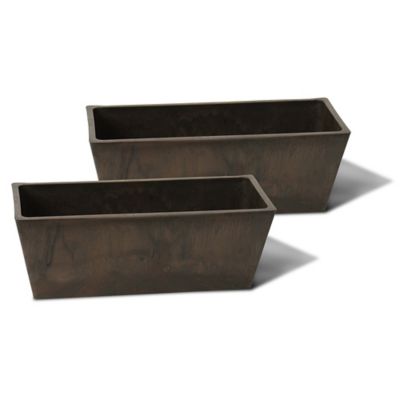
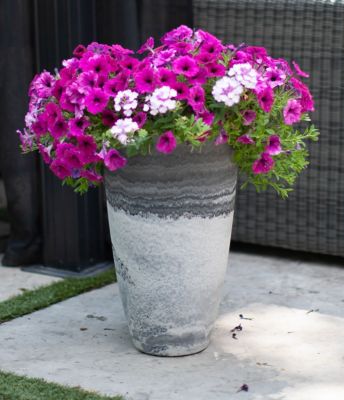
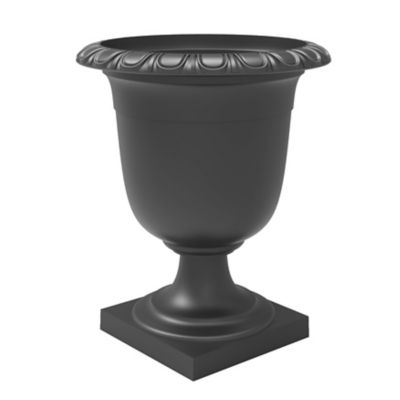
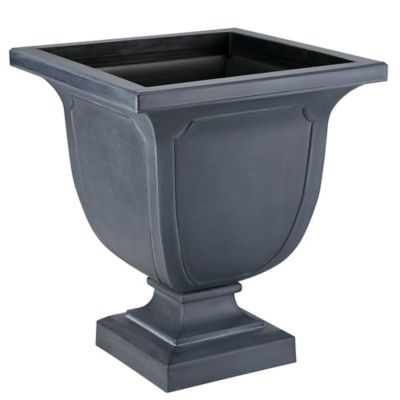
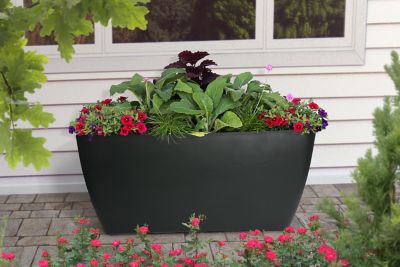
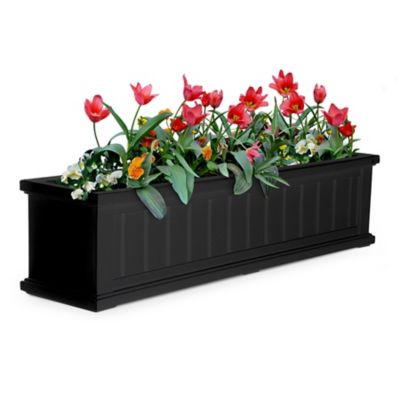
Plastic planters make room for growing just about anywhere there’s suitable light, from a sunny kitchen window to the stretch of porch beside a pair of muddy boots. Their relatively light weight makes them practical for gardeners who rearrange containers, bring tender plants inside during cooler weather, or simply prefer a pot that’s easier to handle before it’s filled. A container garden can put herbs close to the back door, add foliage around a sitting area, or give flowers a place where the ground is too rocky for planting. Plastic also offers plenty of variety in shape and finish. Smooth sides have a clean, simple look, while molded textures can bring the appearance of stone or clay without the same empty-container weight. Earth tones settle naturally against brick steps, gravel paths, and weathered siding; brighter colors give a plain entryway a little more personality. Round pots work well for individual plants, broad bowls leave room for lower-growing arrangements, and rectangular containers can follow the edge of a patio or fit along a windowsill. Matching the container’s footprint to its setting matters as much as choosing a color. A roomy porch might suit a cluster of larger planters, while a narrow walkway calls for a shape that leaves boots, grocery bags, and garden carts plenty of passing room. Tall containers can frame a doorway, though height alone doesn’t tell the whole story about planting space: some designs have raised bottoms or inserts that reduce the depth available for roots. For a gardener tending a few herbs, a family adding greenery near the house, or someone growing on a small rental patio, plastic planters offer a straightforward way to make the most of the space at hand. They can also make a thoughtful gift for a plant-loving neighbor, especially when the size suits a plant and a spot they already have in mind.
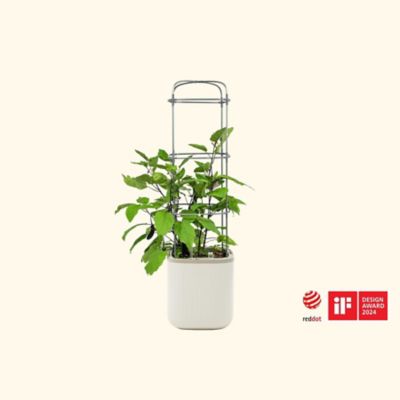
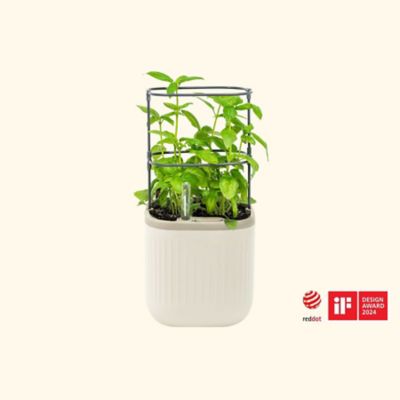
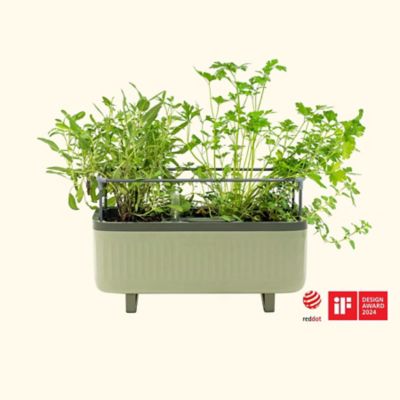
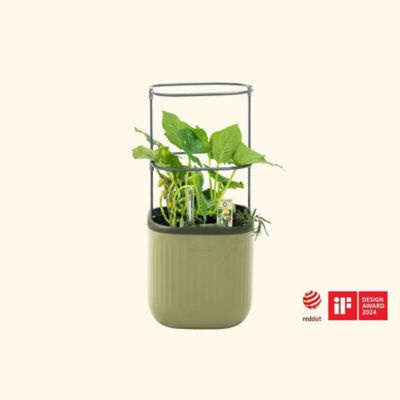
A good fit starts with the plant’s roots and the amount of soil the planter can hold. Compact herbs and small foliage plants have different needs from vigorous vegetables, spreading flowers, or shrubs intended to stay in containers for several growing seasons. Both width and usable depth matter, and outside measurements may include a wide rim or tapered sides rather than reflect the full planting area. A pot that gives roots room to develop without surrounding a small root ball with excessive wet soil is generally easier to manage. Drainage deserves just as much attention. Plastic doesn’t let moisture evaporate through its sides the way unglazed clay does, so potting mix may stay damp longer under similar conditions. That can be helpful on a breezy porch, but it also makes drainage openings and a suitable container mix important. Designs vary: some have open drainage holes, some have designated knockout points, and some are intended to hold a separate nursery pot rather than receive soil directly. A planter without an outlet needs particular care outdoors, where rain can collect beyond what the plant can take up. Indoors, a properly sized saucer or watertight outer container helps catch drainage, although overflow and trapped moisture can still harm wood floors and furniture. Self-watering styles add another option, with a reservoir that supplies moisture through a wicking system. They still need monitoring, and their suitability depends on the plant, the potting mix, and the growing conditions. Around a busy household, details such as a broad base, a manageable rim, and enough room for a saucer can make everyday tending less awkward. A large container may be light when empty but quite heavy once filled with damp soil, so its final placement is worth settling before planting. On a deck, balcony, or elevated stand, the weight of the whole setup matters, not just the pot. For edible plants, look for manufacturer information confirming the container is intended for that growing use rather than assuming every plastic vessel is suitable.
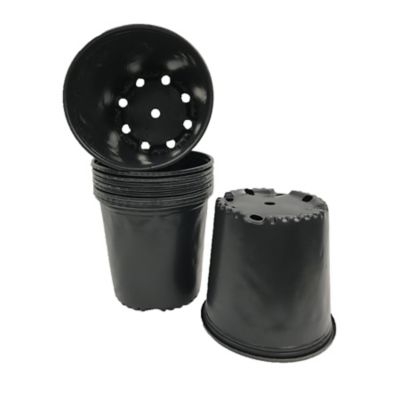
How a plastic planter holds up depends on its material, construction, exposure, and care. Resin blends and wall thickness vary, and a flexible nursery-style pot behaves differently from a thicker molded container meant for a permanent spot near the house. For outdoor placement, manufacturer details about sunlight exposure, temperature limits, and UV protection are more useful than appearance alone. Strong sun can fade some plastics or make them brittle over time, while cold conditions can leave certain materials more vulnerable to cracking if they’re bumped or dropped. Water trapped in a container can also expand when it freezes. During the cooler months, open drainage paths and sensible shelter help protect the planter, though the needs of the plant come first: a frost-tolerant pot does not make tender roots safe from freezing. Containers near a barn wall or on an open porch may also face gusts that a sheltered patio never gets. A wider base and a proportionate plant help with stability, especially when tall stems catch the wind. Routine care is generally simple. Loose soil can be brushed away, and many plastic surfaces clean up with water, mild soap, and a soft cloth or brush, followed by a thorough rinse. Following the maker’s cleaning directions helps avoid scratches or damage from harsh cleaners. Before replanting, clearing roots and debris from drainage holes keeps water moving; containers that held diseased plants may need additional sanitation appropriate to the material and plant problem. Empty pots store best clean and dry, with care taken not to jam nested rims together or leave them where equipment can strike them. For spaces that mix painted trim, stone paths, and natural lumber, plastic containers can sit comfortably alongside
wooden planters, letting each material serve a different part of the yard or porch. The right combination of planting room, drainage, manageable weight, and weather suitability keeps the focus where it belongs: on healthy roots, steady growth, and a patch of green that fits everyday life.