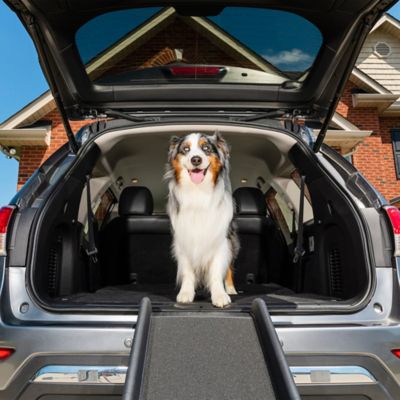
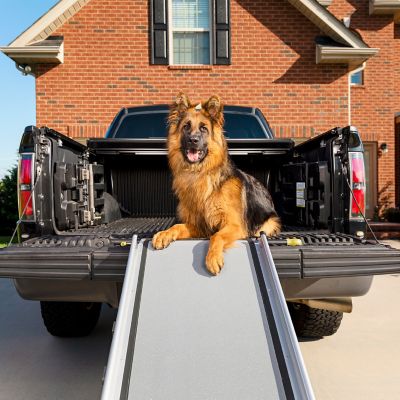
Big dogs bring plenty of company along for the ride, but getting a heavy dog into a pickup or onto a favorite resting spot can take some planning. Pet ramps for large dogs provide a sloped walking surface between two heights, giving dogs an alternative to jumping and owners an alternative to lifting. They can be a practical addition for older companions, dogs with limited mobility, and full-grown breeds that are simply too heavy to scoop up comfortably. The main considerations are weight capacity, walking width, traction, ramp length, and a secure fit at both ends. A ramp’s stated weight limit should cover the dog’s full weight, and its intended use should match the setting, whether that’s a vehicle entrance or a couch in the living room. Weight ratings of 200 to 300 pounds or more appear in this category, but capacity alone doesn’t tell the whole story. A broad-chested dog also needs room to place its paws naturally without crowding the edges. Walking widths around 17 to 18 inches can be a starting point for comparison, though especially broad dogs or those with an uneven gait may need more space. Check the usable walking surface rather than relying on the overall width, which may include side rails. Length matters just as much: at the same entry height, a longer ramp creates a gentler slope. A high truck bed generally calls for more ramp length than a low couch, and even a ramp longer than 70 inches may be too steep for some vehicle entrances or some dogs. The best fit depends on the actual rise, the space on the ground, and the dog’s comfort and mobility. For a dog managing arthritis, recovering from surgery, or showing signs of pain, a veterinarian can help determine whether a ramp is appropriate and what movement limits matter. A ramp offers another route up and down; it isn’t a treatment or a guarantee against injury.
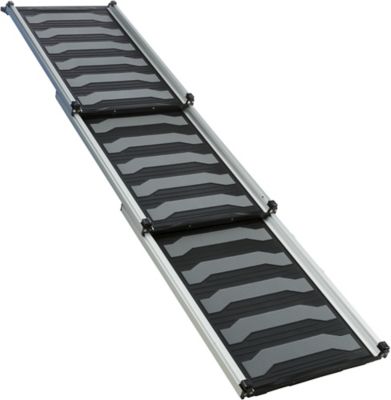
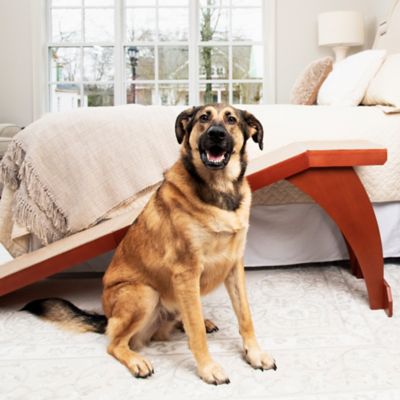
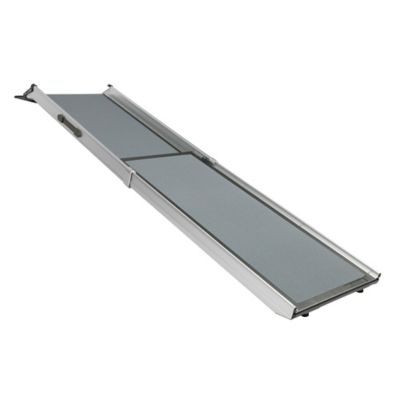
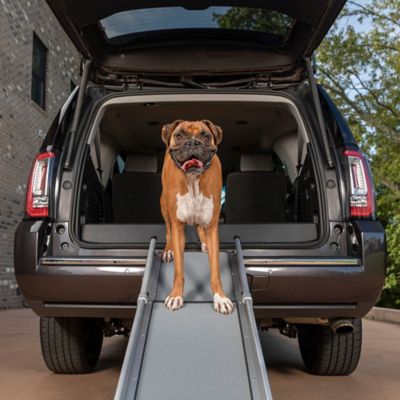
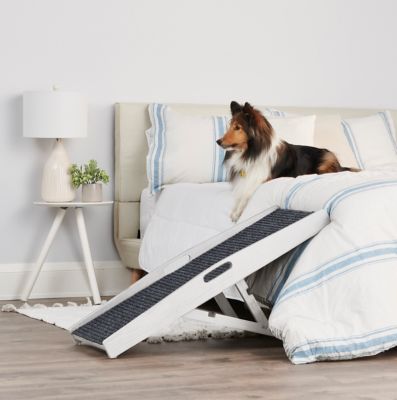
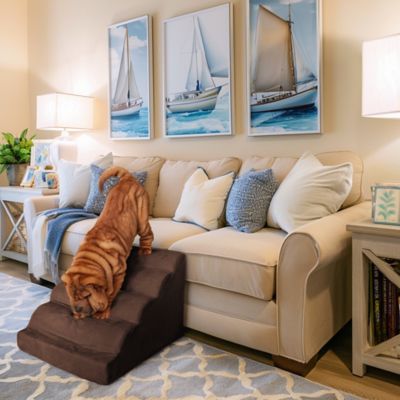
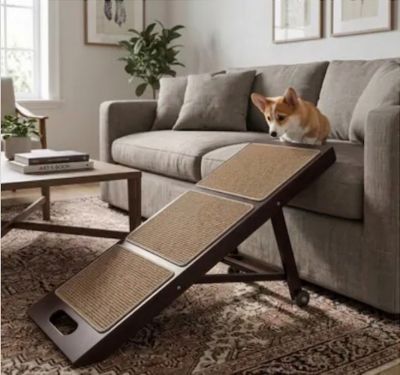
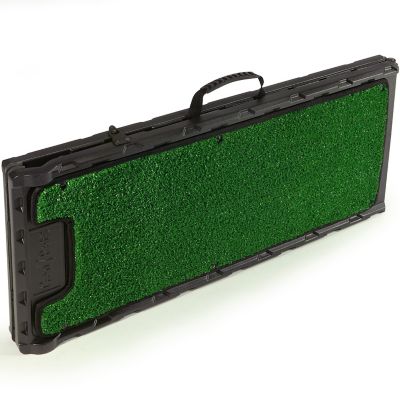
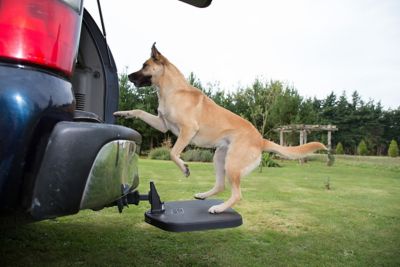
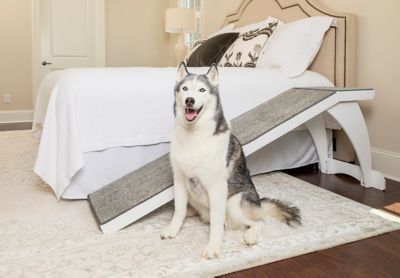
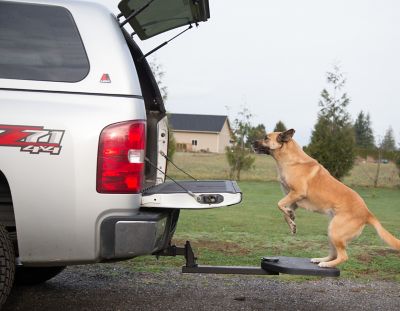
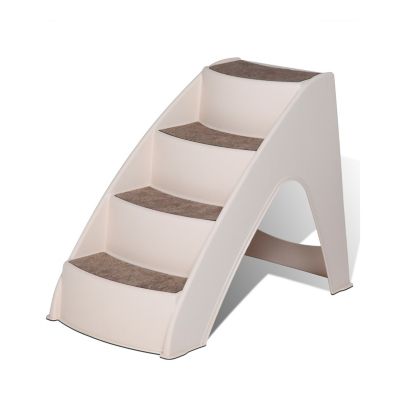
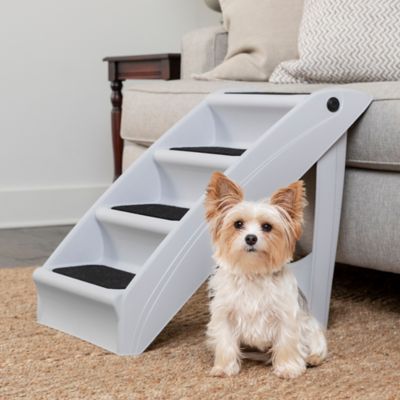
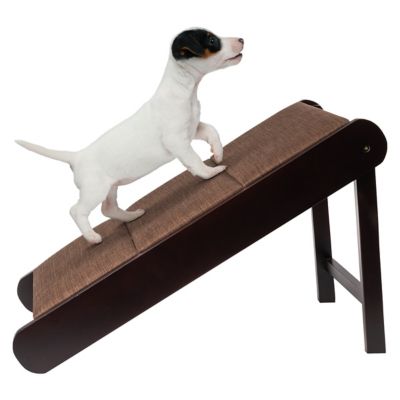
Vehicle ramps and indoor dog ramps have different jobs to do, and their construction usually reflects that. For trips down gravel roads, visits to the veterinarian, or weekends away, folding and telescoping ramps offer ways to carry a longer walking surface without leaving it stretched across the cargo area. Aluminum can help keep carrying weight manageable, while molded plastic and composite construction offer other balances of weight, structure, and upkeep. The ramp itself still needs to be manageable for the person unloading it, especially when a leash, winter coat, and muddy paws are part of the routine. Carry handles, secure folding latches, and a shape that fits behind a seat or alongside travel gear can make everyday handling easier. At the vehicle, the upper contact point needs to sit securely on a surface approved by the ramp manufacturer, with the lower end resting on firm, level ground. A bumper, door sill, and cargo threshold aren’t interchangeable mounting points, and a side-door opening may leave less room than a rear hatch. Attachment straps or retaining hardware, when included, should be fitted as directed before the dog steps aboard. Freestanding ramps support themselves through their own frame, while other designs depend on the upper landing for support. Indoors, wood or furniture-style frames may suit a fixed spot beside a bed or couch, with rubber feet helping limit movement on compatible flooring. Adjustable-height designs can accommodate different landing heights within their stated range, but the slope and frame stability still matter at every setting. Raised edges provide a visible boundary; they don’t replace supervision or keep every dog from stepping sideways. At the bottom and top, leave enough room for the dog to approach, step off, and turn without squeezing around a table or laundry basket. For a resting place closer to floor level,
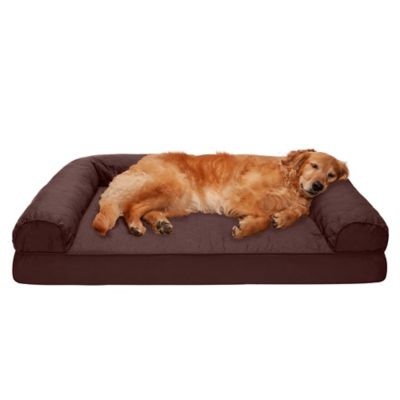
Pet Sofas For Large Dogs offer another option to consider alongside the space and access needs of a bigger companion. Whether the destination is a vehicle or a soft place to settle, the ramp should meet the landing without an awkward gap or a loose, rocking connection.
Traction makes a noticeable difference when a large dog puts its weight onto an incline. Textured rubber, carpeted surfaces, and other grip-focused coverings each have their own feel underfoot and care needs. Rubber surfaces may wipe clean readily, while carpet can offer a familiar feel indoors but hold hair, dirt, and moisture. Coarse traction coatings deserve a close look for dogs with sensitive paw pads, and any covering should stay firmly attached without curled corners or loose patches. During the cooler months, wet leaves, tracked-in mud, frost, and melting snow can change footing quickly. No walking surface is slip-proof, so clearing debris and drying the ramp before each crossing matters even when the tread feels grippy. Outdoor suitability varies by material and construction; a ramp intended for indoor furniture shouldn’t be left beside the porch unless its instructions allow outdoor exposure. Routine care includes checking hinges, telescoping tracks, fasteners, support legs, and contact pads for looseness, damage, or wear. Cleaning according to the manufacturer’s directions helps protect both the surface and the frame, and letting everything dry before folding or storing helps keep moisture from lingering in covered areas. Long-term service depends on those small checks as well as the materials themselves. A strong frame won’t make up for a worn tread or a latch that no longer holds. Dogs also need a chance to get comfortable with a new walking surface. For many, short, supervised introductions on a flat surface, with a few treats and no rushing, help build familiarity before adding an incline as the design permits. Keep hands clear of folding joints, keep the path open, and never force a hesitant dog across. For households with more than one pet, one dog at a time keeps traffic simpler. Large-dog ramps can also make a thoughtful, practical gift for someone who travels with a big companion, provided the dog’s measurements, destination height, and owner’s carrying needs are known. The right match fits the everyday routine, from loading up for a drive to settling down after a walk around the property.