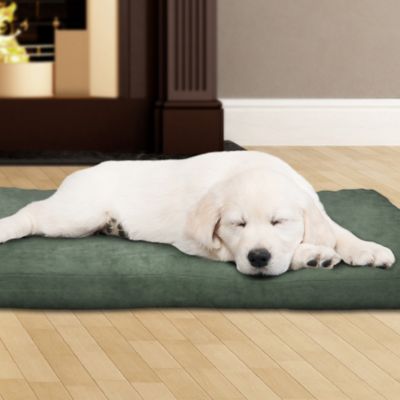
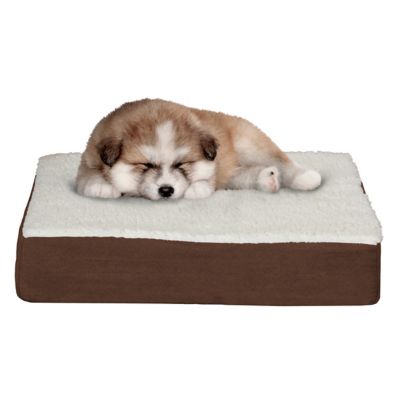
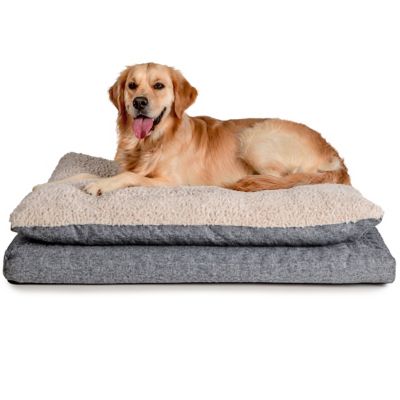
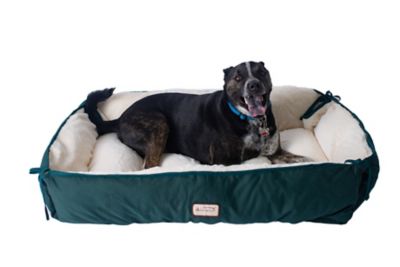
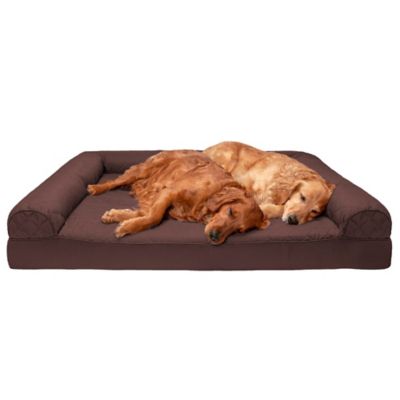
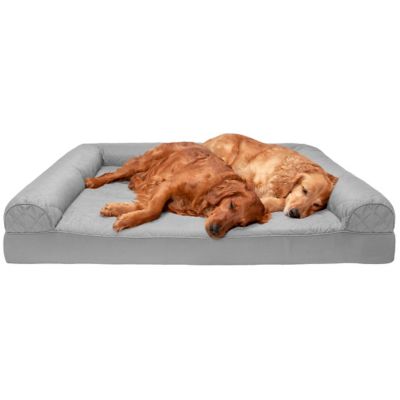
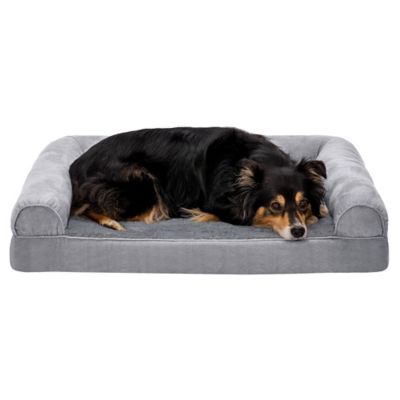
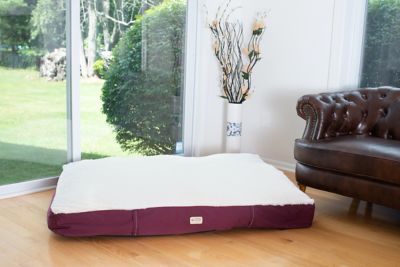
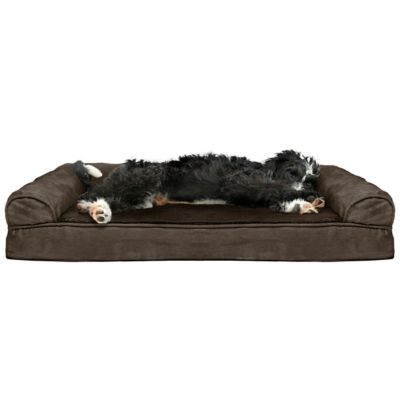
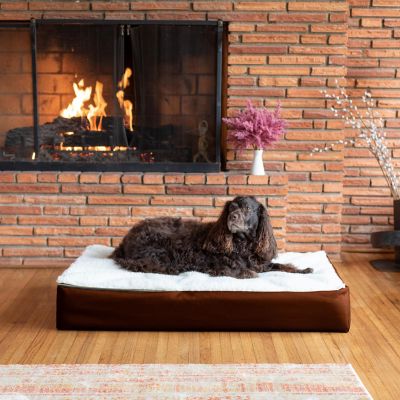
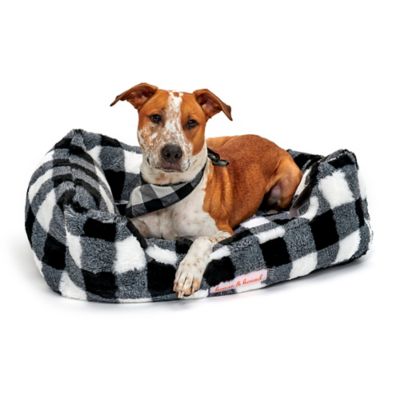
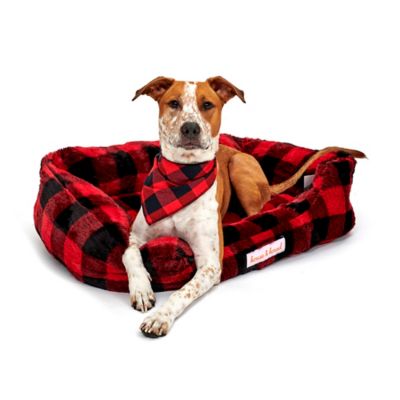
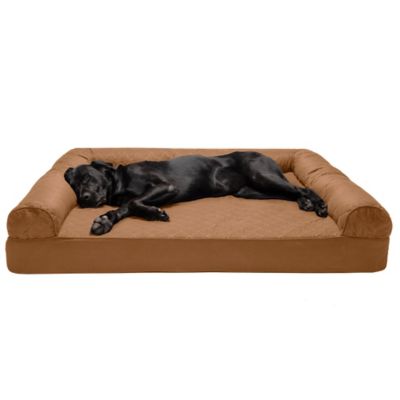
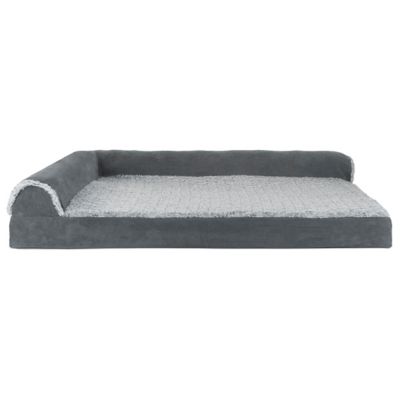
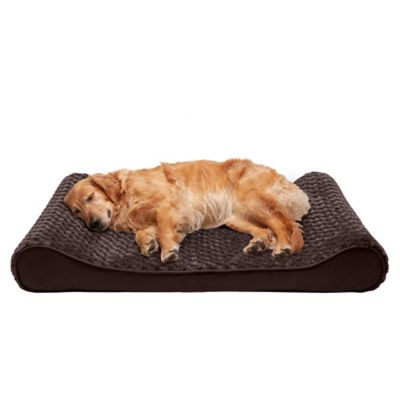
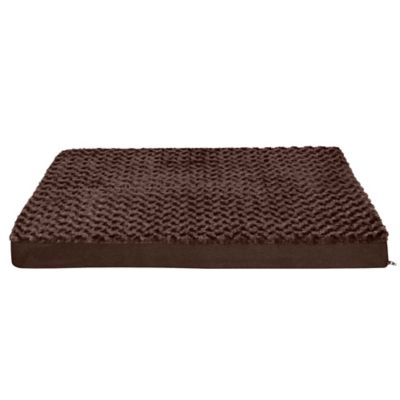
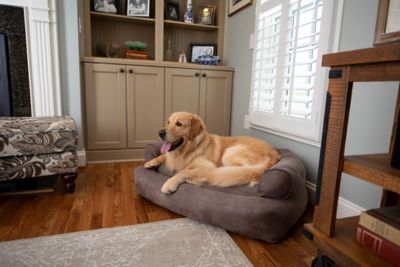
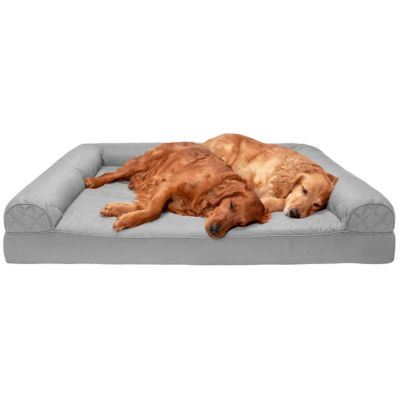
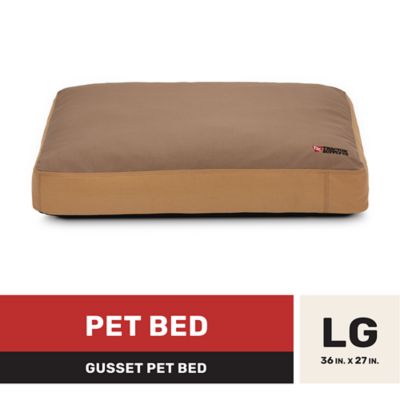
Finding a comfortable place for a big dog to stretch out can make a real difference in the way they rest, move and settle in at home. Dog beds for large dogs are built with more room and stronger support than standard beds, giving full-size breeds and broad-chested mixes a spot where their whole body can relax without hanging over the edge. A good bed may be used in the living room near the family, in a quiet corner away from foot traffic, beside a crate or kennel, or in a mudroom where your dog can dry off after time outside. Large dogs often spend a good part of the day resting, especially after a long walk, a day of helping around the yard or a lively game of fetch, so their bed should be more than a soft cushion that quickly goes flat. Look for a roomy sleeping surface that lets your dog lie fully sprawled out, along with enough thickness to keep hips, shoulders and elbows from pressing against a hard floor. Dogs that weigh more than 70 to 90 pounds may need an extra-large or giant bed, while long-bodied dogs may need additional length even if they are not especially heavy. To get a better fit, measure your dog from the tip of the nose to the base of the tail while they are stretched out, then add several inches for comfortable movement. It also helps to watch how your dog sleeps. A dog that curls into a tight ball may enjoy a bed with raised edges, while a dog that sleeps flat on their side will usually appreciate a wide, open sleeping area. Bolsters can give a dog something to lean against and may help create a snug, settled feeling, but they should not take away too much usable space. For older dogs, large breeds prone to joint stiffness and active dogs that spend a lot of time on their feet, supportive orthopedic foam can help cushion pressure points and make it easier to get comfortable. High-density foam or layered foam generally offers steadier support for a heavy body than loose fill alone. A thicker bed—often around 5 to 7 inches or more—can be especially helpful when the bed will sit on hardwood, tile, concrete or another firm surface. Keep in mind that a soft, puffy bed is not always the same as a supportive one; the best choice balances cushion with structure so your dog does not sink straight through to the floor.
Durability and easy cleanup matter just as much as comfort when you are shopping for dog beds for large dogs. Big dogs bring more weight, more hair and often more dirt in from the porch, pasture or backyard, so a sturdy cover with dependable seams and a strong zipper is worth looking for. A removable, machine-washable cover makes it easier to stay ahead of muddy paws, shedding, drool and the everyday smells that build up in a well-loved dog bed. A waterproof or water-resistant liner is useful for protecting the foam from accidents, damp fur and spilled water, especially for puppies, senior dogs or pets recovering from illness. If your dog digs at bedding before settling down, choose a fabric designed to handle scratching and nesting. Dogs that chew may need a more rugged construction, and no bed is completely chew-proof, so inspect the bed often and remove it if pieces begin to break loose. For homes with several pets, a large bed can give an aging dog or a nervous dog a dependable place to rest without competing for the couch. It can also be a thoughtful gift for someone welcoming a new large-breed puppy, adopting a shelter dog or caring for a beloved older companion. A bed placed near a favorite window lets a dog keep an eye on the driveway while resting, while one tucked beside a woodstove or family room chair can make cooler evenings feel more inviting. During warmer weather, breathable covers and airflow around the bed can help your dog settle without feeling overly warm; during the cooler months, a supportive bed raised slightly from a cold floor can provide a more comfortable resting place. Some households keep one bed indoors and another in a covered outdoor area, kennel or travel setup, but outdoor use calls for weather-resistant materials and a location protected from rain and standing moisture. If your dog likes to stretch out on the floor but still seeks a soft place at nap time, a flat mattress-style bed may be a better fit than a deeply enclosed design. If they prefer curling up with their head elevated, bolstered styles can offer a familiar place to lean. You can also create a coordinated resting area with
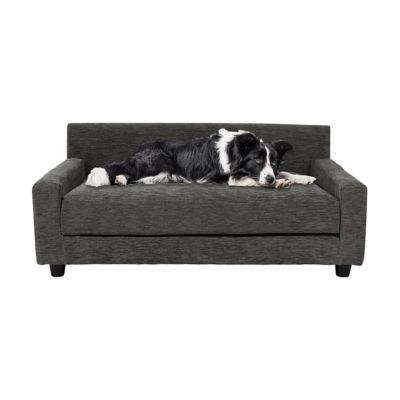
Pet Sofas For Large Dogs, especially in a family room where your dog spends time with everyone else. Before bringing a bed home, consider the available floor space, the bed’s overall dimensions, the cover material, cleaning instructions and how easily it can be moved for vacuuming. The right choice should give your dog enough room to rest naturally, hold up to daily use and fit into the way your household lives. A well-made bed becomes part of the routine: muddy paws get wiped down, a tired dog circles once or twice, and then settles into a dependable spot that supports them through every nap, overnight stretch and hard-earned rest.