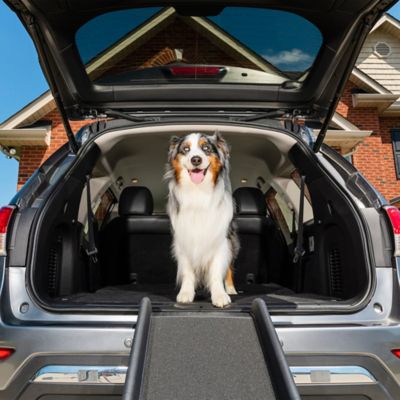
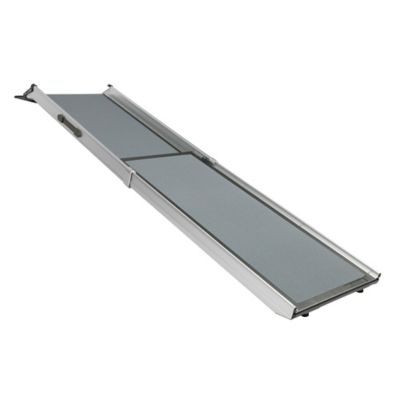
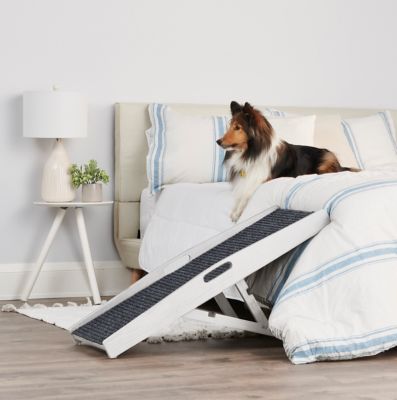
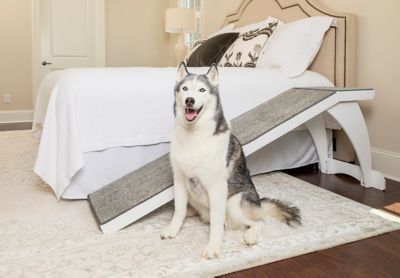
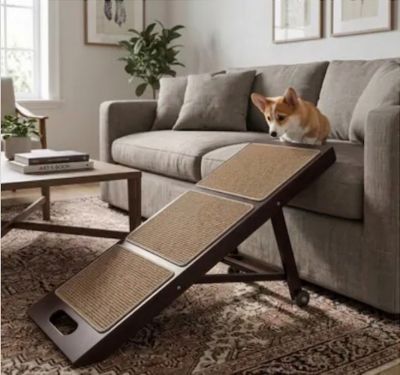
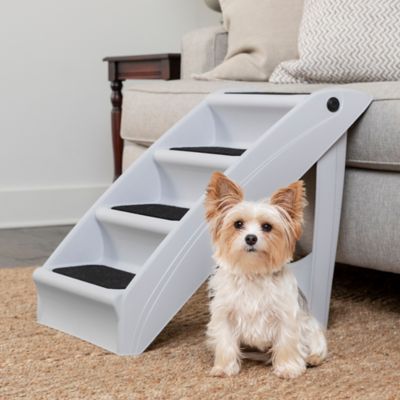
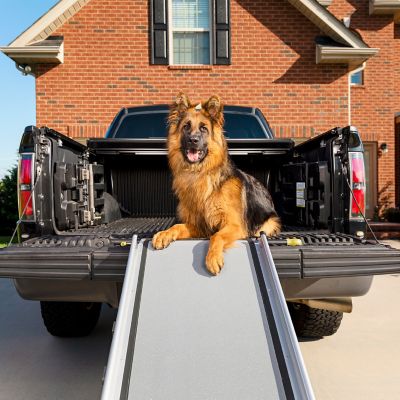
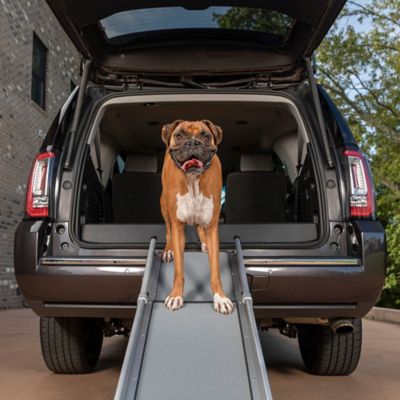
Pet ramps for small dogs give little legs a safer way to reach favorite spots without making repeated leaps from the floor to a couch, bed, porch, or vehicle. A jump that looks minor to us can be a big landing for a short-legged dog, especially for Dachshunds, Corgis, Basset Hounds, Shih Tzus, older pets, or dogs carrying extra weight. Repeated jumping may place added stress on a dog’s back, hips, knees, and other joints, while a ramp lets the dog move at a slower, more controlled pace. Ramps can also help puppies, senior dogs, dogs recovering from an injury, and pets with limited mobility stay close to the family instead of being lifted every time they want up or down. When choosing a ramp, start by measuring the height of the furniture or vehicle entry point and comparing it with the ramp’s usable length. A longer ramp generally creates a gentler incline, which is often more comfortable for small dogs with short legs or sensitive backs. A very steep ramp may save floor space, but it can be harder to climb and may cause a hesitant dog to turn around or slide. Check the listed weight capacity, too, and leave a comfortable margin rather than choosing a ramp that is rated only for your dog’s current weight. A small dog still needs enough room to place all four paws and walk naturally, so pay attention to the walking surface width as well as the overall dimensions. Low-profile ramps may work nicely beside a sofa or low chair, while a taller bed or truck entry may call for a longer, sturdier design. Some families use one ramp in the living room and move it to the bedroom at night; others keep a second ramp near the back door or vehicle for easier loading during trips to the veterinarian, groomer, or hunting cabin.
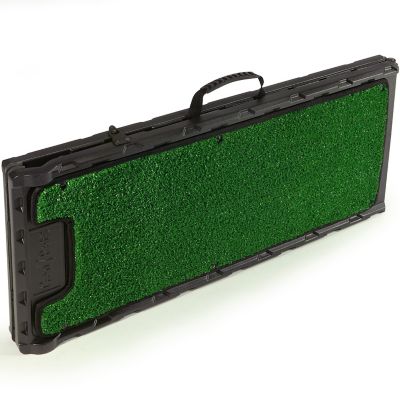
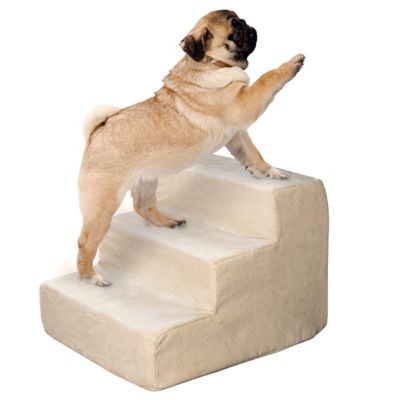
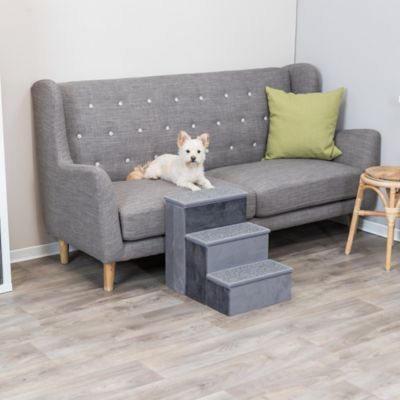
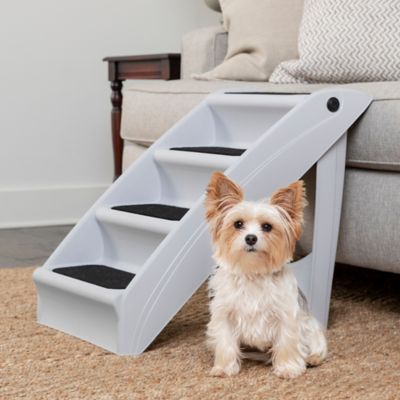
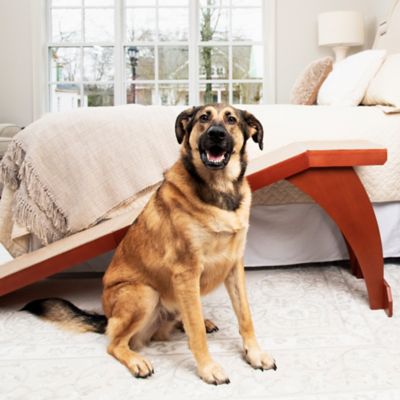
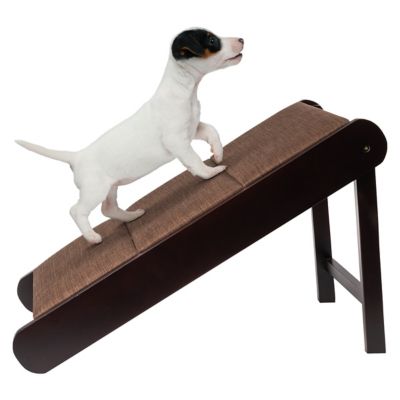
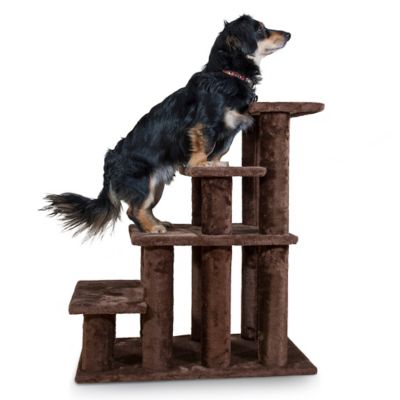
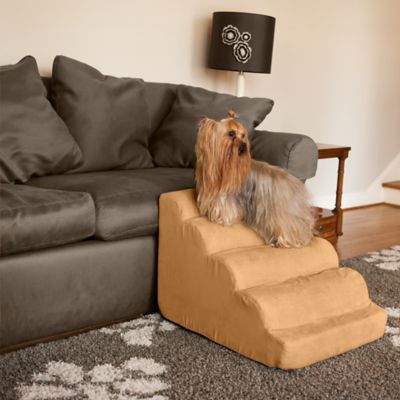
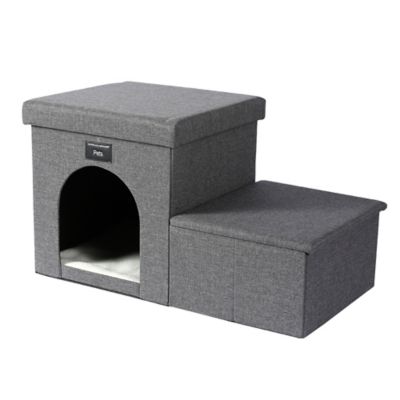
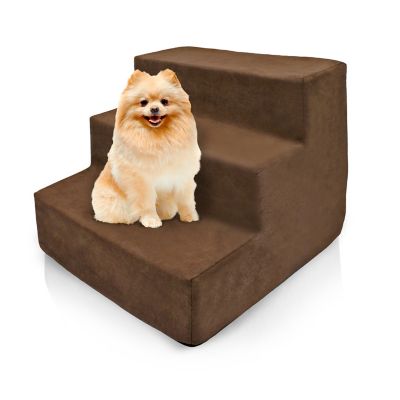
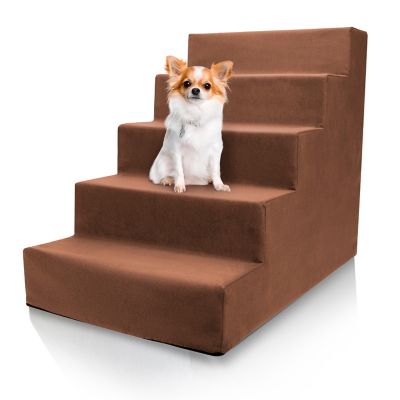
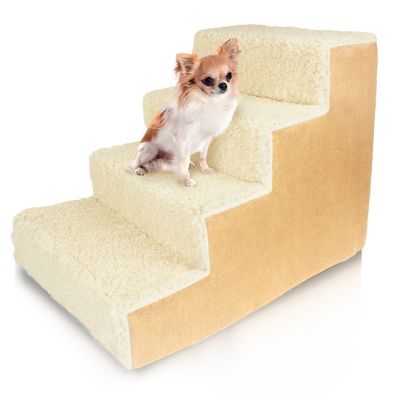
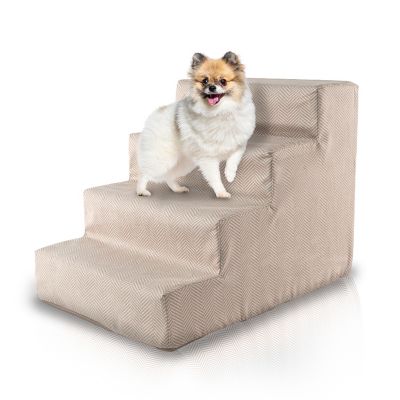
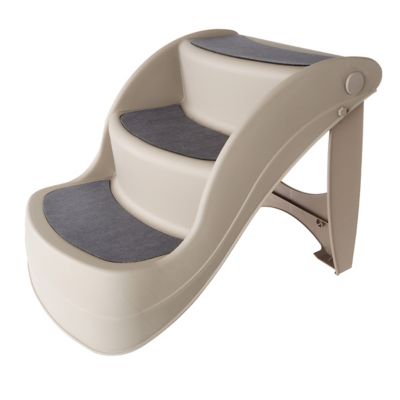
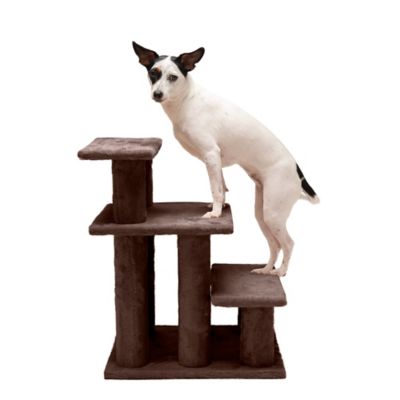
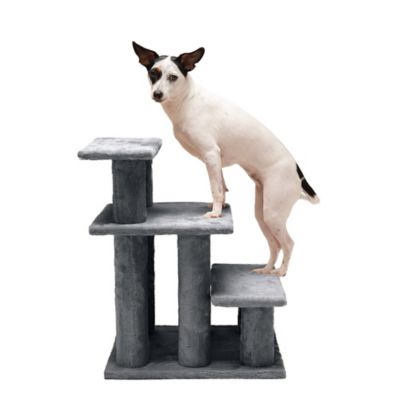
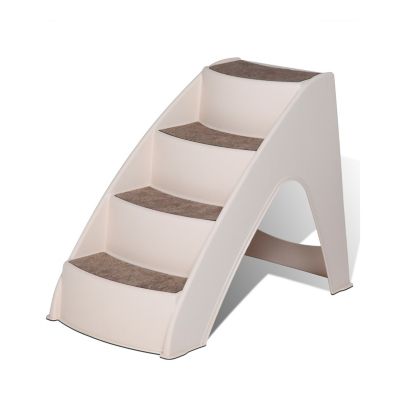
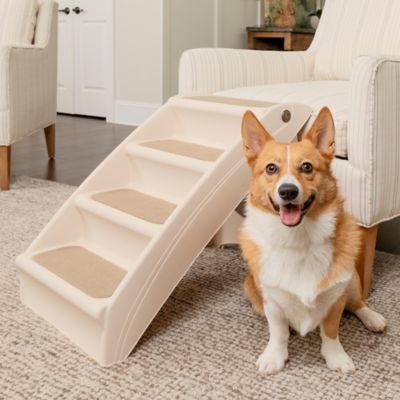
Traction and stability matter just as much as incline. Look for a surface with carpeting, textured fabric, rubber gripping, or another high-traction finish that helps tiny paws stay planted, even when the dog is excited or the ramp is placed on a smooth floor. A ramp that shifts, bows, or rocks underfoot can make a cautious pet refuse to use it, so a wide base, nonskid feet, secure locking points, and a solid frame are valuable features. Side rails can provide extra confidence and help keep a small dog from wandering off the edge, especially when the ramp is used beside a tall bed or in a dim room. Soft foam styles are lightweight and easy to move, and they can be a practical choice around low couches or chairs where a dog needs a short, gentle path. Wooden or framed ramps may offer more support for frequent use, larger small-breed dogs, or households that want a piece to stay set up in one place. Folding, telescoping, or adjustable designs are useful when storage space is tight, since they can be tucked beside a cabinet, under a bed, or in the back of a vehicle between uses. Some step-and-ramp combinations or storage-style pieces can fit neatly into a room while giving a dog another route onto low furniture. Whatever style you choose, inspect hinges, latches, seams, and traction material from time to time, and wipe away dirt, hair, mud, and spills before they build up. During the cooler months, wet paws and damp floors can make slipping more likely, so placing the ramp on a dry, level surface and keeping the approach clear is especially helpful. A ramp should never block a doorway, stairway, or walkway where people may trip. For vehicle use, make sure the ramp is fully supported, cannot slide away from the bumper or seat, and is packed securely before driving.
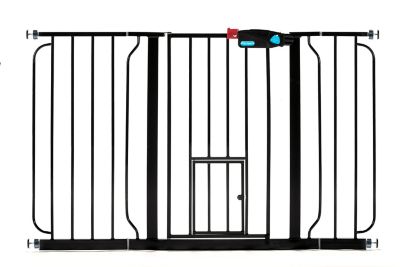
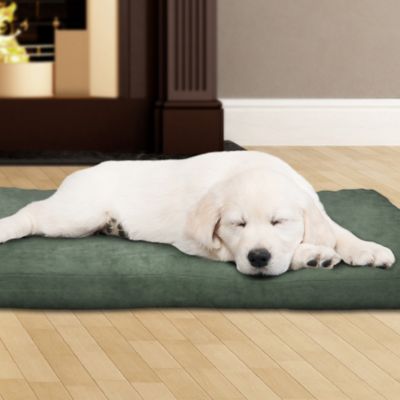
Most dogs need a little practice before they trust a new ramp. Set it on the lowest, steadiest surface first and let your dog sniff it without pressure. A few small treats placed near the bottom, in the middle, and at the top can turn the ramp into a familiar path rather than a strange object in the room. Keep the first sessions short, use a calm voice, and walk beside your dog with a hand near the harness or collar without pulling. Some dogs take to a ramp in one afternoon; others need several relaxed sessions before they are comfortable. Never force a nervous pet up a steep incline, and do not allow running, crowding, or rough play on the ramp. If your dog has pain, weakness, a recent surgery, or trouble with balance, follow your veterinarian’s advice about whether a ramp, steps, or being carried is the better option. Pet ramps for small dogs also make thoughtful gifts for new pet parents, families adopting a senior dog, and friends whose little companion is slowing down but still wants a spot beside them on the sofa. They are handy in homes with high beds, polished floors, multiple pets, or children who need a clear, dependable way to help a dog reach furniture without lifting. Pairing a ramp with a comfortable pet bed or a designated resting area can create a cozy place where a dog can settle safely while the household carries on. In homes where you need to limit access to certain rooms, a
Pet Gates For Small Dogs can help manage the space around the ramp and keep your companion away from stairs or busy work areas. With the right height, gradual slope, grippy surface, and steady construction, a small-dog ramp becomes part of the daily routine: a dependable little bridge from the floor to the family’s favorite perch.