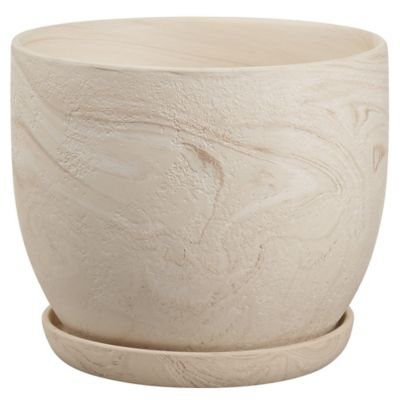
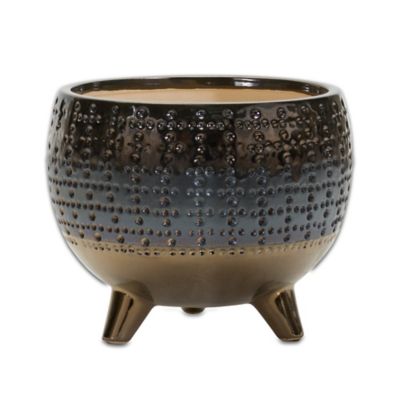
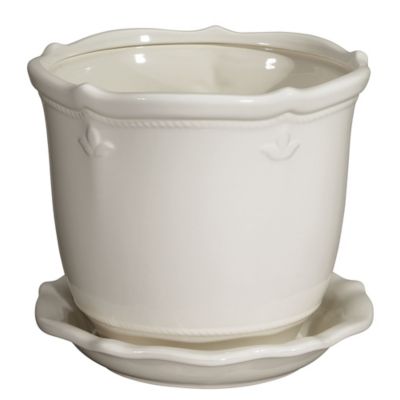
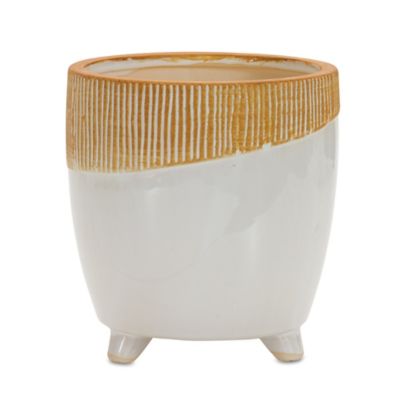
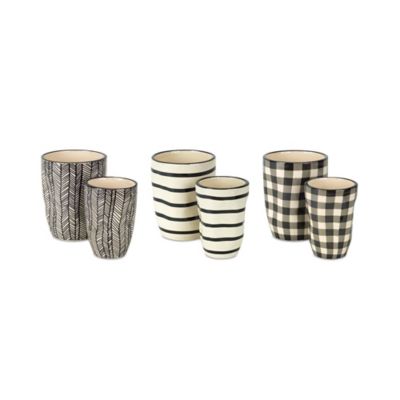
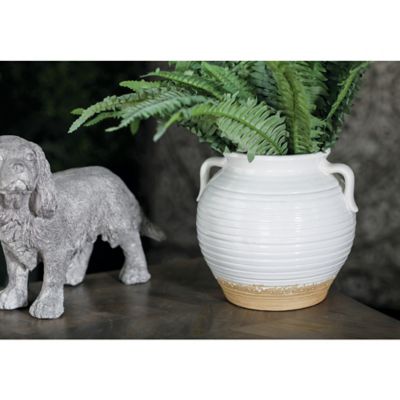
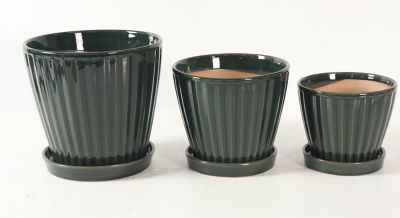
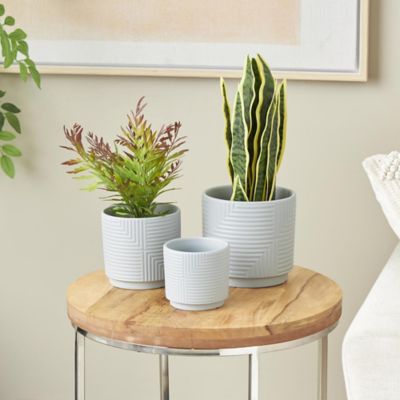
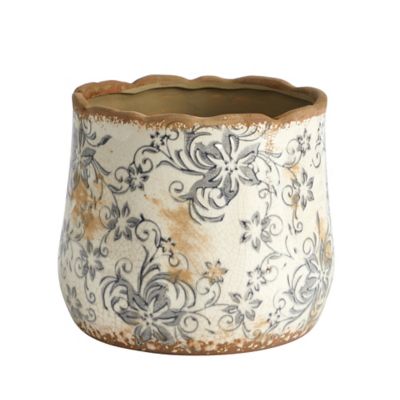
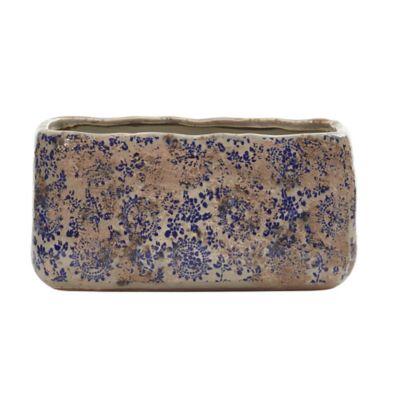
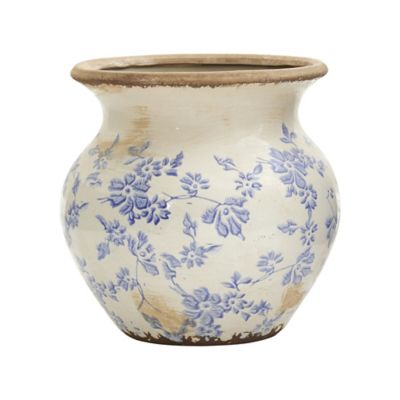
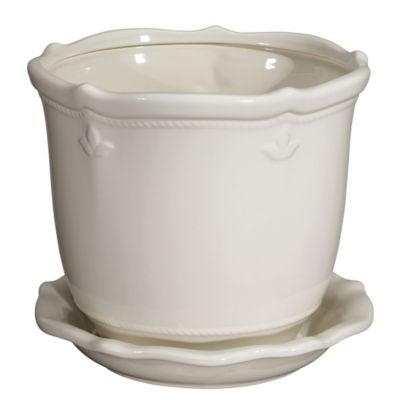
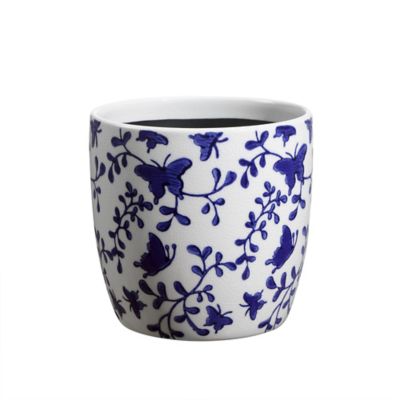
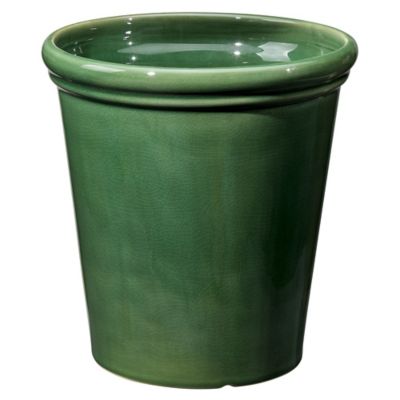
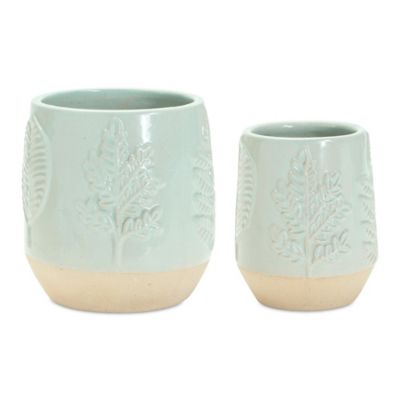
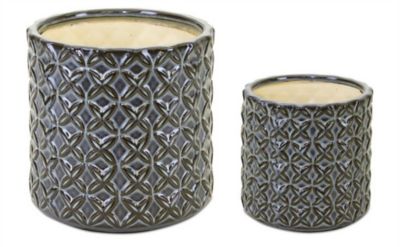
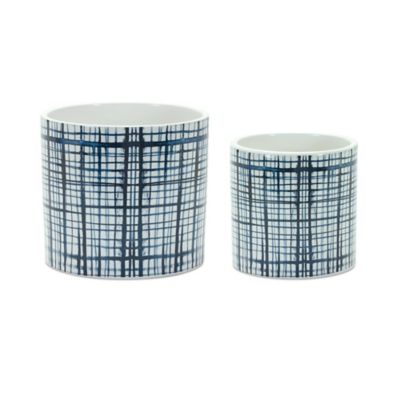
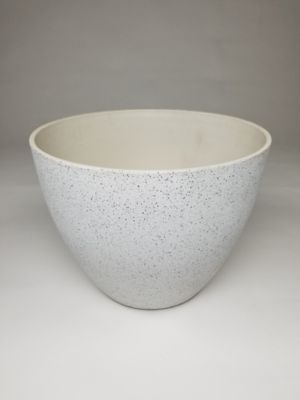
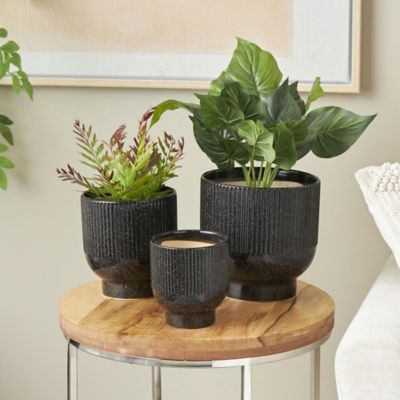
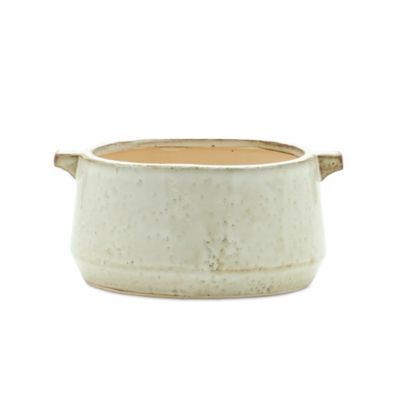
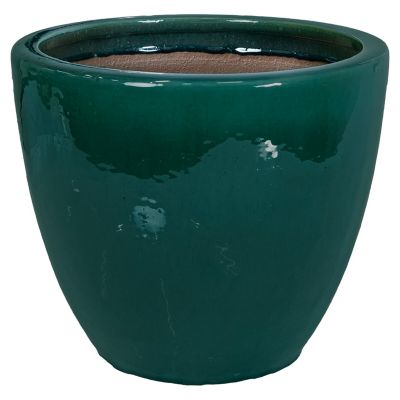
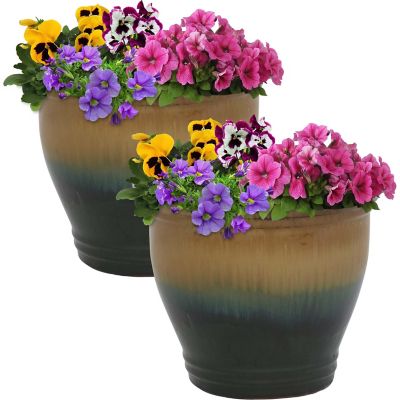
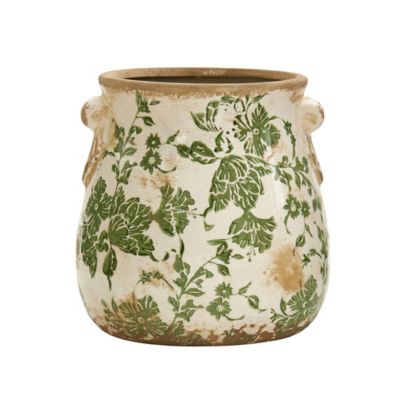
Ceramic planters for indoor plants bring a little weight, color, and character to rooms that could use more life. Their solid construction helps keep taller plants from tipping when a leaf catches a breeze from a ceiling fan or a curious dog brushes past the stand. You’ll find simple shapes for a kitchen windowsill, small pots for a desk or bookshelf, and larger floor planters that make a houseplant feel like part of the room’s furnishings. Smooth glazed finishes can add a clean, polished look while holding moisture in the soil a little longer, making them useful for plants that prefer steadier moisture. Unglazed or partly unglazed ceramic has a more earthy, handmade appearance and may allow moisture to move through the pot walls more readily. That extra airflow can suit plants that like their soil to dry between waterings, including many succulents and drought-tolerant houseplants. Color, texture, and shape matter, too. A softly speckled planter can warm up a plain shelf, while a deep neutral tone blends easily with wood furniture, woven baskets, and farmhouse-style rooms. Because ceramic has a substantial feel, it works especially well where you want an indoor plant to stay put, such as an entryway, sunroom, office corner, or dining room centerpiece.
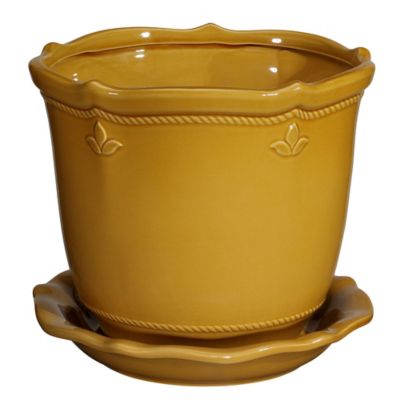
Drainage is one of the most important details to check before choosing a ceramic planter. A drainage hole gives extra water a way out of the soil and helps reduce the chance of soggy roots and root rot. If the pot has a hole, pair it with a saucer that catches drips and protects hardwood, painted surfaces, countertops, and other furniture. A planter with no drainage hole may be used as a cachepot, which is a decorative outer container that holds a plastic nursery pot inside. This setup makes it easy to lift the plant out for watering at a sink or outdoors, then return it once excess water has drained away. Leave a little room between the inner pot and the bottom of the cachepot so the plant is not sitting in standing water. For sizing, look for a container about two inches wider than the plant’s current root ball rather than moving a small plant into an oversized pot. Too much extra soil can hold moisture longer than the roots can use it. Small desktop and windowsill planters around four to five and a half inches are handy for succulents, pothos cuttings, compact herbs, and young houseplants. Medium ceramic pots suit fuller pothos, spider plants, peace lilies, and other leafy favorites, while large, heavy pots are a practical choice for snake plants, monsteras, palms, and other floor-grown greenery. Before filling a large container, check the finished weight and make sure the stand or floor can support it, especially if you plan to move the plant around for cleaning or better light.
Choosing ceramic planters for indoor plants can also be a thoughtful way to give a useful, long-lasting gift. A small pot paired with an easy-care houseplant makes a friendly housewarming present, office gift, or simple thank-you for someone who enjoys adding green touches to a room. Sets of coordinating planters are useful for grouping several plants on a shelf, creating a neat row of herbs near a bright kitchen window, or building a small collection of succulents with different shapes and textures. During the warmer part of the year, indoor plants may grow quickly near a sunny window, so a sturdy ceramic container gives growing roots a dependable home while keeping the display tidy. As the weather turns cooler and plants spend more time indoors, a fresh planter can brighten a reading nook, mudroom, or guest room when outdoor color starts to fade. Keep light and watering habits in mind when selecting the pot: a sunny window may dry soil faster, while a dim corner may call for less frequent watering. Set plants where leaves have room to spread, keep ceramic surfaces away from direct heat, and use a saucer or felt pads to help protect furniture. For larger greenery that needs a strong, grounded container, browse
Planters for Indoor Trees. With the right size, drainage setup, and finish, a ceramic planter can turn an ordinary houseplant into a welcoming part of everyday life—from the first cup of coffee in the kitchen to the quiet green corner you enjoy during the cooler months.