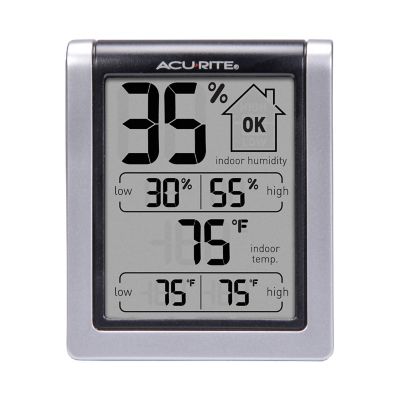
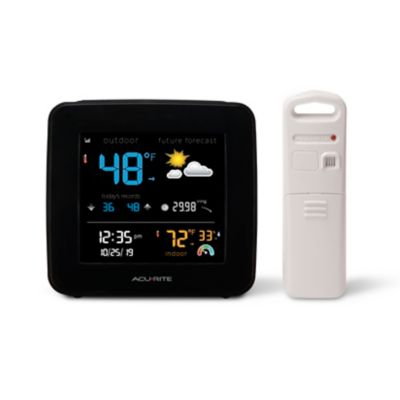
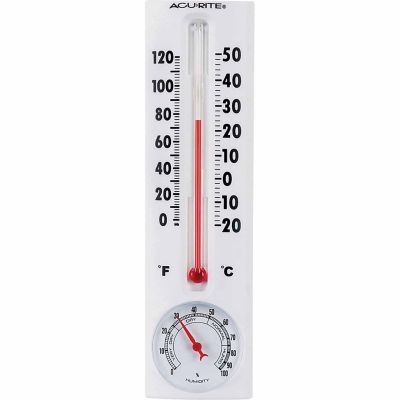
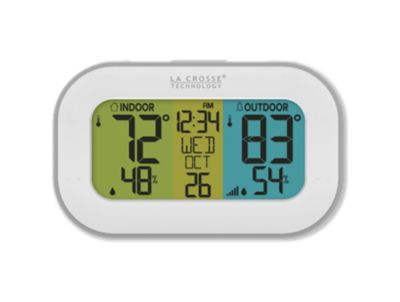
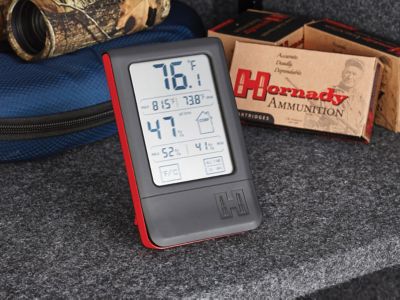
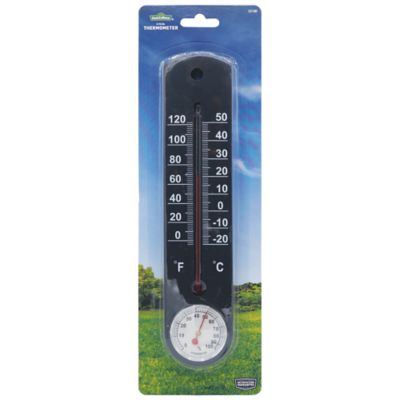
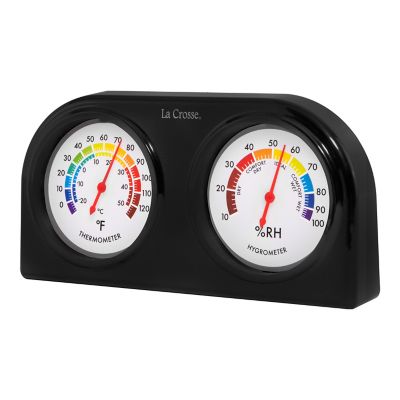
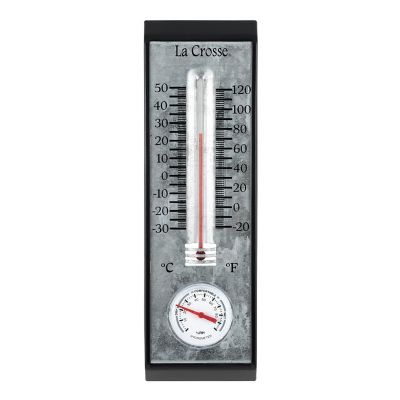
Humidity measurement tools measure water vapor in the air, helping take the guesswork out of conditions in a house, greenhouse, workshop, or storage building. The most common tool is a hygrometer, which typically displays relative humidity as a percentage. That percentage describes how much water vapor the air contains compared with the amount it can hold at the same temperature before reaching saturation. A thermometer measures temperature, while a combination thermometer and hygrometer brings both readings together. These measurements belong side by side because relative humidity can change as air temperature changes, even without moisture entering or leaving a space. Digital hygrometers generally rely on electronic sensors that respond to moisture through changes in capacitance or electrical resistance. Analog gauges provide a dial reading without a digital screen, although their sensing mechanisms and adjustment requirements vary. Another type of humidity measurement tool, a psychrometer, uses wet-bulb and dry-bulb thermometer readings to determine relative humidity from the cooling effect of evaporation. For everyday checks, a straightforward display can make it easier to spot a damp basement, monitor a plant room, or keep an eye on a closet where leather boots and work jackets hang between chores. Humidity readings also provide useful context around rust-prone tools, wooden furniture, musical instruments, and other belongings that can respond to excess moisture or overly dry air. A hygrometer does not detect mold, identify a leak, or remove moisture on its own; it supplies information that can support decisions about ventilation, humidification, or dehumidification. It also differs from a material moisture meter, which measures moisture in substances such as wood rather than the surrounding air. That distinction matters on a farm or acreage, where checking a tack room’s air and testing a stack of lumber call for different instruments. Matching the measurement to the job gives the reading a clear purpose, whether that means checking household comfort or watching conditions in a building that does not get a visit every day.
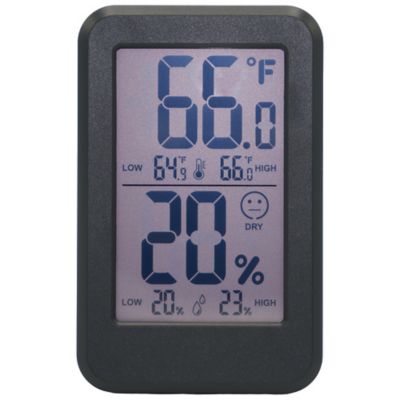
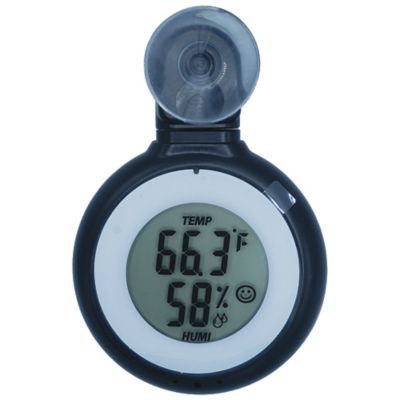
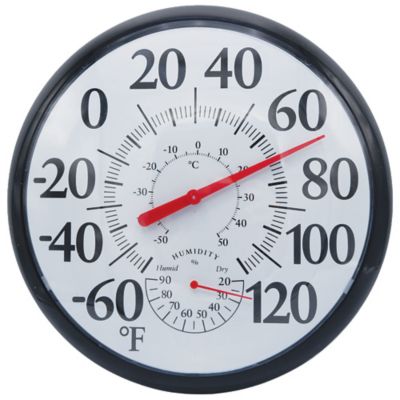
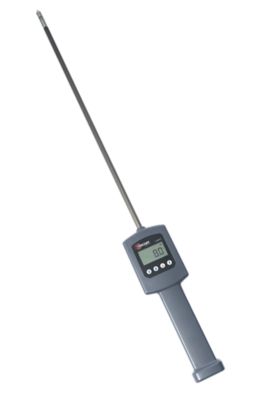
The right fit for humidity measurement tools depends on where readings need to happen and how much detail the job calls for. A tabletop gauge suits a shelf or workbench, a wall-mounted display keeps the work surface clear, and a handheld meter makes sense for comparing several rooms or checking different areas of an outbuilding. Compact dimensions matter inside a cabinet or small enclosure, while larger numerals and a clear viewing angle help when the display sits across a room. Magnetic backs, hanging slots, and foldout stands offer different placement options, though the mounting method needs to suit the surface and the instrument’s weight. A
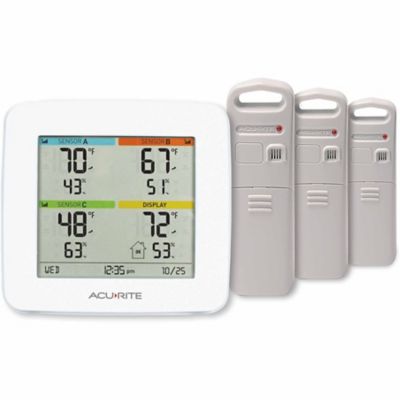
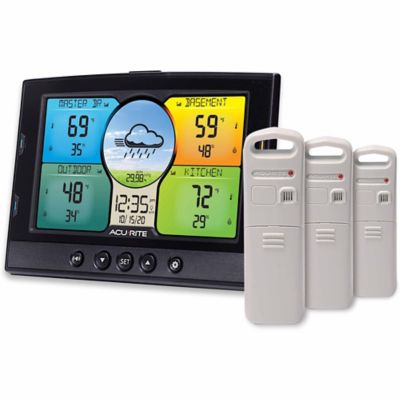
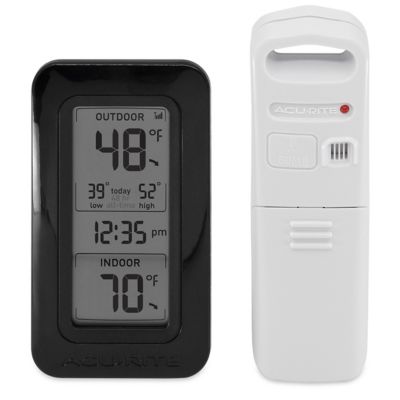
Humidity Gauge For Home can provide a simple reference for everyday living spaces, where the often-cited indoor relative humidity range of 30% to 50% is a general starting point rather than a target for every setting. Plants, animal enclosures, stored materials, and specialty work areas may have different requirements. Measurement range, stated tolerance, and response time matter more than the number of digits on a screen. A display that reports tenths of a percent does not necessarily measure within that small a margin, and a sensor needs time to settle after moving between spaces. Minimum and maximum memory can show whether conditions have drifted between checks, while data logging adds a record of changes over longer stretches. Remote sensors can bring readings from another room to a central display, and connected monitors may offer phone access or alerts when readings cross selected limits. Those functions depend on the model, its power supply, and any required network or app connection. Metal siding, masonry walls, distance, and other obstructions can reduce wireless reach, making a clear signal path especially relevant around barns and detached shops. For someone checking a greenhouse before feeding animals or a basement after running laundry, a screen that is easy to read may matter more than a long list of connected features. For a space visited less often, access to past readings or remote alerts may carry more weight.
Construction and care deserve attention wherever dust, splashes, and everyday knocks are part of the surroundings. Humidity meters often have molded plastic housings, with sensor openings that allow room air to reach the sensing element. Protective bumpers or recessed screens may help limit damage from minor bumps, but an indoor housing is not automatically suitable for a damp greenhouse bench or an open-sided shed. Any stated water- or dust-resistance rating applies only within the maker’s conditions, and splash resistance does not mean an instrument can sit in standing water. A suitable operating range is especially important in spaces with demanding conditions; a sensor intended for ordinary rooms may not perform as expected near saturation or where condensation forms on its surface. Placement affects how representative a reading will be. Air near a sink, open doorway, supply vent, or misting nozzle may differ from air around stored belongings or at plant height. A spot with normal airflow, away from direct spray and strong localized heat, generally gives a better picture of the area being monitored. In a greenhouse, that might mean measuring near the growing area without letting leaves cover the sensor openings. In a workshop, it might mean keeping the meter clear of sanding dust and wet finishing work. Routine care usually centers on keeping those openings unobstructed, wiping the housing as directed, and keeping cleaning liquids away from the sensor. Battery access, low-battery indicators, and readable controls make ongoing checks less of a chore. Some instruments allow calibration or comparison against a known reference, while others provide no user adjustment; the manufacturer’s procedure governs any check or correction. For growers, woodworkers, animal caretakers, and homeowners, the practical value lies in seeing a pattern rather than reacting to one isolated number. Repeated readings from a consistent location can help show whether a ventilation change or moisture-control measure is having the intended effect. A well-matched humidity measurement tool makes that information easier to gather and understand without adding much fuss to the day’s work.