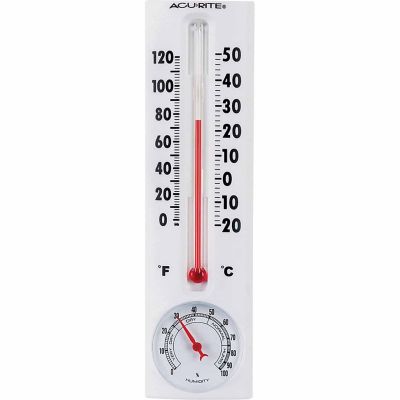
Humidity control products help manage the amount of moisture in indoor air, making everyday spaces more comfortable while helping protect belongings from dampness or excessive dryness. For most homes, a relative humidity range of 30% to 50% is a practical target. Relative humidity describes how much water vapor the air holds compared with the amount it could hold at the same temperature. A humidity monitor, also called a hygrometer, gives that number a useful place in daily life: beside the workbench, near stored furniture or in a basement room that never quite loses its musty smell. Consistently high readings can point toward a need for moisture removal, while readings below 30% may signal air that contributes to static shocks, dry-feeling skin and shrinking wood. Dehumidifiers remove moisture, humidifiers add it, and moisture absorbers help manage dampness in smaller enclosed spaces. The right category depends on the room and the job, not simply the size of the house. A laundry area with lingering dampness has different needs from a bedroom with dry air or a storage closet holding leather boots and canvas bags. Humidity control can be especially helpful for homeowners, renters and folks keeping an enclosed workshop, tack room or finished basement comfortable and functional. It is not a substitute for fixing a dripping pipe, water intrusion or standing water. Persistent dampness and visible mold need attention at the source, even when a machine brings the humidity reading down. For a useful picture of room conditions, monitors belong away from direct mist, splashing water, cooking steam and supply vents. Displays that are easy to read, clear humidity settings and controls that make sense at a glance can simplify everyday adjustments. In larger spaces, readings from more than one location can reveal differences between an open seating area and a tucked-away corner behind storage shelves. That makes moisture management less of a guessing game and helps keep equipment focused on the space that needs attention.
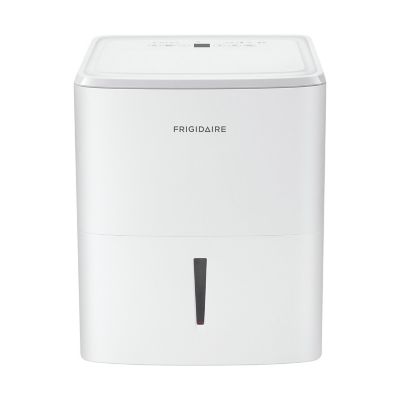
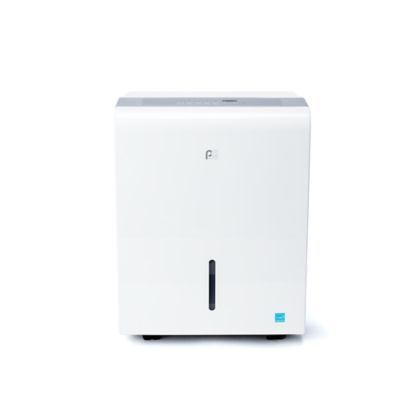
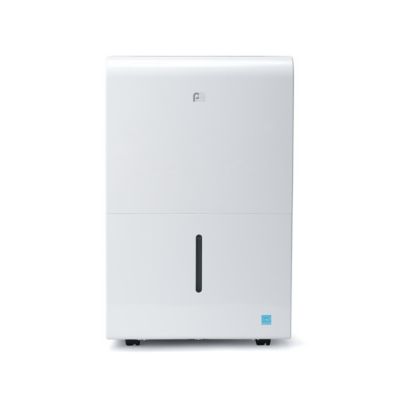
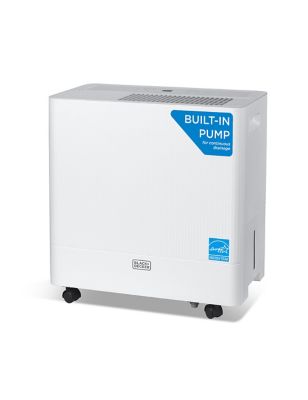
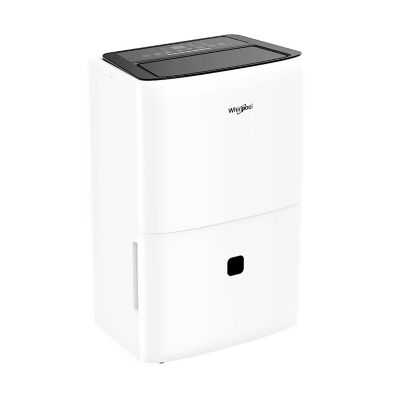
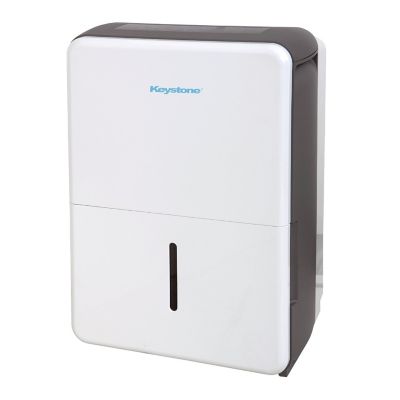
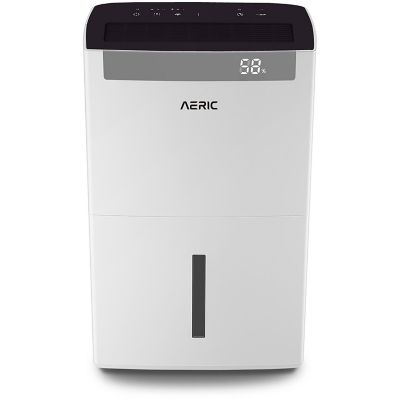
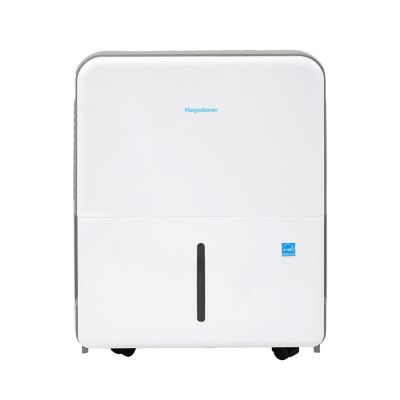
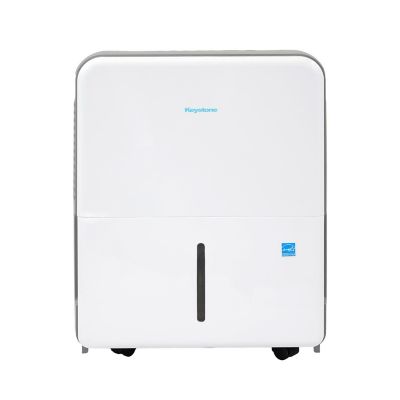
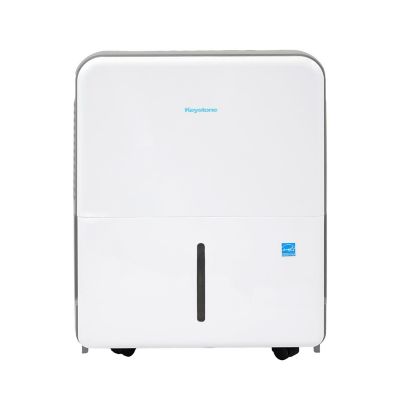
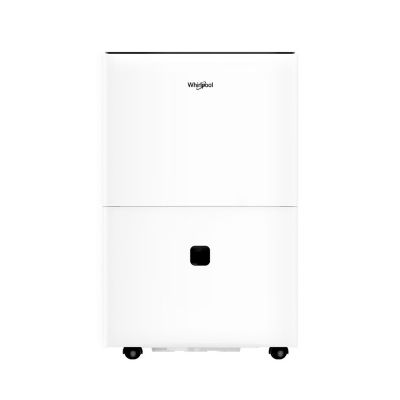
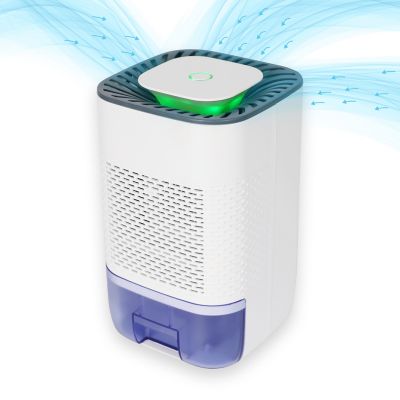
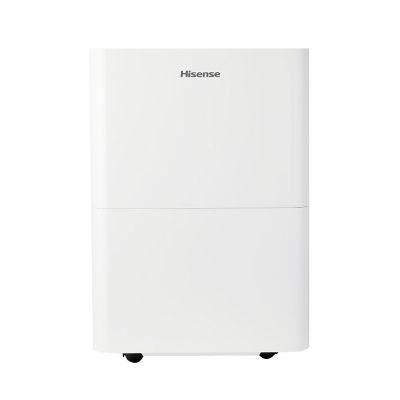
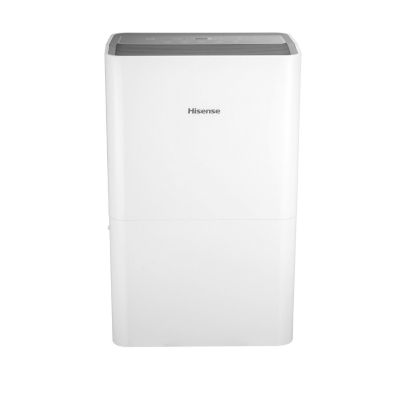
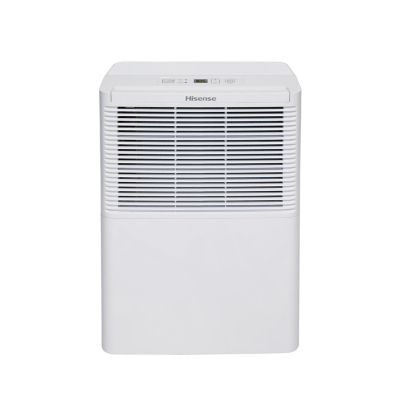
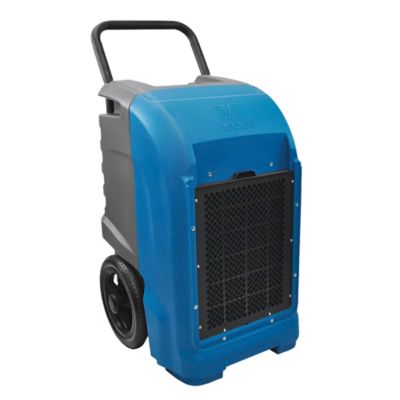
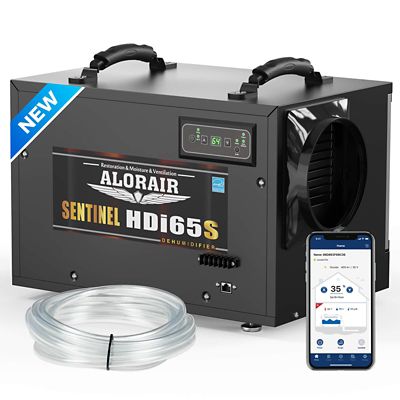
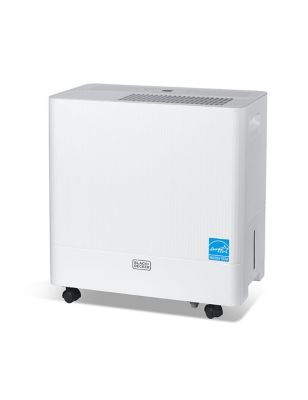
Dehumidifiers are a good match for enclosed rooms where excess moisture leaves surfaces clammy, cardboard soft or stored fabric smelling musty. Their capacity is commonly expressed in pints of water removed per day under specified test conditions; that figure is different from the amount their collection tank holds. Both matter. Moisture-removal capacity helps describe the workload the equipment can handle, while tank size affects how often someone needs to empty it. Room coverage is another useful comparison, but square footage alone does not tell the whole story. Ceiling height, connected rooms, moisture sources and how often doors open all affect performance. A closed basement room and a busy utility space with frequent traffic may need different setups even when their floor areas match. For daily convenience, features such as adjustable humidity settings, automatic shutoff when the tank fills and a removable, easy-grip water bucket can make a noticeable difference. Continuous drainage may suit a space with a suitable drain, provided the equipment supports it and the hose follows the manufacturer's directions. Gravity drainage requires a downhill path; moving water upward requires equipment designed for that task. Hose connections, drain access and the distance to a properly grounded outlet deserve a look before choosing a location. So do the unit's dimensions, airflow clearances and operating limits, particularly in an unconditioned outbuilding. Smooth, wipe-clean housings, accessible filters and removable tanks make regular care less of a chore. Corrosion-resistant components can also be worth considering around damp storage areas. Wheels and carrying handles help with moving equipment, though a full tank adds weight and should be emptied before relocation when directed. Routine care generally includes cleaning the collection area and servicing filters according to the manual. Keeping the intake clear of dust, pet hair and stacked supplies helps air move freely. Even a capable dehumidifier cannot do much for a damp corner when its airflow is blocked by feed sacks or a pile of work coats.
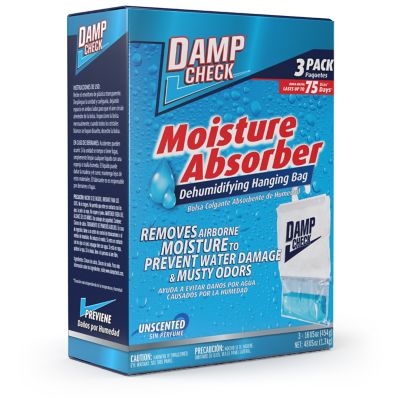
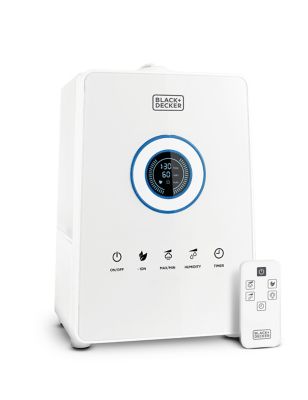
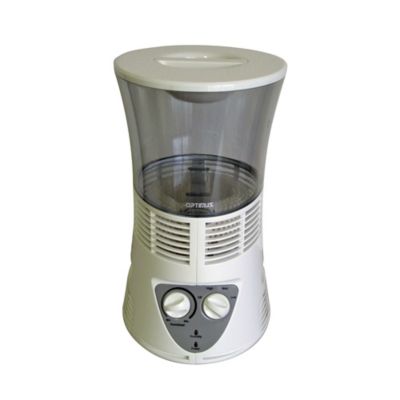
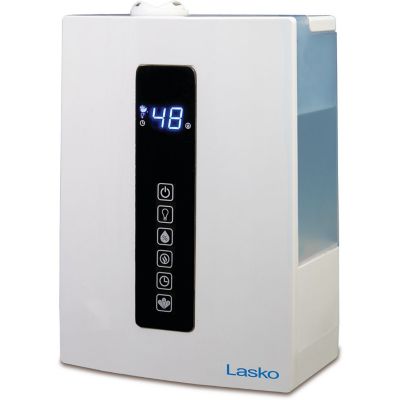
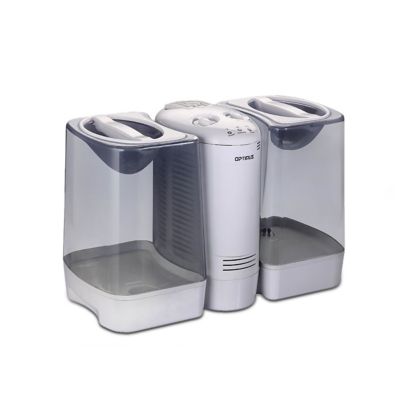
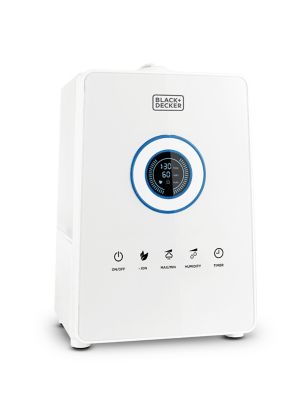
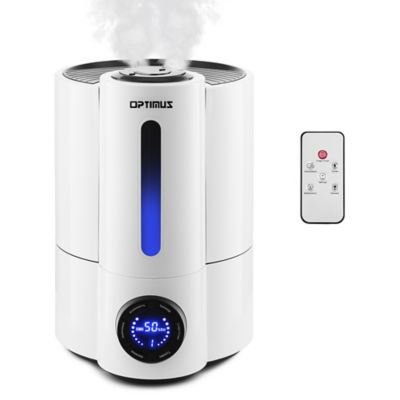
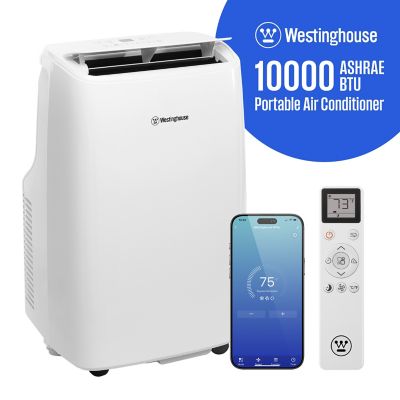
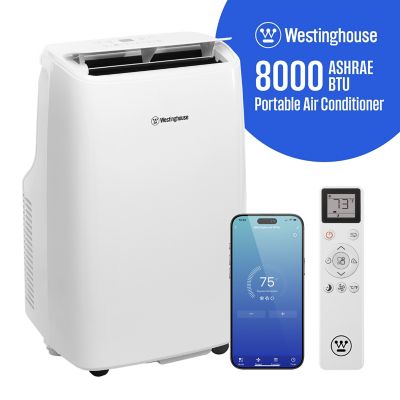
Humidifiers serve the opposite purpose, adding moisture when indoor air falls below a comfortable range. Room size, moisture output and tank capacity help narrow the choice, while opening size and removable parts influence how manageable refilling and cleaning will be. A tank that fits comfortably beneath the available faucet is a practical detail that is easy to overlook. Evaporative designs move air through a wet wick or filter, while ultrasonic designs create a fine mist. Each calls for care suited to its construction, and some require replacement wicks or filters. Water choice matters, too: mineral-rich water can leave deposits, and certain mist-producing designs may release mineral dust. Distilled or demineralized water may be recommended, depending on the equipment. Regular cleaning, fresh water and drying components before storage help keep the system in proper working condition. Placement should allow moisture to disperse without wetting nearby wood, curtains, bedding or electrical equipment. A separate humidity reading can help prevent adding more moisture than the room needs. For closets, cabinets and other small enclosed areas, moisture absorbers offer another approach, especially where running a powered unit is impractical. Their capacity is limited, and collected liquid or saturated material needs handling as directed, away from children, pets and surfaces vulnerable to spills. In rooms that also need cooling,
Climate Control Air Conditioners can remove moisture as part of normal operation, though cooling alone may not maintain the desired humidity level. Correct sizing matters because equipment that shuts off quickly may leave moisture behind. Exhaust ventilation also has a role where cooking, bathing or laundry releases water vapor; moisture should vent outdoors rather than into an attic or enclosed crawl space. Together, sensible ventilation, attention to leaks and humidity control equipment sized for its intended space support more comfortable rooms and better conditions for everyday belongings, from work boots by the door to wooden furniture in the spare room.