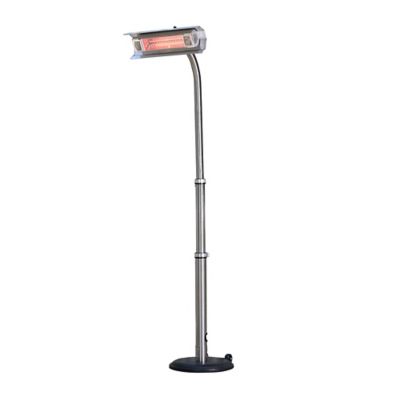
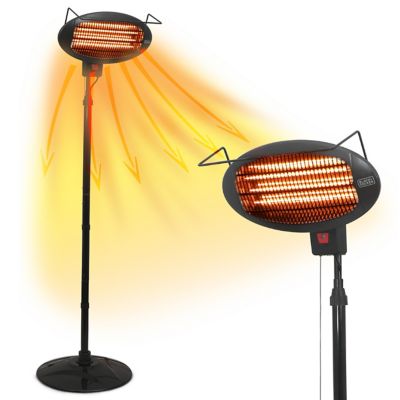
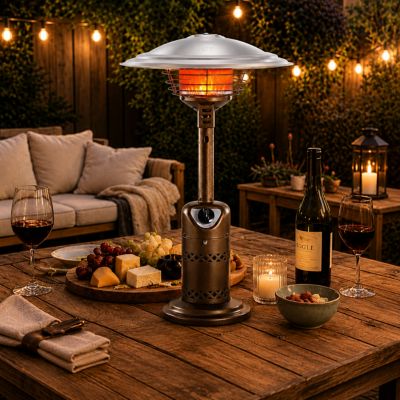
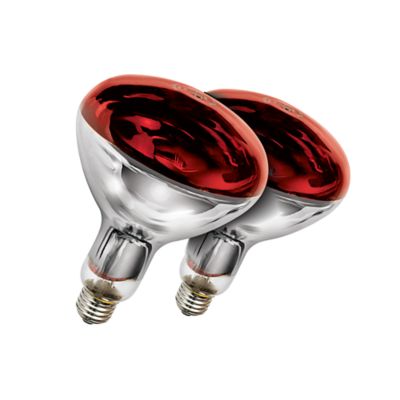
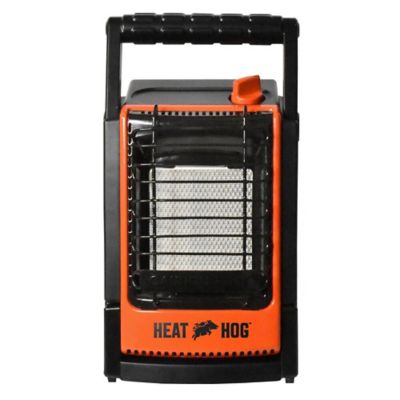
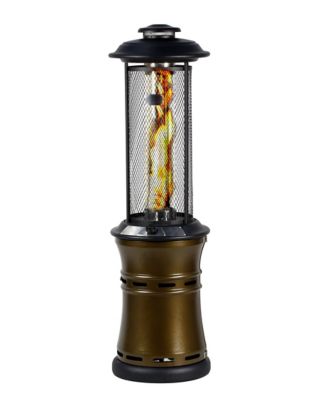
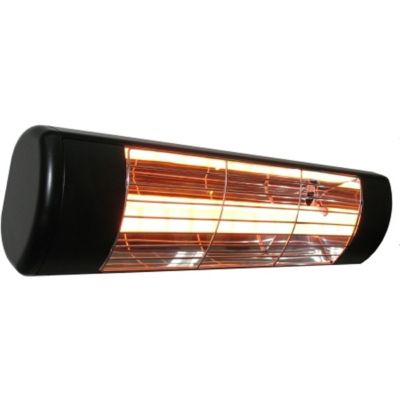
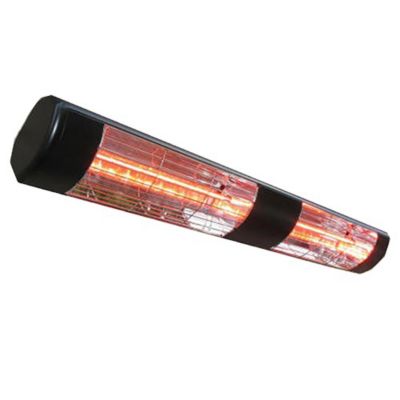
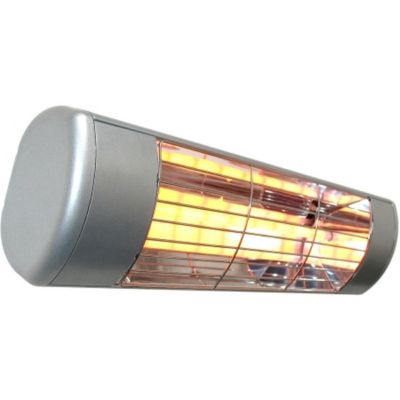
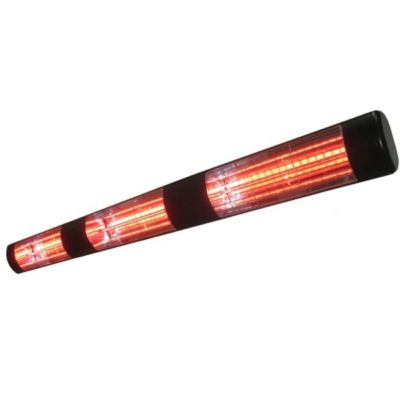
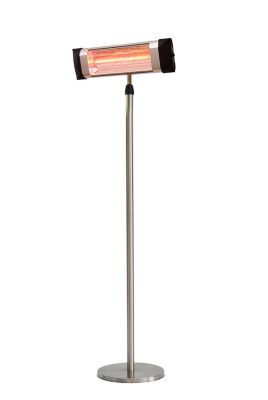
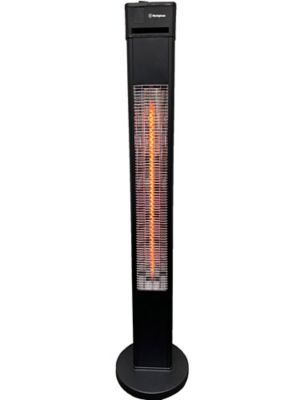
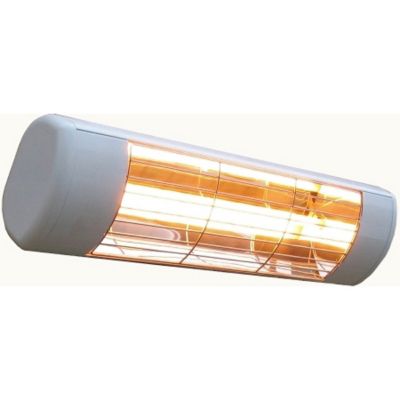
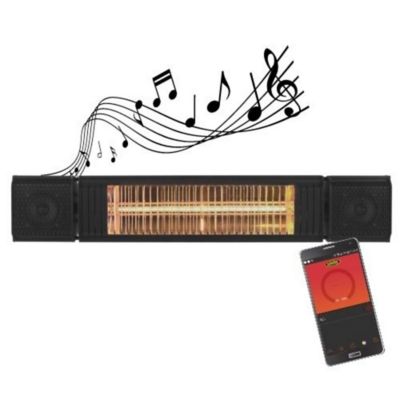
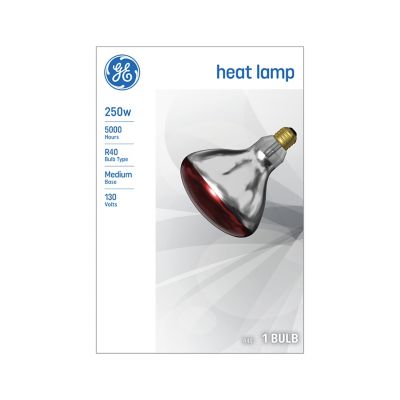
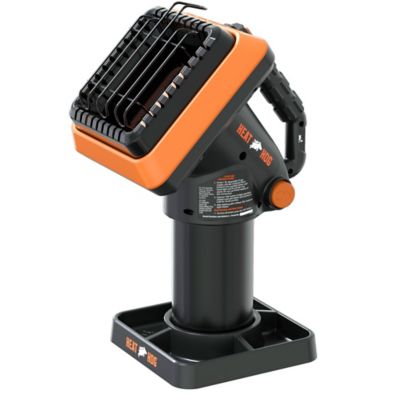
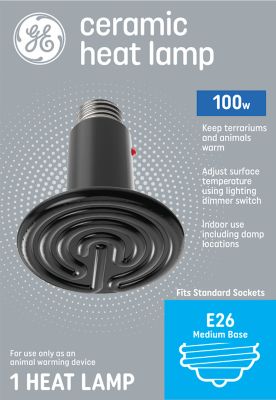
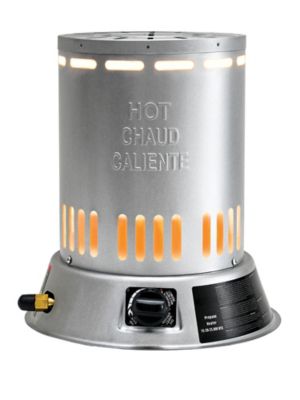
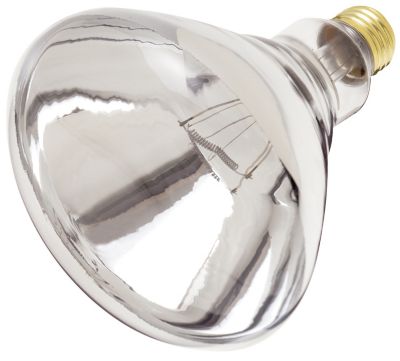
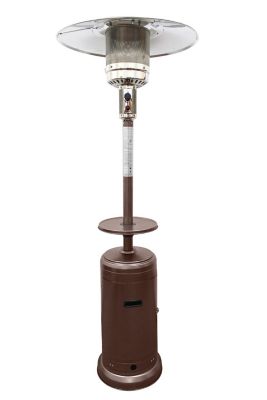
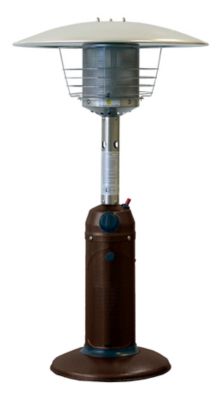
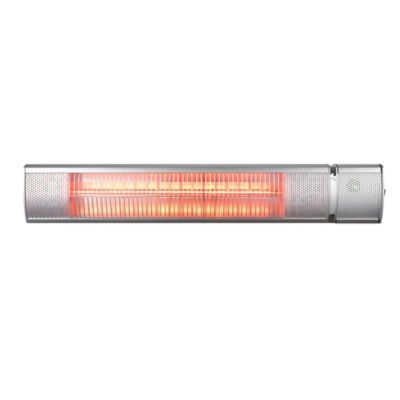
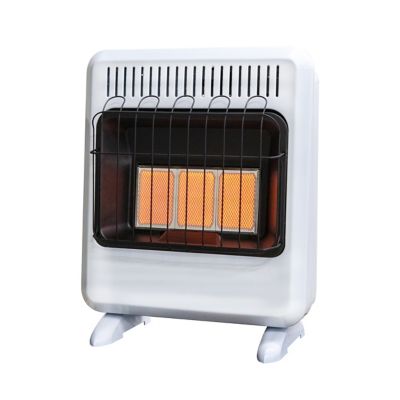
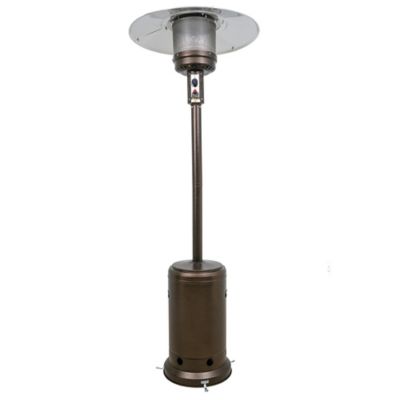
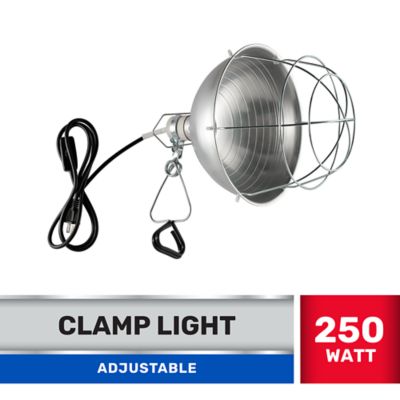
Outdoor heat lamps help make porches, patios, barn entrances, outdoor kitchens and other open-air spots more comfortable during the cooler months. They are a handy choice when you want to keep visiting, dining or doing chores outside without bundling up quite so heavily. Depending on the space, you may choose an electric infrared lamp, a freestanding propane tower or a hanging heater mounted beneath a suitable covered area. Electric infrared models plug into a standard 120-volt outlet and warm people, furniture and other nearby objects directly instead of trying to heat all the air around them. That direct warmth can feel especially pleasant on a crisp evening when the breeze keeps moving through the yard. Propane heaters use fuel from a tank, often a common 20-pound cylinder, and are well suited to more open spaces where a cord would be inconvenient. They can put out plenty of heat for a gathering area, worksite or wide patio, though you will need to keep fuel on hand and give the unit room for proper ventilation. Hanging or ceiling-mounted lamps can be a smart fit beneath a pergola, porch roof or covered outdoor room because they direct warmth downward while leaving valuable floor space open for chairs, coolers, tools or muddy boots. For a smaller seating nook, a compact electric lamp may be all you need; larger open areas generally call for a heater with greater output and a wider coverage area. As a general guide, some smaller electric units warm a circle around six feet across, while larger gas models are designed to reach farther in open-air settings. Infrared heat is another useful option to compare, and you can browse
Infrared Patio Heaters when you want focused warmth for a porch, patio or outdoor gathering space. Think about where people will actually sit or stand, how much wind the area gets and whether there is an outlet close enough for safe use. A lamp that feels perfect beside a couple of rocking chairs may not be enough for a long picnic table, while an oversized heater can be wasteful in a small corner.
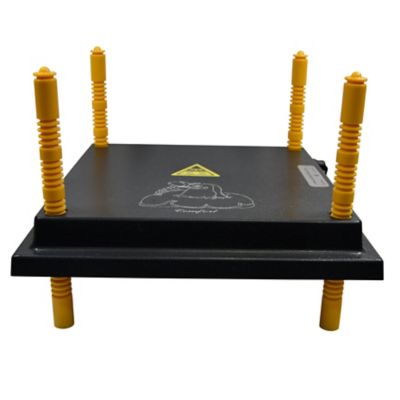
Before choosing an outdoor heat lamp, take a careful look at its power source, coverage, placement and safety features. Electric heaters are convenient for porches and covered patios with a nearby outlet, but avoid running them through a light-duty indoor extension cord or plugging too many high-wattage devices into one circuit. Check the cord and plug rating, use an outdoor-rated connection when one is needed and keep electrical parts away from puddles, wet grass and standing water. A weather-resistant rating, such as IP44 on certain models, can offer useful protection from splashing water and solid debris, but it does not mean a heater should be left exposed to every storm or used in soaking conditions. Propane models need a level, stable surface, a properly connected tank and generous clearance from walls, branches, awnings, railings and anything that could catch fire. Never use a fuel-burning heater in a closed garage, shed, tent or enclosed porch, since propane produces carbon monoxide and needs open-air ventilation. Look for practical features such as an automatic tip-over shutoff, flame control, sturdy base and easy-to-reach power or fuel controls. Keep clothing, blankets, paper goods and children’s toys away from the heating element, and do not drape anything over the lamp to block wind or hold in heat. Outdoor heat lamps can be useful gifts for a new homeowner, a family that enjoys sitting around a fire pit, someone fixing up a back porch or a friend who spends long hours on the farm, but the best match depends on the recipient’s setup. A homeowner with a covered deck may appreciate a clean, space-saving hanging unit, while someone with a broad yard may prefer a movable propane tower. For farm use, remember that a patio heater is not automatically a substitute for equipment made for animal care, poultry brooding or livestock warming. Animals, bedding and heat sources require purpose-built products, careful temperature control and close supervision. Whichever style fits your space, place the lamp where warmth reaches the people who need it, follow the manufacturer’s clearance and operating instructions, inspect it before each use and turn it off whenever the area is unattended. A little planning goes a long way toward making cool evenings more comfortable, whether you are sharing supper on the porch, watching the grandkids play, finishing chores near the barn or enjoying a quiet cup of coffee while the day settles in.