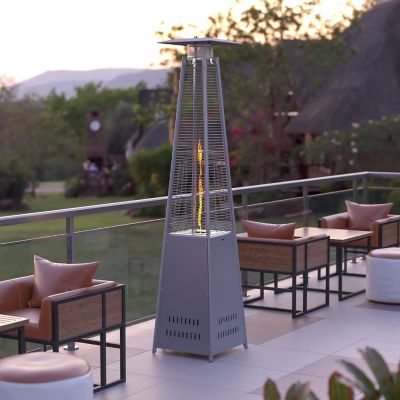
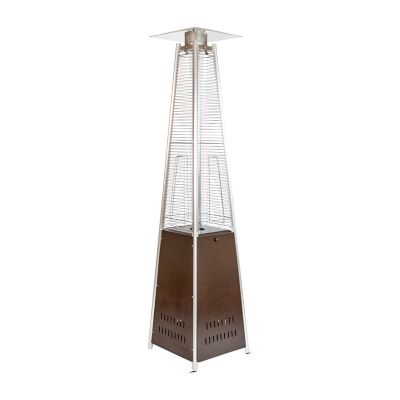
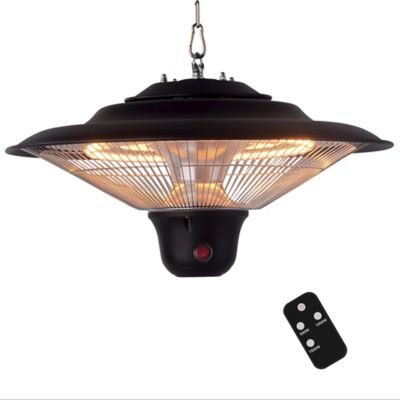
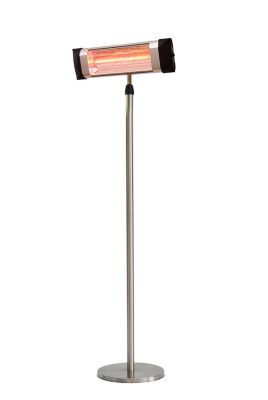
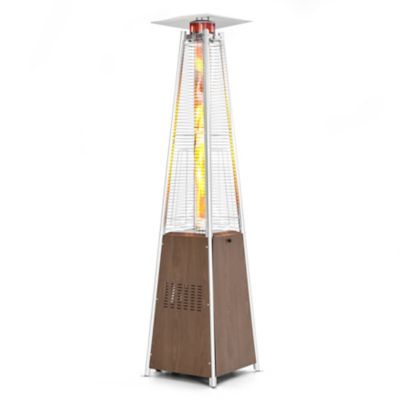
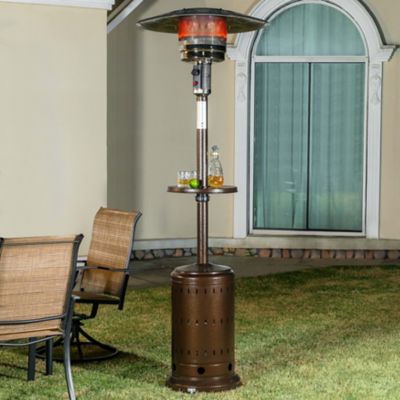
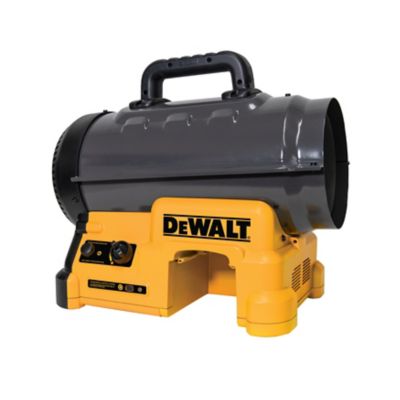
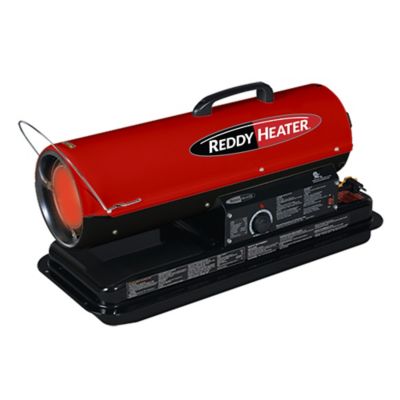
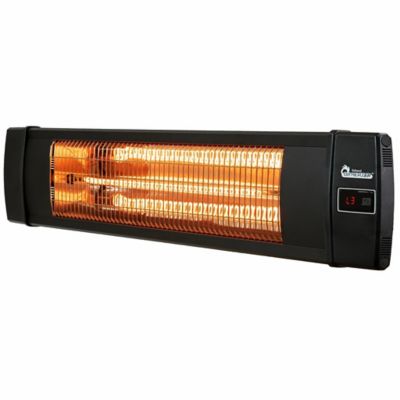
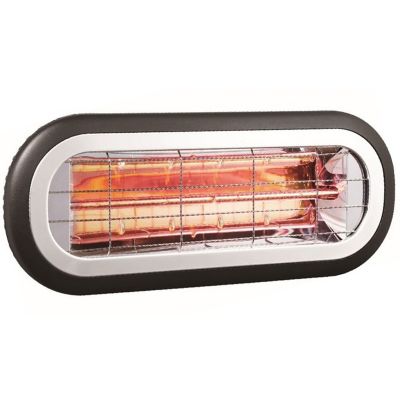
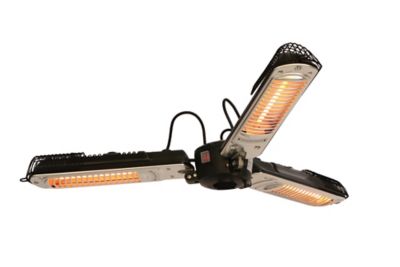
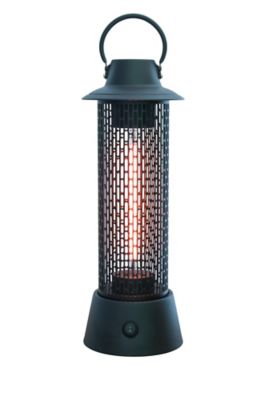
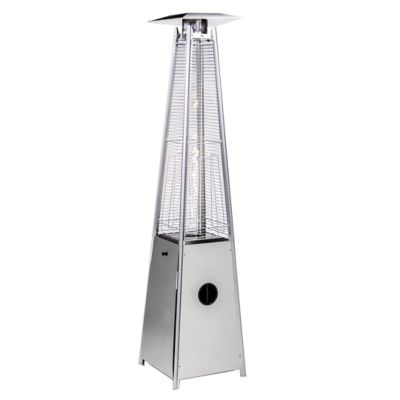
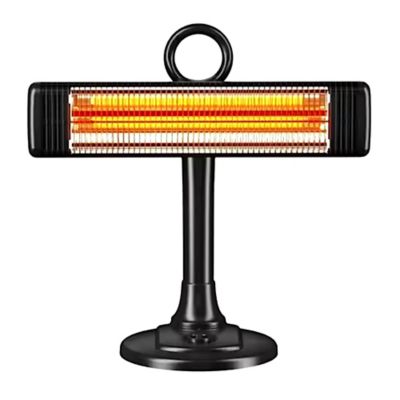
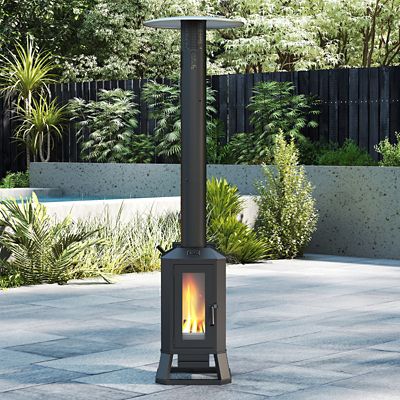
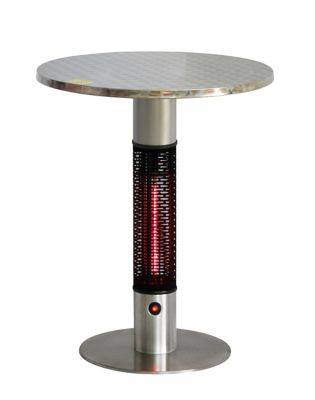
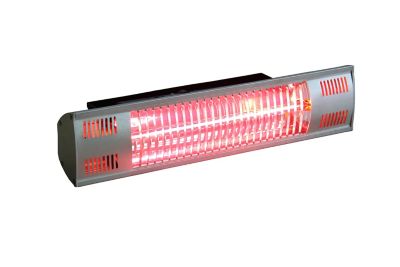
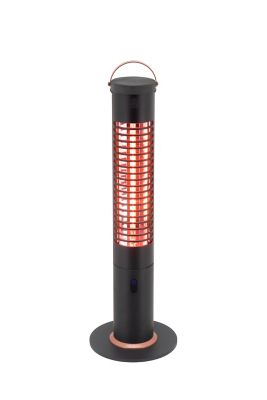
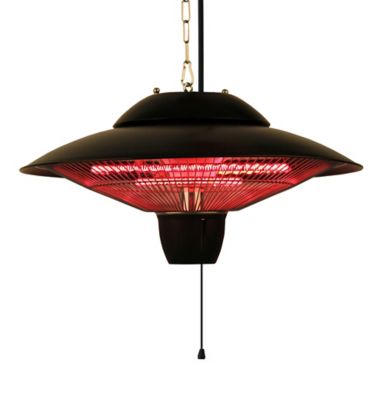
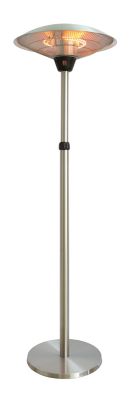
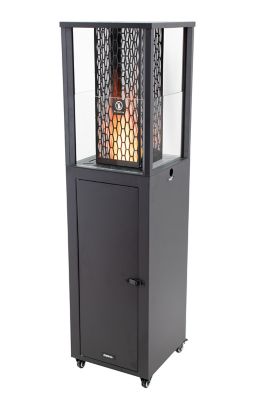
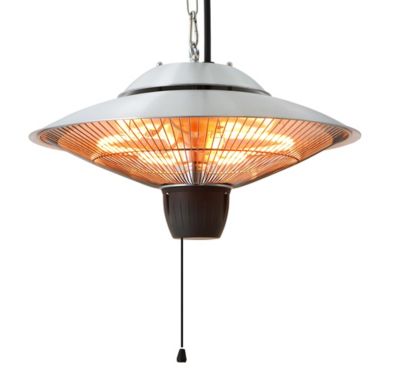
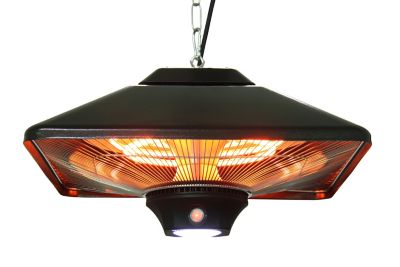
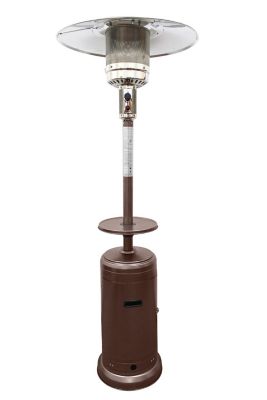
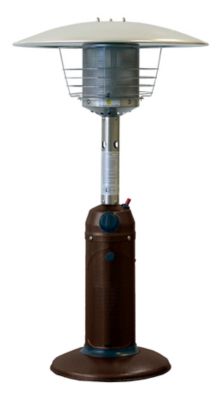
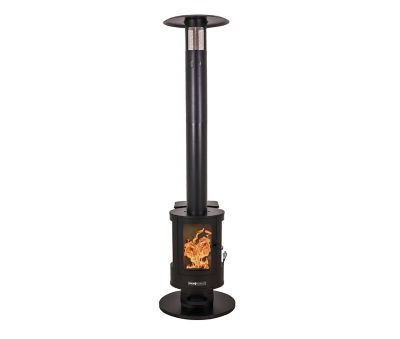
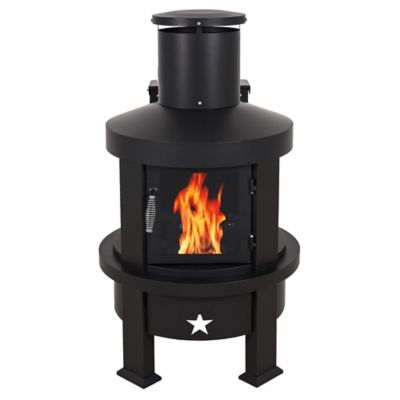
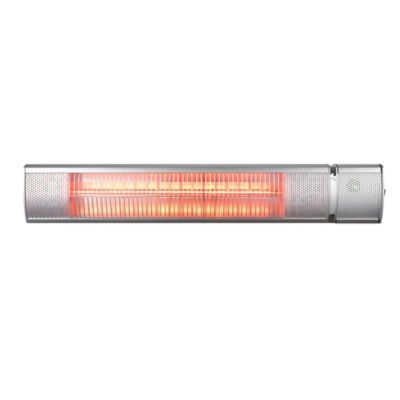
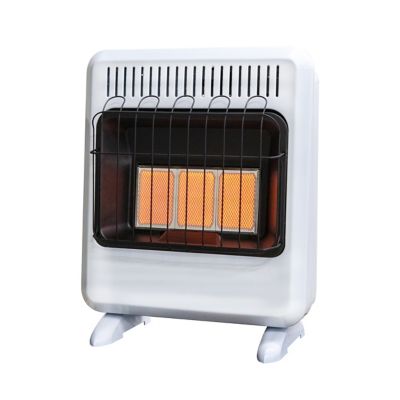
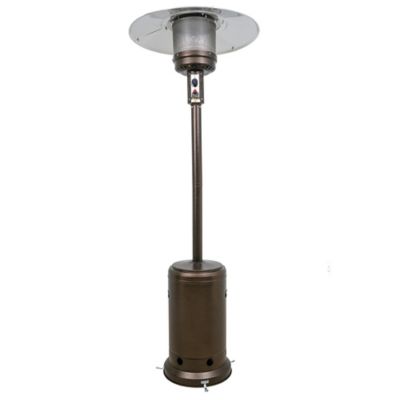
Outdoor heaters help keep holiday gatherings comfortable when the air turns crisp and the sun drops behind the barn, tree line, or back fence. They can make a covered porch feel like an extra room, warm up a patio beside the house, or give guests a comfortable place to sit near an outdoor meal, fire pit, or seasonal gathering. When shopping for an outdoor heater for holiday entertaining, start with the space you want to warm. A small seating area beneath a porch roof may work well with a plug-in electric heater, while an open yard or roomy patio may call for a propane model that can provide heat without an outlet nearby. Electric heaters are often a practical choice for covered porches, gazebos, and compact seating areas with convenient power access. Many produce radiant heat, which warms people and nearby surfaces rather than trying to raise the temperature of all the surrounding air. That can feel especially helpful on a breezy evening when guests are gathered around a table. Check the heater’s wattage, cord length, plug requirements, and recommended clearance before bringing it home. A model around 1,500 watts is common for many residential outdoor spaces, but the actual warmth depends on the layout, wind, ceiling height, and how close people sit. For open-air areas, propane patio heaters provide freedom to position the heat where it is needed and can offer a broad circle of warmth. Look at BTU output, fuel requirements, ignition style, tank access, and the maker’s stated coverage area. A higher BTU number does not automatically mean a better fit; the right choice depends on the size of the gathering area and how much air moves through it. Wheels can make a tall heater easier to reposition on a patio, while a hanging or wall-mounted design may leave more floor space around a table. Some shoppers choose one for their own porch, while others give an outdoor heater as a holiday gift to a family member with a country home, a hunting camp, a backyard kitchen, or a cabin where friends gather through the cooler months.
Before buying, take a walk around the intended location and picture where the heater will stand, where guests will sit, and how people will move between the door, grill, table, and serving area. Measure the space overhead and from side to side, then compare those measurements with the heater’s required clearances. Electric models need a properly rated outdoor outlet and should be connected according to the instructions, with cords kept away from standing water, walkways, hot surfaces, and areas where they could be pinched or tripped over. Propane models need steady, level ground, plenty of open-air circulation, and a cylinder that matches the heater’s requirements. Never bring a fuel-burning patio heater into a home, garage, barn, tent, shed, enclosed porch, or any other closed space, even for a short time. Carbon monoxide can build up without warning. Keep the heater away from low branches, curtains, awnings, siding, stored hay, firewood, paper goods, and other materials that can catch fire. A broad, stable base is important, especially where children, pets, or guests may brush past the unit. Look for safety features such as an automatic shutoff, tilt protection, a guarded heating element, and controls that are easy to reach without standing too close to the heat source. Follow the recommended distance from furniture and people, and keep clothing, blankets, and coats from resting against the heater. During a holiday meal, set serving dishes and drink cups where they cannot be knocked into the unit. If you are considering propane, browse our
Propane Heater Outdoor selection to compare options for open patios, porches, and other outdoor spaces. Keep spare fuel cylinders upright and stored outdoors in a well-ventilated location away from ignition sources, and inspect hoses, fittings, and connections before each season. If you notice a gas smell, turn the heater off, move away from the area, and follow the safety instructions for your equipment and fuel supplier.
A little planning can make outdoor warmth feel natural throughout the cooler months. Place the heater where it warms the main seating area rather than an empty corner, and arrange chairs so guests face one another without crowding the heat source. On a windy property, a sheltered location beneath an open-sided roof or beside a suitable windbreak may help people feel more warmth, but never block the ventilation openings or place a fuel-burning heater in an enclosed area. Radiant electric heat may suit a couple sharing coffee on the porch, while a freestanding propane heater can help keep a larger group comfortable during a late afternoon meal, a holiday visit, or a night spent watching the stars. Families often appreciate an outdoor heater because it extends time outside without requiring a major change to the gathering. A host can finish cooking while guests stay nearby, grandparents can enjoy the porch with a warm drink, and children can move between the yard and the table without everyone retreating indoors at the first chill. As a gift, an outdoor heater fits someone who enjoys grilling, tending a garden, watching livestock, hosting neighbors, or spending quiet evenings beside a cabin. Consider the recipient’s power access, available floor space, preferred fuel, and typical gathering size before choosing. After each outing, switch the heater off and allow it to cool completely before moving, covering, or storing it. Wipe away dust and outdoor grime as directed, check that vents remain clear, and keep the unit protected from moisture when it is not in service. With the right placement, suitable fuel or power, and careful attention to clearances, an outdoor heater can bring a welcome pocket of warmth to porches, patios, yards, and holiday gatherings from the first cool evenings through early winter.