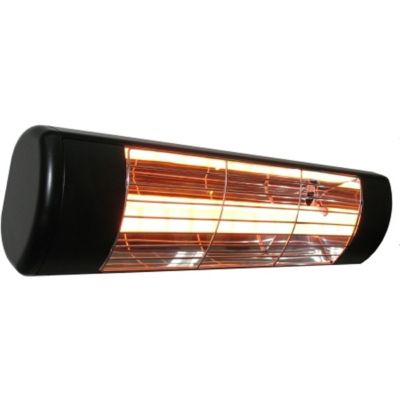
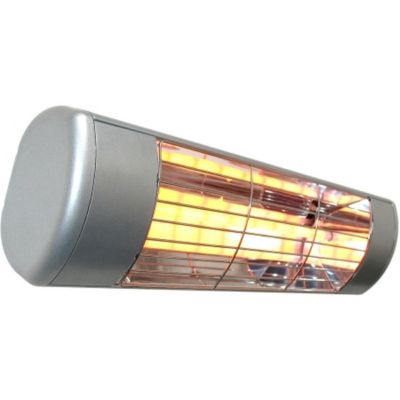
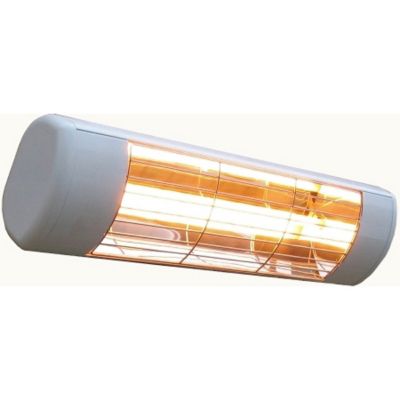
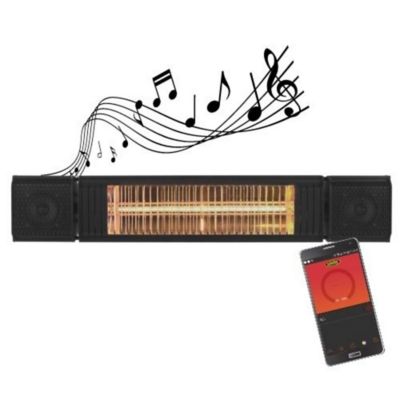
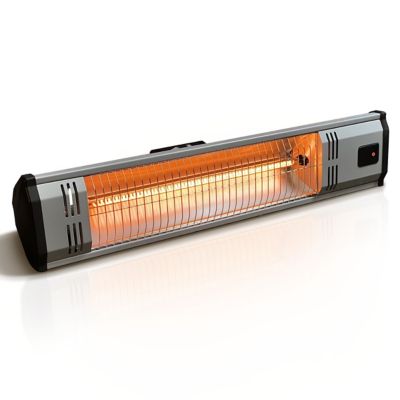
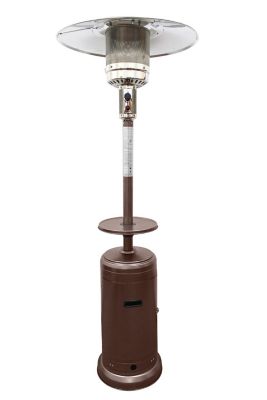
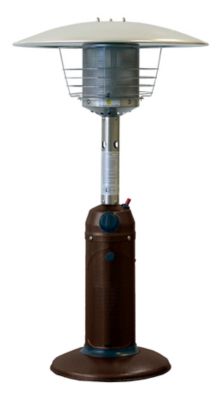
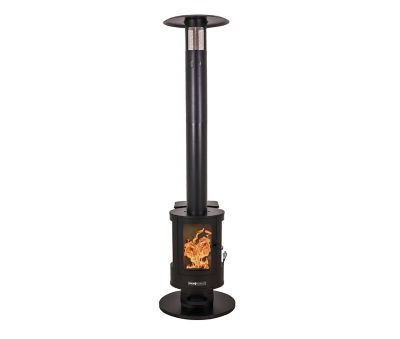
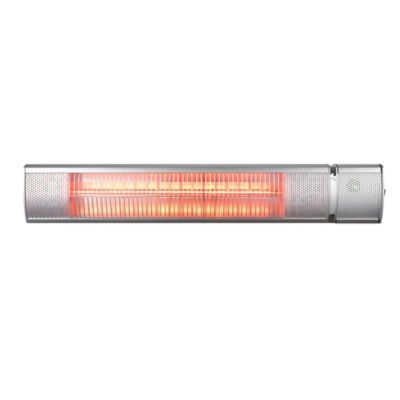
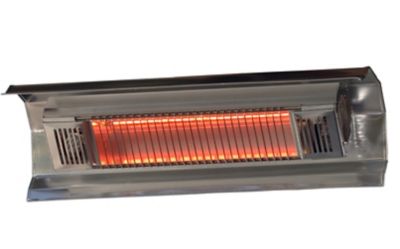
A weatherproof outdoor electric heater can make a porch, patio, barn entrance, workshop doorway or hunting-camp gathering spot more comfortable during the cooler months. Unlike an indoor heater that is meant for a sealed room, an outdoor-rated electric heater is built for spaces where air moves freely and where light moisture, dust and changing conditions may be part of the day. Many use infrared heating, which warms people, furniture and nearby surfaces directly instead of trying to heat all the air around them. That direct warmth can be especially useful on a breezy evening, when heated air would otherwise drift away before it reaches the folks sitting around the fire pit or gathered under the lean-to. Electric models also run quietly and do not produce exhaust at the point of use, making them a handy choice for covered porches, outdoor dining areas, garages with suitable ventilation and workspaces where a simple plug-in setup is preferred. When shopping, start by looking for a heater specifically marked for outdoor use, then consider the size and layout of the area, the amount of wind it gets and how close people will sit. A smaller space with a roof and sidewalls may need less power than an open patio, while a broad, exposed area may benefit from more than one heater positioned to warm the seating area evenly. Wattage offers a helpful starting point, but it is only one part of the decision. The height of the mounting location, the heater’s beam pattern, the presence of wind and the amount of shelter overhead all affect how warm the space feels. For larger open-air areas where electric service is limited or a strong stream of heated air is preferred, you can also compare
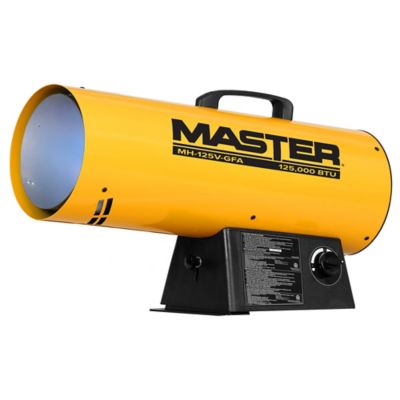
Outdoor Forced Air Heaters as another way to take the chill off a work area or temporary gathering space.
Weather resistance deserves close attention, especially if a heater will be mounted where rain, blowing dust or winter weather can reach it. An IP rating describes protection against solids and moisture, with the first number generally addressing dust and the second number addressing water. An IP65-rated heater, for example, is designed for strong dust protection and resistance to water jets, making that type of rating worth considering for more exposed locations. An IPX4-rated heater offers protection from splashing water and may be a better fit for a covered porch, gazebo or other sheltered area, but it should not be treated as a free pass for direct rain, standing water or snow. Ratings are helpful, though the installation instructions still matter; no outdoor heater should be submerged, left in a puddle or used in a location outside the conditions listed by the manufacturer. Measure the ceiling height and the available wall space before choosing a mounting style. Wall-mounted heaters can keep walkways and floor space clear, while ceiling-hung units are useful beneath a sturdy covered structure where overhead warmth can spread across a table or seating area. Freestanding tripod or stand-mounted heaters offer more flexibility for changing arrangements, tailgates, chores and seasonal gatherings, although they need a stable, level base and a location where they will not be bumped or tipped. Check required clearances from roofs, walls, curtains, branches, furniture and other combustible materials, and make sure the mounting surface can support the unit securely. A timer, adjustable heat setting or remote control can be convenient when hands are full of firewood, feed buckets or supper plates, while a simple manual control may be all that is needed beside a back door. Keep the power connection in mind, too. Use a properly rated outdoor outlet, protect the circuit with GFCI where required, keep plugs and connections out of wet areas, and follow the manufacturer’s guidance for extension cords. A cord that is too light for the heater’s electrical demand can become hot, so choosing the right cord and avoiding overloaded outlets are important parts of a safe setup.
These heaters are useful for more than evening entertaining. A homesteader may use one to warm a sheltered potting bench while tending seedlings, a shop owner may place one near a customer waiting area, and a family may keep a covered porch comfortable for coffee, card games or watching the first frosty mornings roll across the pasture. They can also be a thoughtful gift for someone who spends long hours outdoors, including a hunter, gardener, livestock keeper, mechanic, campground host or backyard cook. Before giving one, it helps to know whether the recipient has a covered structure, a suitable outdoor outlet and enough room to maintain the required clearances. A heater that can be moved or mounted in more than one way may suit a household that uses the same patio for meals, projects and gatherings, while a fixed wall or ceiling model can be a cleaner choice for a dedicated sitting area. During the cooler seasons, take a few minutes to inspect the housing, cord, plug, mounting hardware and reflector before each stretch of use. Clear away leaves, cobwebs and dust, and store removable units in a dry place when they are not needed. Never cover a heater while it is operating or place clothing, blankets, tools or other items over it, and turn it off before leaving the area or going to bed. With the right weatherproof rating, mounting style, power level and safety clearance, an outdoor electric heater can add a welcome pocket of warmth without changing the way a porch, patio or working space is used.