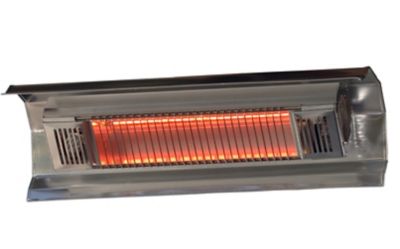
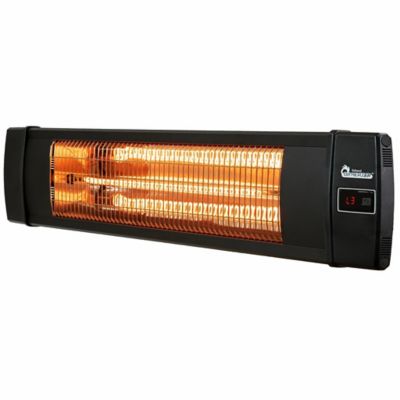
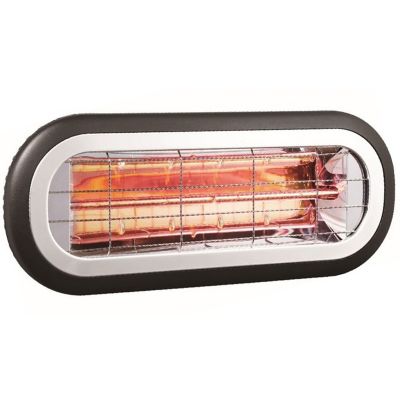
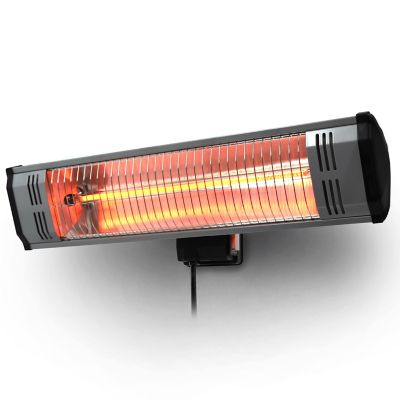
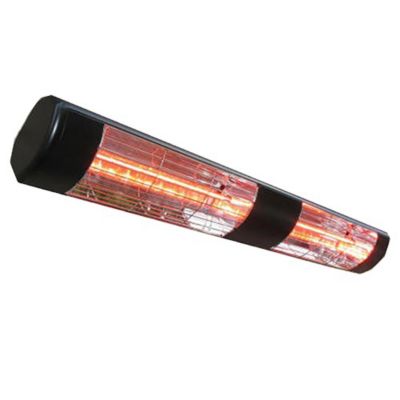
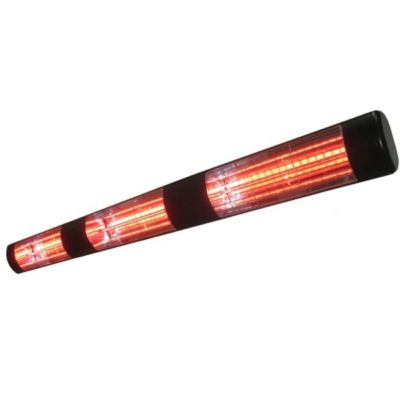
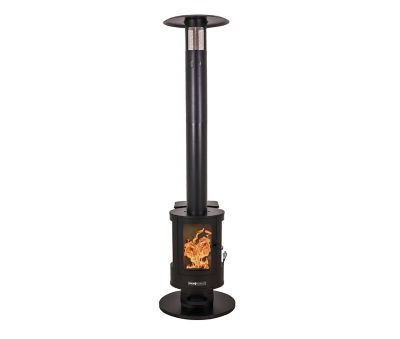
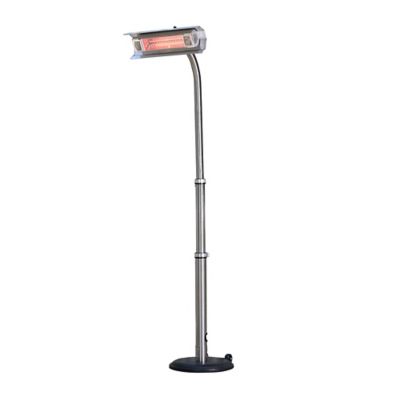
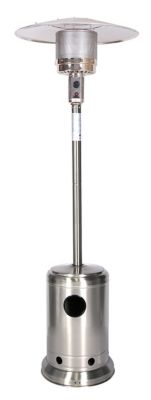
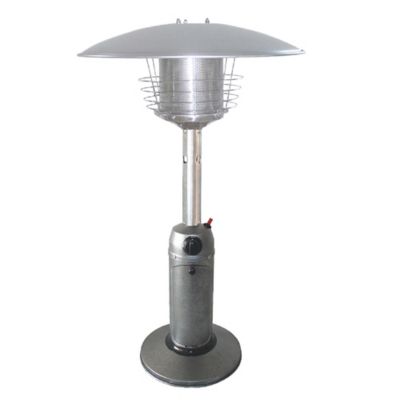
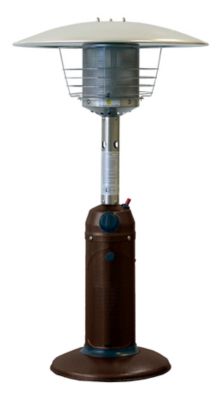
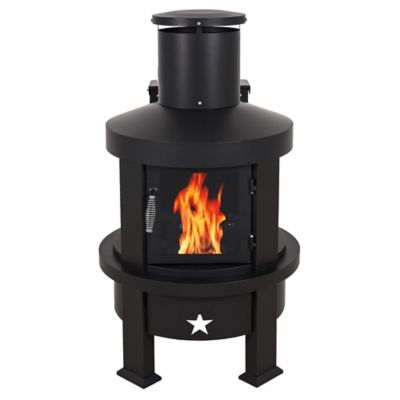
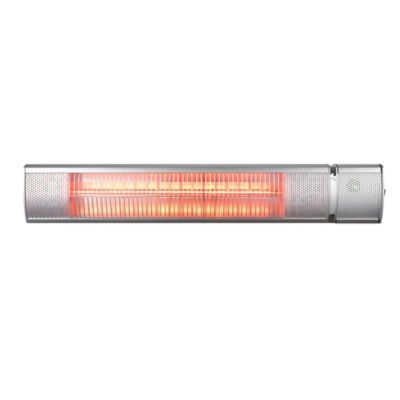
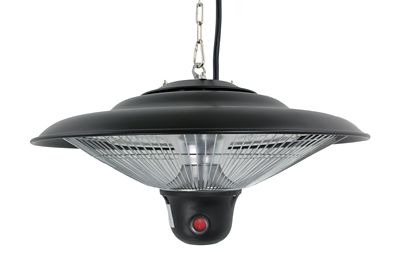
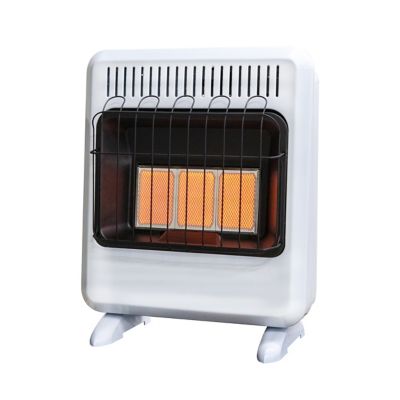
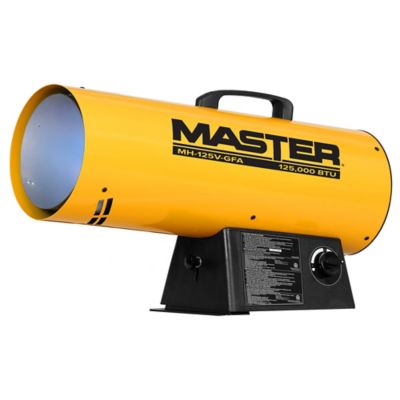
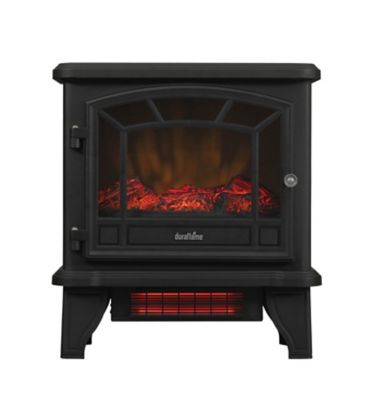
Infrared patio heaters bring direct, radiant warmth to outdoor seating areas, making a porch, deck or backyard table more inviting during the cooler months. Rather than relying mainly on heating the surrounding air, an infrared heater sends radiant energy toward people and surfaces within its reach. That makes this type of outdoor heater a practical fit for open spaces where warm air would otherwise drift away. The effect is easiest to notice when settling into a chair after evening chores: the side facing the heater feels warmer, much like standing in sunshine on a crisp day. Many electric infrared heaters begin delivering noticeable heat within seconds, though warm-up time varies by heating element and construction. A breeze does not carry away radiant energy the way it carries away heated air, but wind can still cool skin and surfaces, so placement and shelter matter. These heaters provide warmth within a defined area rather than turning an entire yard into an indoor room. A pair of chairs beside the back door, a picnic table near the garden or a patio where friends gather after a day outdoors can each call for a different heating pattern. Some designs concentrate warmth in a smaller spot, while others spread it across a wider seating area. Mounting height, heater angle, outdoor temperature and exposure all affect how that warmth feels. Advertised coverage figures are a starting point, not a promise that every seat will feel the same in every condition. Infrared energy travels along a direct path, so a post, partition or tall piece of furniture can block warmth from reaching someone behind it. For folks who enjoy morning coffee outside or a little conversation after supper, the best fit is often a heater that puts warmth where people actually sit, with enough room around it to meet the manufacturer’s clearance requirements. That focus on the occupied space is what makes radiant patio heating useful around everyday outdoor routines.
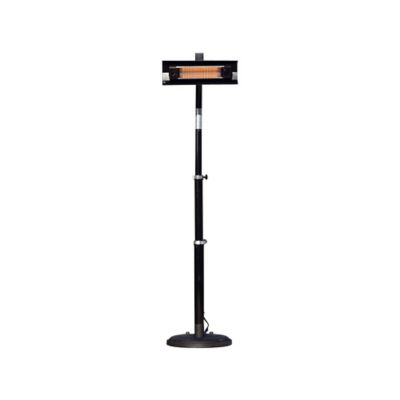
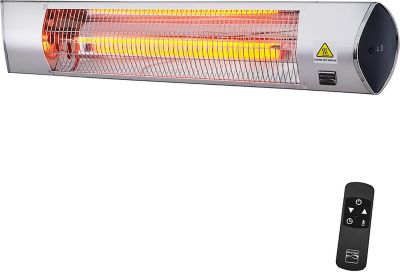
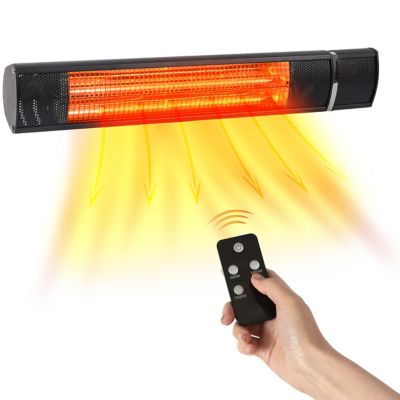
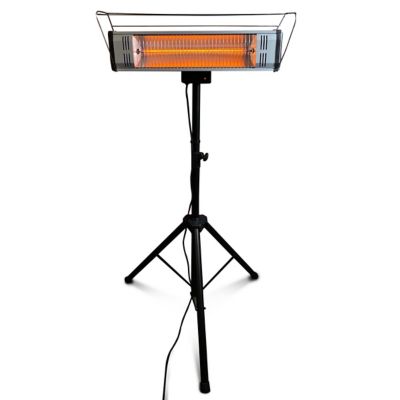
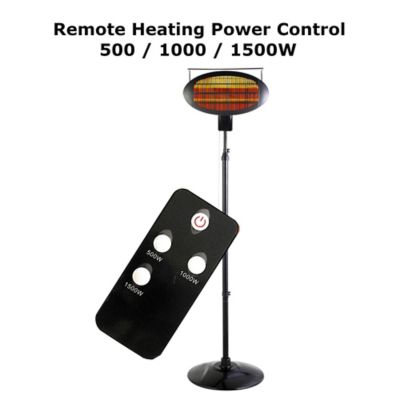
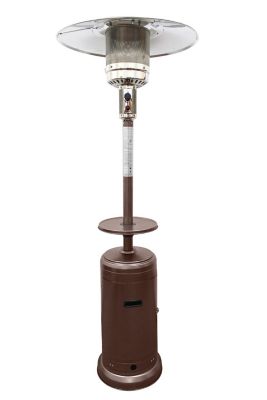
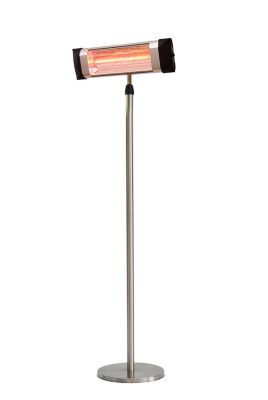
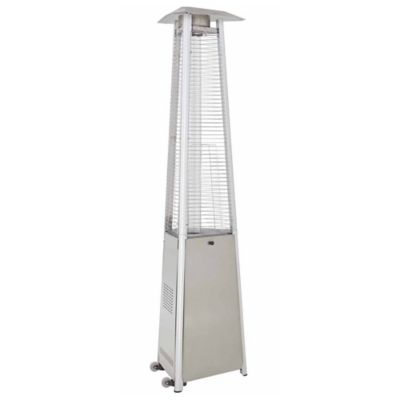
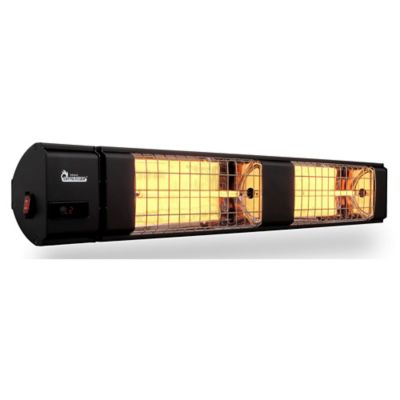
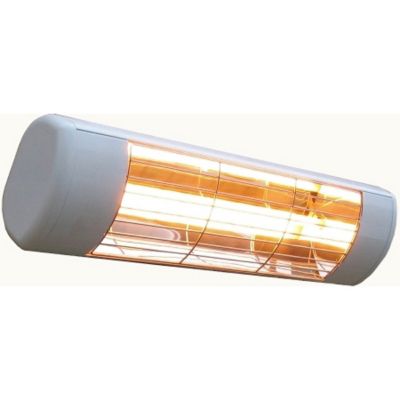
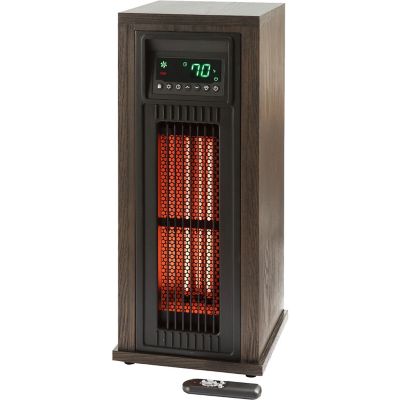
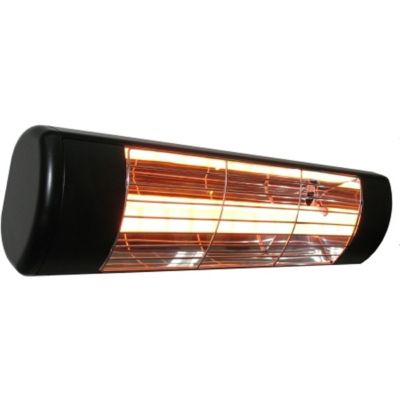
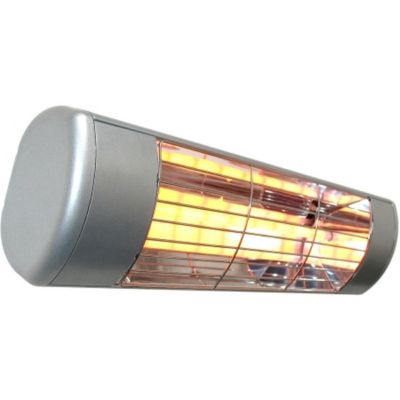
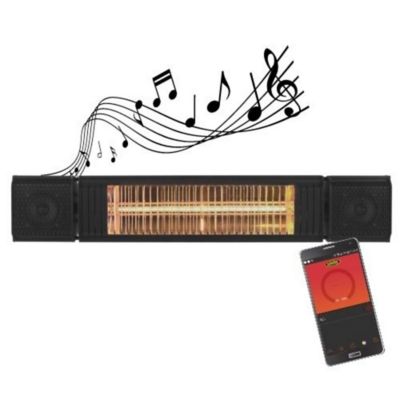
Electric, propane and natural gas infrared patio heaters suit different layouts and ways of spending time outdoors. Plug-in electric patio heaters commonly run on a standard 120-volt household circuit, making them a straightforward option for a smaller seating area with a suitable nearby outlet. Wattage and circuit capacity still matter; a heater can draw much of a circuit’s capacity, especially when other equipment shares that circuit. Larger electric installations may require 240-volt power, hardwiring and professional electrical work. Electric models produce no combustion exhaust at the heater, but they still need the outdoor rating, clearances and installation conditions specified for the location. Propane radiant heaters offer placement flexibility without a fixed gas supply line, although the cylinder adds weight and needs a safe, accessible location. Natural gas heaters connect to a permanent supply and generally suit a planned installation where the seating arrangement stays put. Fuel-burning patio heaters require the ventilation and overhead space called for in their instructions; they do not belong in enclosed rooms, garages or enclosed porches. Across power types, freestanding, wall-mounted and ceiling-mounted designs offer different ways to fit the space. A freestanding heater can work well beside a gathering area, provided its base rests on a stable, level surface and stays out of foot traffic. Wall and ceiling mounts leave the floor open, which can help on a narrow porch or around a table where chairs move in and out. Adjustable brackets can help direct heat toward the seating, but mounting positions must remain within the approved range. Controls also shape everyday convenience. Multiple heat settings let people ease back the output when the evening is mild, while timers and remote controls can simplify operation where those features are included. For larger gathering spaces, business patios or several separate seating areas,
Commercial Patio Heaters offer another category to consider when comparing installation needs and heating layouts. Electrical wattage and gas BTU input describe energy input, but neither figure alone tells the whole story of comfort at the table.
Construction matters when a heater spends its working life around damp mornings, blowing dust and changing temperatures. Stainless steel, aluminum and coated steel housings each have different care needs, and the condition of fasteners, finishes and mounting hardware affects how well the installation holds up over time. Stainless steel can resist corrosion, but it is not immune to staining or surface damage, particularly around salt air. Aluminum housings offer corrosion resistance without as much weight as some steel constructions, while coated steel depends on an intact finish to protect the metal underneath. An outdoor rating does not automatically mean a heater can sit uncovered through every storm. The stated weather-resistance rating and manufacturer’s placement requirements determine whether it belongs in an exposed location or under an approved roof with sufficient clearance. Heating elements vary as well. Quartz, halogen, carbon and other element designs can differ in visible glow, warm-up behavior and heat distribution. A bright element may be less appealing beside a softly lit supper table, while another setting may put greater emphasis on fast warmth. Reflectors help direct radiant energy, so their shape and condition matter along with the element itself. Routine care generally starts with switching the heater off, disconnecting power or shutting off the fuel supply as directed, and letting every surface cool completely. Gentle cleaning according to the instructions helps keep dust and debris from collecting around the housing, reflector and vents. Hosing down electrical components or applying cleaners not approved for the finish can cause damage. Before operation, a quick look at cords, plugs, brackets and, where applicable, gas hoses can catch visible wear that needs attention. Tip-over protection and overheat shutoff add safeguards where fitted, but do not replace supervision or safe spacing. Keep hot surfaces away from children and animals, and maintain the required distance from cushions, curtains, dry leaves and other combustible materials. With a suitable power source, sound mounting and routine care, an infrared patio heater can make that favorite outdoor seat a more comfortable place to linger when the air turns cool.