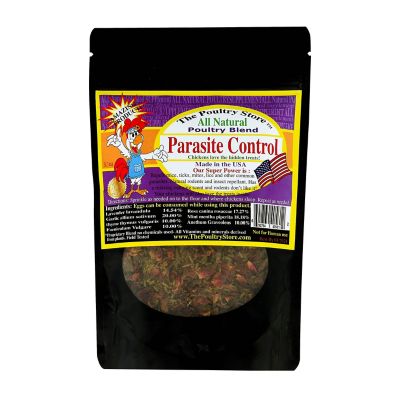
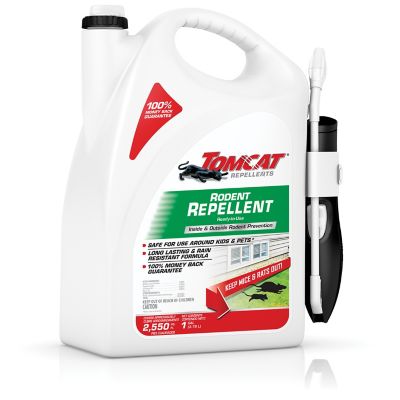
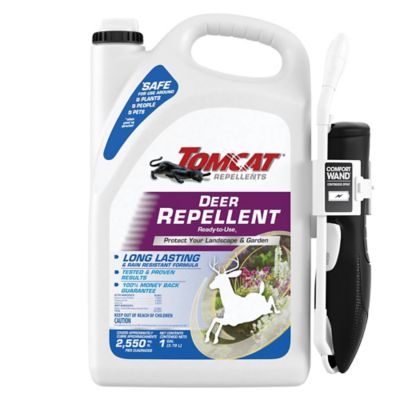
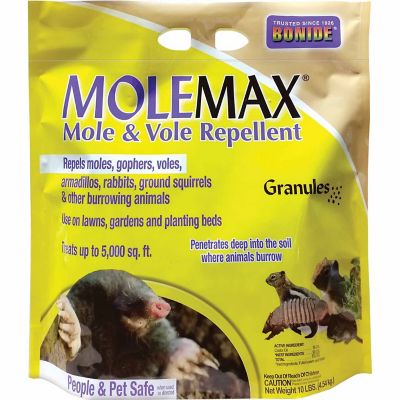
Organic farm pest control works best as a steady, layered approach rather than a single spray or quick fix. Farmers, market gardeners, homesteaders, and backyard growers start by making the growing area less inviting to pests and more supportive of healthy plants. Living soil, plenty of organic matter, proper drainage, and balanced nutrients can help crops handle feeding pressure and disease. Crop rotation also plays a big part: moving plant families to different beds from one season to the next can interrupt the life cycle of insects and soil-borne problems that linger in one spot. Choosing plant varieties with natural resistance, spacing crops so air can move through the leaves, and clearing away fallen plant material all help reduce hiding places. Companion planting may add another layer by placing strongly scented or pest-deterring plants near crops that tend to draw insects. These steps are especially helpful during the cooler months, when a little cleanup and planning can make the next growing season easier. Whether you tend a few raised beds, keep a large vegetable patch, or manage several acres, the right supplies can support a practical pest plan built around prevention, observation, and careful timing. Browse
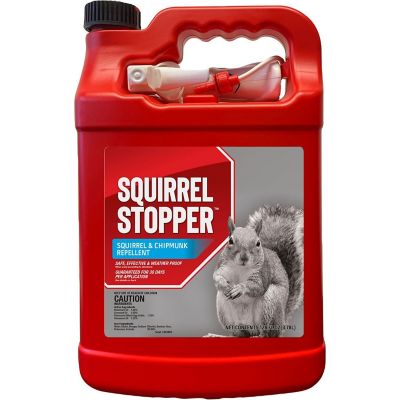
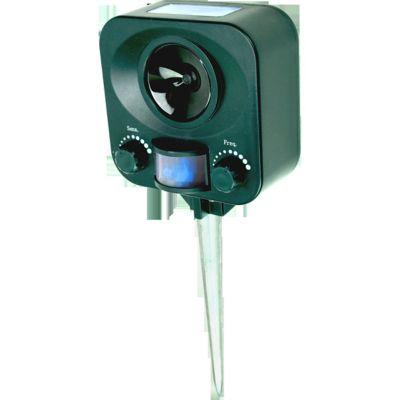
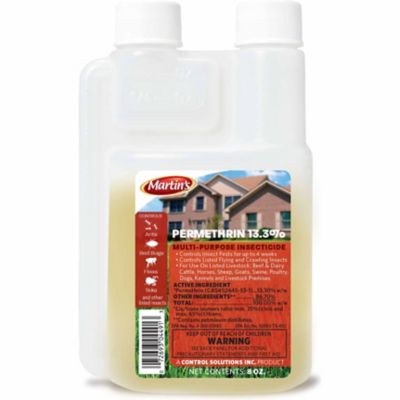
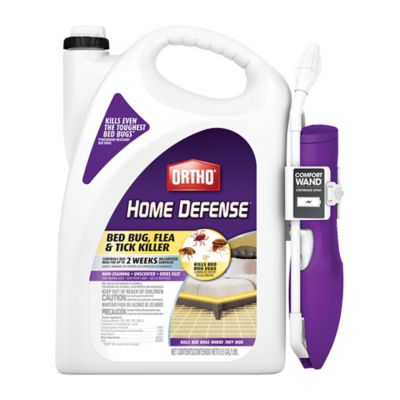
Pest Control Supplies to find options suited to garden beds, fields, barns, and other growing spaces.
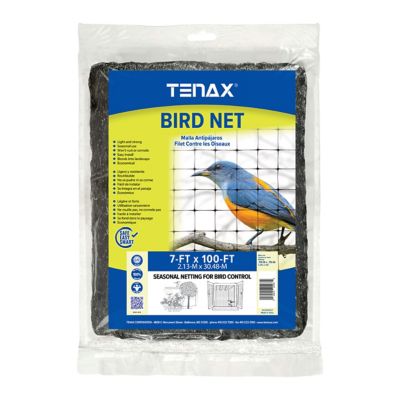
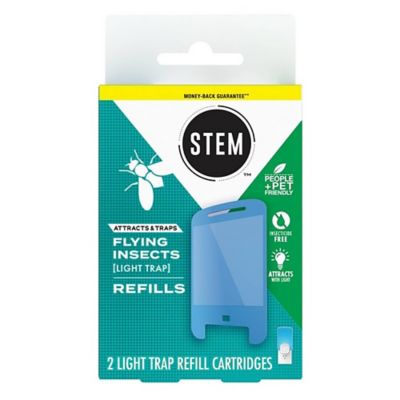
When shopping for organic farm pest control supplies, first identify the pest and the part of the plant it affects. Chewed leaves, curled growth, sticky residue, holes in fruit, and wilting stems can point to different insects or diseases, so checking plants closely helps prevent unnecessary treatment. Look for barriers such as floating row covers or fine mesh when young crops need protection from flying insects. Traps and monitoring cards can help show where pest activity is building, while pheromone-based traps may help interrupt the mating cycle of certain insects. For larger pests, handpicking, pruning affected leaves, and removing heavily infested plant material can make a real difference in a small area. Beneficial insects, including ladybugs, lacewings, hoverflies, and parasitic wasps, can also help keep aphids, caterpillars, and other pests in check. Avoid broad treatment when a smaller, targeted step will do, since many sprays can affect helpful insects along with the pests. If a treatment becomes necessary, read the label closely for the crops, animals, application rates, harvest intervals, weather limits, and organic-use status that apply to your farm. Apply products when wind is low and pollinators are less active, and keep treatments away from ponds, streams, livestock areas, and flowering plants whenever the label calls for caution. Keep records of what you notice, when you apply a treatment, and how plants respond. A simple note in a pocket notebook can reveal patterns from one growing cycle to the next and help you make better choices without reaching for more than the situation calls for.
These supplies can serve anyone who wants a measured way to protect crops while working with the land. A small-scale grower may need row covers, traps, and hand tools for a few beds, while a farm operator may look for larger application equipment, field barriers, and supplies that fit a broader scouting plan. Families who keep a kitchen garden can focus on easy monitoring and plant-safe options, while greenhouse growers may need products suited to enclosed spaces and careful ventilation. Organic farm pest control can also make a thoughtful gift for someone starting a homestead, tending a community plot, or preparing a garden for the next warm growing season, especially when paired with a garden journal or soil-testing supplies. During cooler weather, protect stored supplies from freezing, moisture, and direct sunlight, and clean tools before putting them away so pests and plant disease do not travel from one bed to another. As the weather warms, begin inspecting new growth early, check the undersides of leaves, and look along stems and soil lines for signs of activity. The goal is not to remove every insect from the farm; it is to keep pest numbers below a level that harms the crop while leaving room for beneficial wildlife. With healthy soil, crop rotation, resistant plant varieties, physical barriers, careful scouting, and targeted organic treatments when needed, growers can build a practical system that supports strong plants throughout the growing season.