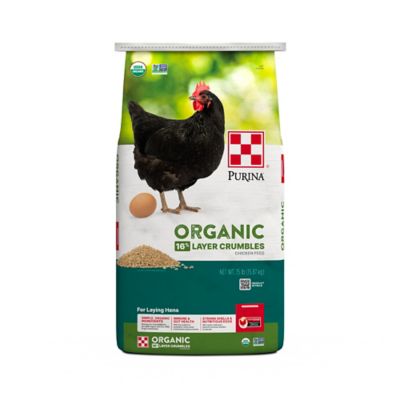
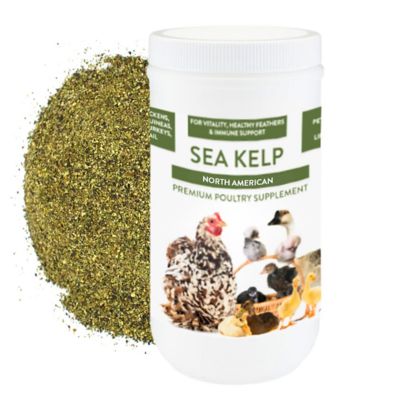
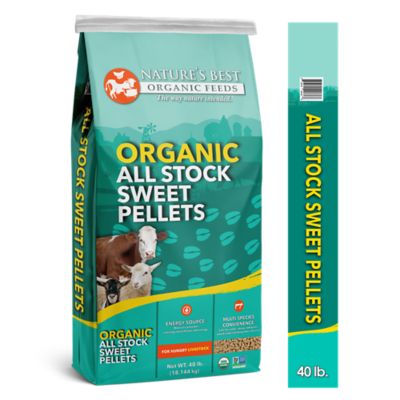
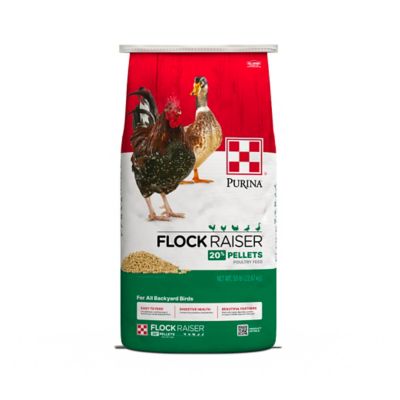
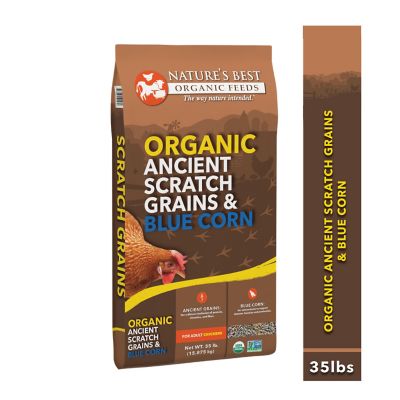
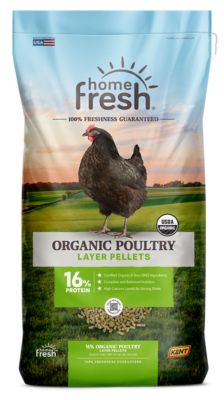
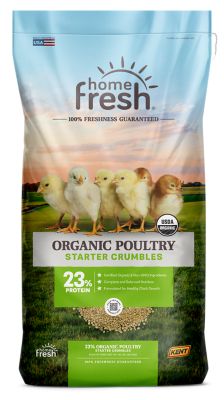
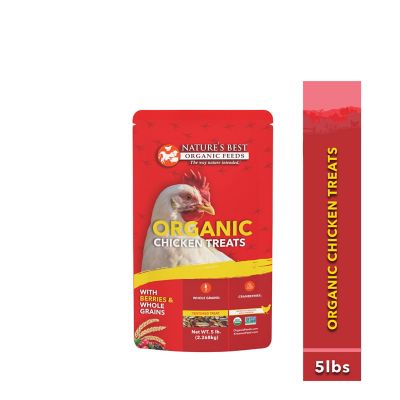
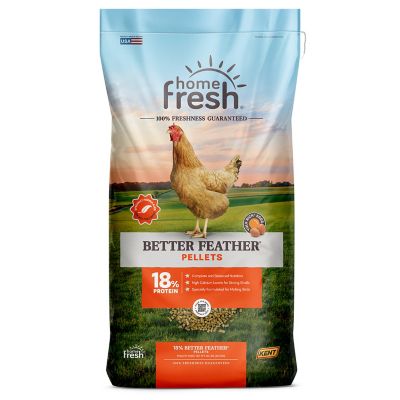
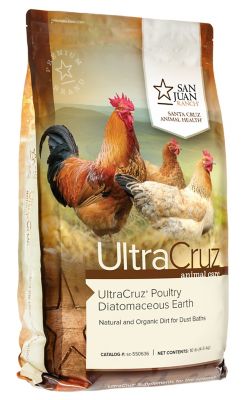
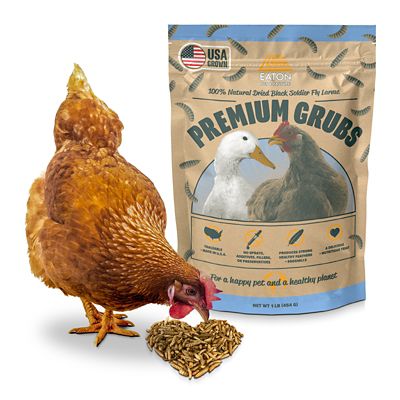
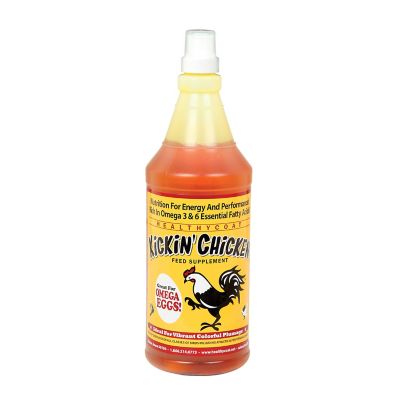
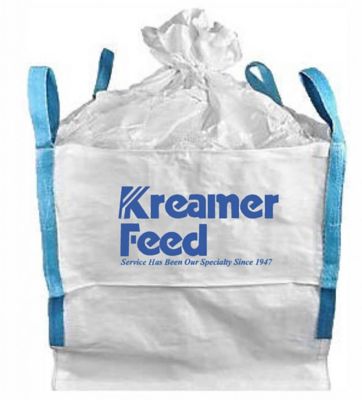
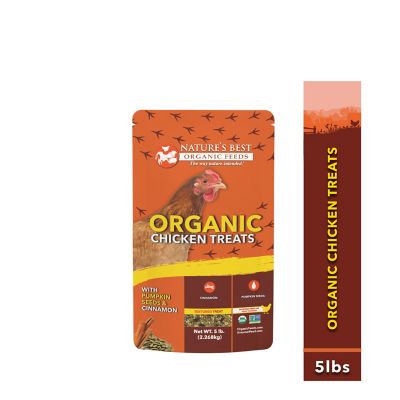
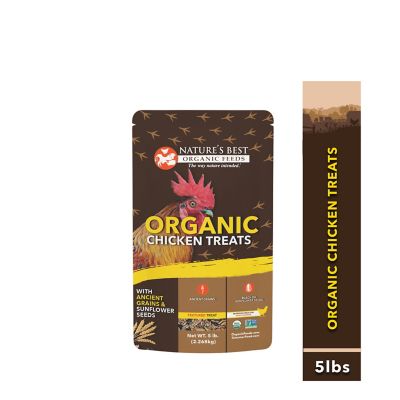
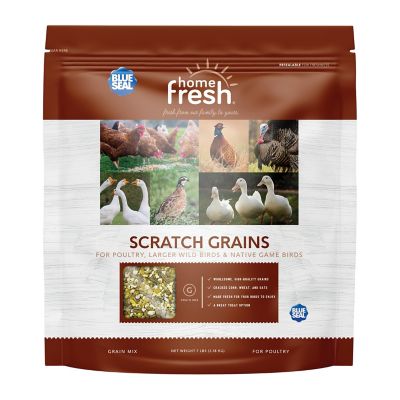
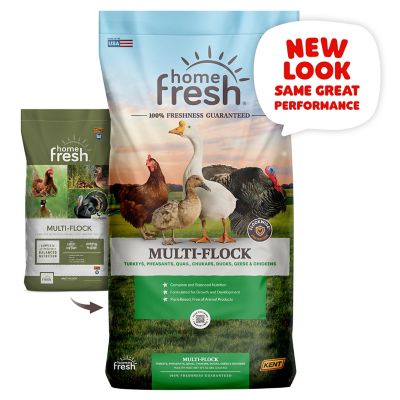
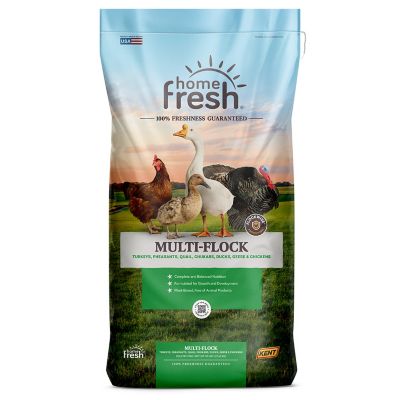
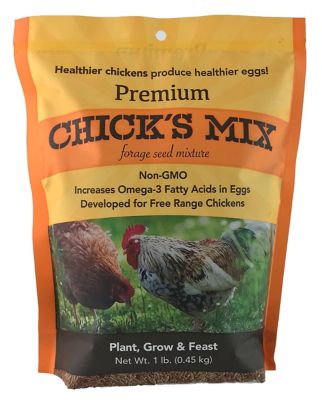
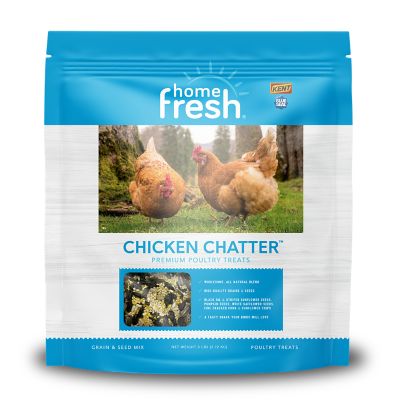
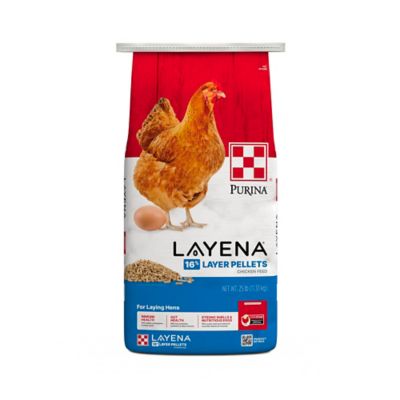
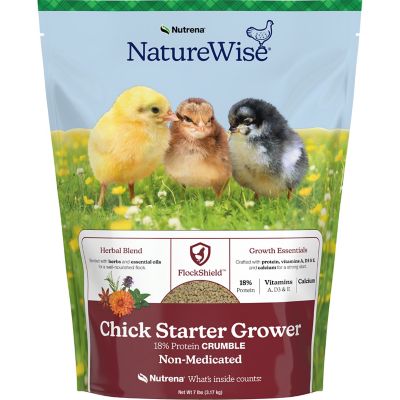
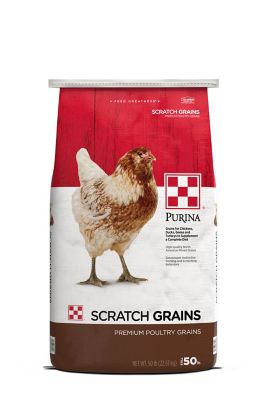
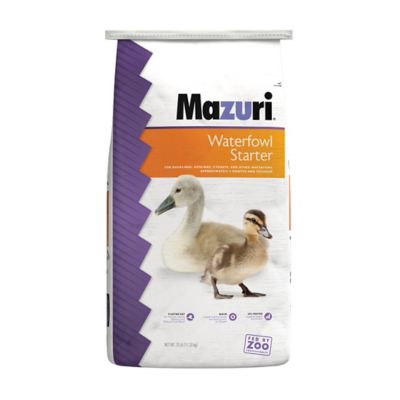
Organic poultry feeds are made for folks who want to take a closer look at what goes into the ration they offer their chickens, ducks, geese, turkeys, and other backyard or farmyard birds. Certified organic feed is made with ingredients grown and handled under organic standards, which generally means crops are produced without GMO seeds and without most synthetic pesticides or fertilizers. Organic formulas also avoid artificial growth boosters and added antibiotics, while relying on grains, plant-based proteins, natural minerals, and other ingredients approved for organic production. Because standards and formulas can vary, the certification seal and ingredient panel are worth a careful look before you buy. Some blends are made with common grains such as corn and wheat, while others are corn-free, soy-free, or built around whole grains for keepers with particular preferences. A 40-pound bag may suit a small flock for several weeks, while larger farms may choose heavier quantities to keep the feed shed stocked. Prices can vary widely based on the bag size, protein level, ingredients, and whether the feed is a complete certified organic ration. Organic poultry feed can be a good fit for backyard chicken keepers, homesteaders, small flock owners, and growers who want a simpler, more carefully managed feeding routine. It can also make a thoughtful gift for someone setting up a coop, raising their first batch of chicks, or caring for a family flock that supplies fresh eggs. Pairing a bag of feed with clean storage containers, a scoop, or
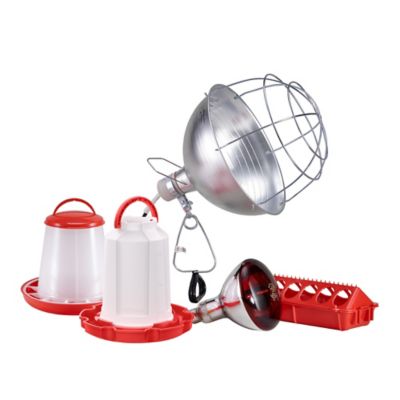
Poultry Feeders can help a new poultry keeper get the everyday basics in place.
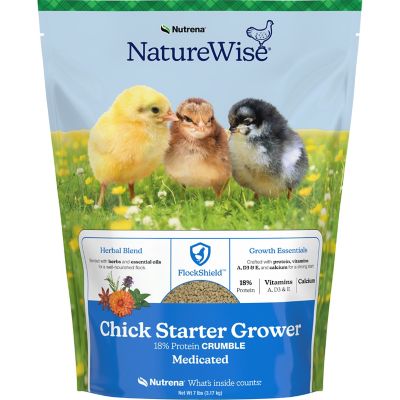
Choosing the right organic poultry feed starts with the age and purpose of the birds. Chicks need a starter ration that is finely ground or crumbled and typically higher in protein—often around 18% to 20%—to support early growth, feather development, and strong bodies during the first several weeks. Once young birds begin moving out of the brooder stage, a grower feed with a more moderate protein level, commonly around 15% to 17%, helps support steady bone and feather growth without providing more protein than they need. Laying hens generally do best on a layer ration formulated for mature birds, with added calcium to support firm eggshells. Some organic layer feeds include calcium in the complete formula, while flock owners may offer an approved calcium source separately according to the needs of their birds. Avoid feeding layer feed to very young chicks, since the extra calcium is not intended for growing birds. Meat birds, breeding stock, ducks, and turkeys may have different nutritional needs as well, so the feeding directions on the bag matter. Look for the listed protein, fat, fiber, calcium, phosphorus, and serving guidance, and check whether the feed is intended for chickens or another type of poultry. Pellets can reduce sorting and waste because birds eat more of each bite, while crumbles are often easy for chicks and smaller birds to manage. Whole-grain feeds may appeal to keepers who like a more natural-looking ration, but birds still need a balanced diet rather than a mix made up mainly of one favorite grain. Clean water should always be available, and treats, scratch grains, greens, and kitchen scraps are best kept limited so the complete feed remains the main source of nutrition.
Good storage is just as important as the feed itself, especially during the warmer stretch of the year and into the cooler months when damp weather can find its way into sheds and outbuildings. Keep bags off the floor on a pallet or shelf, away from rain, condensation, rodents, and direct sunlight. A tight-fitting, food-safe container can help protect the feed from moisture and pests, though it is still smart to keep the original label or write the product name, lot information, and expiration or best-by date on the container. Buy an amount your flock can use while the feed is fresh, and rotate older bags forward instead of burying them behind a new supply. Check the feed before filling the feeder; it should have a clean, familiar grain smell and should not show signs of mold, clumping, insect activity, or rodent contamination. Clean feeders regularly, since wet feed left in a trough can spoil quickly, particularly when temperatures rise. During cold weather, birds may spend more time near the coop and use more energy staying warm, while hot weather can lower appetite and increase the importance of shade and fresh water. Watch the flock’s body condition, droppings, feather quality, activity, and egg production, and make changes gradually rather than switching feeds overnight. Organic poultry feed is not a substitute for sound flock care, but it can be a dependable foundation when matched to the right life stage and stored and served properly. For backyard layers, a small family flock, or a working farmyard, the best choice is the one that fits the birds’ age, the keeper’s ingredient preferences, the size of the flock, and the practical rhythm of daily chores.