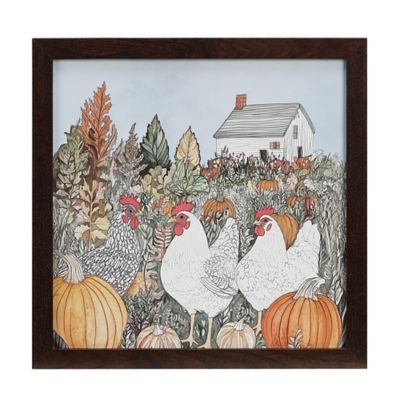
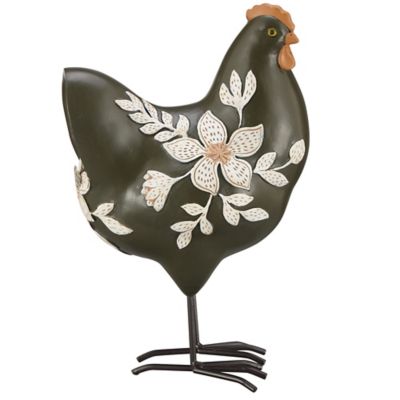
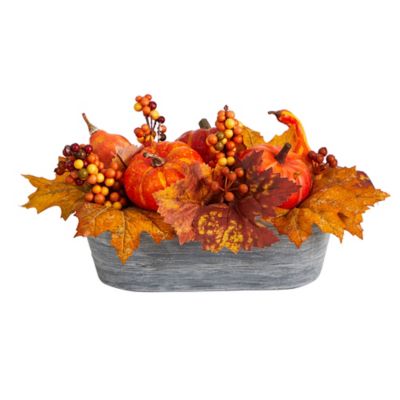
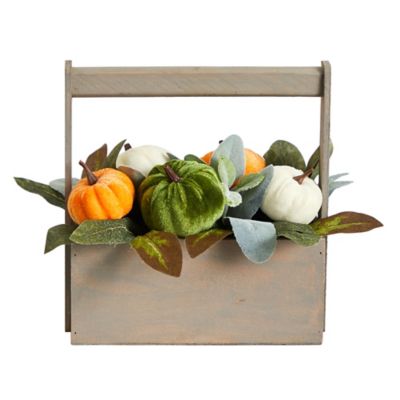
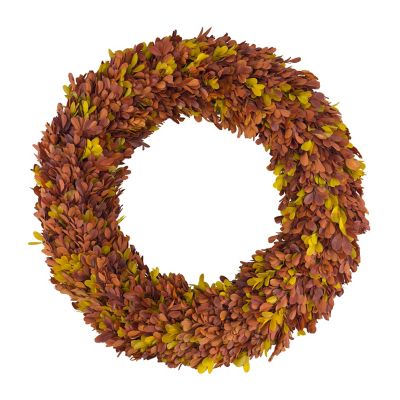
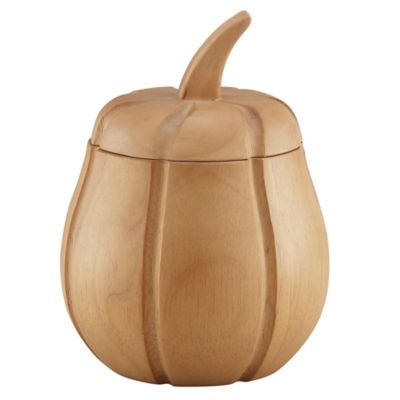
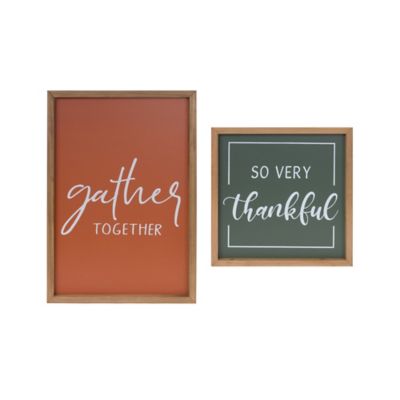
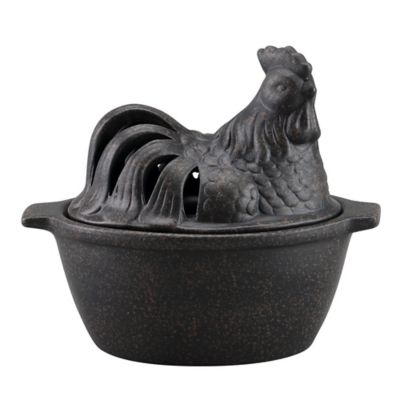
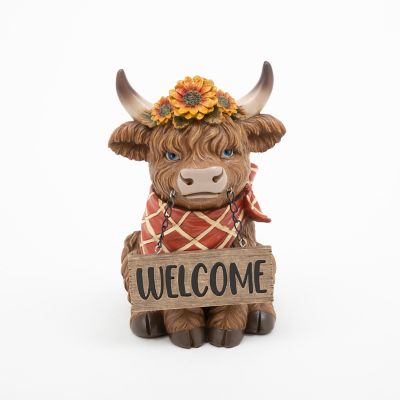
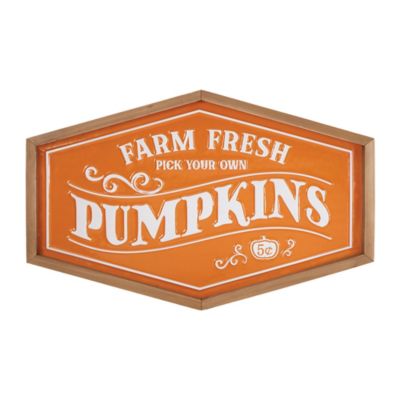
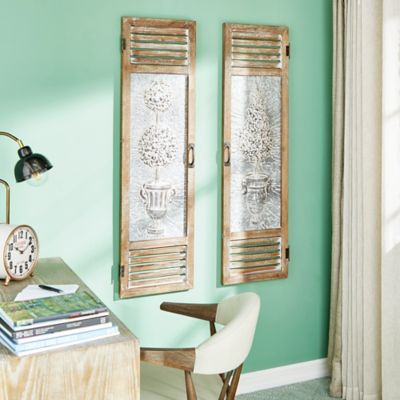
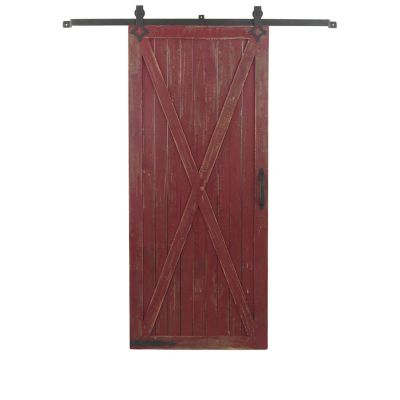
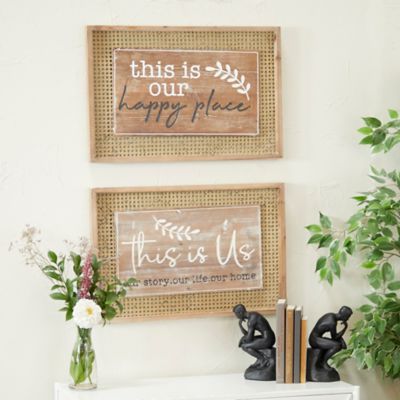
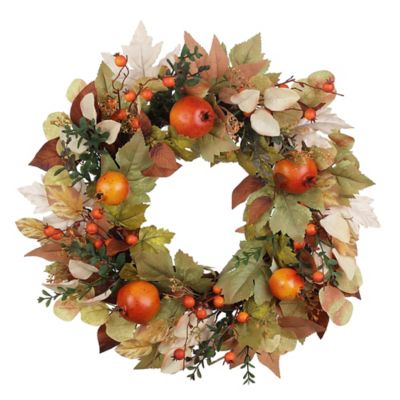
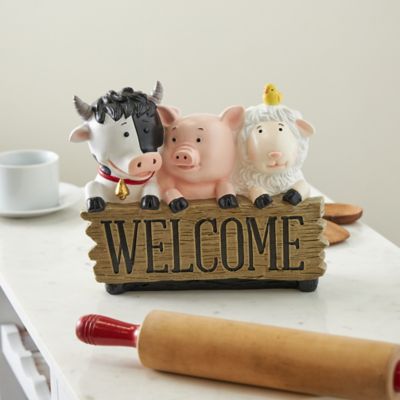
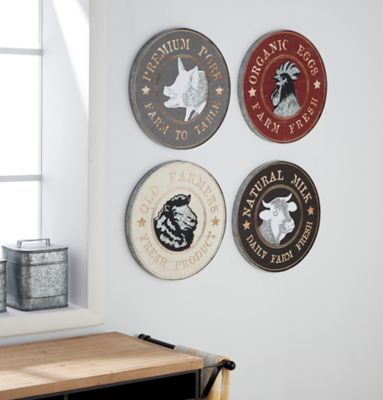
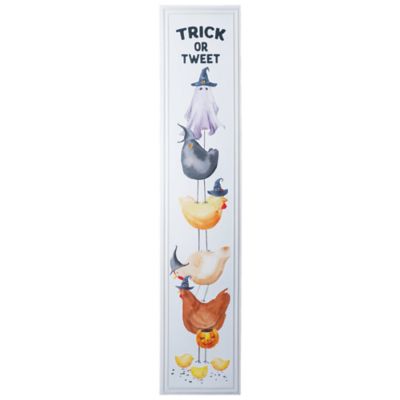
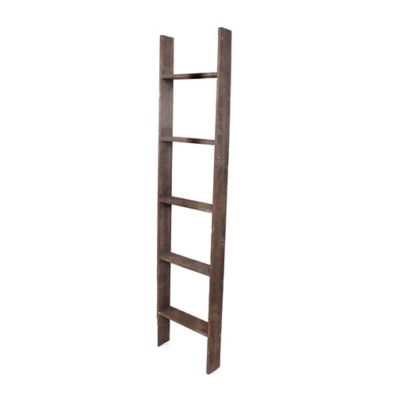
Farmhouse fall decorations bring together warm neutrals, weathered wood textures, and harvest-inspired shapes for a relaxed country look. Cream, oatmeal, faded brown, and muted orange give the style its familiar warmth, while touches of olive, rust, and amber add depth without taking over a room. Pumpkin shapes, wheat patterns, leaf details, and natural-looking stems connect the look to fields, gardens, and the harvest season. The appeal is in the mix: a rough-looking finish beside smooth glass, soft woven fabric against metal, or a simple harvest arrangement on a well-loved wooden table. These accents feel at home in a country kitchen, a small-town house, or a place with a front porch and boots parked by the door. They also work with furnishings already in the room, from painted cabinets and open shelves to leather seating and checked fabrics. A farmhouse look does not need every surface covered. A few larger accents can give a spacious room a clear focal point, while smaller touches fit neatly into a narrow entry, a kitchen corner, or the space above a cabinet. Color makes a difference, too. Pale harvest colors sit comfortably beside white walls and light wood, while deeper earth tones hold their own against brick, dark furniture, and stone. Repeated textures help separate areas feel connected, especially in homes where the kitchen, dining space, and living room share one open floor plan. The result is a fall setting that feels welcoming rather than fussy, with enough character for a family gathering and enough breathing room for everyday life. It is a style built around familiar surroundings: supper at the table, conversation on the porch, and a front entry that gives guests a warm welcome. That easygoing feel leaves room for family keepsakes and the little signs of a working household, rather than making every corner look too carefully arranged.
Materials and construction play a big part in how farmhouse fall accents look, feel, and hold up around the house. Wood brings grain and variation, and a painted or distressed finish can add a timeworn appearance without needing an exact match to nearby furniture. Metal offers a different texture, with finishes that range from softly weathered to smooth and dark. Glass brings a bit of shine to an otherwise matte setting, while ceramic adds weight and a solid presence on a shelf or tabletop. Woven fabrics, cotton blends, and textured fibers soften hard surfaces and make sitting areas feel more inviting. Material names alone do not tell the whole story, though. Finish, weight, seams, backing, and attachment points all affect whether an accent suits its intended spot. A sheltered entry and an uncovered porch have different needs, so indoor or outdoor labeling matters more than a rustic appearance. Sunlight, moisture, and wind can affect color, shape, and surface finish, particularly on exposed steps or railings. Indoors, the best fit leaves room for the things a household does every day. A dining arrangement feels more comfortable when people can see across the table and pass serving dishes without moving everything aside. An entryway still needs a clear path for grocery bags, muddy boots, and a dog coming through the door. Height and depth matter on mantels and shelves, where an oversized accent can crowd the space or sit too close to an edge. Homes with children or pets may benefit from lighter, less breakable materials and stable placement away from busy paths. Care requirements deserve the same attention as appearance. Washable textiles can be practical around shared seating, while other fabrics may call for spot cleaning. Wood, metal, glass, and ceramic each need care suited to their finish; label directions help prevent damage from water or cleaning solutions. Harvest accents also belong well away from open flames, stove surfaces, and other heat sources unless their stated purpose allows that placement. Those practical details help a fall setting stay comfortable to live around.
Farmhouse fall accents suit everything from a quiet kitchen breakfast to a full Thanksgiving table, and their earthy colors make it easy to keep a home feeling connected from one room to the next. Harvest motifs can frame a gathering space without competing with food, serving pieces, or the people around the table. In a busy household, simple arrangements often make the most sense: enough color and texture to mark the season, with room left for homework, a casserole dish, or a fresh pot of coffee. A porch display has a different job, creating a welcome that reads clearly from the walkway while leaving steps and door swings open. Proportion helps both spaces feel settled. Broad surfaces can carry fuller shapes, while narrow ledges and small tables usually feel less crowded with lower profiles and a lighter touch. For a look that connects seasonal accents with the rest of the house,
Farmhouse Decorations offers a related starting point for the same easygoing country style. Fall pieces in cream, brown, or natural wood tones can coordinate with year-round furnishings, while stronger harvest colors make a more distinct seasonal statement. These accents can also make thoughtful gifts for a host, a new homeowner, or someone who enjoys setting out a few fall touches each year. Familiar colors, manageable dimensions, and straightforward care are useful considerations when choosing something for another household. For pieces that come out season after season, storage matters as much as display. Dry, clean surfaces, protected edges, and enough space to keep soft shapes from flattening can help preserve their appearance between outings. Glass and ceramic need cushioning, while fabric benefits from being fully dry before packing. With attention to fit, materials, and everyday use, farmhouse fall decorations can bring harvest character to a home without getting in the way of the life happening inside it.