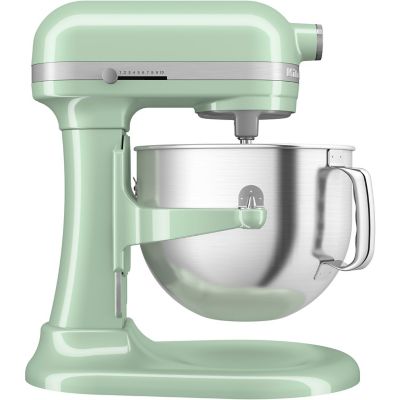
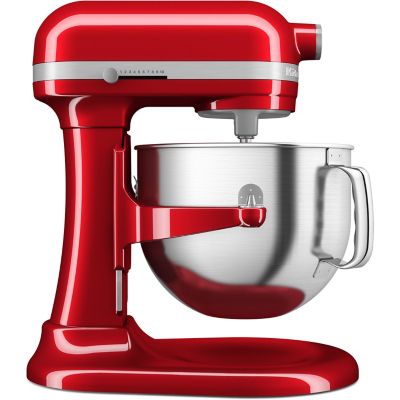
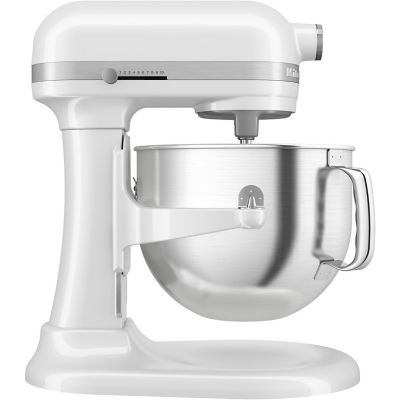
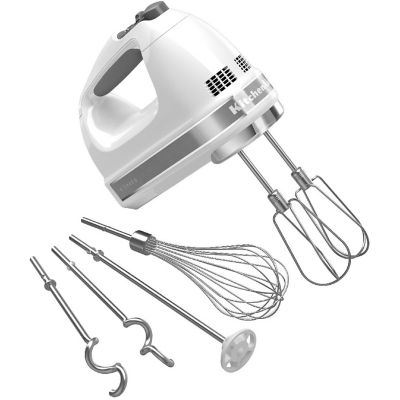
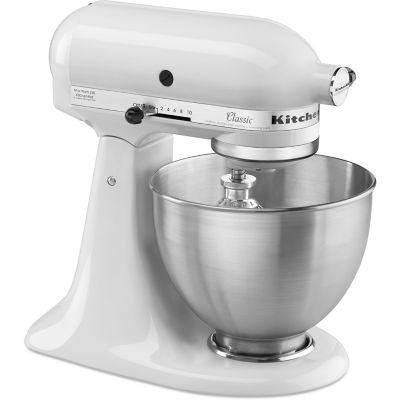
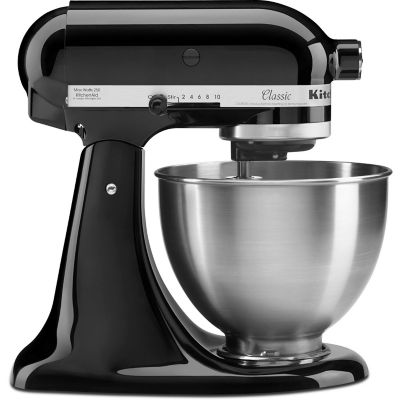
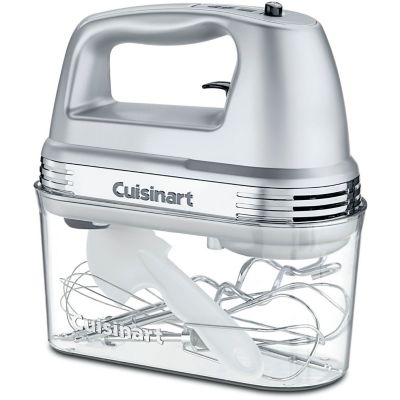
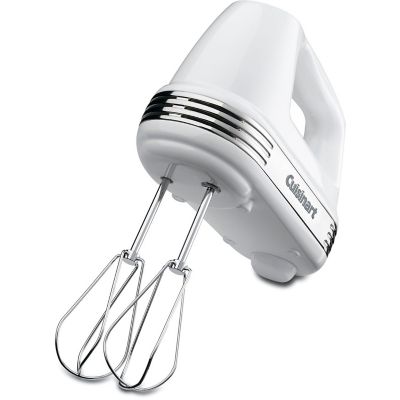
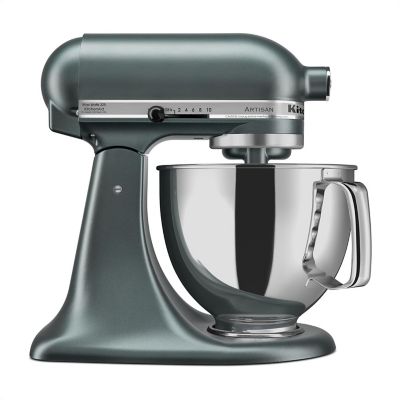
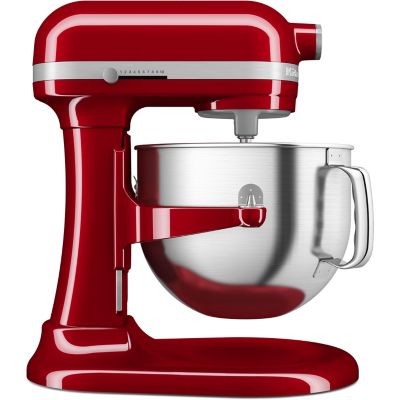
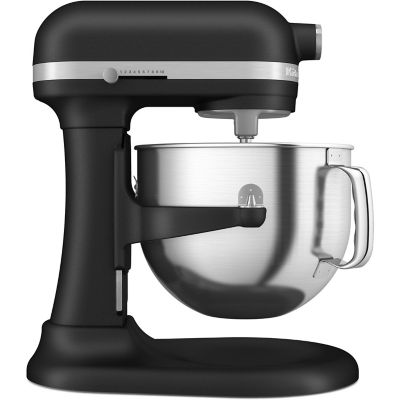
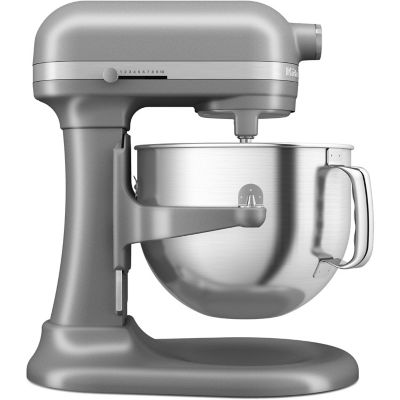
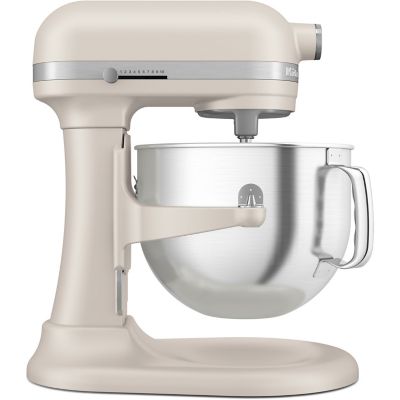
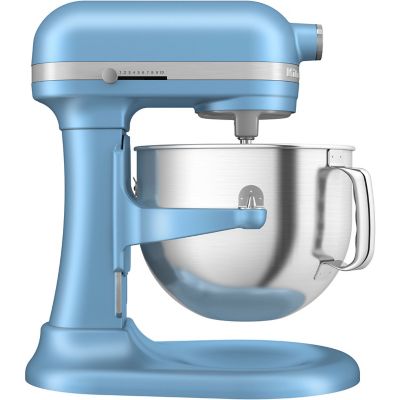
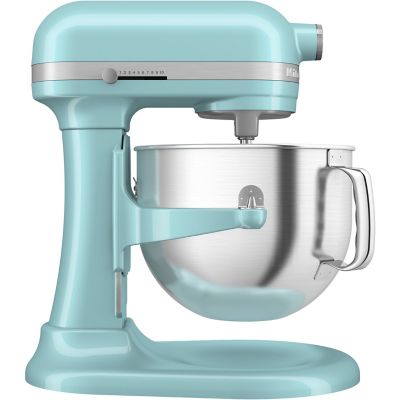
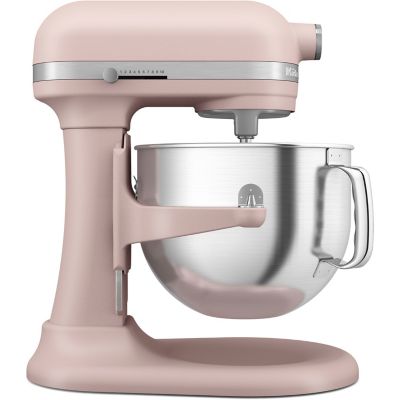
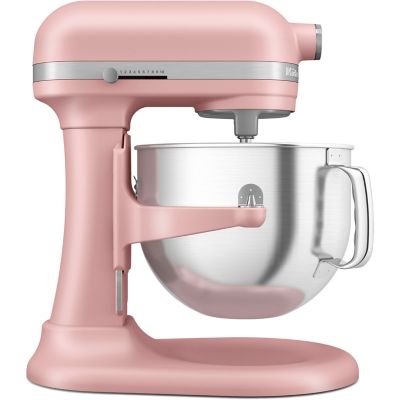
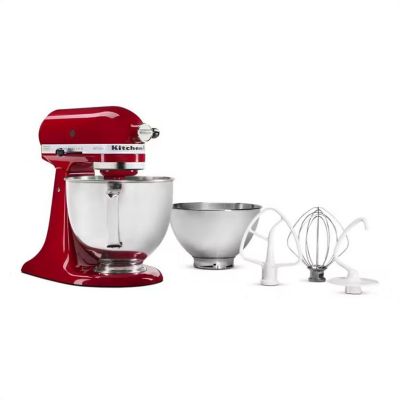
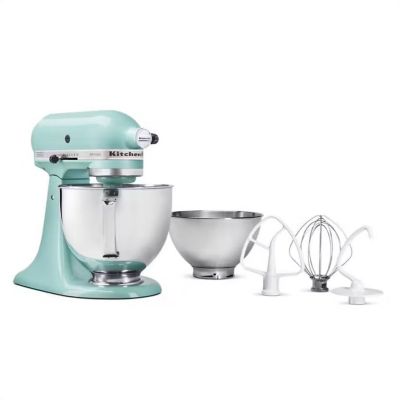
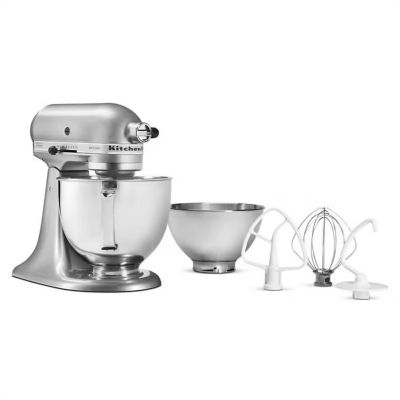
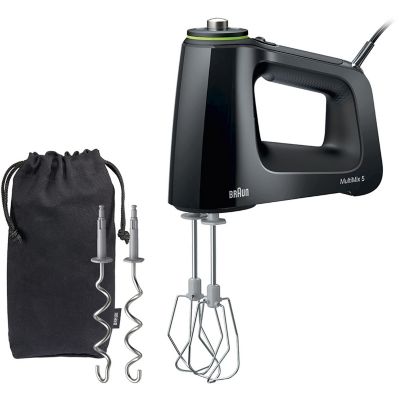
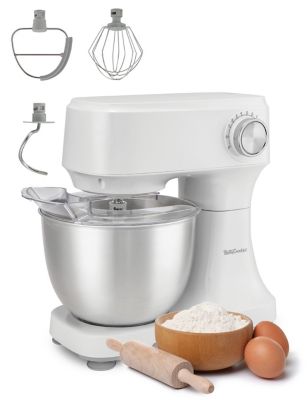
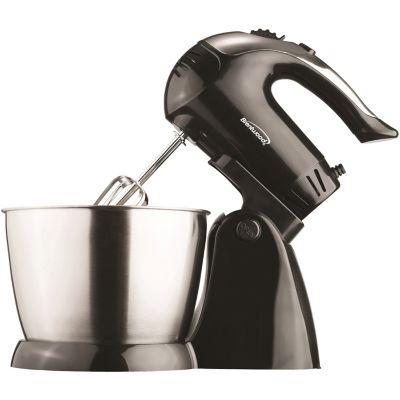
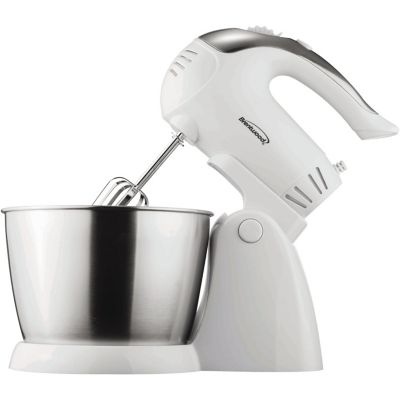
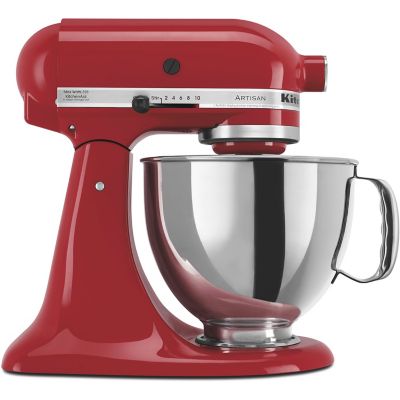
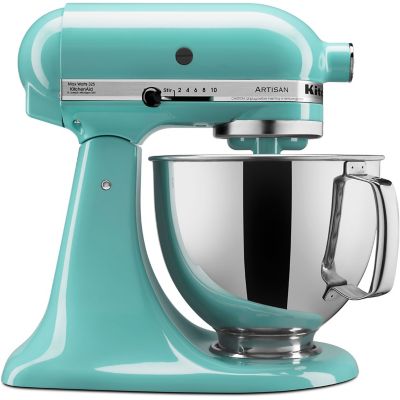
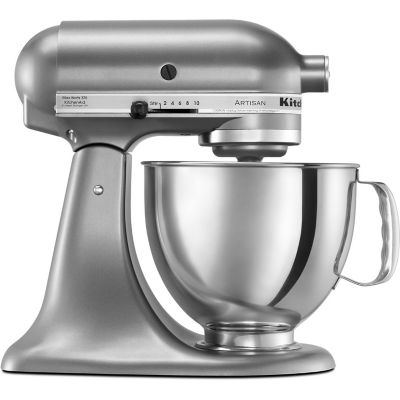
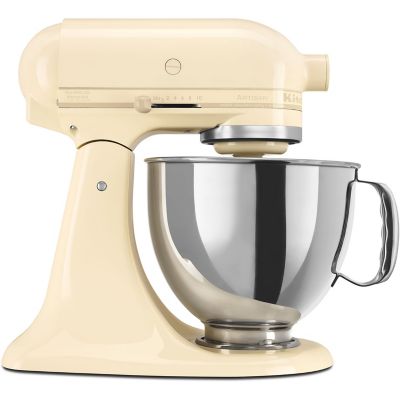
A mixer for bread dough can make the difference between an occasional loaf and a steady baking routine. The right machine takes on the tiring work of mixing flour, water, yeast, salt and other ingredients, then kneading the dough until it becomes smooth, stretchy and ready to rise. That matters for anyone who enjoys homemade sandwich bread, dinner rolls, pizza crust, cinnamon rolls or hearty loaves made with whole wheat flour. During the cooler months, there is something especially satisfying about setting a warm loaf on the counter while the kitchen fills with the smell of yeast and toasted grain. A mixer with a sturdy dough hook helps bring that same hands-on comfort to busy households, homesteaders, hobby bakers and families who prefer to make bread in larger batches. It can also be a thoughtful gift for someone setting up a first kitchen, learning to bake from scratch or stocking a country kitchen for family gatherings. When comparing mixers for bread dough, start with the type and amount of dough you expect to make. A smaller bowl and lighter machine may be a good fit for one loaf at a time, while frequent bakers may appreciate a larger bowl, stronger motor and heavier base. Bowl capacity does not always equal usable dough capacity, so check the manufacturer’s recommended limits for flour and heavy dough rather than filling the bowl to the rim. A machine that handles cookie batter with ease may work harder when mixing stiff whole-grain dough, low-hydration dough or multiple loaves, so bread bakers should give motor strength, gearing and overall construction extra attention.
The mixing action also affects how a machine handles bread dough. Many traditional stand mixers use a dough hook that moves through the bowl, pulling and folding the dough as the bowl stays in place. Other designs use a rotating bowl, roller or scraper to stretch the dough in a motion that is closer to kneading by hand. Neither style is automatically right for every baker; the better choice depends on batch size, preferred recipes and available counter space. Look for a dough hook made for yeast dough, several speed settings and controls that make it easy to begin slowly before increasing the speed. Starting at a low setting helps keep flour from puffing across the counter, especially when using a deep bowl or adding dry ingredients. A mixer should knead steadily without walking across the counter, rocking under load or becoming unusually hot during normal use. Weight can be useful here, since a solid base is less likely to shift when working a firm dough. Bowl shape matters, too. A bowl that allows the hook to reach the sides and bottom can reduce the need to stop and scrape, while a wider bowl may make it easier to add ingredients and monitor the dough. For recipes using whole wheat flour, rye, oats or seeds, extra clearance and dependable kneading action can be helpful because these doughs often feel heavier and less elastic than dough made with refined flour. Keep an eye on the dough during the first few minutes. If it climbs the hook, smears around the bowl or leaves dry flour underneath, pause the machine and adjust with a spatula or a small amount of liquid or flour as the recipe calls for. A mixer is a helpful partner, but dough still benefits from a baker’s judgment. The finished dough should generally look cohesive and supple, with enough strength to stretch without tearing easily.
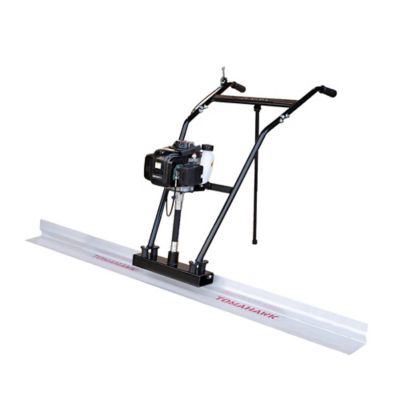
Before choosing a mixer for bread dough, consider how it will fit into everyday life. A machine that lives on the counter may get used more often than one that is difficult to lift from a cabinet, so measure the available space and check the height with the bowl and head fully raised. Pay attention to the weight, cord storage, bowl handles, splash protection and how easily the hook and bowl can be removed for washing. Stainless steel bowls are durable and easy to inspect, while dishwasher-safe parts can simplify cleanup after a sticky dough session. Some mixers accept additional attachments for tasks such as grinding, shredding or pasta making, which may be useful in a busy home kitchen, but bread performance should remain the main priority when dough is the reason for the purchase. Follow the care instructions, avoid exceeding the recommended batch size and give the motor a break between heavy loads when advised. For those tackling larger farm or workshop projects, bread mixers are designed for food preparation and should not be substituted for
Cement Mixing Tools. A well-matched mixer can serve for years of weekend baking, holiday meals and ordinary family breakfasts, whether it is kneading one soft loaf for the table or preparing several batches to share with neighbors. Choose based on realistic baking habits, not just the largest bowl or highest power number, and look for a dependable machine that feels comfortable, stable and easy to use each time flour hits the counter.