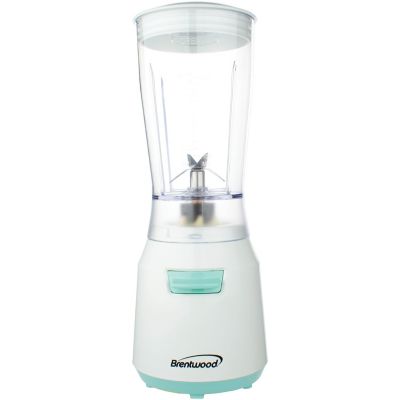
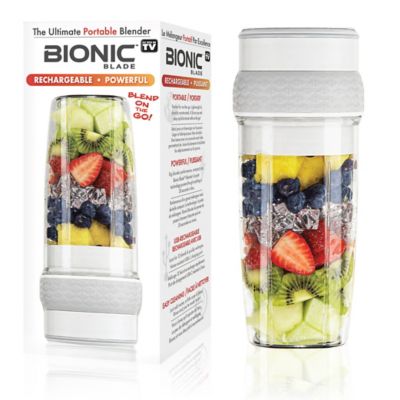
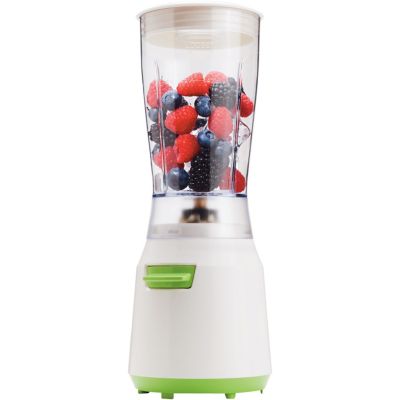
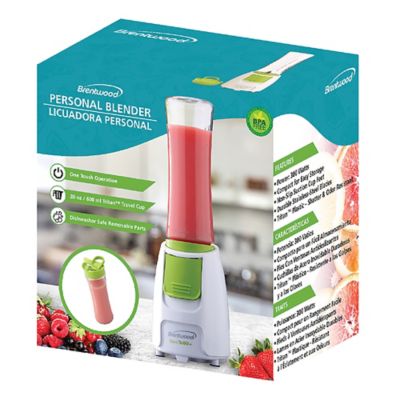
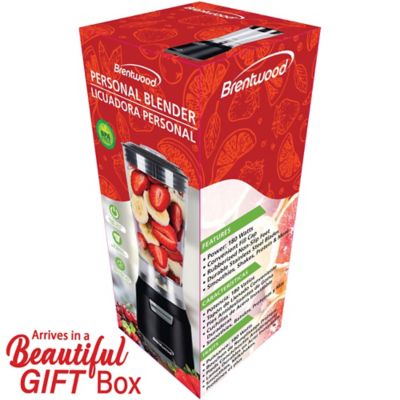
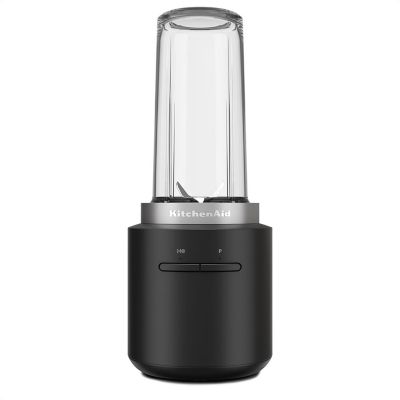
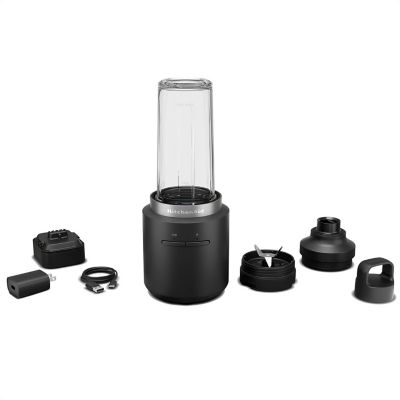
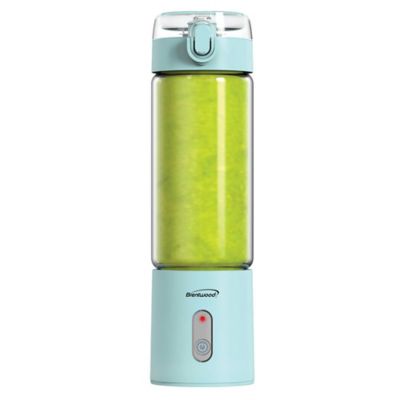
A personal blender is a compact appliance made for single servings of smoothies, protein shakes, and other small portions, often blending ingredients directly in a cup that also serves as a drinking container. That setup keeps breakfast simple when there are chores to finish before heading to work: blend fruit, milk, and yogurt, swap the blade assembly for the drinking lid, and take the cup along. Many personal blender cups hold roughly 12 to 24 ounces, though sizes vary, and the maximum blending fill line may sit below the cup’s total capacity. Leaving that extra space gives ingredients room to circulate instead of packing tightly around the blades. The right size depends on whether the goal is a small afternoon shake or a larger breakfast smoothie with fruit, greens, and oats. A compact footprint also makes these appliances a practical fit for smaller kitchens, apartments, and shared break rooms where counter space matters. Corded personal blenders run from an electrical outlet and generally suit regular countertop blending, while rechargeable personal blenders offer more flexibility away from an outlet. A travel cup does not necessarily mean the whole appliance is portable; some cups detach from a countertop motor base, while other designs carry the battery and motor along with the blending container. For a workday spent between the house, truck, and jobsite, that distinction matters as much as cup size. Cup height, base width, handle placement, and lid shape all affect how comfortably a blender fits into daily routines. A tall cup may hold a generous serving but need more clearance beneath a kitchen cabinet, and a wide bottle may not fit a vehicle’s cup holder. For someone who regularly makes just one drink, a personal smoothie blender offers a smaller-scale alternative to bringing out a full-size pitcher and finding room for the extra pieces afterward.
Blending performance depends on the motor, blade arrangement, cup shape, and ingredients working together, not simply the wattage printed on the appliance. Soft berries, ripe bananas, yogurt, and liquid usually place fewer demands on a personal blender than large frozen fruit pieces, fibrous greens, or ice. A blender rated for frozen ingredients is a better match for thick fruit smoothies, while ice crushing should be limited to appliances whose instructions specifically allow it. Corded designs often offer more power for demanding mixtures, but performance varies across both plug-in and rechargeable models. Battery capacity, charge time, and the manufacturer’s stated blending limits matter for anyone planning to blend away from home. Thick mixtures also need enough liquid to move freely; adding more solid ingredients than the cup can circulate may strain the motor without making the drink smoother. Controls can range from a simple push-button cycle to pulse settings and preset programs, with pulse operation offering short bursts for certain small-batch mixtures. Construction deserves a close look, too. Plastic cups keep carrying weight down, glass adds weight and calls for careful handling, and stainless steel containers hide the contents from view. Cup material alone does not establish whether a container can handle ice, a dishwasher cycle, or a particular ingredient. Stainless steel blades, a well-fitting gasket, and secure cup-to-base connections all play a part in everyday performance. Seams and lid threads should be easy to reach for cleaning, especially when shakes include nut butter or protein powder that can collect around the edges. Safety features may help prevent operation before the cup is properly attached, but they do not replace correct assembly. Hot liquids and steaming soup do not belong in sealed personal blending cups because pressure can build and force the container open. Carbonated ingredients can also create pressure and should stay out unless the appliance instructions expressly permit them. Blending limits and rest periods deserve attention as well, particularly with dense mixtures.
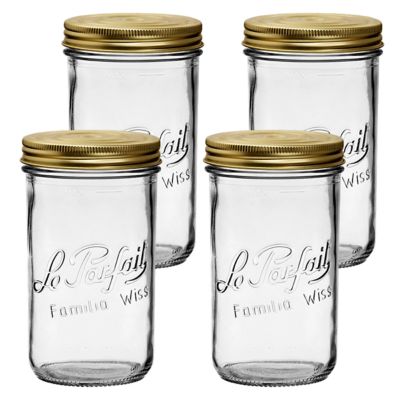
Beyond smoothies, some personal blenders can handle small portions of salad dressing, dips, or sauces when their instructions allow those preparations. The narrow cup that works well for a drink may not circulate a stiff spread, so matching the appliance to the food matters more than expecting it to tackle every kitchen task. For a household where one person likes a banana shake and another prefers berries and yogurt, separate compatible cups can keep serving portions straightforward without making a full pitcher of either drink. Drinking lids bring their own considerations: a flip-top opening, a screw-on cap, and a straw opening behave differently in a lunch bag, and a lid intended for sipping should not automatically be treated as leakproof. Drinks containing milk, yogurt, or other perishable ingredients still need proper refrigeration or an insulated carrier with a cold source; a travel lid alone does not keep them safe through a long shift. Ingredient preparation can stay separate from the blender itself. A
Mason Jar can hold a measured portion of oats or other ingredients until blending time, but an ordinary storage jar is not a substitute for the appliance’s approved blending cup. Everyday care is another part of long-term service. Prompt rinsing helps keep fruit pulp and shake residue from drying onto the container, while thorough washing reaches the threads, lid openings, and removable seals. Dishwasher cleaning is appropriate only for parts identified as dishwasher safe. Motor bases and charging connections need protection from water, and blades require careful handling even when the appliance is off. Parts should dry fully before reassembly, with cracked cups, damaged seals, or loose blade assemblies taken out of service and replaced with compatible components. For a student setting up a kitchen, a commuter who takes breakfast along, or a family member who enjoys a daily smoothie, a personal blender can make a useful gift without taking over the counter. The best fit is one whose serving size, blending ability, cleanup needs, and carrying setup suit the way that person eats and gets through the day.