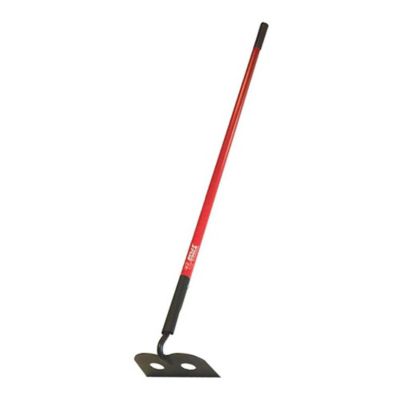
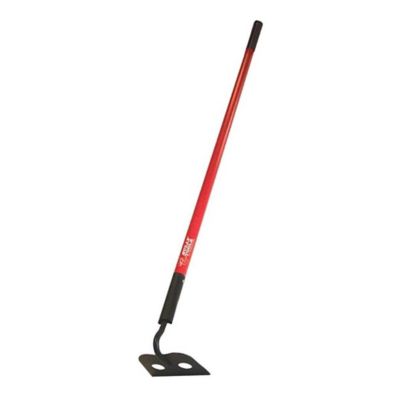
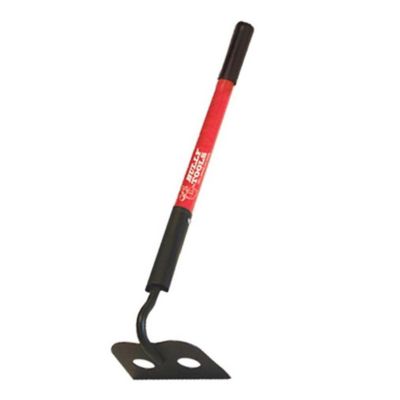
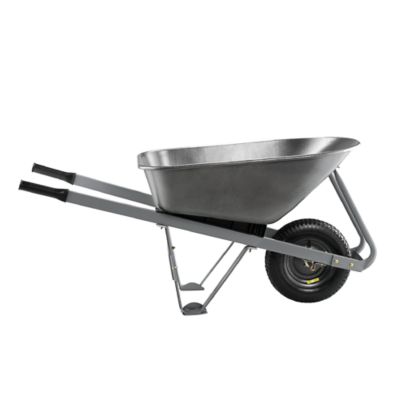
Cement mixing tools help turn a stack of dry bags into a workable mix for repairs, posts, walkways, pads, footings and other jobs around the home, farm or jobsite. The best setup depends mainly on how much material you need to mix, how far it must be moved and how much room you have to work. For a small patch, mailbox footing or fence-post repair, a sturdy 5-gallon bucket or compact mixing tub can keep the batch contained without taking up much space. A heavy-duty drill fitted with a mixing paddle can blend smaller amounts right in the bucket, saving the repeated lifting and turning that comes with hand mixing. Use a low-speed, high-torque drill made for demanding work, and keep the paddle moving through the material so dry pockets do not hide along the bottom or sides. For medium-size jobs, a wheelbarrow or large mixing tub gives you more room to combine several bags while keeping the mix mobile. A square-point shovel can turn and scoop the material, while a mortar hoe pulls through wet mix with less drag and helps break up clumps. Mixing on bare ground may seem handy, but it can leave dirt and stones in the batch and makes cleanup harder, especially if the mix starts to set before the work is done.
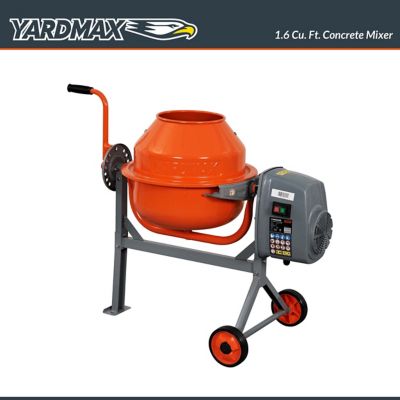
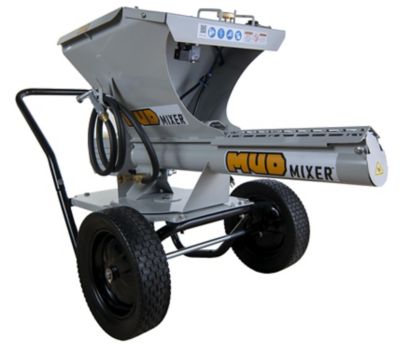
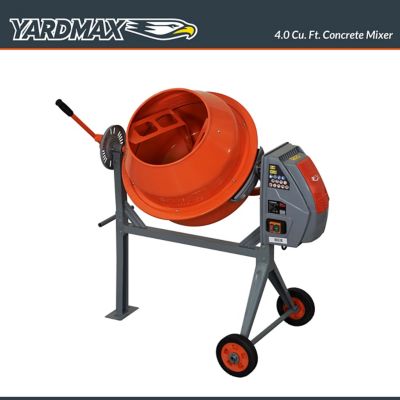
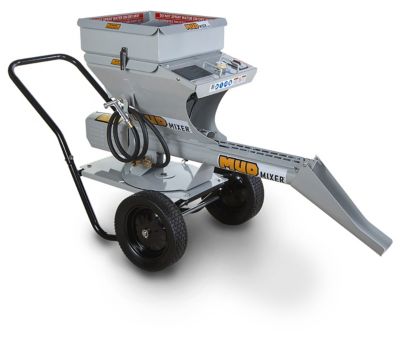
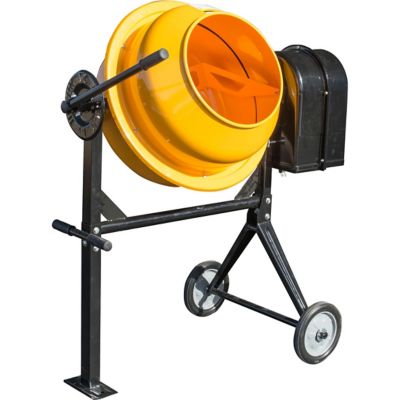
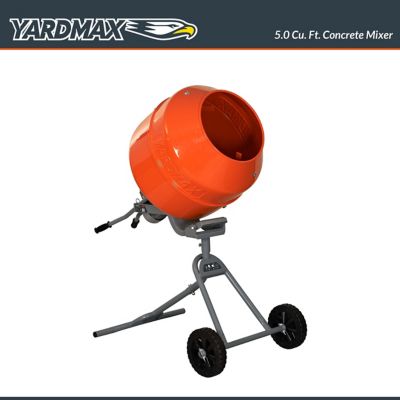
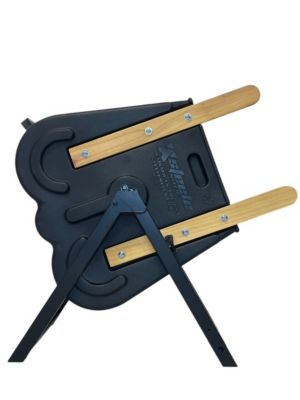
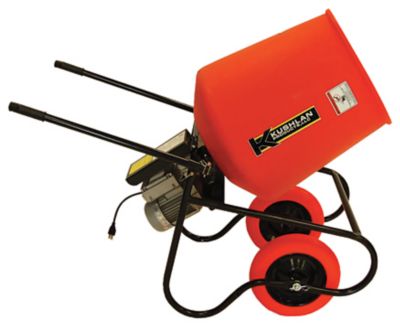
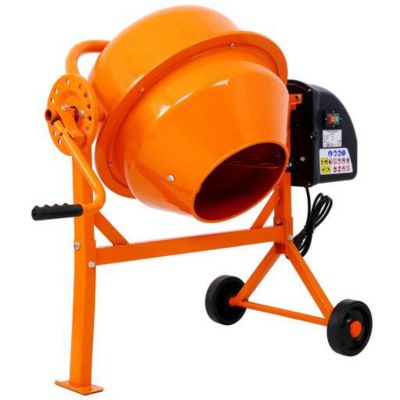
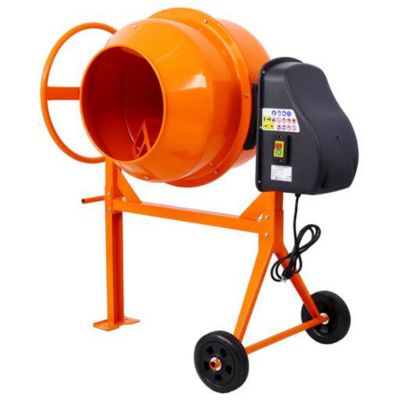
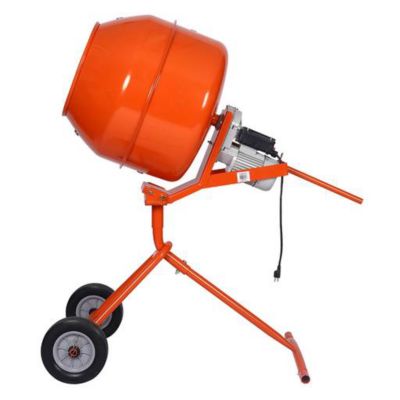
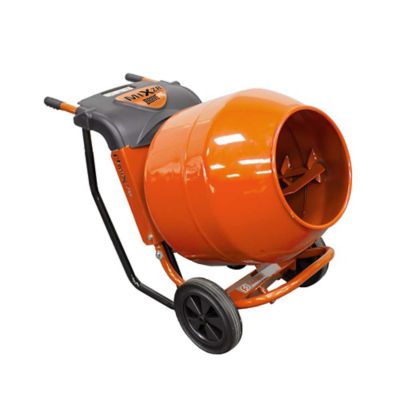
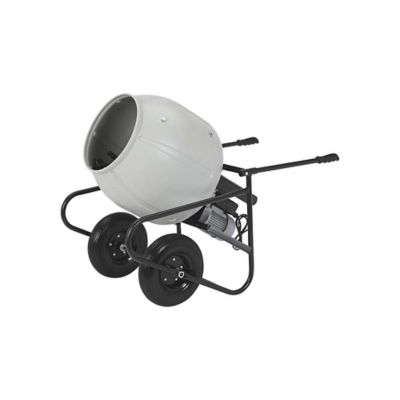
Larger pours call for a portable drum mixer or another powered cement mixer that can handle repeated batches with less strain on your back and shoulders. These mixers tumble the dry ingredients and water together in a rotating drum, making them useful for long runs of fence posts, shed floors, livestock areas, small slabs and other projects where one batch follows another. Check the drum capacity, motor power, electrical requirements and stand height before buying. A mixer that is too small can turn a full-day job into a steady cycle of partial batches, while an oversized unit may be awkward to move or store. Look for sturdy wheels, a balanced frame, accessible controls and a drum that can be emptied without twisting or lifting more than necessary. If a job involves a steady flow of material, a continuous-feed mixer may be worth considering, though it takes more planning and space than a basic batch mixer. For every setup, follow the mix manufacturer’s water instructions instead of adding water by guesswork. Extra water may make cement easier to spread at first, but it can weaken the finished surface and lead to cracking. Have the forms, reinforcement, tools and finishing supplies ready before water touches the dry mix. Once the material is blended, the clock is running, and a smooth workflow helps prevent cold joints, stiff edges and rushed finishing.
Choosing cement mixing tools also means thinking about the person using them and the conditions around the job. A homeowner handling a few repairs may value a compact bucket, paddle and hand tools that fit neatly on a garage shelf, while a fencing contractor, rancher or experienced DIYer may need a wheelbarrow and mixer that can travel over gravel, packed soil or uneven ground. During warmer weather, keep bags and mixed material out of direct sun when possible, since heat can shorten working time. During cooler months, protect dry mix from damp storage areas and plan around slower curing conditions. Work gloves, safety glasses, sturdy footwear and dust protection are important whenever dry cement-based material is being opened, poured or mixed. Avoid breathing the dust, keep hands and clothing away from rotating paddles and drums, and disconnect powered equipment before clearing a jam or cleaning around moving parts. Wash tools promptly with water before residue hardens, but keep cement washout away from drains, wells, ponds and natural waterways. Clean equipment lasts longer, and a quick rinse is far easier than chipping away a cured layer later. A dependable mixing setup can be a practical addition to a farm workshop, a thoughtful gift for someone who enjoys building and repair projects, or a smart investment for anyone who regularly works on fence lines, outbuildings and concrete repairs. When an old pad, broken step or unwanted footing needs to come out before new material goes in, browse
Concrete Removal Tools to help prepare the work area. With the right capacity, a contained mixing surface and tools suited to the batch size, cement mixing becomes more manageable from the first scoop through the final finish.