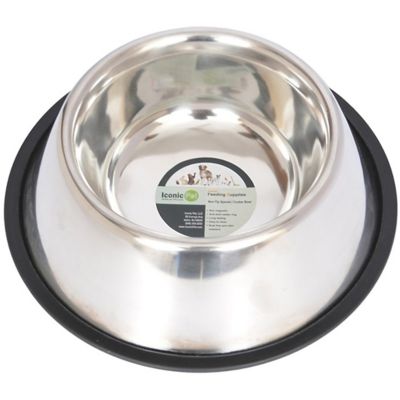
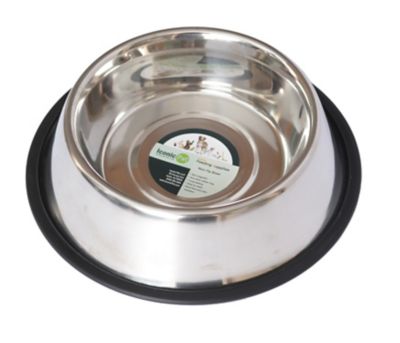
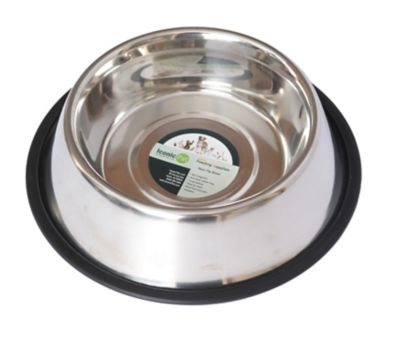
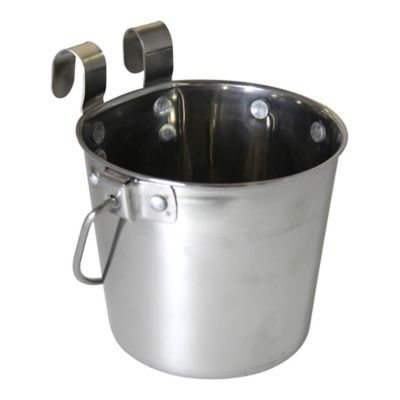
Metal dog food bowls give dogs a straightforward place to eat, whether supper follows a walk down the lane or a day of keeping an eye on the farm. Stainless steel is a common choice because it resists rust, has a nonporous surface, and cleans up easily after kibble, canned food, or a mix of both. A sound metal bowl can stand up to daily feeding without holding food odors the way some other materials can, though regular washing still matters. Metal is a broad category, so the material listed in the bowl’s description deserves attention. Stainless steel, aluminum, and coated metal do not have identical care needs, and a shiny finish alone does not identify the metal underneath. Food-contact surfaces should be intended for feeding animals, with smooth interiors and rounded rims that are comfortable around a dog’s mouth. Construction matters as much as appearance: a neatly finished edge, an even bottom, and a surface without rough seams make a difference during everyday meals. For a beagle crunching breakfast beside the kitchen door or a cattle dog settling in after chores, the right bowl keeps the feeding spot simple and easy to maintain. Separate dishes for food and water let each stay ready for its own job, and an extra feeding bowl makes rotation easier while another is being washed. Metal also fits a range of household routines, from measured dry meals to wet food that needs prompt cleanup. Its usefulness comes down to practical details rather than extra frills: enough room for the meal, a shape the dog can reach comfortably, and a base that suits the floor beneath it. A bowl that works well on a rubber feeding mat may behave differently on smooth tile, so the complete feeding setup matters just as much as the dish itself.
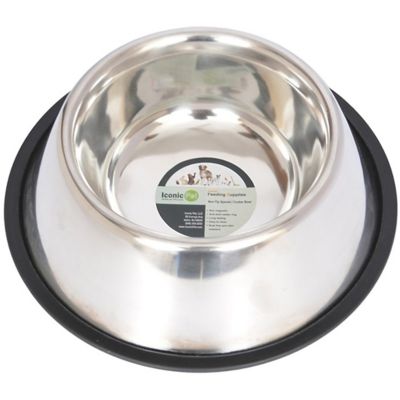
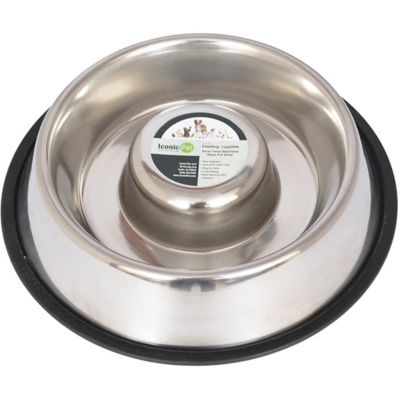
Fit starts with the dog’s meal and muzzle, not just the dog’s weight. A small terrier needs a dish that leaves food within easy reach, while a large dog needs enough room to eat without pushing every mouthful over the rim. Listed capacity helps compare sizes, but it may describe how much a bowl holds near the top rather than a comfortable serving level. Leaving some space above the food helps contain scattered kibble and gives a dog room to eat. Bowl capacity also does not set the feeding portion; meal amounts should follow the food’s directions and any advice from the dog’s veterinarian. Broad, shallow shapes can be easier for some short-muzzled dogs to reach, while narrower openings may help keep long ears away from the meal. Deep bowls can hold more, but depth is only helpful when the dog can reach the bottom comfortably. Base design deserves the same attention. An eager eater can send a light dish skittering across a kitchen floor, especially when licking up the last bit of gravy. A wider footprint, added weight, or a nonslip ring can help limit movement, although no base will stop every determined bowl pusher. For busy feeding spots,
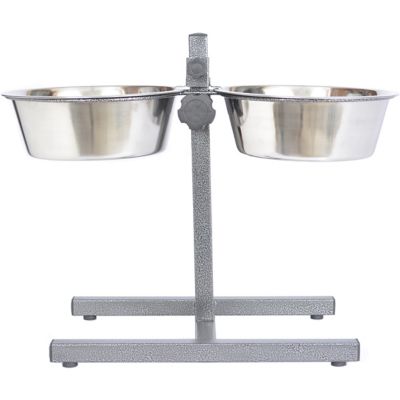
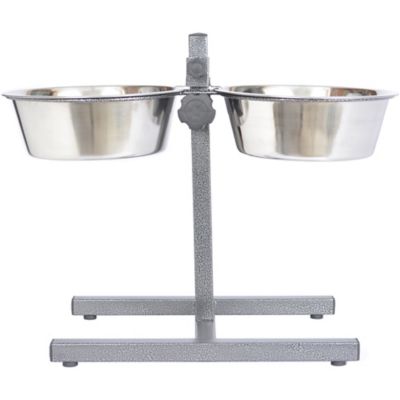
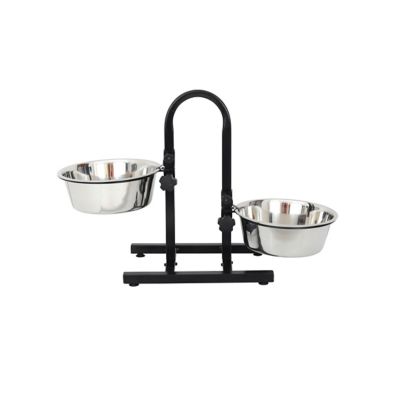
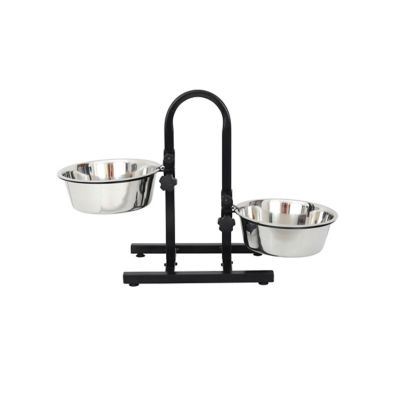
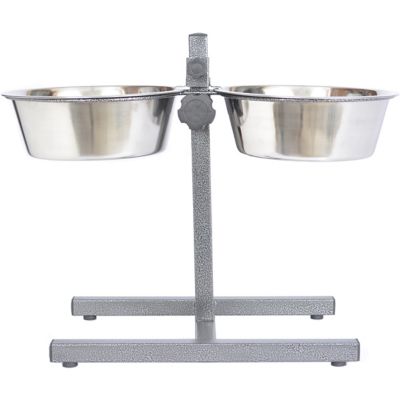
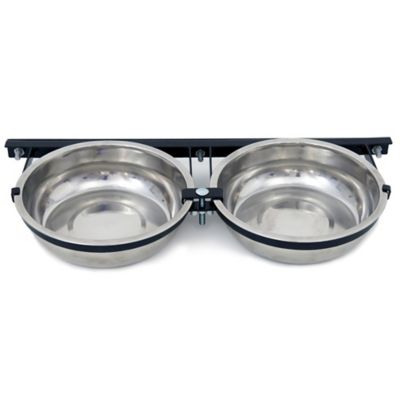
Heavy Duty Stainless Steel Dog Bowls are a category to consider when comparing heavier construction with everyday handling needs. Check the base dimensions as well as capacity, particularly when a bowl needs to fit an existing stand, crate holder, or feeding mat. Bowls that look similar from above may have different rim widths or bottom shapes. Raised feeding setups also need a secure fit so the dish cannot rock or slip through its support. For dogs with mobility or medical concerns, a veterinarian can help determine whether an elevated setup makes sense. In a home with several dogs, separate feeding spaces make it easier to watch portions and give each dog room to finish without another nose crowding the dish.
Care is what keeps a metal feeding bowl ready for the next meal. Wash food bowls after each feeding with soap and water, rinse thoroughly, and let them dry before putting them away. Water bowls need daily washing and fresh refills, even when the water still looks clear. Saliva and food residue can leave a slick film on the surface, including on stainless steel, so a quick rinse is not a substitute for washing. Dishwasher cleaning can simplify the routine when the manufacturer allows it, but rubber rings, painted finishes, and attached parts may call for different treatment. Removable nonslip bases should be cleaned underneath, where crumbs and moisture can collect out of sight. A soft sponge or cloth helps protect the finish; harsh abrasives and unsuitable cleaners can damage some surfaces. Check the care directions before choosing cleaning products, and avoid leaving salty food residue sitting in the bowl longer than necessary. Rust resistance does not mean stainless steel is immune to corrosion under every condition. Periodic checks around the rim, seams, and underside can catch sharp edges, loose parts, pitting, or a coating that has begun to peel. A damaged food-contact surface is a reason to replace the bowl rather than keep it in the feeding rotation. Around the house, a washable mat can catch the crumbs a hound leaves behind and keep splashes off the floor. Near a mudroom or kennel, a clean feeding area away from tools, chemicals, and foot traffic gives meals a sensible place in the daily routine. For trips away from home, nesting metal bowls can save space, provided they are clean and dry before packing. A pair of appropriately sized bowls can also make a practical gift for someone bringing home a puppy or adopting an adult dog, especially when the choice accounts for the dog’s size and feeding habits. From the first scoop of breakfast to the last rinse after supper, metal dog food bowls earn their place through comfortable fit, steady footing, and uncomplicated care.