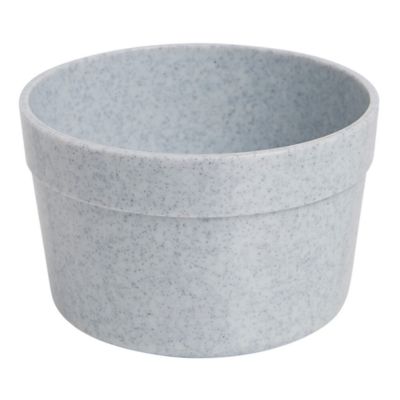
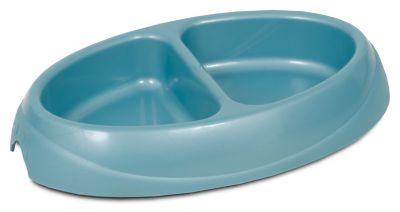
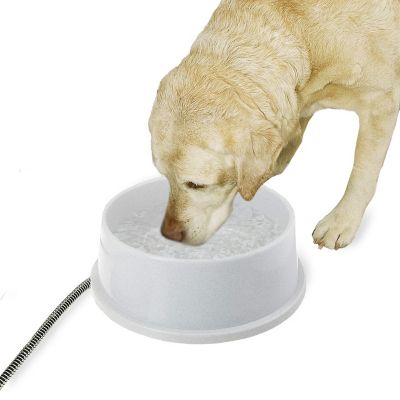
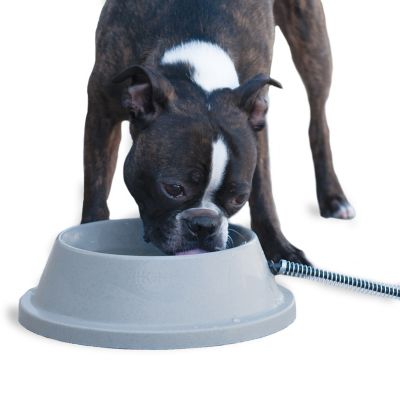
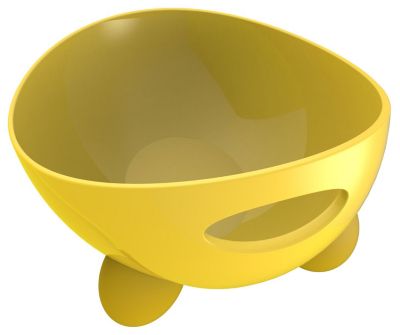
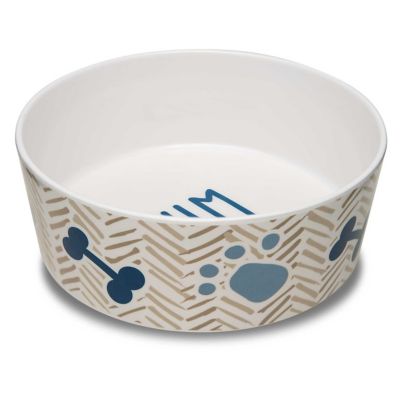
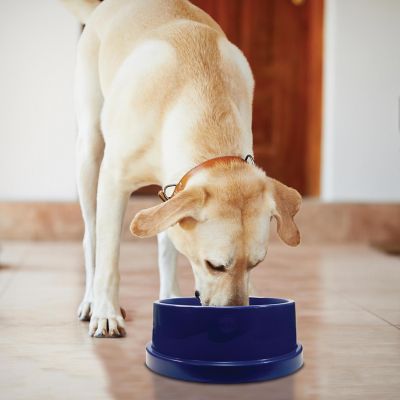
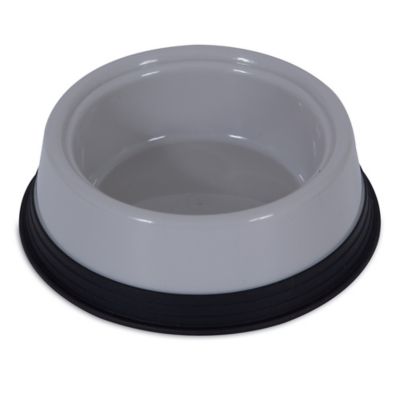
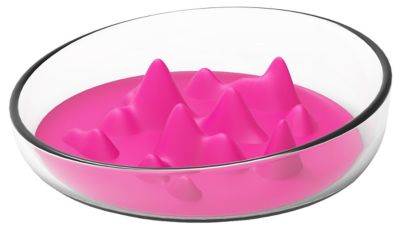
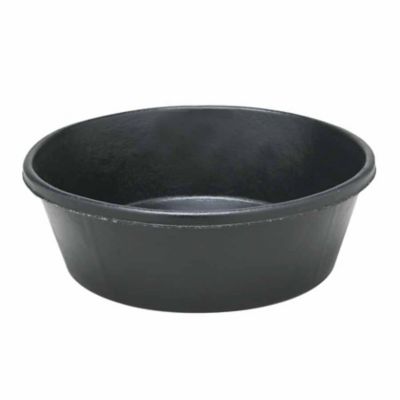
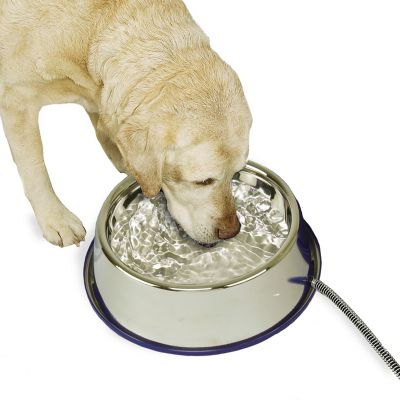
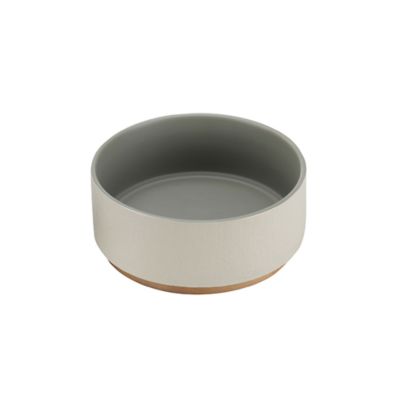
Plastic dog bowls offer a lightweight option for everyday feeding and watering, with shapes that suit everything from a puppy’s small meals to a grown dog’s bigger drink. Compared with ceramic, plastic is less likely to shatter when knocked off a low shelf or dropped during cleanup. The trade-off is that plastic can develop scratches and tooth marks, creating spots where food residue and bacteria can collect. Smooth surfaces, regular washing, and replacement when damage appears all matter. For a dog eating beside the kitchen door or drinking after a walk around the property, the right bowl starts with a comfortable fit. Capacity should leave room above the meal rather than put kibble right at the rim, where a bump from an eager nose can scatter it across the floor. Water bowls need enough room for a good drink without becoming awkward to lift, empty, and wash. A wide opening can give a broad muzzle more space, while a shallow profile may be easier for a small puppy or a dog that struggles to reach into a deep dish. Narrower openings can help keep long ears away from food, though the dog still needs room to eat comfortably. A broad base and nonslip bottom can help limit sliding on a smooth kitchen or mudroom floor. Bowl weight alone does not determine stability; the shape of the base and how well it grips the feeding surface also count. Plastic slow feeder bowls add raised ridges or channels that make a dog work around obstacles to reach the food. Those designs may help slow a fast eater, but the spaces need to suit the dog’s muzzle and the size of the kibble. A simple open bowl remains a practical choice for dogs that already eat at a steady pace. Neither shape replaces measuring the meal according to the dog’s feeding plan, and a bowl’s stated capacity is not a serving recommendation.
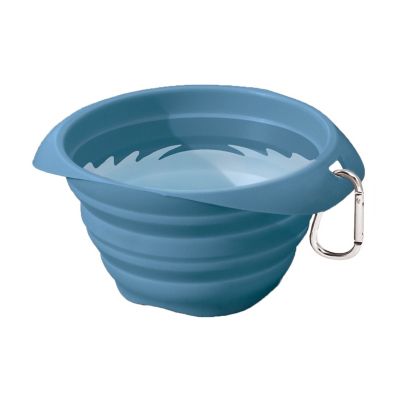
The material and finish of plastic dog bowls affect how they hold up through repeated meals, washing, and the occasional trip across the floor. Plastic intended for contact with pet food and drinking water, along with clear care directions, gives shoppers useful information beyond color or shape. BPA-free labeling describes one material characteristic; it does not mean a bowl resists chewing or can go through every dishwasher cycle. A thicker wall may feel firmer in the hand, while a lighter, more flexible bowl may be easier to tuck into a travel bag. Either way, the inside should feel smooth, with no rough rim or damaged edge that could bother a dog’s mouth. For everyday care, washing with dish soap and water removes food oils and the slippery film that can build up inside a water bowl. A thorough rinse helps keep soap residue out of the next meal, and drying makes it easier to spot remaining grime. Dishwasher cleaning is appropriate only when the bowl’s care instructions allow it, including any rack placement restrictions. Ridges, molded corners, and removable nonslip rings deserve attention because residue can hide where a quick rinse does not reach. A soft brush can get into slow feeder channels without the scraping that abrasive tools may leave behind. Deep scratches, cracks, peeling surfaces, or missing pieces are reasons to replace a bowl rather than keep scrubbing it. Dogs that chew their dishes need close supervision, since broken plastic can create sharp edges or become a swallowing hazard. Persistent redness or irritation around a dog’s chin calls for a conversation with a veterinarian, not an assumption that changing bowls will solve it. A spare bowl can make the routine easier by keeping a clean dish ready while another is being washed. Water dishes also need fresh water and regular cleaning, even when they look clear at a glance.
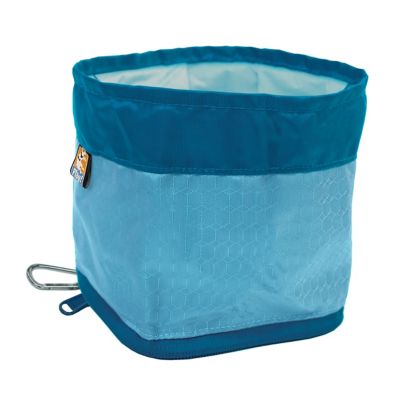
Around a busy home, plastic dog bowls fit into routines that reach well beyond the main feeding spot. Their light weight makes them easy to carry between the kitchen and a supervised area near the porch, or pack for a road trip with food, a leash, and cleanup supplies. A travel bowl still needs to sit level when the dog drinks; setting it on an uneven patch of ground or a truck floor can send water sloshing over the edge. When a vehicle is moving, a loose bowl can spill or slide, so planned stops give a dog a steadier place to drink. At home, a washable mat beneath the bowls can catch stray kibble and small splashes, especially around dogs that lift their heads with a mouthful of water. Keeping the feeding area away from tools, cleaners, livestock feed, and foot traffic helps protect the contents and gives the dog a quieter place to settle. In a home with more than one dog, separate bowls and enough space between feeding spots can make meals easier to manage. Different colors can help people keep track of portions, but each dog’s needs still determine the amount of food and the bowl size. A puppy’s dish may need to change as its muzzle, appetite, and reach grow, while an older dog may benefit from a shape that is easier to approach without stretching or stepping around a wide rim. For someone welcoming a dog home, feeding supplies can also make a thoughtful, practical gift when the recipient’s needs are known. A
plastic dog bed serves the resting side of that setup, while bowls belong in a separate, easy-to-clean spot where splashes will not soak bedding. The best-fitting plastic dog bowls make the daily routine straightforward: enough room for the meal, steady footing for drinking, comfortable access, and surfaces that are easy to inspect and wash. Those details matter more over repeated breakfasts and water refills than a color that simply matches the room.