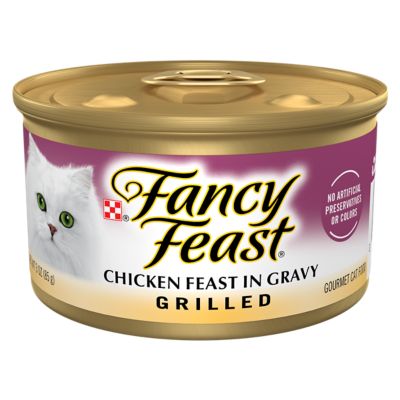
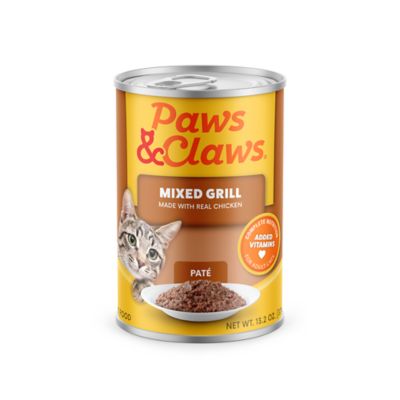
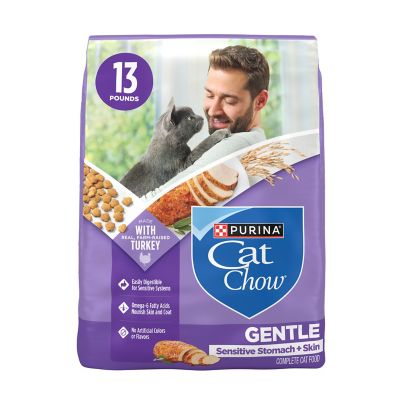
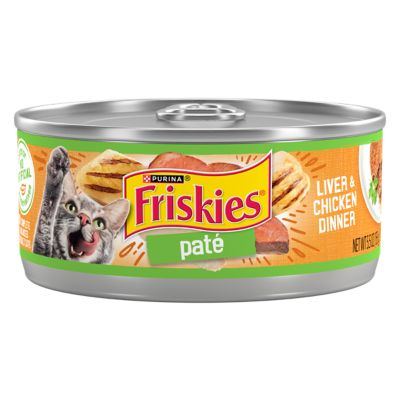
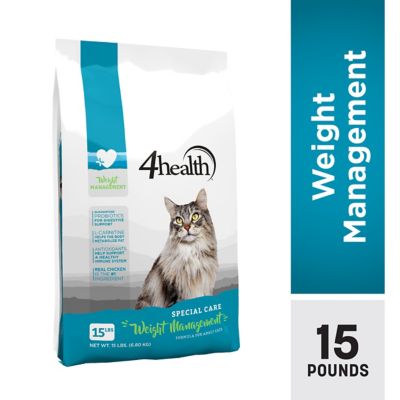
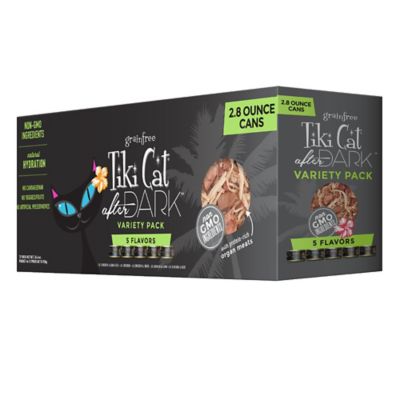
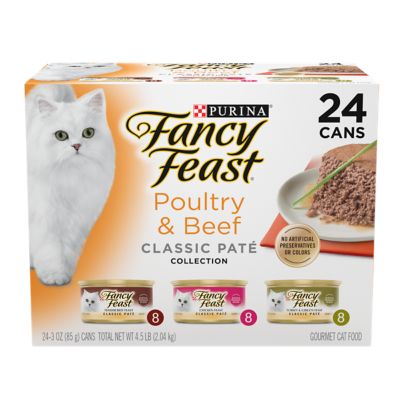
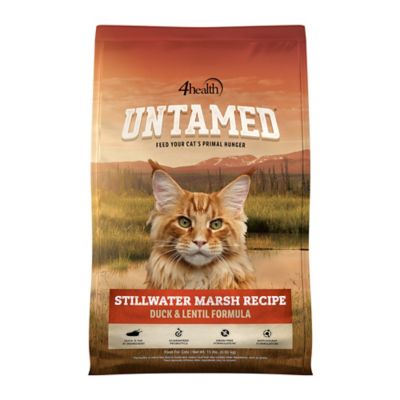
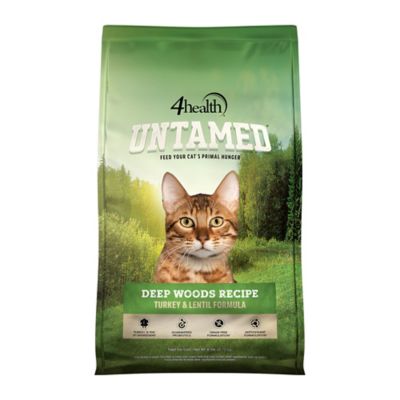
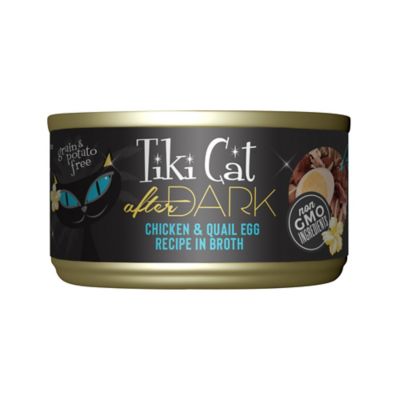
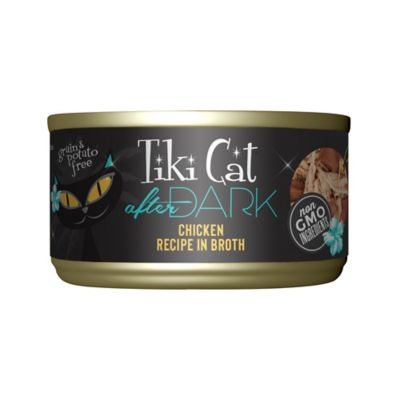
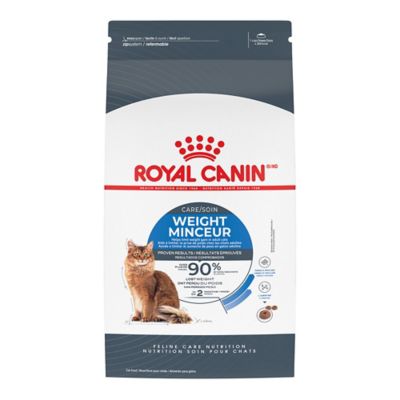
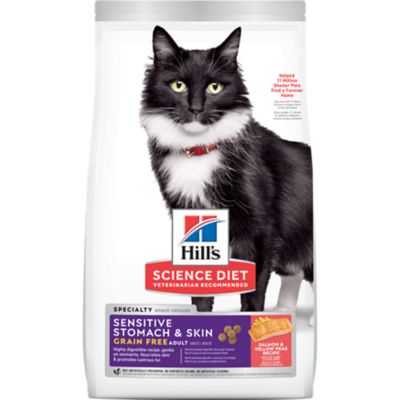
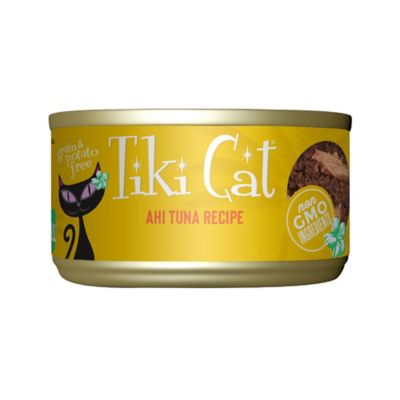
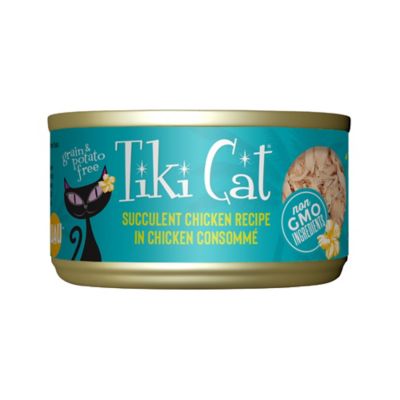
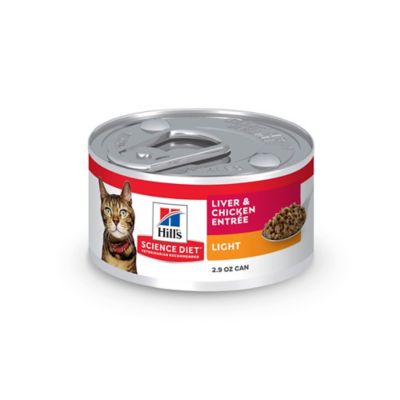
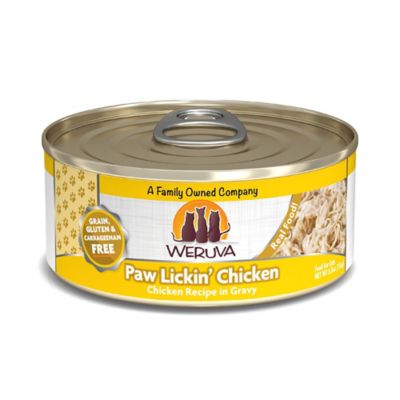
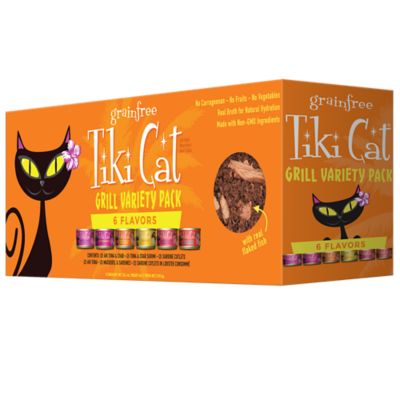
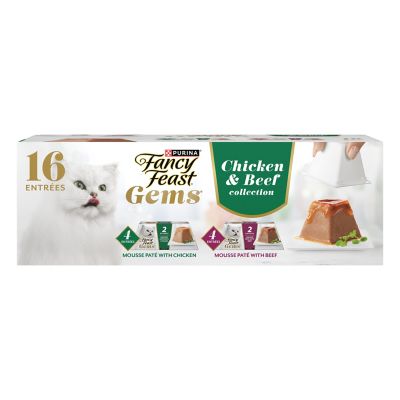
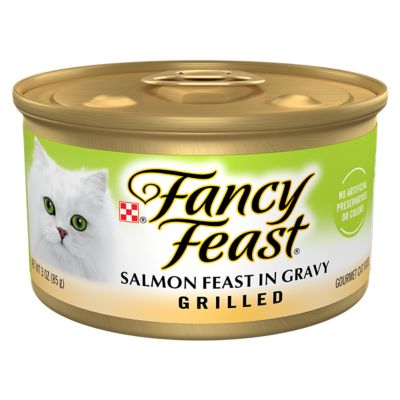
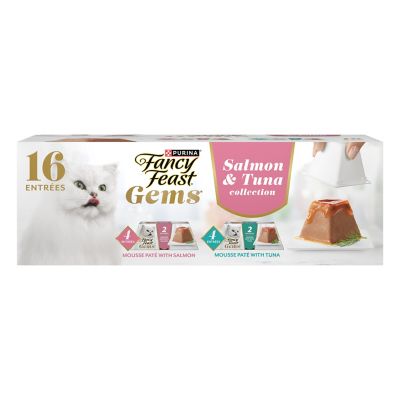
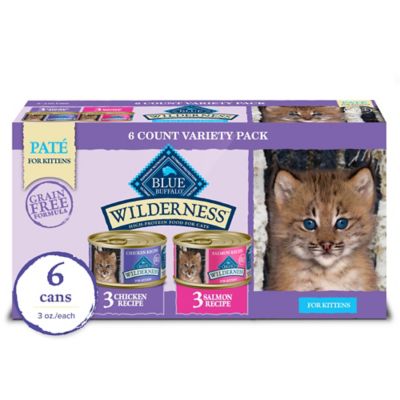
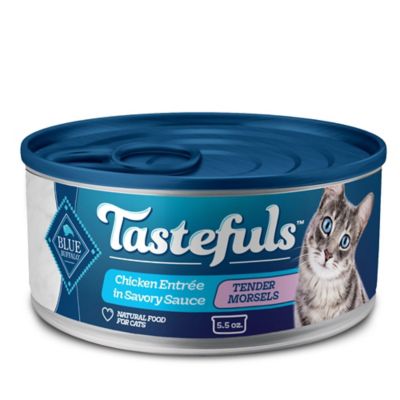
Low carb cat food is often chosen for cats whose owners want to provide a diet that is closer to the meat-forward eating pattern cats evolved to handle. Cats are obligate carnivores, which means animal-based protein is a central part of their nutritional needs, while carbohydrates are not required in the same way they are for people or many other animals. A lower-carb recipe may be worth discussing with your veterinarian if your cat has diabetes, needs help managing weight, has certain digestive sensitivities, or does better on a food with a higher proportion of meat or fish. It can also be a practical choice for households caring for an older cat that has become less active during the cooler months. Still, “low carb” is not a complete description of a balanced diet. Look for food labeled complete and balanced for your cat’s life stage, and consider protein, fat, calories, moisture, vitamins and minerals along with carbohydrate content. Many packages do not list carbohydrates directly. If a guaranteed analysis provides protein, fat, fiber, moisture and ash, your veterinarian or a pet nutrition professional can help estimate carbohydrates, or you can contact the manufacturer for more detailed information. For comparisons, carbohydrate content is commonly discussed on a dry matter basis, which removes the water from the calculation and makes wet and dry foods easier to compare. As a general benchmark, foods with less than 10% of calories from carbohydrates are often described as low carb, but the right target depends on your cat’s health and your veterinarian’s plan. A can or pouch with plenty of moisture can be especially useful for cats that do not drink much from a bowl, while a dry formula may be easier for some families to portion, store and serve. Texture matters, too: smooth pâté, minced recipes, shreds and morsels can all have different ingredient profiles and may appeal to different cats. The best choice is one your cat will eat consistently and that fits a safe, balanced feeding routine.
When comparing low carb cat food, start with the ingredient panel and feeding directions rather than relying only on words such as natural, premium or grain free. Named animal proteins, such as chicken, turkey, beef, fish or other specific meats, are commonly featured near the beginning of recipes made for a meat-focused diet. Grain-free does not automatically mean low carb, since recipes may use potatoes, sweet potatoes, peas, tapioca or other plant ingredients in place of corn, wheat or rice. Those ingredients can contribute meaningful carbohydrates, and dry kibble generally needs a starch or another binding ingredient to hold its shape. Wet foods, especially simple pâté-style recipes, often make it easier to find a lower-carbohydrate option, though every formula should still be checked on its own. Sauces, gravies and stews may contain thickeners such as cornstarch or wheat gluten, so read the full ingredient list instead of assuming a recipe is low carb because it contains meat. Freeze-dried food can offer a concentrated, meat-forward option, but it should be served according to package directions; some products are complete meals, while others are intended only as toppers or treats. If you feed a dry recipe, measure portions with care because calorie-dense kibble can add up quickly in a cat that spends more time napping indoors. A kitchen scale can be handy, especially when a veterinarian has recommended gradual weight loss. For wet food, cover unused portions and refrigerate them promptly, then allow chilled food to warm slightly or add a little warm water if your cat prefers food closer to room temperature. During the cooler season, these small serving habits can make mealtime more inviting without changing the nutritional plan. A low carb recipe can also be a thoughtful, practical gift for a friend adopting a cat, caring for a diabetic pet or setting up a feeding station for a barn cat, provided you know the animal’s dietary needs and the owner is comfortable with the choice. For broader feeding ideas, explore
Healthy Cat Food and compare options by life stage, ingredients, texture and calorie content.
Any change in diet should be made gradually, usually over several days, by mixing increasing amounts of the new food with the old food. Cats can be particular about smell and texture, and a sudden switch may lead to refusal, vomiting or loose stool. Offer small portions, keep fresh water available and watch your cat’s appetite, energy, stool and body condition as the new food is introduced. If your cat is being treated for diabetes, do not change to a much lower-carbohydrate food without speaking with the veterinarian first. A sudden reduction in carbohydrates can change blood glucose levels and may affect the amount of insulin needed, so close monitoring is important. The same care applies to cats with kidney disease, liver disease, urinary concerns, pancreatitis or other conditions that require a specific nutritional approach. It helps to keep a simple feeding record with the food name, portion size, treats and any changes you notice; that information can make a veterinary visit more useful. Treats count toward the daily diet, and many crunchy snacks contain grains or starches that can work against a carefully selected low-carb meal plan. Small portions of a compatible, veterinarian-approved treat may be a better fit. Whether your cat spends the day perched on a windowsill, curled beside the woodstove or prowling around a chilly outbuilding, consistent portions and a complete, balanced recipe matter more than marketing claims on the front of the package. Use the product list to compare low carb cat food choices, then match the recipe to your cat’s age, activity level, preferences and health needs for a feeding routine that works in your own home.