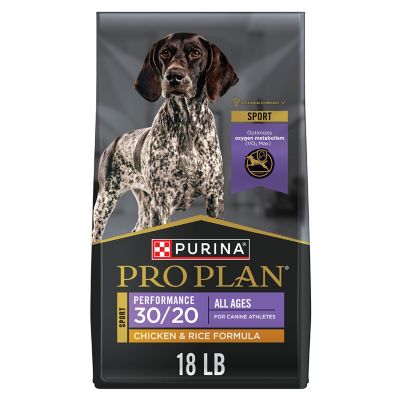
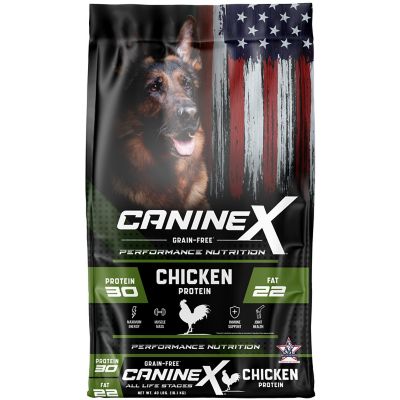
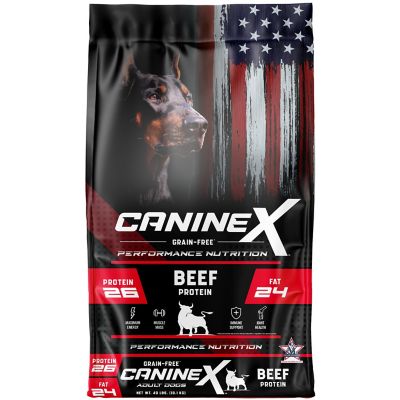
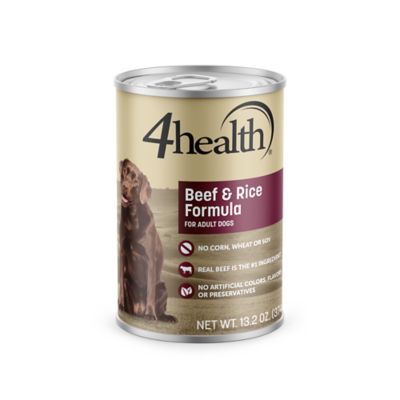
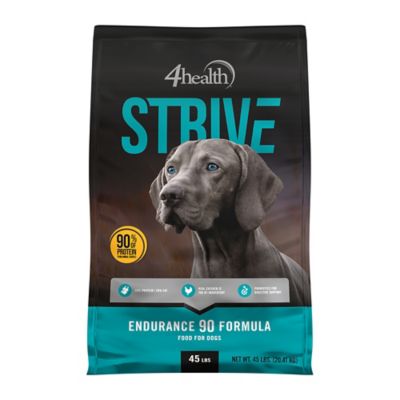
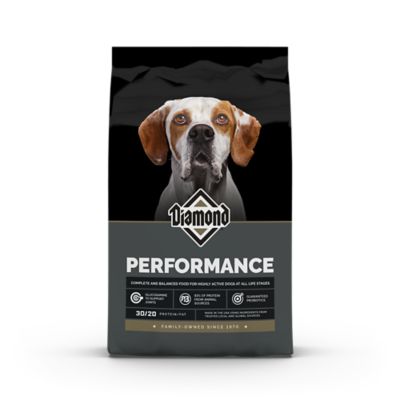
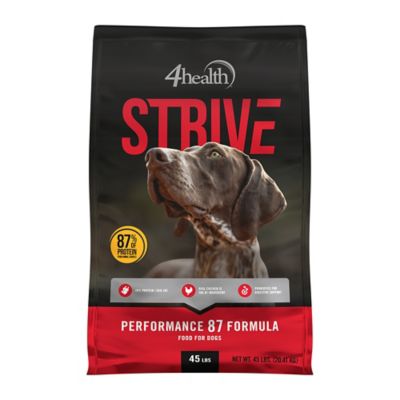
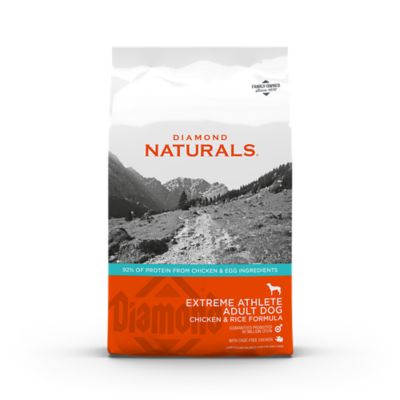
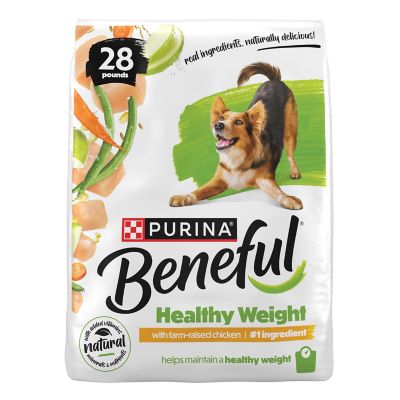
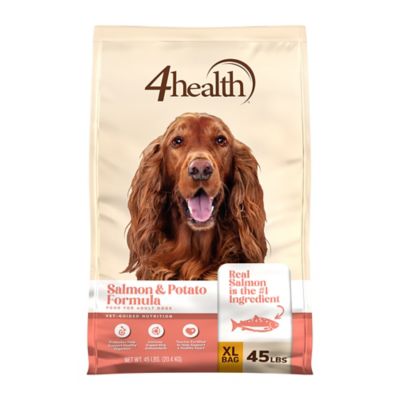
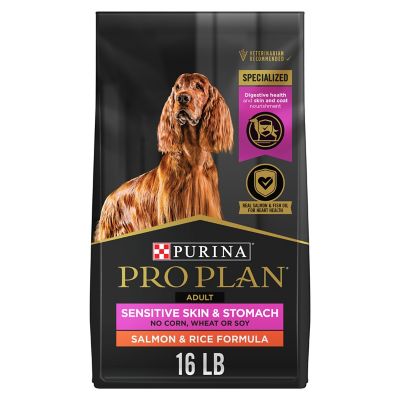
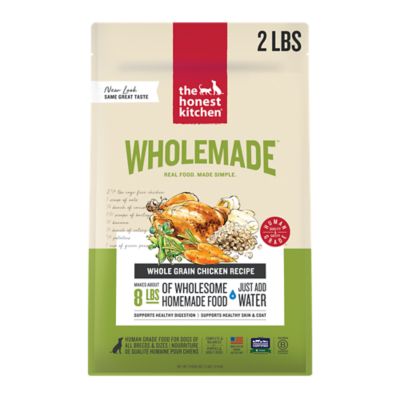
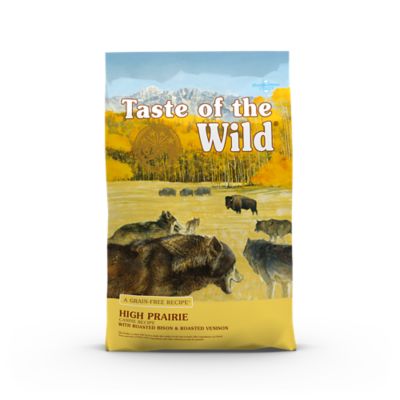
High fat dog food is made for dogs that burn a lot of fuel or need more calories in each bowl. Compared with everyday maintenance formulas, these recipes commonly provide about 20% to 25% fat or more on a dry-matter basis, though the guaranteed analysis and calorie count can vary from one bag to the next. That extra energy can be useful for hunting dogs covering rough ground, farm dogs working around livestock, sled and agility dogs, or active companions that spend long days running, training and playing. A dense food may also help an underweight dog gain condition when a veterinarian has ruled out an illness and recommends more calories. Look for the calorie content listed on the package, since two foods with similar fat percentages may provide different calories per cup. Protein matters, too, because hardworking dogs need nutrients to help support muscle, but the best choice depends on the whole recipe rather than one number on the label. A dog that trots beside an ATV, retrieves bumpers from the pond or helps move stock may need considerably more energy than a couch-loving companion of the same size. During the warmer part of the year, some dogs stay busy outdoors for hours, while cooler weather can bring longer hikes, field work and training sessions. In both cases, a high fat formula may be a practical way to pack more nutrition into meals without simply adding a much larger volume of food. Measure portions carefully, keep fresh water available and watch your dog’s body condition, energy and stool quality. Ribs should be easy to feel without being sharply visible, and weight changes are best made gradually. For owners comparing calorie-dense recipes with other performance-focused options,
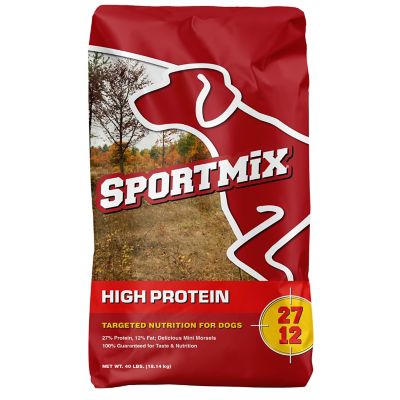
High Protein Dog Food can offer another place to browse.
Choosing a high fat dog food starts with your dog’s age, workload, body condition and health history. Active adult dogs may do well with a richer recipe when they are burning calories through regular work or exercise, while puppies need a food specifically made for growth and appropriate for their expected adult size. Check the nutritional adequacy statement on the package to make sure the food meets the needs of your dog’s life stage; extra fat alone does not make a food complete and balanced. A young pup racing around the yard may seem to have endless energy, but growing bones and organs have precise nutritional needs, so puppy formulas should be selected with care. Likewise, a senior dog that has started losing weight may need a veterinary exam before a higher calorie food is offered. Weight loss, a dull coat, vomiting, diarrhea, changes in appetite or unusual tiredness can point to an underlying problem rather than a simple need for richer kibble. High fat diets are not a good fit for every dog. Dogs that are sedentary, overweight or prone to digestive trouble may gain excess weight, and some dogs are at increased risk for pancreatitis, a painful inflammation of the pancreas that can require urgent veterinary care. Dogs with a history of pancreatitis, a sensitive stomach, diabetes or other medical concerns should be fed according to veterinary advice. A veterinarian can help determine a safe calorie target and whether a performance food is appropriate. When changing foods, mix a small amount of the new recipe with the old food and increase it slowly over about 7 to 10 days. Rushing the switch can lead to loose stools, gas or a dog who turns up his nose at the bowl. Keep an eye on what goes into the dish, including treats, table scraps and supplements, since those extras can quickly push daily fat and calorie intake higher than planned.
For dogs that truly need concentrated fuel, feeding directions are a starting point rather than a fixed rule. Begin with the package recommendation for your dog’s weight, then adjust with guidance from a veterinarian based on work level and body condition. A dog in hard training may need more food on demanding days and a little less during rest periods, while a dog that spends a few quiet weeks indoors should not automatically receive the same generous portions used during peak activity. Splitting the daily amount into two or more meals can be easier on some dogs and may help working owners plan feeding around exercise. Avoid feeding a large, rich meal immediately before strenuous running, field work or other intense activity; rest and proper meal timing are important for comfort and safety. Store dry food in its original bag inside an airtight container in a cool, dry place, and use a clean scoop so oils do not build up in the bin. A farm dog that comes in after a long day may be ready to empty the bowl, but steady weight gain, firm stools and a bright, willing attitude tell you more than appetite alone. Keep fresh water close by, especially during warm weather or heavy work, and have a plan for meals when travel, training or cooler-season chores change the usual routine. High fat dog food can be a useful choice for working, performance and underweight dogs when it matches their nutritional needs, but richer is not automatically better. Compare fat percentage, protein, calories per cup, life-stage information and feeding directions, then choose a formula that supports the way your dog actually lives.