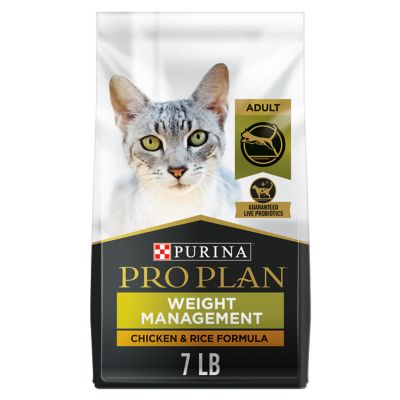
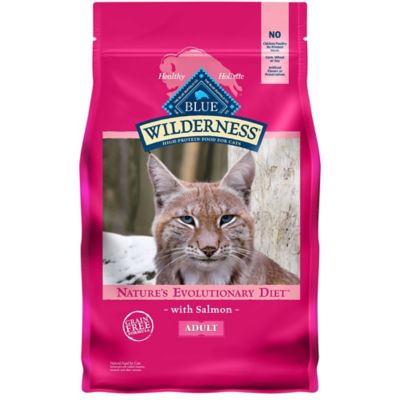
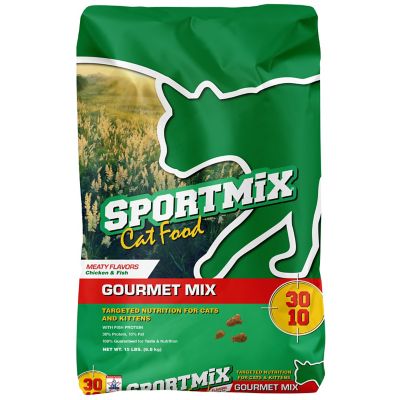
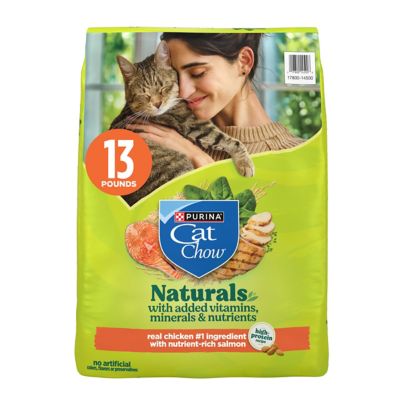
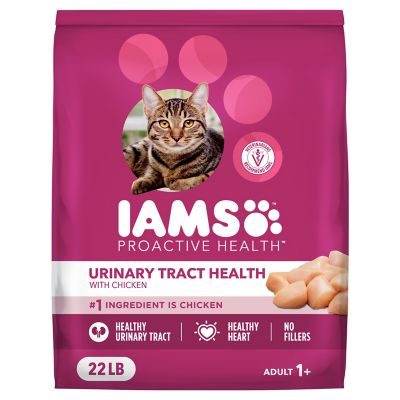
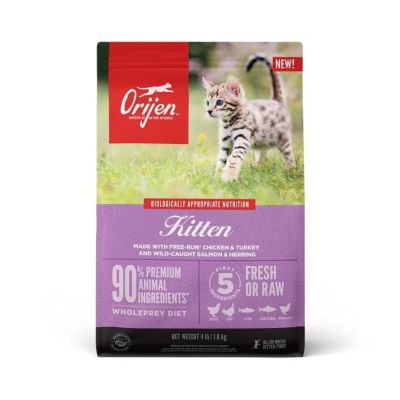
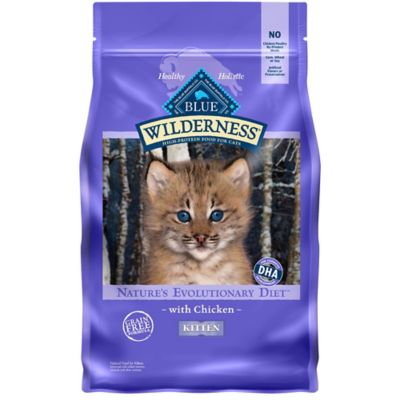
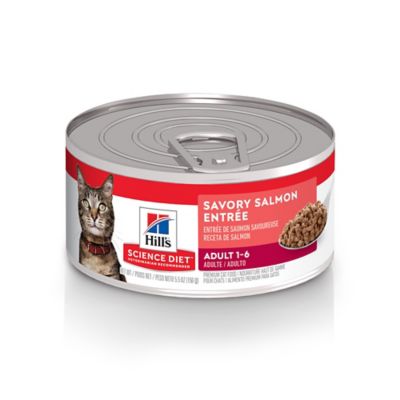
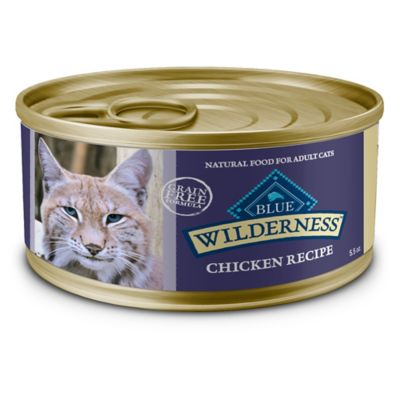
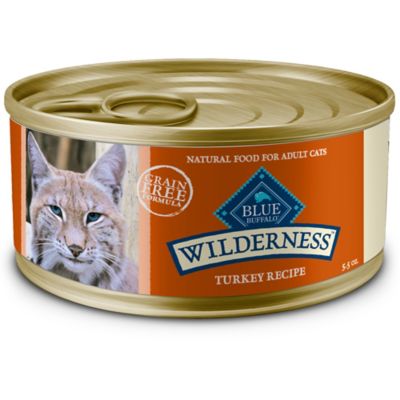
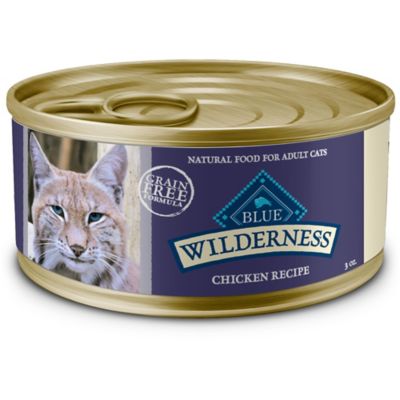
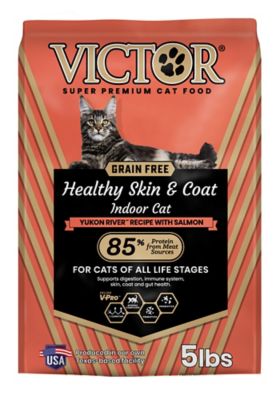
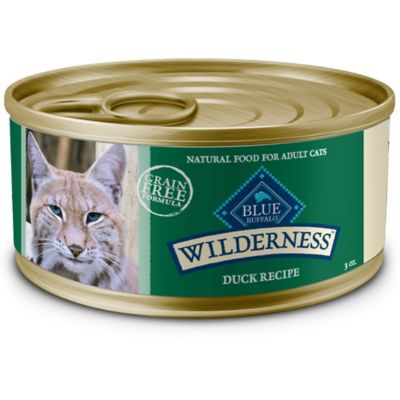
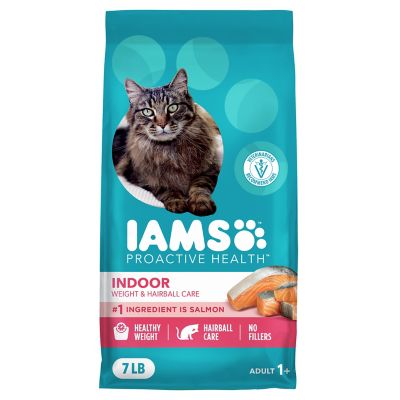
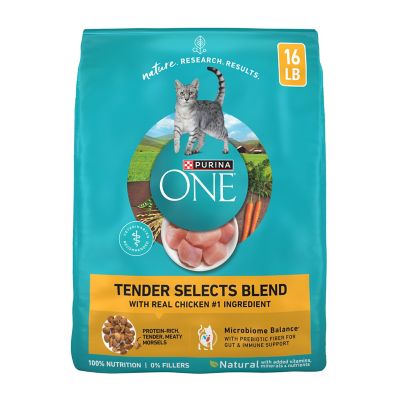
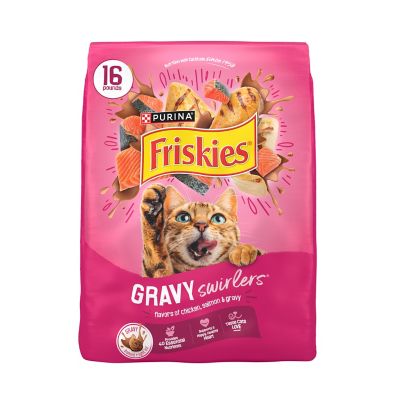
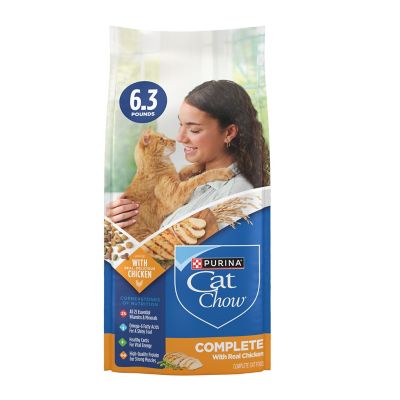
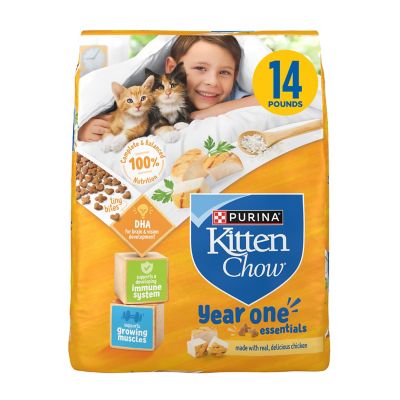
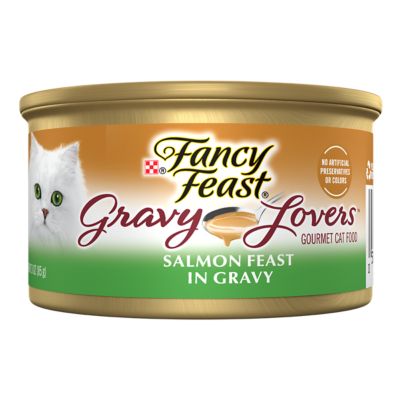
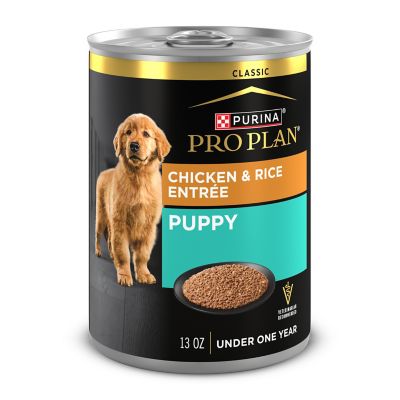
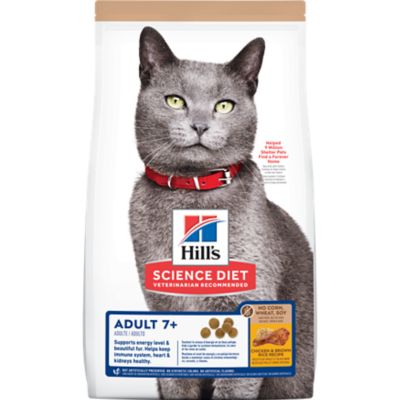
High protein cat food is made for the way cats are built. Cats are obligate carnivores, meaning they depend on nutrients found in animal-based foods to support everyday health. Protein helps maintain lean muscle, strong movement and a healthy immune system, and it supplies essential amino acids such as taurine that cats cannot make in adequate amounts on their own. This can matter for kittens growing into sturdy young cats, adult cats that spend time climbing, chasing and exploring, and older cats that need help holding on to muscle as they age. Indoor cats benefit from balanced nutrition, too—even a quiet house cat uses protein for normal body function every day. When browsing high protein cat food, look for a complete and balanced recipe made for your cat’s life stage, with clearly named animal ingredients such as chicken, turkey, beef, fish or organ meats near the top of the ingredient list. Ingredients like liver and heart can provide valuable nutrients, while a mix of animal proteins may add variety to the bowl. A high protein recipe should not simply depend on concentrated plant proteins to make the guaranteed analysis look impressive. Peas, potatoes and grains can have a place in some diets, but animal tissue should provide the key protein and amino acids cats need. Taurine is especially important for normal heart and eye health, so check that it is included in the nutritional profile. These choices can fit many households, from a barn cat settling into a new routine to a pampered lap cat that keeps a favorite window perch warm. They also make a practical gift for someone welcoming a new kitten, adopting an adult cat or putting together a donation for a local animal shelter or rescue. For homes with both cats and dogs, you can also explore
High Protein Puppy Food for the youngest canine members of the family.
High protein cat food comes in wet, dry and other textures, and each format brings something useful to the feeding routine. Wet food generally supplies much more moisture, which can be handy for cats that are not big water drinkers or that prefer a soft, savory meal. Dry food is easy to measure, store and serve, making it a convenient choice for busy mornings, multi-cat homes and supervised grazing. Some households use a combination of both, pairing a crunchy meal with a spoonful of moist food for extra variety. Read the guaranteed analysis with the food’s moisture content in mind: wet recipes can show a lower protein percentage on the label simply because water makes up much of the food. To compare wet and dry recipes more fairly, use the dry matter basis by subtracting the moisture percentage from 100, then dividing the listed protein percentage by the remaining dry matter percentage. For example, a food listing 10% protein and 78% moisture has about 45% protein on a dry matter basis. The number is helpful, but it is only one part of the decision. Check feeding directions, calorie content, ingredient quality and the AAFCO nutritional statement for the appropriate life stage. Adult maintenance food is not the same as a growth recipe for kittens, and a very active outdoor cat may need a different calorie amount than a sleepy indoor companion. Introduce any new food gradually over several days by mixing it with the old food, and keep fresh, clean water available at all times. During the warmer part of the year, store opened food out of direct sun and refrigerate unused wet portions; during cooler months, a room-temperature serving may be more appealing than food straight from the refrigerator. Watch your cat’s body condition, appetite, stool and energy as the new diet becomes part of the routine. Cats with chronic kidney disease or other medical conditions may need a veterinarian-recommended diet with carefully managed protein, phosphorus or calories, so check with your veterinarian before making a major change. A high protein cat food can be a solid fit for many healthy cats, but the best choice is one that matches the cat’s age, activity, preferences and overall needs.