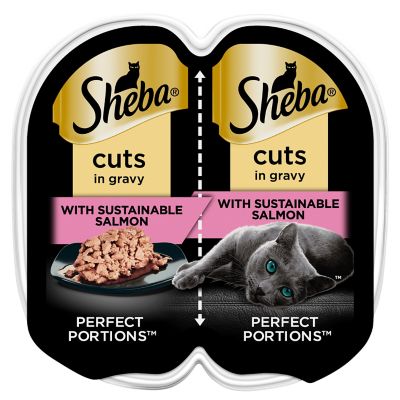
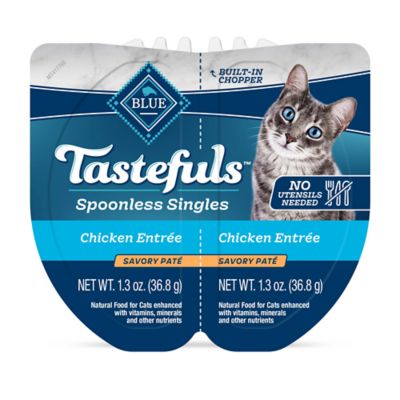
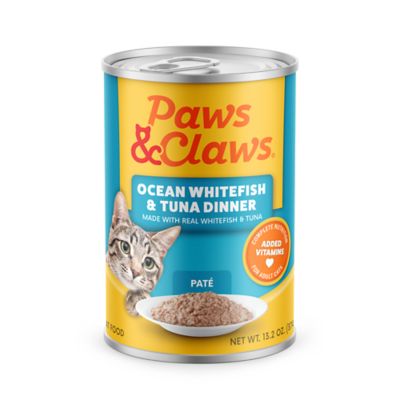
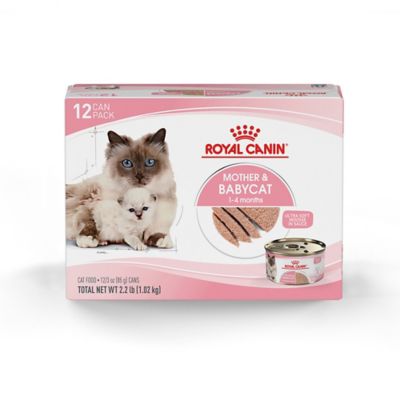
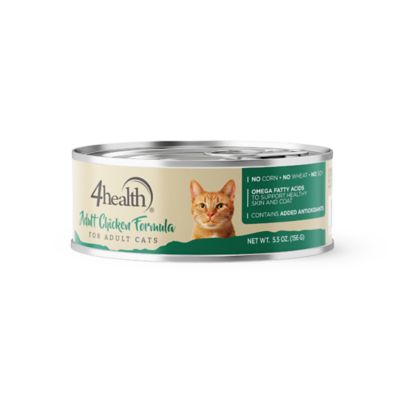
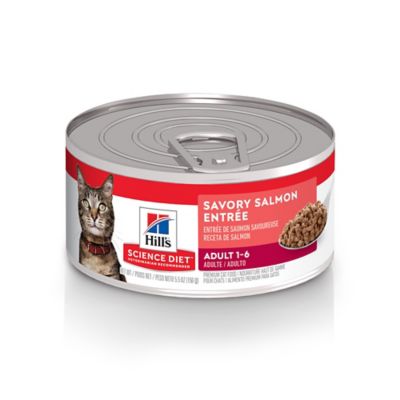
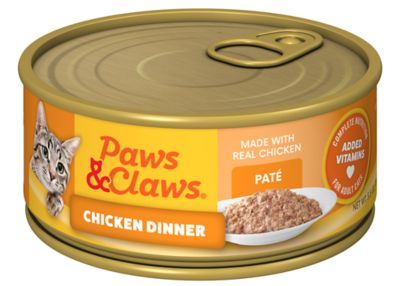
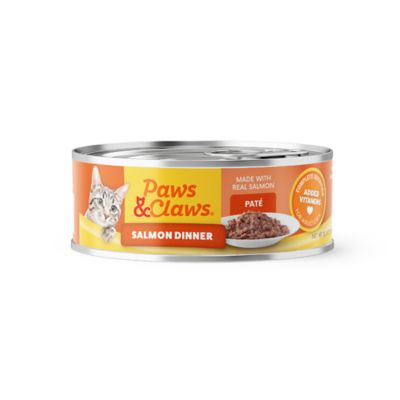
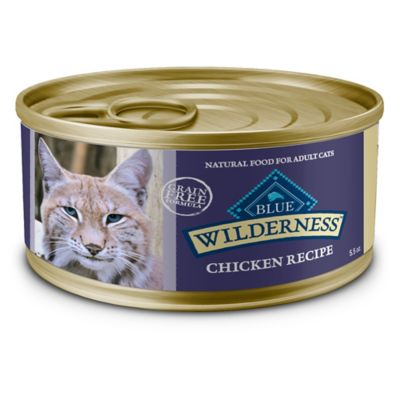
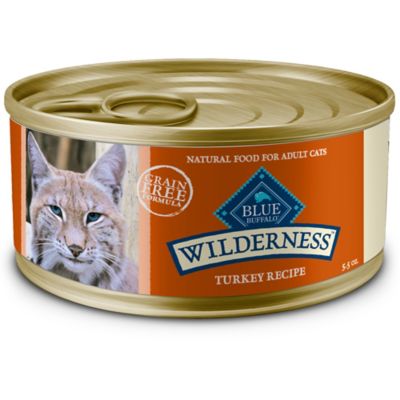
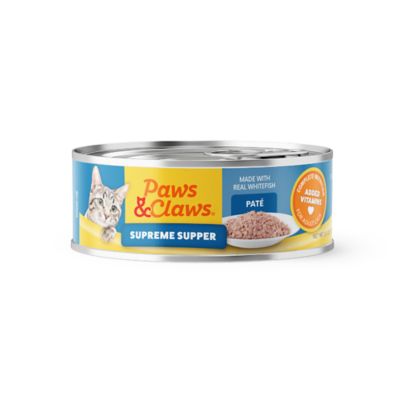
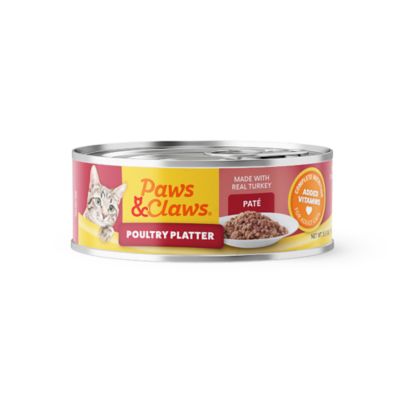
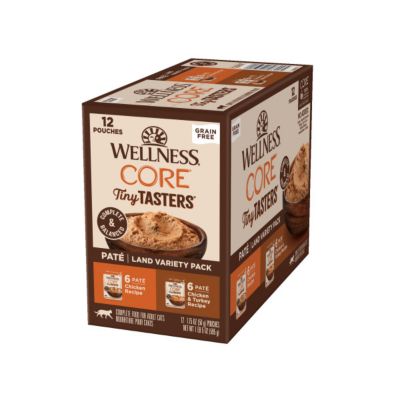
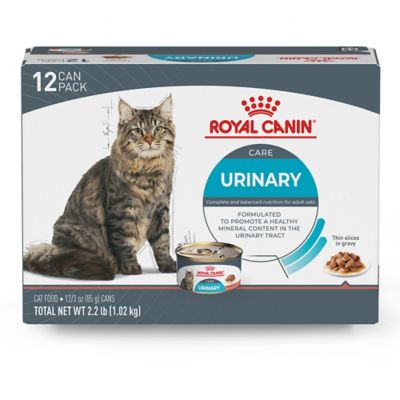
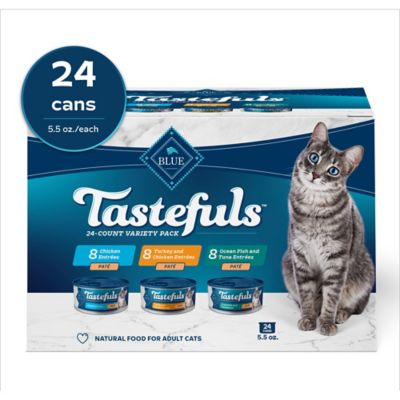
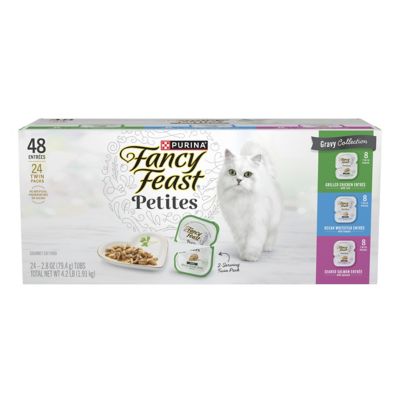
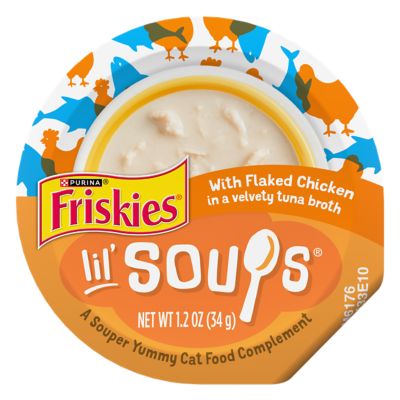
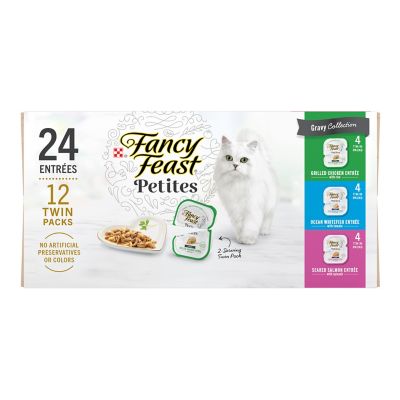
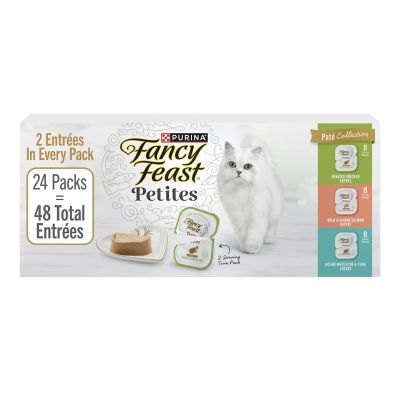
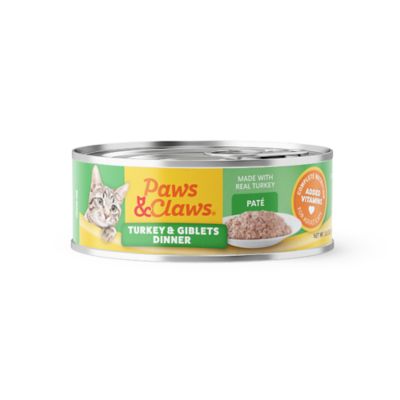
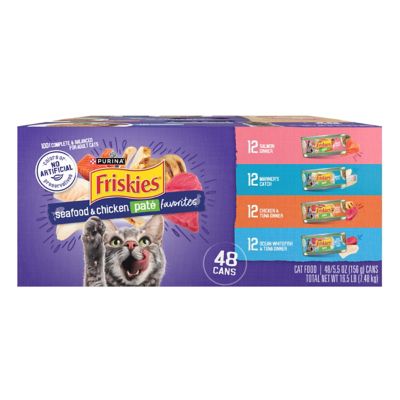
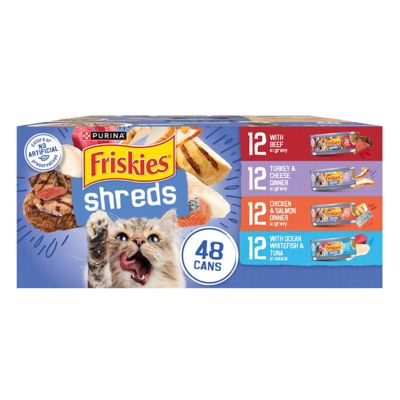
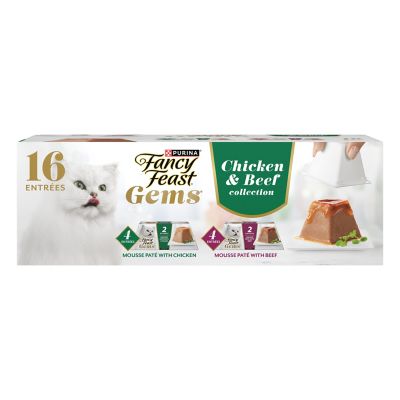
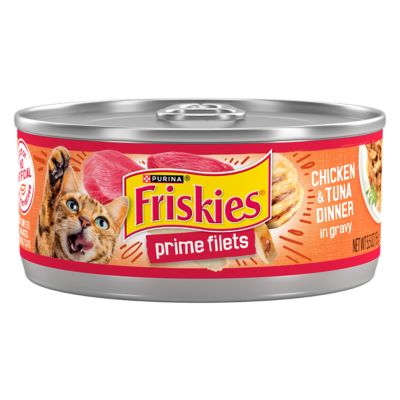
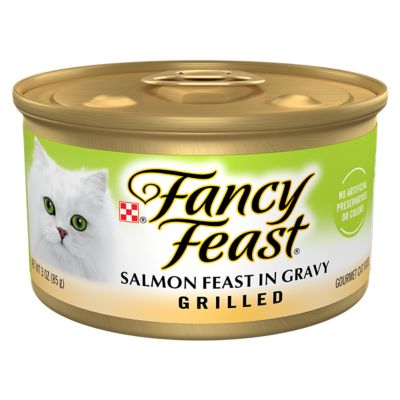
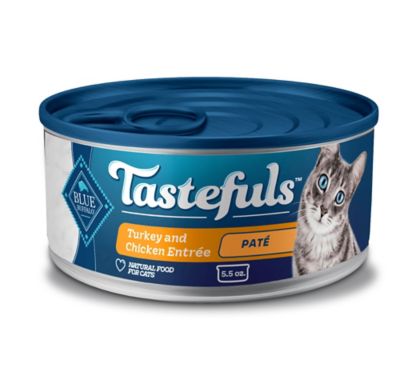
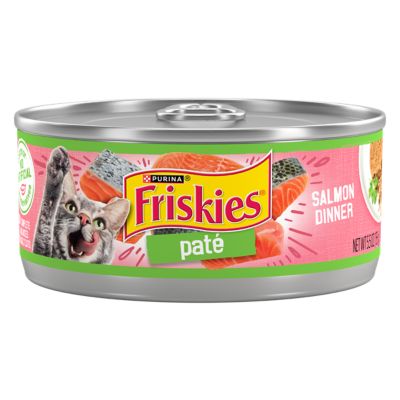
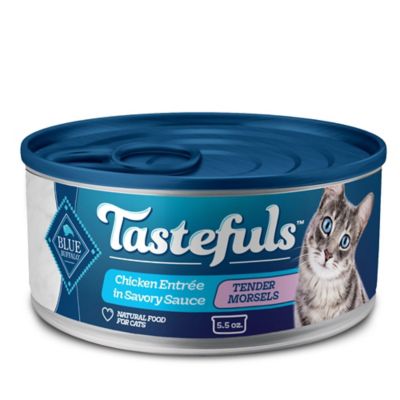
Soft cat food is a broad category of moisture-rich cat meals with tender textures, most often packaged in cans, pouches, or sealed trays. It includes smooth pâtés, airy mousses, finely minced meals, and tender shreds or chunks in gravy or broth. Those differences matter to the cat waiting by the feed bowl: one may lick a smooth meal clean, while another prefers small pieces with a little sauce. Compared with dry kibble, wet cat food generally contains much more water, often around 70% to 80% moisture, though the label gives the amount for each recipe. That moisture contributes to daily water intake, especially for cats that seldom visit their water dish, but fresh drinking water still belongs beside every feeding area. Soft textures also take less crunching, which can make mealtime more manageable for some older cats or cats with missing teeth. They do not treat dental disease, and a cat that suddenly drops food, chews on one side, or backs away from the bowl needs a veterinarian’s attention. For everyday feeding, texture is only part of the picture. Cats need animal-derived nutrients, including taurine, along with the right balance of protein, fat, vitamins, and minerals. A nutritional adequacy statement on the package identifies whether a food provides complete and balanced nutrition for a particular life stage. That distinction separates a daily meal from a topper or supplemental food that adds flavor or moisture but cannot supply the whole diet. Whether the dinner crowd is a single house cat watching birds from the kitchen window or several cats gathering after evening chores, soft cat food can serve as a main meal or as part of a measured combination with dry food. The best match comes down to the cat’s nutritional needs, preferred texture, and feeding routine—not just the flavor named on the front of the package.
Life stage helps narrow the choices within soft cat food. Growing kittens need food formulated for growth, with enough energy and essential nutrients to support developing muscles, bones, and organs. A very smooth texture may suit kittens learning to eat solid food, while adult cats may favor anything from fine pâté to meaty flakes. Pregnant or nursing cats have greater nutritional demands, so a veterinarian can help match their food and portions to those needs. For mature cats, age alone does not tell the whole story. A lean, active older cat and a less active cat carrying extra weight may need quite different calorie levels, even if both like the same tender texture. Senior wording on a package does not replace a look at the nutritional adequacy statement, calorie content, and the individual cat’s health. Protein sources such as chicken, turkey, beef, or fish bring different tastes and aromas to the bowl, but an ingredient name by itself cannot establish whether a recipe meets a cat’s full needs. Grain-free wording likewise does not automatically make a food a better fit, and a soft consistency does not guarantee that a meal will agree with a sensitive stomach. Cats with recurring vomiting, diarrhea, itching, or a diagnosed medical condition may need a veterinarian-directed diet rather than repeated flavor changes. For broader context alongside texture preferences,
Healthy Cat Food connects naturally with considerations such as life-stage nutrition and balanced daily meals. In a household with more than one cat, separate dishes make it easier to see who finishes dinner and who walks away. That matters when a fast eater circles back for another cat’s portion or a quiet older cat hangs back until the kitchen settles down. A calm feeding spot away from litter boxes and heavy foot traffic gives each cat room to eat comfortably, and a shallow, easy-to-clean dish can keep soft food within easy reach.
Packaging, portions, and storage all play a part in how soft cat food fits a working household. Smaller containers can make sense for a cat that eats modest meals, while larger containers call for careful portioning and prompt refrigeration of leftovers. Package feeding directions provide a starting point, but daily amounts depend on body condition, activity, life stage, and calories from everything else the cat eats. When wet and dry foods share the menu, both count toward the daily total; adding a full serving of wet food on top of a full day’s kibble can mean more calories than intended. Measuring portions is particularly helpful for an indoor cat whose busiest stretch is the walk from the sofa to the back door. Texture also affects how a meal holds together in the dish. A pâté can be broken into smaller bites, while shreds and chunks leave more visible pieces for cats that prefer something to pick up and chew. A cat that licks off the gravy and leaves the solids may not be eating the intended balance of the meal, so a smoother consistency may be a better match. Aroma can influence interest, too. Some cats prefer food closer to room temperature rather than straight from the refrigerator; gently warming the serving in a warm-water bath and stirring it can take off the chill without creating hot spots. Opened food belongs in a covered container in the refrigerator, with package directions followed for storage time and disposal. Uneaten wet food should not sit out all day, and warmer feeding areas call for extra care. Washing bowls after meals helps keep residue from collecting around the edges. When changing foods, a gradual transition over several days often helps cats adjust, unless a veterinarian recommends a different approach. With sensible portions, clean dishes, and a texture the cat enjoys, soft food can fit neatly into meals before morning chores or after everyone settles in for the evening.