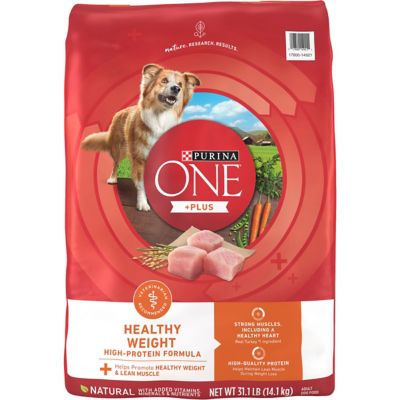
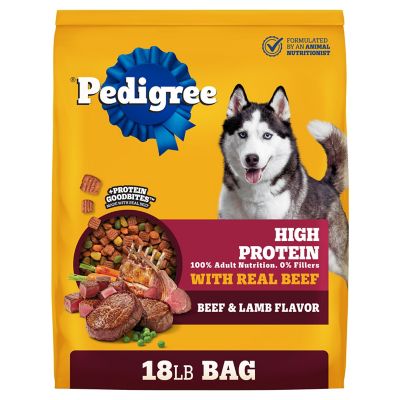
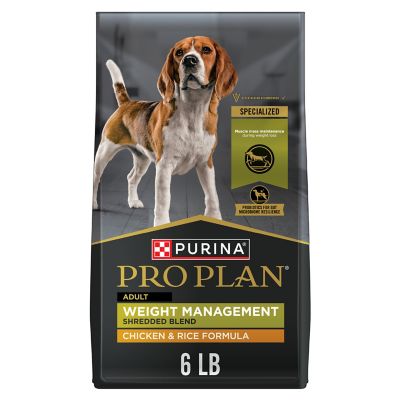
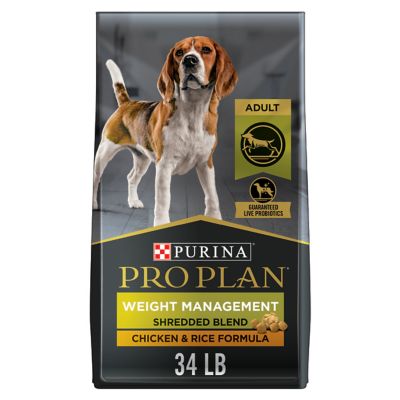
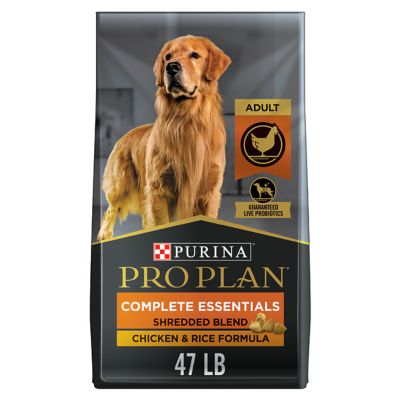
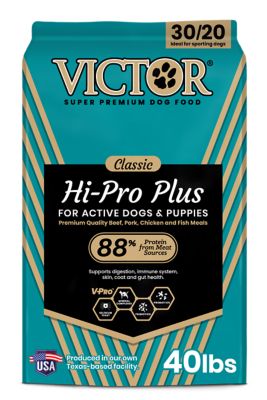
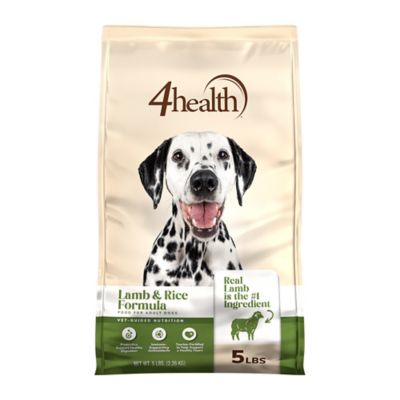
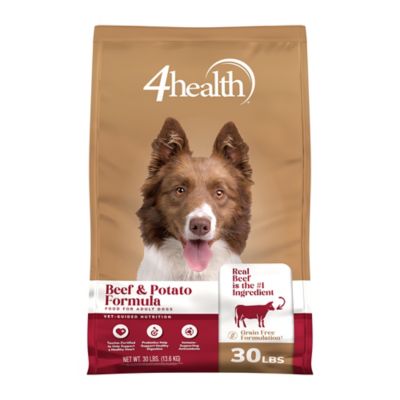
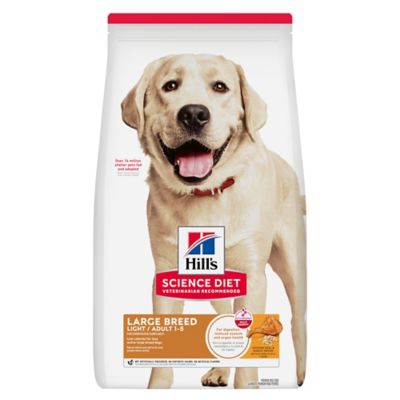
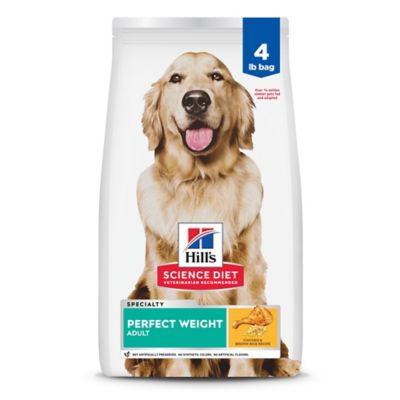
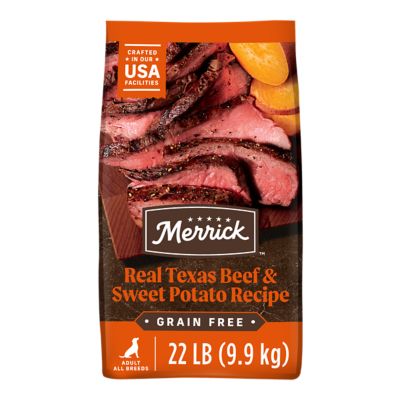
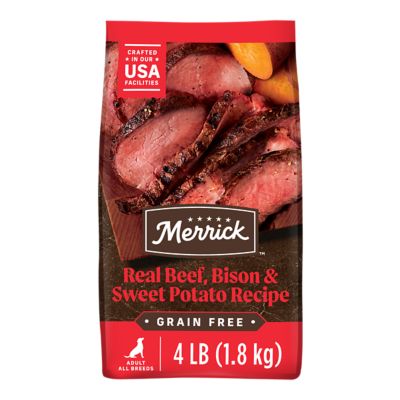
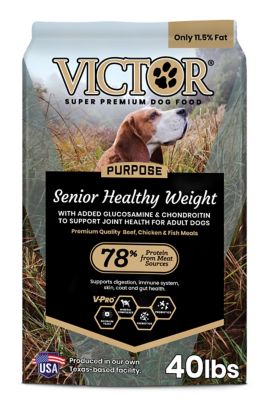
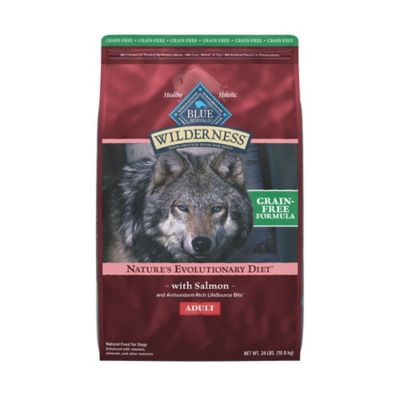
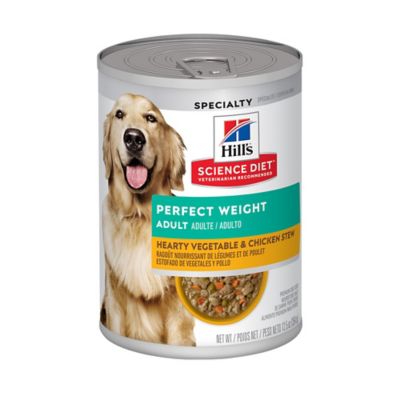
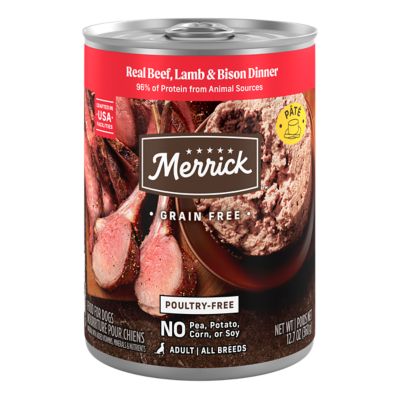
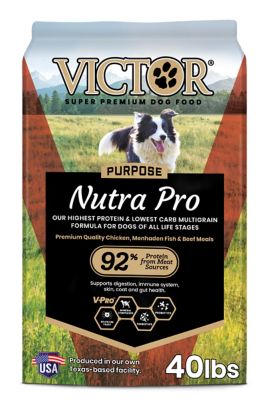
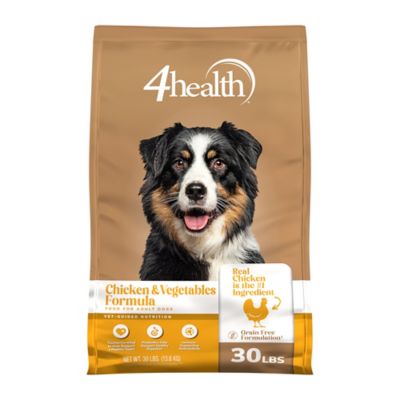
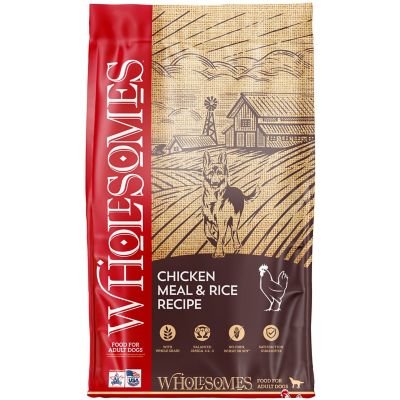
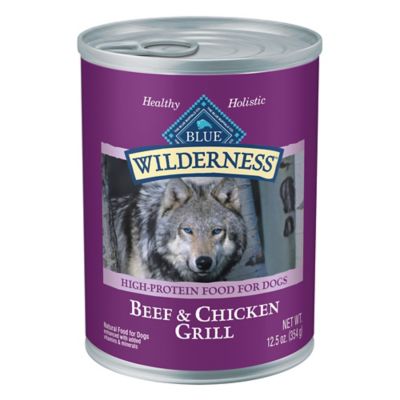
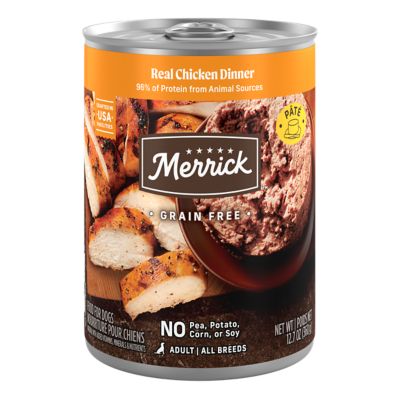
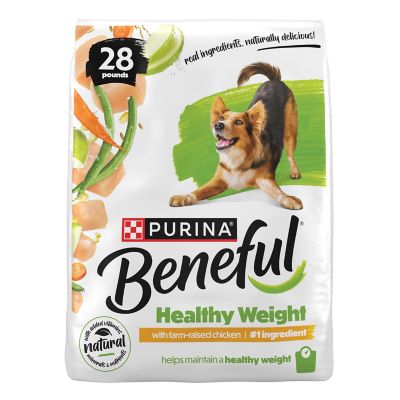
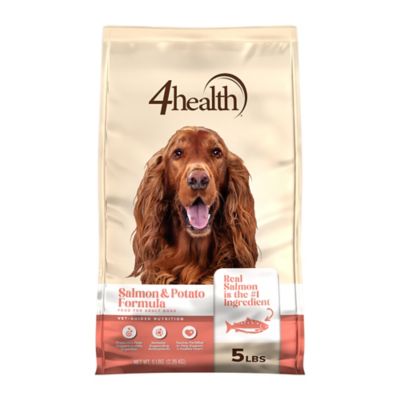
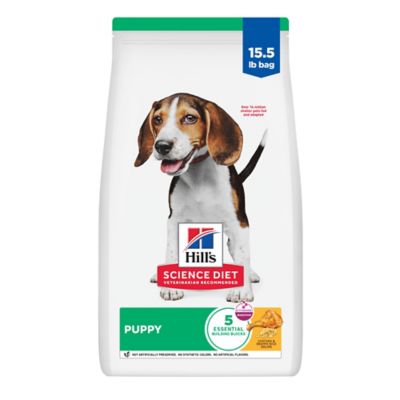
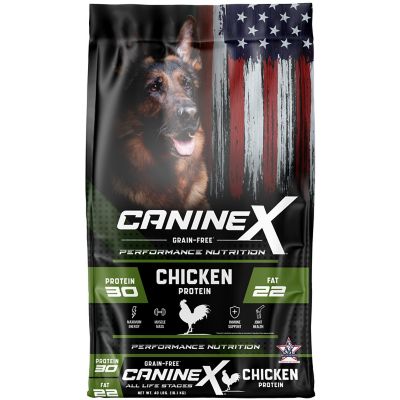
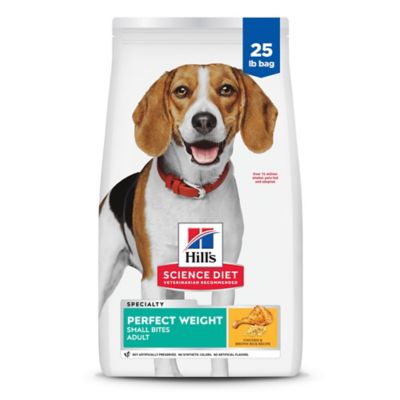
High-protein dog food for weight loss pairs protein to support lean muscle with a calorie level that fits a dog’s weight-management needs. The goal is gradual fat loss while helping a dog stay strong enough for everyday life, whether that means tagging along for fence checks, walking the back pasture, or getting up comfortably from a favorite spot beside the couch. Protein matters during calorie restriction because it supplies amino acids the body needs to maintain muscle and other tissues. It may also help with satisfaction after meals, although fullness depends on the whole recipe, portion size, and the individual dog. A higher protein percentage alone does not make a food suitable for weight loss. Some protein-rich recipes are built for hardworking dogs with high energy needs and deliver more calories than a less active dog needs. Foods intended for weight management generally balance protein with controlled calories, appropriate fat levels, and fiber that can help a meal feel more filling. That balance can matter for a farm dog spending fewer hours outside, an adult dog whose daily walks have gotten shorter, or a companion carrying extra weight after a change in routine. During the cooler months, shorter outings and longer stretches indoors can make the difference between energy eaten and energy spent easier to overlook. A veterinarian can help establish a target weight and daily calorie allowance based on body condition, muscle condition, age, and health rather than breed averages alone. For dogs with kidney disease or another condition requiring a prescribed diet, a high-protein food may not be the right fit. Weight-management dog food works best as part of a consistent feeding routine, not as a promise that a particular ingredient will melt away pounds. The most useful choice is a complete and balanced food that meets the dog’s nutritional needs within an appropriate calorie budget.
Ingredients, nutrient levels, and feeding format all help distinguish high-protein weight-control dog food from recipes meant mainly to fuel activity. Chicken, turkey, fish, beef, and other protein sources can supply essential amino acids, but the ingredient list is only one part of the picture. A named meat in the first position does not, by itself, establish protein digestibility or suitability for a dog trying to lose weight. The nutritional adequacy statement, calorie content, guaranteed analysis, and stated life stage provide more context. Adult maintenance food is intended for adult dogs; growing puppies and pregnant or nursing dogs have different nutritional needs and should not be placed on a weight-loss diet without veterinary direction. Calories listed per cup, can, or kilogram make portions easier to compare, especially when two dry foods have similar protein percentages but different energy densities. Protein and fat provide useful information together: a recipe can be high in both, making its serving size smaller than expected for a calorie-controlled meal. Fiber sources such as beet pulp, pumpkin, or powdered cellulose may add fiber, but their presence alone does not show how filling a food will be or how well a dog will tolerate it. Dry kibble offers straightforward storage and portioning, while wet food adds moisture and may appeal to dogs that prefer a softer texture. Mixed feeding can work, too, provided calories from both formats count toward the same daily total. Protein percentages on wet and dry labels are not directly comparable because their moisture levels differ; a dry-matter comparison accounts for that difference. Within the broader range of
High Protein Dog Food, weight-management suitability comes down to the complete nutrient profile and calorie content, not the protein claim alone. Kibble size, texture, digestive tolerance, and established food sensitivities also deserve attention, since a food needs to fit the dog eating it as well as the feeding plan.
Everyday handling and feeding habits help a weight-loss dog food do its job without turning mealtime into a struggle. A measured portion matters more than how full the bowl looks, especially with calorie-dense kibble. A kitchen scale can make gram-based portions more consistent than a heaping scoop, and the feeding chart is a starting point rather than a fixed prescription for every dog. When a veterinarian recommends a calorie target, that total needs to include training rewards, dental chews, table scraps, and anything tucked into a food toy. A dog that gets a bite at the barn, another in the kitchen, and a chew before bed can take in a fair amount beyond regular meals. Setting aside part of the daily kibble portion for rewards keeps those small moments in the routine without automatically adding food. In a home with several dogs, separate feeding spaces can help keep one dog from finishing another’s supper. Splitting the planned ration into scheduled meals or serving suitable kibble in a slow feeder can make feeding more manageable, though neither replaces calorie control. Food changes generally go more smoothly when the new recipe is introduced gradually over about a week, or according to veterinary advice, with attention to appetite and stool consistency. Dry food belongs in a cool, dry place, preferably in its original bag inside a clean, tightly closed container; keeping it away from damp feed-room floors and direct sunlight helps protect it during storage. Opened wet food needs refrigeration and handling according to its label, and bowls should be washed regularly. Fresh drinking water should always be within reach. Regular weigh-ins and checks of body and muscle condition show whether portions need adjustment, while activity should match the dog’s comfort and fitness. A steady leash walk may be more appropriate than a long run for an overweight dog with stiff joints. Progress is often gradual, and once a healthy weight is reached, the calorie allowance usually needs reassessment for maintenance. A food that fits that longer routine supports more than a smaller number on the scale: it helps keep everyday movement, meals, and life around the place on a steadier footing.