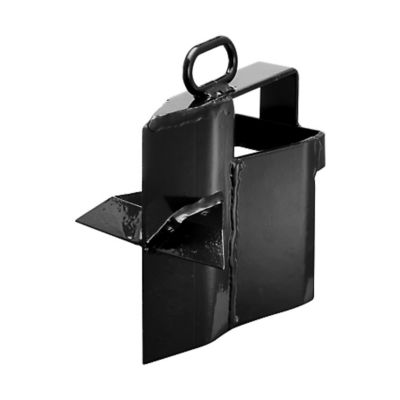
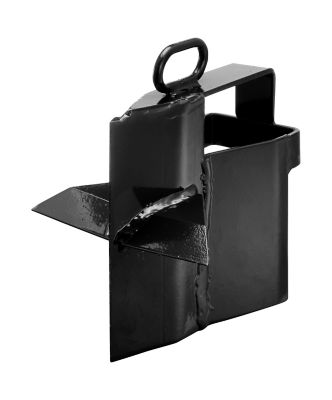
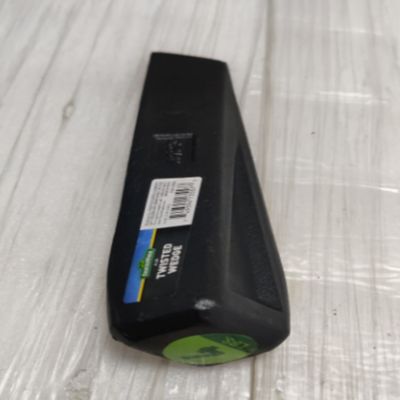
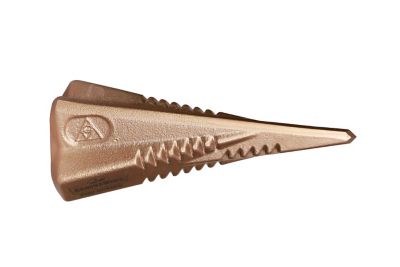
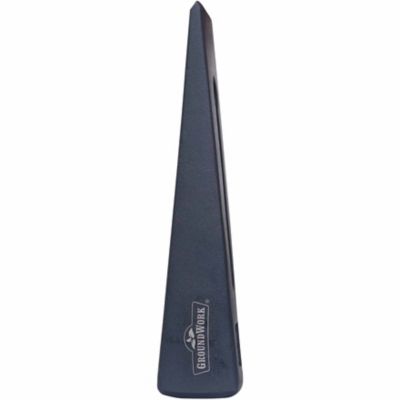
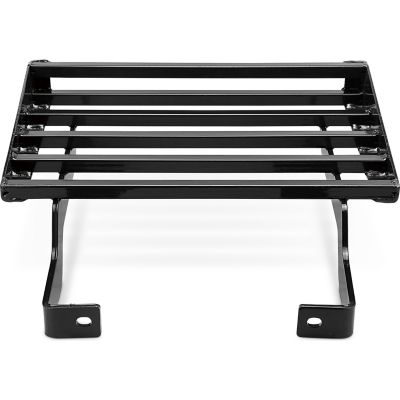
Log splitting tools separate wood along the grain, turning cut rounds into firewood for woodstoves, fireplaces, outdoor fire pits and other wood-burning setups. The category includes splitting axes, mauls, steel wedges, stationary kindling splitters and machines powered by manual hydraulics, electricity, batteries or gas engines. The right match depends on the amount of firewood to process, the size and grain of the rounds, and how much lifting and swinging the job involves. A few straight-grained rounds for an evening fire call for a different setup than a full heating season’s woodpile behind the barn. Splitting axes generally have a wedge-shaped head that pushes fibers apart, with a lighter build than many mauls for repeated swings through manageable rounds. A splitting maul pairs a heavier head with a broad wedge profile, putting more weight behind the strike. Neither is quite the same as a chopping axe, which is shaped primarily to cut across wood fibers rather than separate them. For larger rounds or stubborn sections, a splitting wedge concentrates force in a narrow opening when struck with a compatible sledgehammer. Tool compatibility matters here: not every axe or maul head is designed to strike steel wedges, so the manufacturer’s intended use is worth checking. Stationary kindling splitters hold a fixed splitting edge within a supporting frame, allowing smaller pieces of wood to be driven onto that edge with a suitable striking tool. Their opening size limits what fits, making them better suited to kindling and smaller firewood than oversized rounds. These hand-powered options make sense for cabin owners, folks tending a backyard fire pit and anyone keeping a modest stack close to the house. Wood species matters, but grain can matter just as much. A clean, straight-grained round may split readily, while a crotch section, twisted grain or a knot running through the center can resist even a hard strike. That variation is why a woodpile often calls for more than one type of splitting tool.
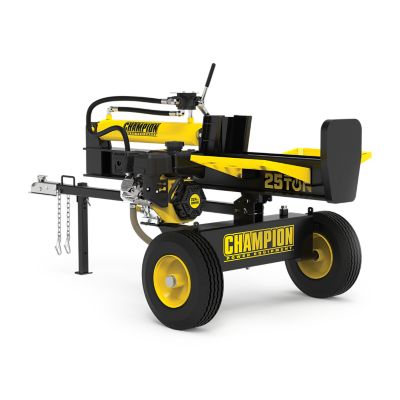
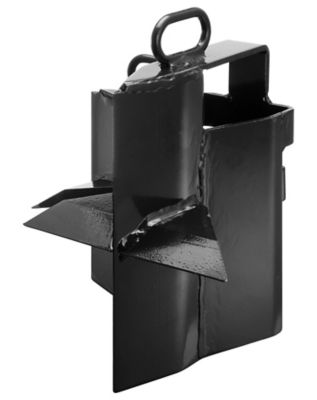
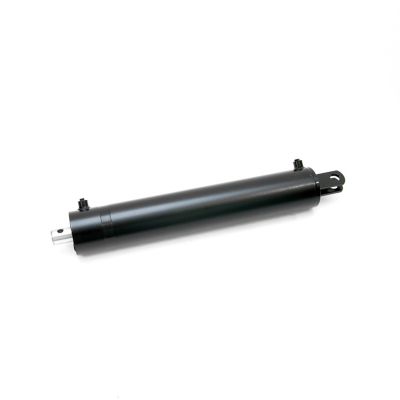
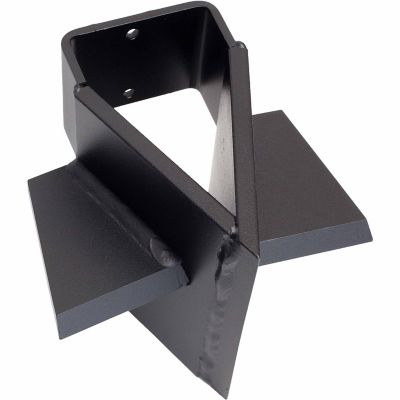
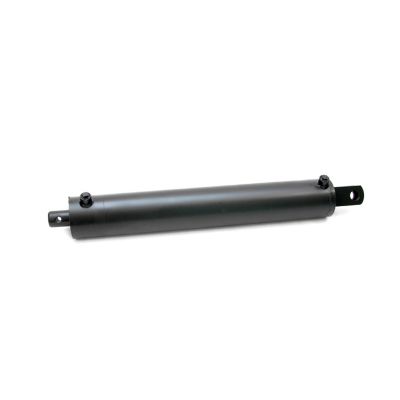
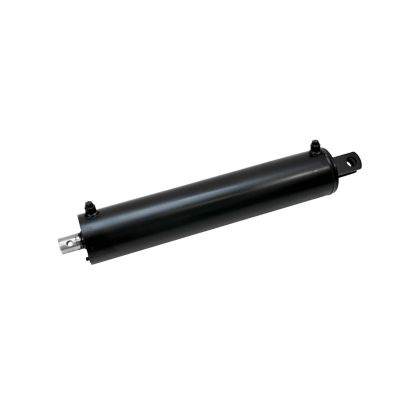
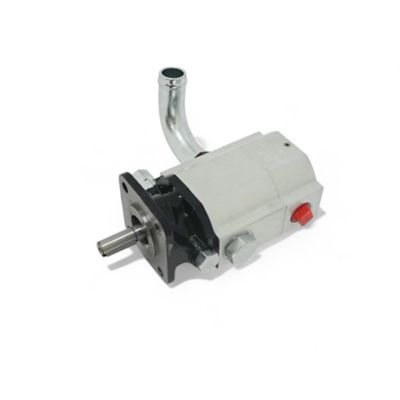
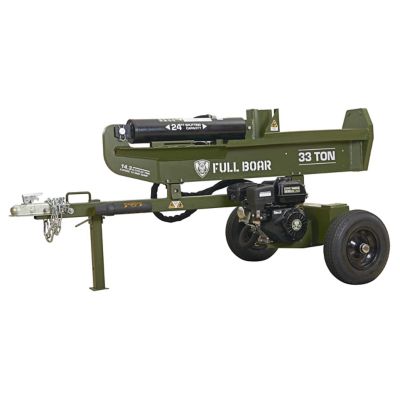
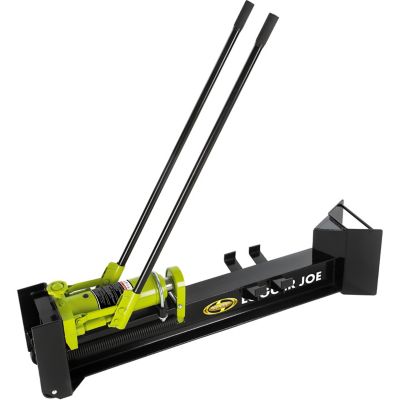
Powered log splitters bring hydraulic force to the job, reducing the repeated swinging involved in working through larger piles. A hydraulic pump drives a ram that presses wood against a wedge, or moves the wedge into the wood, depending on the machine’s design. Manual hydraulic log splitters create that pressure through hand-operated levers, making them an option where an outlet or engine is not practical. They still require physical effort and generally work at a slower pace than motor-driven equipment. Electric log splitters suit work areas with an appropriate power supply, while battery-powered designs offer another option where cord placement would be a nuisance. Corded equipment needs an electrical connection and, when permitted, an extension cord that meets the manufacturer’s requirements. Battery compatibility and expected runtime matter for cordless equipment, especially when the splitting area sits well away from charging access. Gas-powered log splitters can handle work away from electrical service and are often a good fit for larger firewood workloads. Engines must operate outdoors, away from doors, windows and enclosed spaces. Across these machine types, rated splitting force is only part of the comparison. Maximum log length, recommended log diameter, cycle time, working height and the shape of the wedge all affect how the equipment fits a particular woodpile. A higher tonnage rating does not promise effortless splitting through every knot or fork. Horizontal configurations put logs on a raised beam, which can be convenient for rounds that are manageable to lift. Machines designed to shift into a vertical position can reduce the need to raise heavy rounds onto that beam, though the wood still needs positioning. For a rural household heating with wood or a landowner processing suitable cut timber, those handling details can matter as much as power. Space around the machine also counts: uneven ground, scattered bark and a growing pile of split pieces can turn a roomy work area into tight quarters. Stable footing and room to stage rounds help keep the work area manageable, whether the pile fills a small rack or runs along the woodshed.
Materials, fit and upkeep help determine how log splitting equipment holds up through repeated seasons of work. Forged steel heads and wedges need edges shaped for splitting rather than a thin, knife-like finish; the manufacturer’s specified edge profile supports the tool’s intended action. Handle choices commonly include wood, fiberglass and composite materials, each with a different feel in the hands. Wood handles can appeal to folks who prefer a traditional grip and the option of replacement, while fiberglass and composite designs may offer molded grip areas and protection around the neck. Handle length and head weight should suit the person swinging the tool, not just the size of the round. An extra-heavy maul can become hard to control before the afternoon’s work is finished, and an overly long handle may feel awkward for a shorter user. A sound head-to-handle connection, comfortable grip and balanced swing deserve close attention. Care includes keeping steel dry between jobs, checking handles for cracks or looseness, and watching striking surfaces for damage or mushrooming. Powered equipment brings its own upkeep, including hydraulic fluid checks, hose inspections and engine or battery care as specified by the manufacturer. Storage out of the weather helps protect working surfaces, fittings and grips when the splitting is done. Eye protection, sturdy footwear and a clear work area belong with any setup; hearing protection may also be necessary around powered equipment. Hands need to stay clear of wedges, rams and other pinch points, including on stationary kindling tools. Moving wood deserves equal thought, since getting a heavy round from the landing spot to the splitter can take more effort than the split itself.
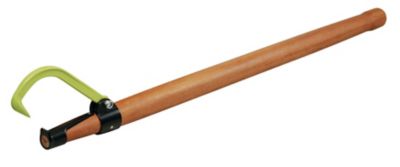
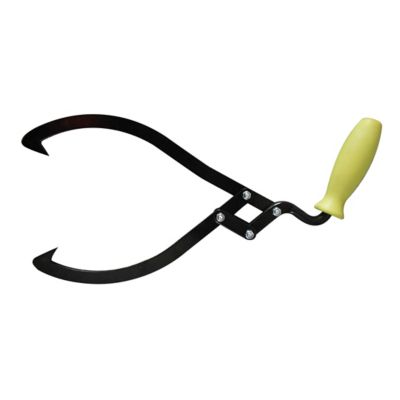
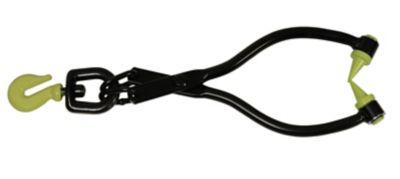
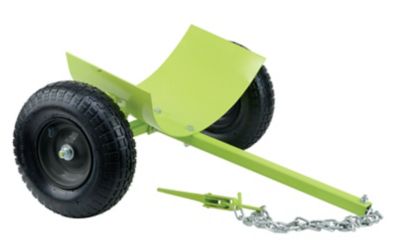
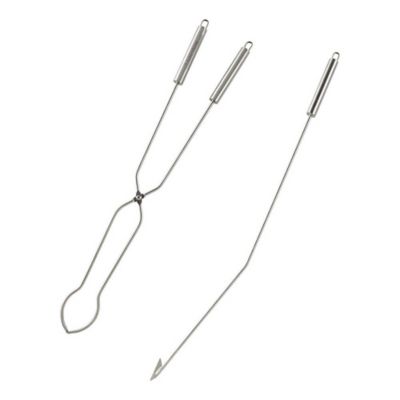
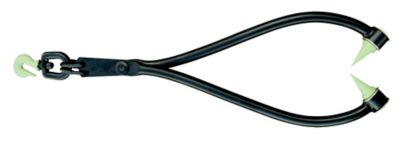
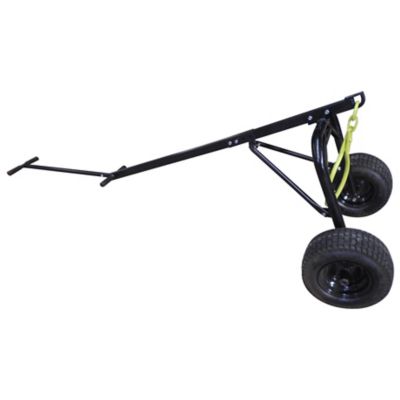
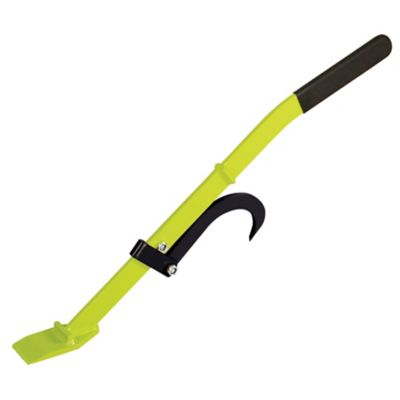
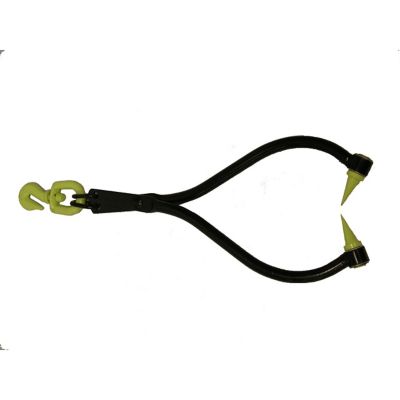
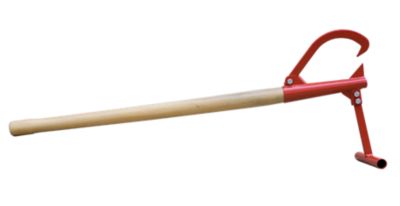
Log Moving Equipment complements a splitting setup by helping with the handling and transport side of the job. For someone who spends the cooler months keeping a stove fed, a well-matched splitting tool can also be a practical gift, particularly when its weight, grip and purpose match the work they already do. From a small basket of kindling to rows of stove-length firewood, the best fit comes down to the wood, the workload and the person doing the splitting.