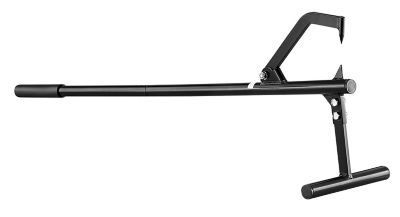
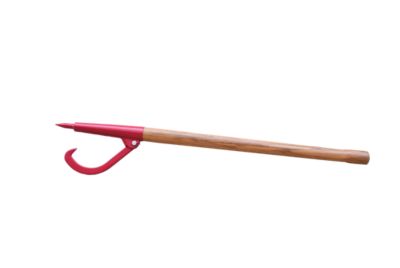
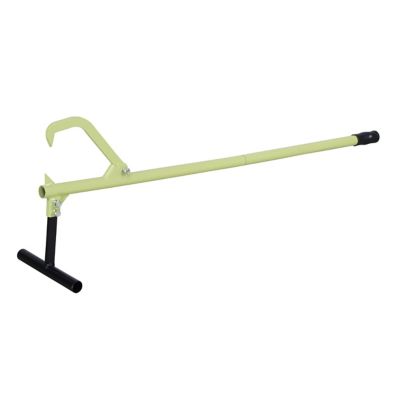
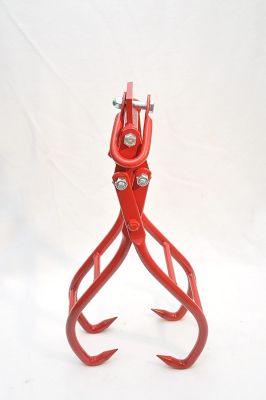
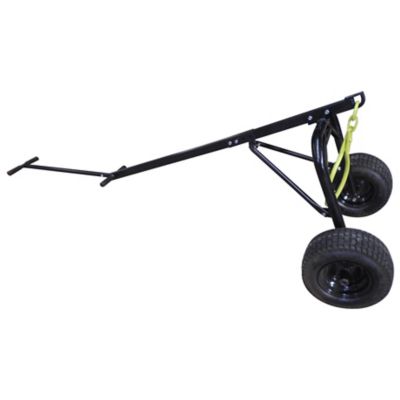
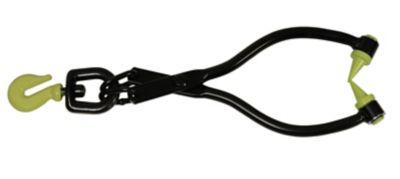
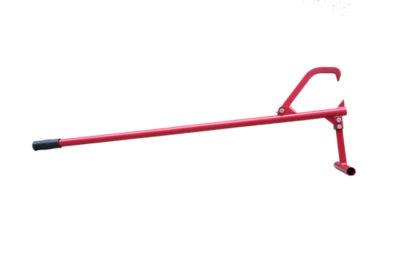
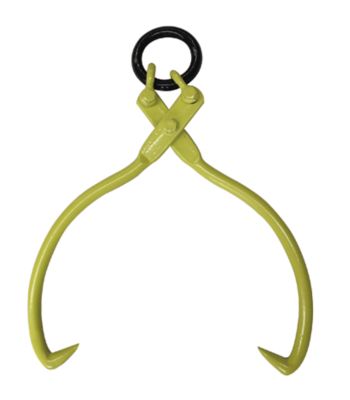
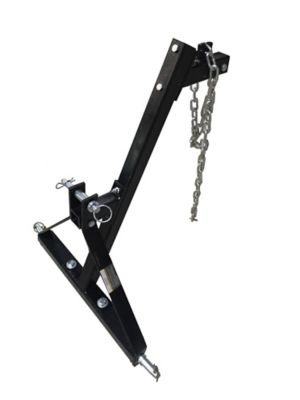
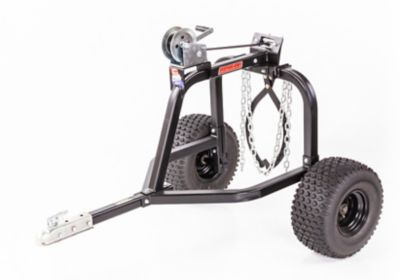
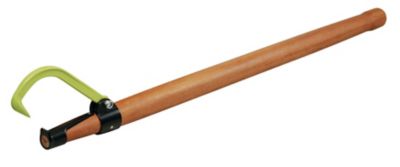
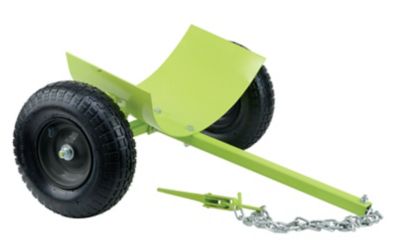
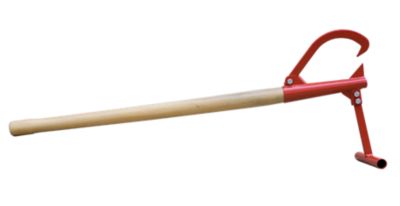
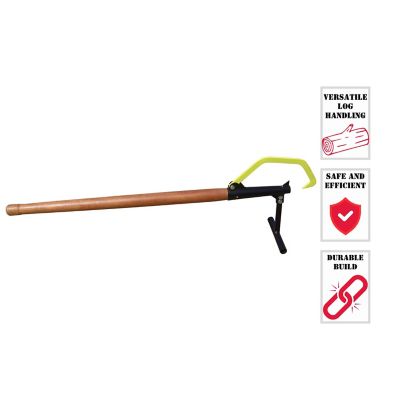
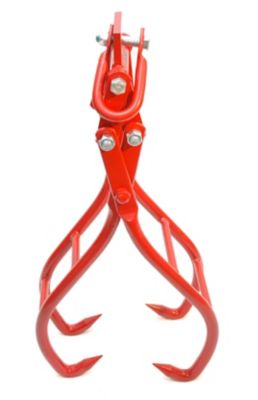
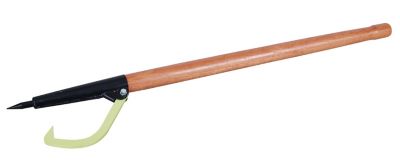
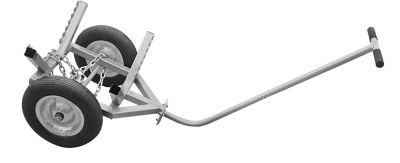
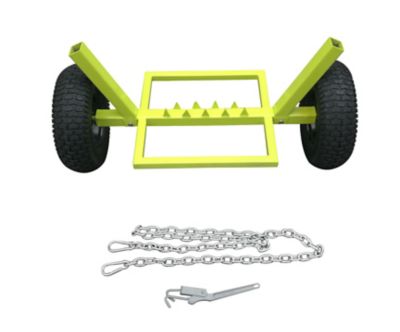
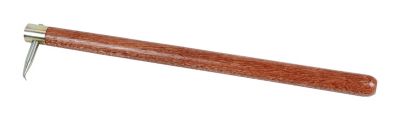
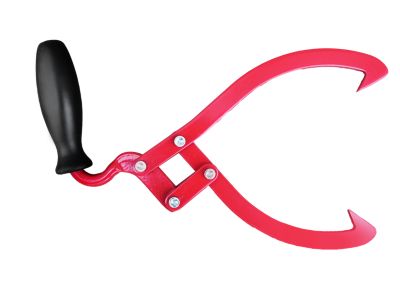
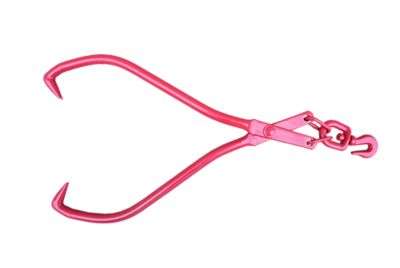
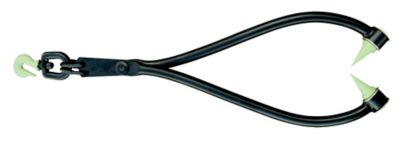
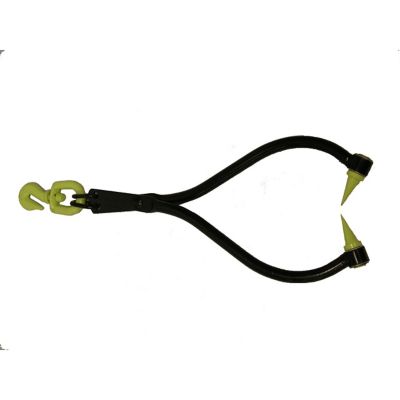
Log moving equipment helps lift, roll, turn, and haul timber between the spot where it falls and the place where it gets cut, split, or stacked. The main categories include cant hooks, peaveys, timberjacks, log tongs, and wheeled log carriers, with each handling a different part of the job. For landowners clearing a fence line, folks processing firewood, or small sawmill operators lining up the next cut, the right match comes down to log size, travel distance, ground conditions, and the kind of movement needed. A cant hook pairs a long handle with a swinging metal hook and a toe that grip a log for rolling and turning. That leverage can help reposition a heavy round or rotate a trunk without trying to wrestle the whole thing by hand. A peavey has a similar hooked design but adds a pointed end for purchase when positioning timber. A timberjack combines a log-turning tool with a support stand, raising a compatible log above the ground and helping provide clearance beneath it for crosscutting. Its usefulness depends on the diameter and weight of the log, along with how securely the stand rests on the ground. Log tongs have jaws that bite into wood as tension is applied, though carrying, skidding, and overhead lifting call for different designs and ratings. Wheeled log dollies and arches support part or all of a log so it can travel with less ground contact than a straight drag. These differences matter on an ordinary woodlot: turning a trunk beside a brush pile is one task, while bringing it down a path to the splitter is another. Equipment that fits the work can reduce awkward handling, but leverage does not eliminate a load’s weight or its tendency to roll. Working limits, solid footing, and room to move remain important even when the job looks straightforward.
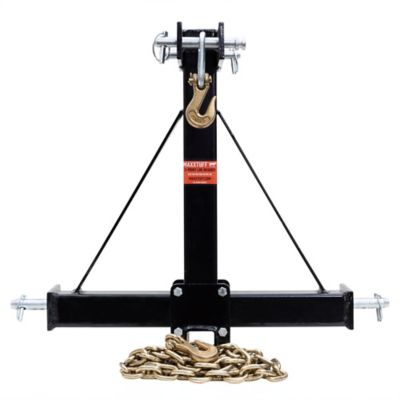
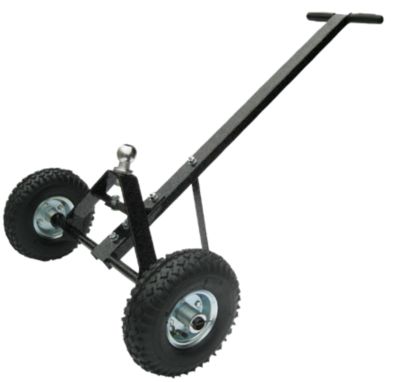
Materials and construction make a noticeable difference in how log handling tools feel through a full day of work. Steel hooks, jaws, and frames provide strength at the points that bear against timber, while protective finishes help limit corrosion when maintained as directed. Hardwood handles offer a familiar feel and some flex; steel and aluminum handles have different weight, stiffness, and care requirements. No handle material alone determines a tool’s capacity, so the manufacturer’s specifications matter more than appearance or heft. Handle length affects both leverage and maneuverability. A longer handle can provide more turning force, but it also needs room to swing, which may be scarce between standing trees or beside a trailer. A shorter tool can be easier to manage in tight quarters, provided it suits the load and task. Grip shape matters, too, especially when work gloves come between the hand and handle. For hooks and tongs, the jaw opening or stated log diameter range helps establish fit. A tool that grips a narrow pole well may not open far enough for a broad trunk, while an oversized jaw may not seat properly on smaller wood. Bark thickness, loose bark, irregular shapes, and tapered ends can all affect engagement. Wheeled equipment brings another set of considerations, including frame clearance, tire type, axle capacity, and the way the log attaches to the carrier. Pneumatic tires can cushion travel over uneven ground, while solid tires avoid punctures; either choice still needs to match the carrier’s load rating and operating conditions. Broad tires may spread weight over a larger contact area, but they do not guarantee passage across soft ground. A clear lane beside the barn puts different demands on a carrier than a narrow trail with exposed roots. For towable equipment, hitch compatibility, rated towing limits, and the towing vehicle’s instructions are part of the fit, not details to sort out after loading.
A practical log moving setup fits the whole route from timber on the ground to manageable pieces at the woodpile. Someone cutting firewood near a driveway may have more need for controlled rolling and short carries than for a towing attachment. A property owner moving trunks out of a pasture may need equipment intended for longer travel, along with enough clearance to keep the load from catching on obstacles. At a small milling site, turning and positioning logs can matter as much as hauling them. Keeping timber out of the dirt where possible also helps reduce the grit that reaches cutting equipment, though bark can still hold soil and debris. Once wood reaches the processing area,
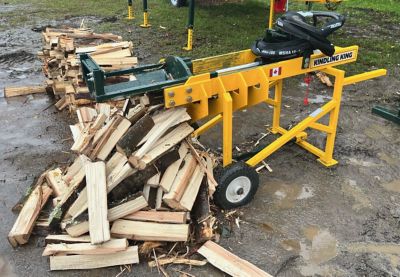
Log Splitting Tools support the next stage of breaking cut rounds into pieces suited to the intended use. Moving and splitting equipment serve different purposes, and neither replaces proper support while cutting. Load control deserves particular attention around slopes, stacked timber, and pinch points where a shifting log can trap a hand or foot. Skidding tongs are not automatically suitable for suspended lifting, and an attachment should never be treated as lifting gear unless the manufacturer expressly rates it for that purpose. Chains, connectors, hitches, and other components also need compatible working limits; the lowest-rated part limits the assembly. Long service life depends on regular care as well as construction. Cleaning away bark and dirt makes it easier to inspect hooks, pivots, fasteners, welds, and handles for wear or damage. Lubrication at specified points, proper storage, and replacement of worn parts help keep equipment working as intended. Wooden handles need attention to cracks and looseness, while metal frames and handles need checks for bending, corrosion, and damaged connections. For someone buying a gift for a firewood cutter or acreage owner, knowing the person’s usual log diameter, existing equipment, and hauling route is more helpful than choosing by size alone. Well-matched log moving equipment earns its place by handling a real chore, whether that means turning one stubborn trunk or making repeated trips from the woodlot to the work area.