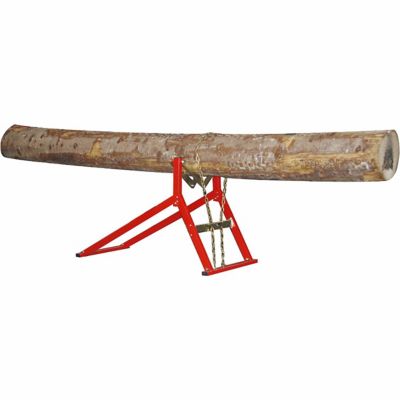
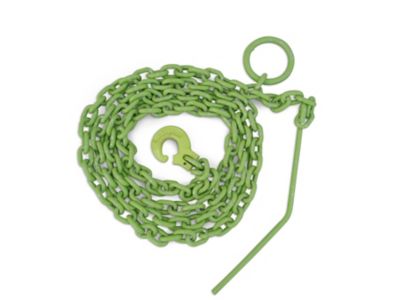
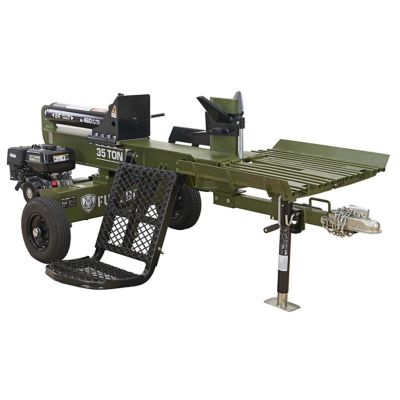
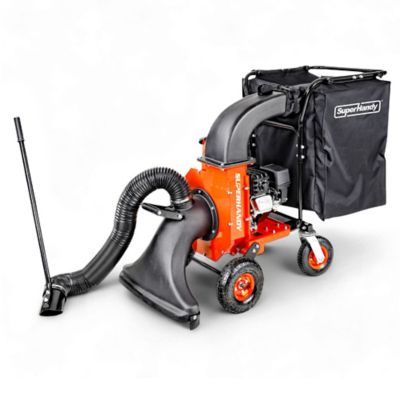
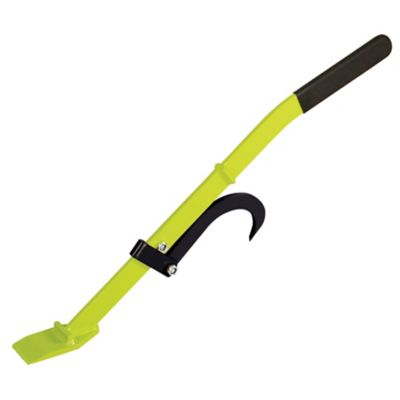
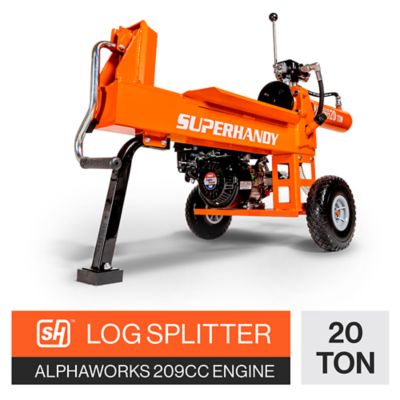
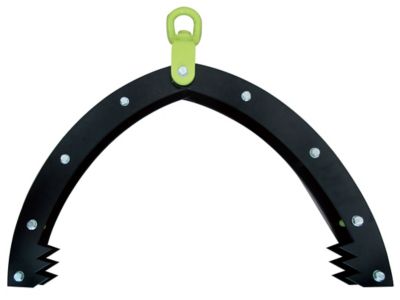
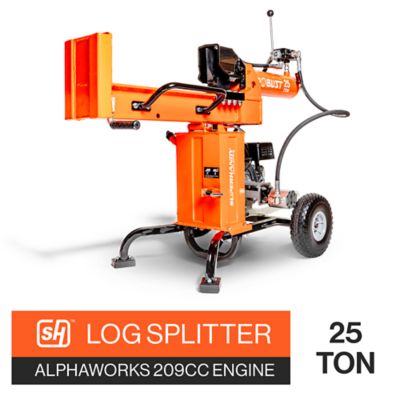
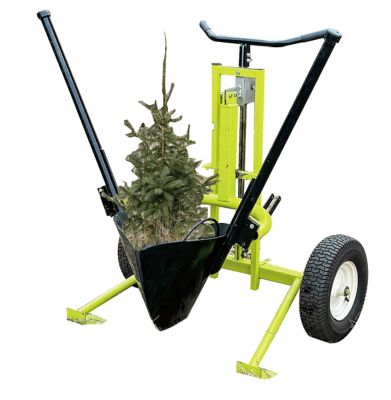
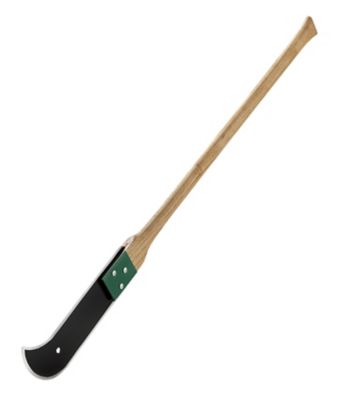
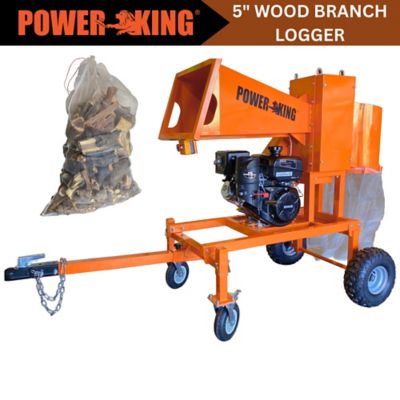
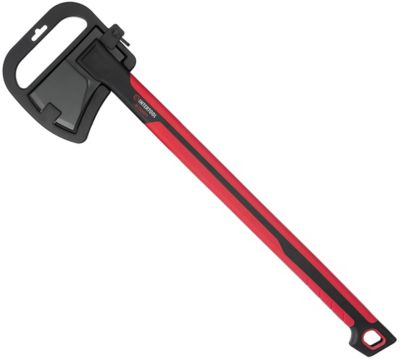
Forestry equipment covers the machinery, attachments, and hand tools that support tree cutting, timber handling, brush clearing, and wood processing. The work can range from managing a few wooded acres behind the barn to moving logs through a commercial timber operation, so the right equipment depends on the size of the wood, the terrain, and where the material needs to go. In commercial forestry, feller bunchers cut and gather trees, while harvesters can fell, remove limbs, and cut stems to set lengths. Skidders drag felled timber toward a landing, and forwarders carry logs off the ground in a load bunk. Log loaders lift and position timber for sorting or transport. Those machines serve a different scale of work than the cutting tools, log-handling equipment, and tractor attachments that often suit farms, homesteads, and smaller woodlots. Around a rural property, forestry work might mean cutting a downed trunk into manageable sections, clearing brush along an access lane, or turning a pile of logs into split firewood. Chainsaws handle many cutting tasks, while axes, splitting mauls, and powered splitters serve different roles in breaking wood down further. Cant hooks help turn logs with a toothed hook and leverage handle; timberjacks add a support that can hold suitable logs above the ground for cutting. Logging winches pull timber within the limits of their mounting and rated capacity, while grapples grip material for lifting and moving. These distinctions matter when a task involves more than simply making a cut. A log lying across a trail may need controlled movement before processing, and a stack beside the woodshed calls for different handling than timber scattered across a hillside. Farmers, acreage owners, firewood cutters, and forestry crews all benefit from matching equipment to the whole job, including access, handling, cutting, and cleanup. Equipment that fits the work can reduce unnecessary repositioning and help keep material moving through each stage without turning every log into a wrestling match.
Materials, dimensions, and equipment fit deserve a close look because forestry work puts cutting edges, handles, joints, and lifting points under repeated strain. Heat-treated steel is common in cutting and gripping components, while handle materials may include wood, fiberglass, or metal, each with its own feel, weight, and care needs. A longer handle can provide more leverage, but it also needs room to swing or turn; a shorter tool may be easier to maneuver among closely spaced trunks. Grip shape and tool balance matter when hands are gloved and the job involves repeated movements. For log-handling tools, the stated log diameter range helps establish whether a hook can engage properly rather than barely catching the bark. With cutting equipment, power is only one part of the match. Weight, reach, control layout, and the manufacturer's intended applications also affect how comfortably an operator can manage the task. Chainsaw bars and chains must match the saw's requirements, including the specified pitch, gauge, and drive-link count. A longer bar is not automatically the better choice, especially when it adds weight without serving the cutting job. Splitting equipment calls for attention to rated splitting force, permitted log length and diameter, and operating position. Large, knotty rounds can behave differently from straight-grained sections, and a vertical operating position on equipment built for that purpose may reduce the need to lift heavy rounds onto a beam. Tractor-mounted forestry attachments bring another set of fit requirements: hitch category, machine weight, hydraulic flow and pressure, power takeoff requirements where applicable, and attachment weight all matter. Loader lifting capacity must account for the attachment itself and the load's position, not just the weight of the log. For property work that extends from timber handling into grading, brush management, or maintaining access paths,
Machines For Landscaping offers a related area to explore. The useful overlap is in the work itself, but each machine and attachment still needs to suit its assigned task.
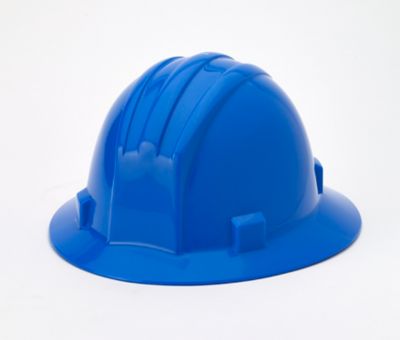
Care and safe handling play a big part in how forestry equipment holds up over time. Bark grit, wood chips, sap, and soil can collect around moving parts, so accessible service points and straightforward cleaning requirements are worth considering before choosing equipment. Cutting edges need attention at the intervals and angles specified by the manufacturer; forcing a dull edge through wood adds effort and can affect control. Chainsaw care includes checking chain tension, keeping the bar lubrication system working, and inspecting the bar and chain for wear. Handles should remain secure and free of damage, and log hooks need sound points, pivots, and fasteners to engage as intended. Powered splitters and hydraulic attachments require checks for leaks, damaged hoses, loose connections, and other wear, with equipment shut down and pressure relieved according to the manual before service. Suspected hydraulic leaks call for proper inspection methods, never a bare hand near a pressurized line. Storage matters, too: keeping tools clean, protected from moisture, and secured away from children helps protect both the equipment and the people around it. For powered machinery, follow the manufacturer's fuel, battery, lubrication, and storage directions rather than treating every engine or drive system the same. Protective equipment should match the task, with appropriate eye and hearing protection, footwear, head protection, and chainsaw leg protection where needed. Gloves can help with handling rough bark and sharp edges, but they do not replace keeping hands clear of pinch points. A rolling log, a suspended load, or a bent limb under tension can move suddenly, even when the wood looks settled. Tree felling, hung-up trees, and work near utility lines call for trained professionals rather than a bigger tool and a hopeful approach. For everyday woodlot chores, a clear work area, stable footing, and equipment operated within its limits provide a sensible foundation. Whether the work happens beside a fence line, along a farm lane, or at a firewood processing area, well-matched forestry equipment helps keep the focus on controlled cuts, manageable loads, and a work setup that makes sense for the property.