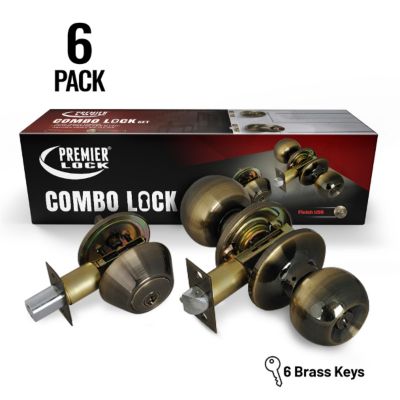
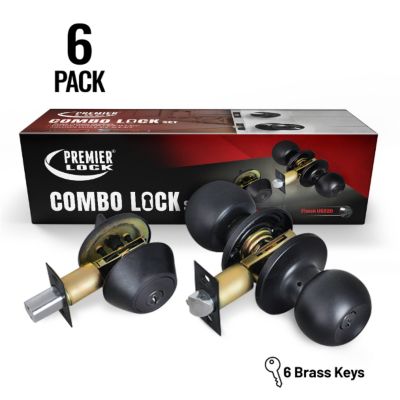
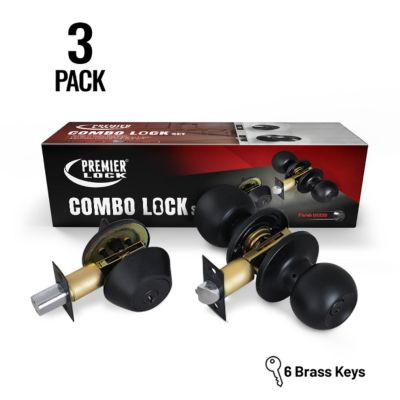
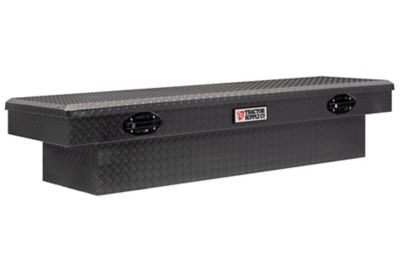
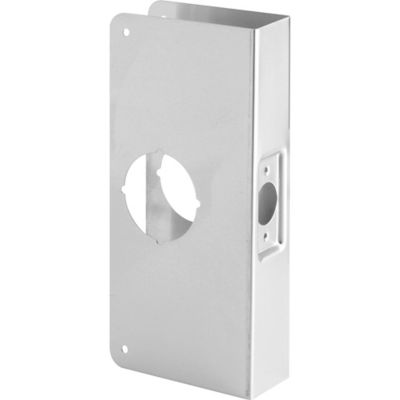
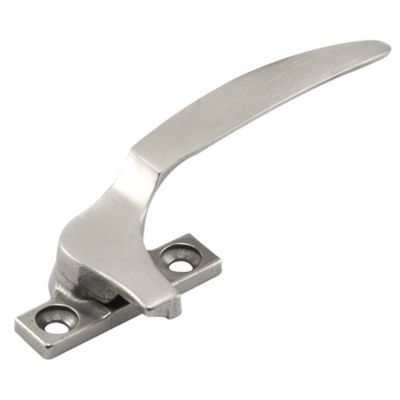
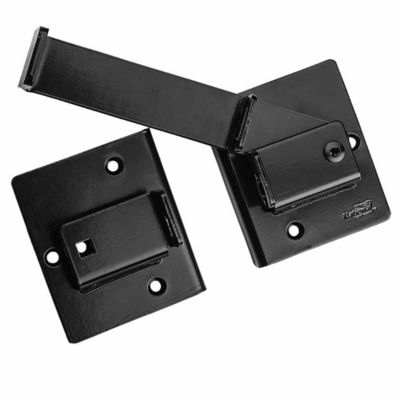
Locking door latches bring together two everyday jobs: keeping a door closed and controlling who can open it. They’re useful around the house, barn, workshop, shed, garage, outbuilding, office, trailer, and other spots where a plain latch doesn’t provide enough peace of mind. A standard spring latch uses a beveled bolt that slips into the strike plate when the door closes, while a key or thumb-turn engages the locking feature. Other designs mount on the surface of the door, slide into a keeper, or pair a hinged hasp with a separate padlock. The right choice depends first on the door itself. Interior doors, exterior entry doors, sliding doors, cabinet-style doors, gates, and heavy utility doors each place different demands on the hardware. Take a close look at the door’s thickness, swing direction, edge shape, frame construction, and available space before ordering. Measure from the door edge to the center of the existing bore or latch opening, and check the distance between the latch face and the strike area. If replacing worn hardware, matching the existing layout can save time and help avoid drilling new holes. For a new installation, make sure the latch, strike, and locking mechanism are designed to work together. A latch that is too short may not reach the frame securely, while one that is too long can keep the door from closing cleanly. Weather exposure matters, too. Doors on a porch, tack room, pasture gate, or detached shop may see rain, dust, mud, and temperature swings, so durable metal construction and a finish suited to outdoor use can make a real difference. For more ways to outfit doors, gates, cabinets, and storage areas, browse
Locking Hardware.
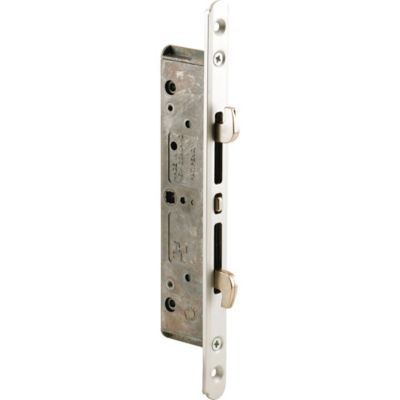
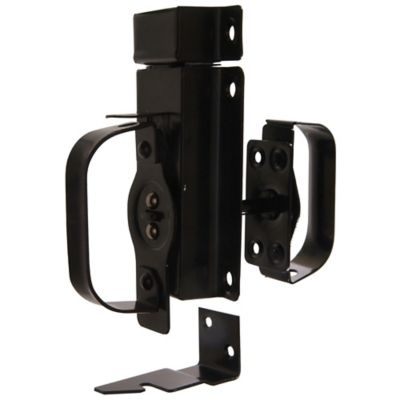
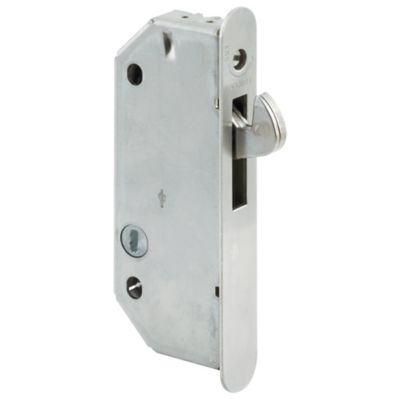
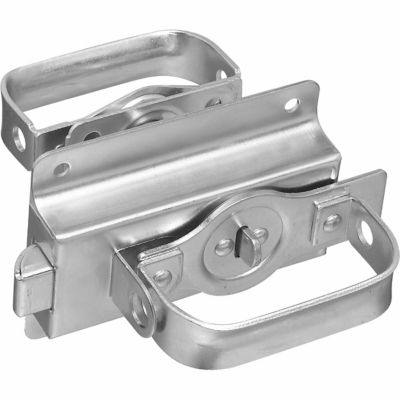
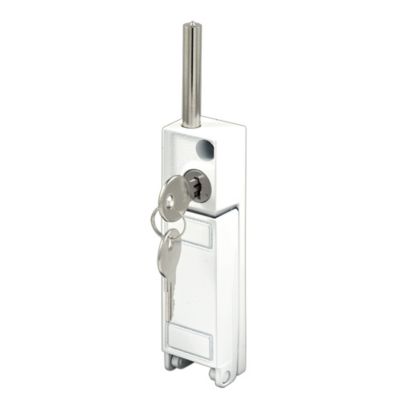
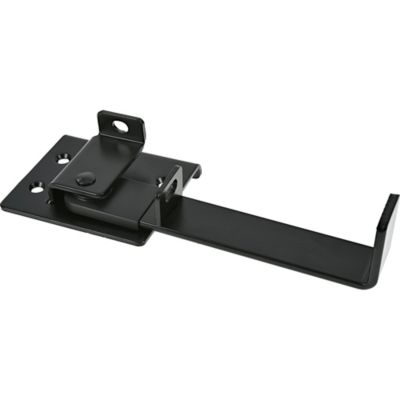
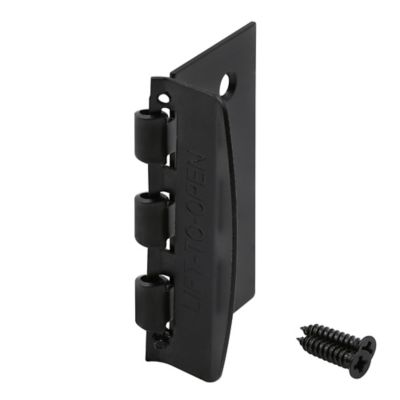
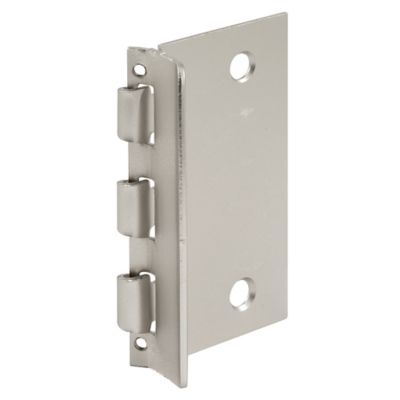
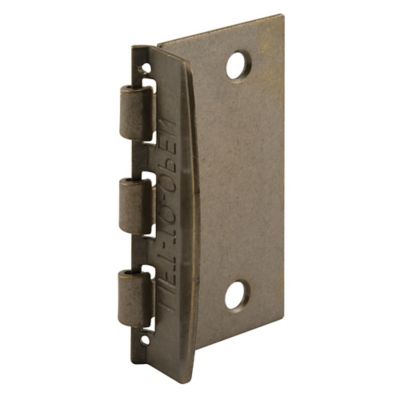
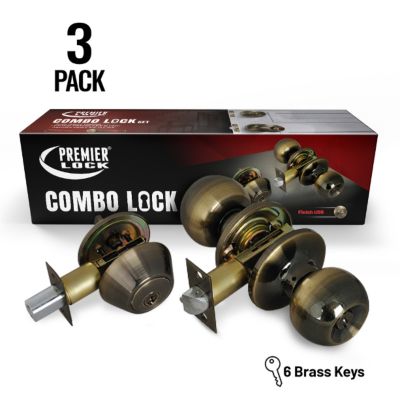
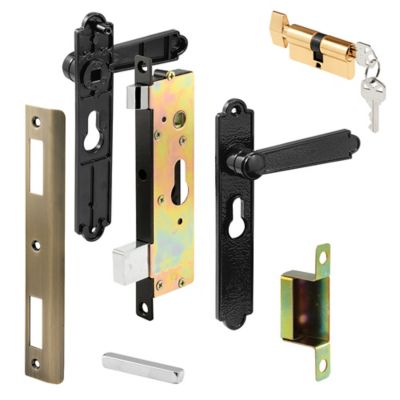
Different locking door latch styles serve different purposes. A standard keyed latch or deadlatch is a familiar fit for many residential and exterior doors, with a key on the outside and a turn button, lever, or similar control on the inside. This setup works well for a back door, mudroom, utility room, or entry into a workshop when a straightforward key-operated lock is all that’s needed. A surface-mounted night latch, sometimes called a rim latch, sits on the inside face of the door rather than being recessed into the edge. That can be handy on older wooden doors, secondary entrances, and doors where cutting a deep pocket would be difficult. Mortise-style latch and keeper assemblies are fitted into the door edge and can offer a clean appearance on sliding doors, patio doors, and commercial-style entrances, provided the door and frame have the proper space. For sheds, gates, animal enclosures, and outbuildings, a hasp with a padlock offers a simple, visible way to secure the opening. These are especially useful when several people need access and a padlock can be shared or changed without replacing the entire latch. Sliding doors may call for a hook-style or sliding bolt arrangement that holds the door against its frame instead of relying on a standard swinging-door latch. When choosing among these options, think about how often the door is used, whether it needs to be locked from one side or both, and how quickly it must be opened in an emergency. A keyed latch may suit an entry door, while a padlockable hasp may be a better fit for a feed room where gloves, tools, and dusty hands are part of the daily routine. For family members, hired help, renters, or guests, consider how many keys are needed and whether the locking method will be easy to use without fumbling.
A solid installation starts with careful alignment. The latch should move freely through the door edge, and the bolt should enter the strike or keeper without rubbing, scraping, or needing a shoulder shove to close the door. Set the door in its natural closed position before marking screw holes, since a sagging hinge or shifting frame can throw the latch out of line. On older barns and farm buildings, frames may not be perfectly square, and seasonal swelling can make a snug fit tighter during damp weather. Leaving a little working room while keeping the latch fully supported helps the door operate through changing conditions. Use fasteners appropriate for the door and frame material, and choose longer structural screws where the mounting surface requires extra hold, taking care not to split a narrow door stile. Exterior installations benefit from corrosion-resistant hardware, especially near livestock areas, irrigation, coastal air, or places where salt and moisture are common. A small amount of dry lubricant on moving parts can help prevent sticking, but avoid products that attract dust and grit. After installation, test the latch with the door open, then close and lock it several times from both sides. Keep a spare key in a safe, accessible location, and make sure everyone who may need to enter knows how the lock works. Locking door latches can be a practical housewarming gift for someone fixing up an older home, a useful addition to a new workshop, or a thoughtful choice for a landowner improving security around sheds and gates. They also make sense as part of a broader maintenance project before cooler weather settles in, when doors, tools, feed, and stored equipment spend more time shut away. A properly selected latch won’t take center stage, but each smooth close and firm lock adds confidence to the daily work of keeping a place secure.