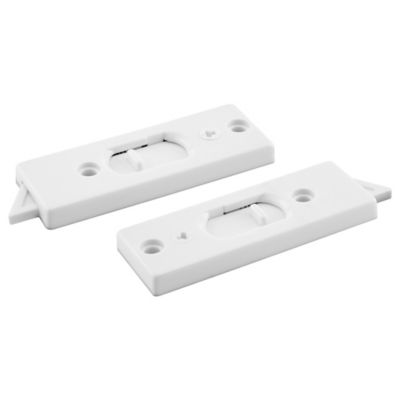
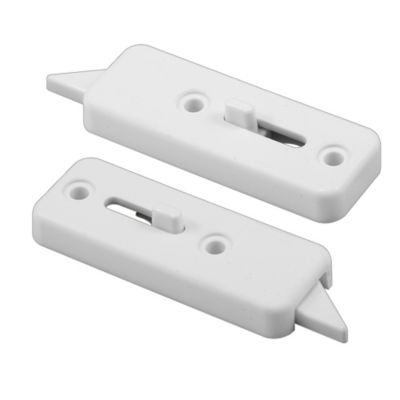
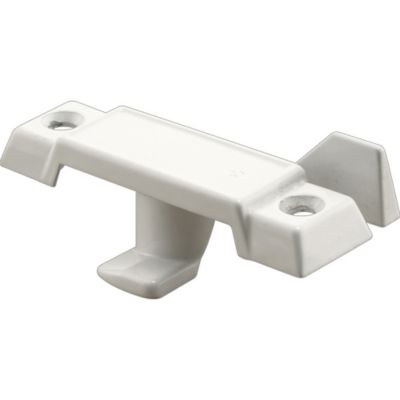
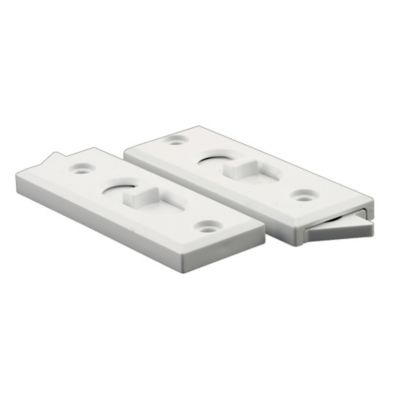
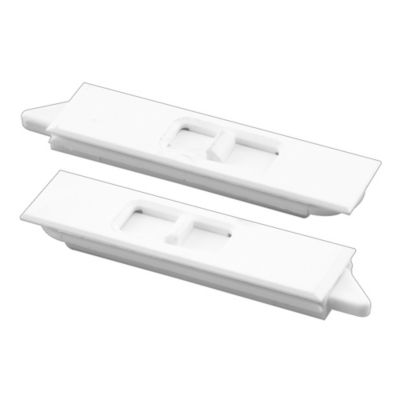
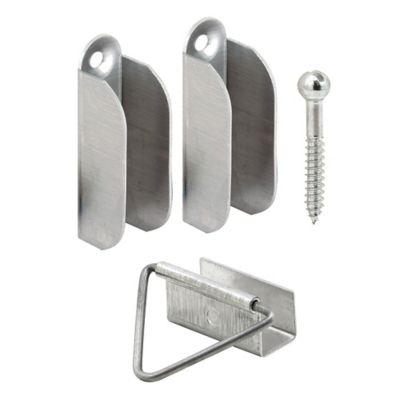
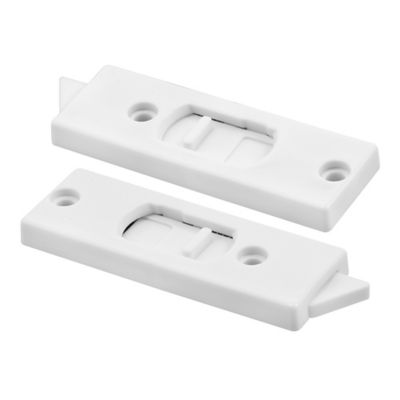
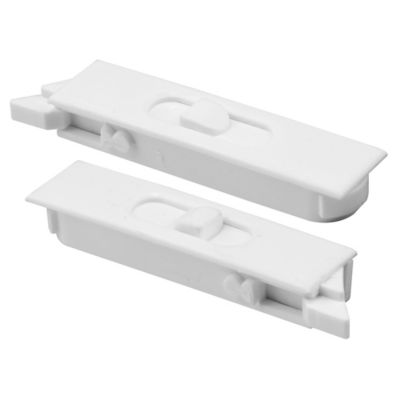
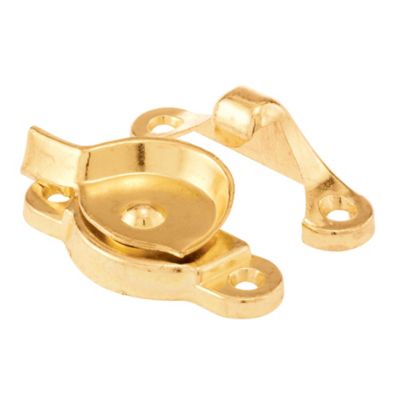
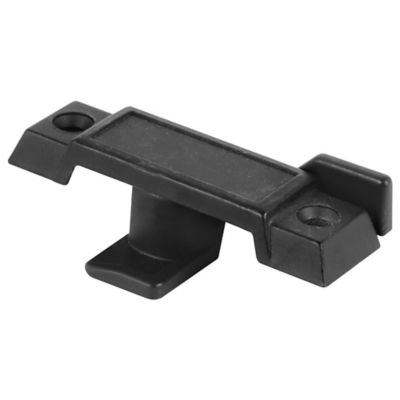
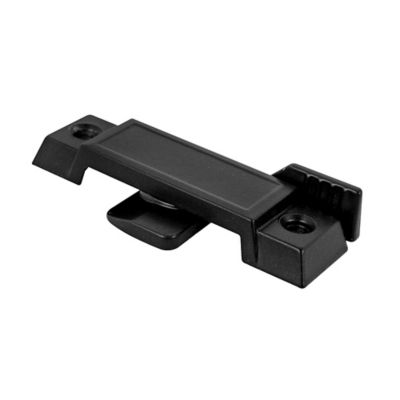
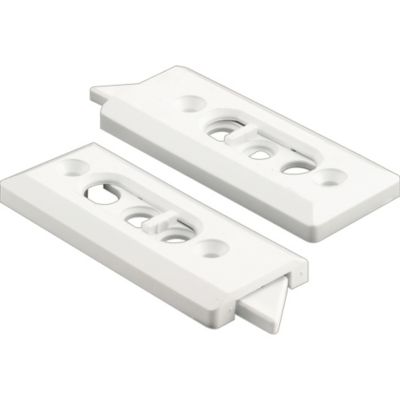
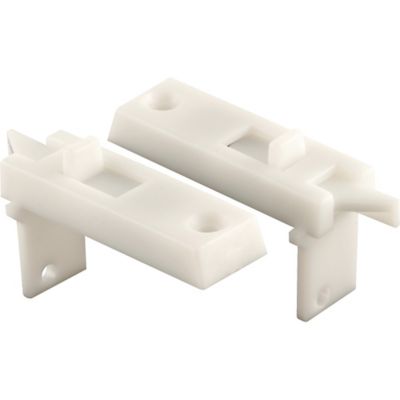
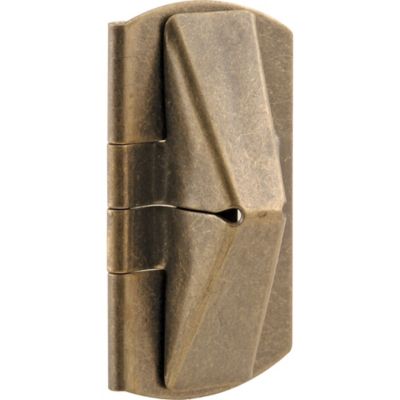
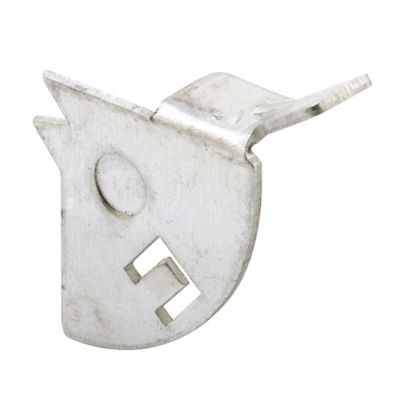
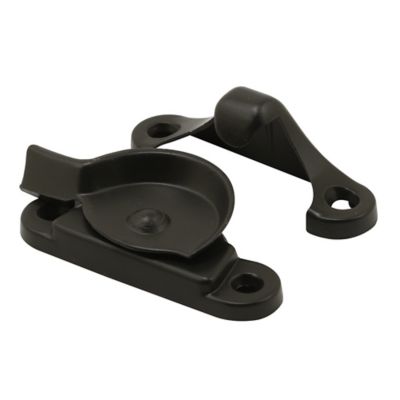
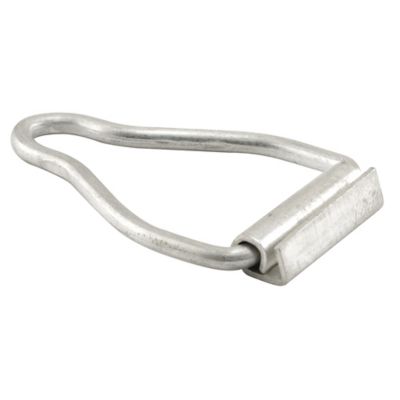
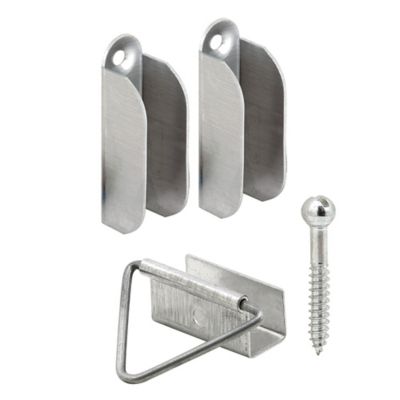
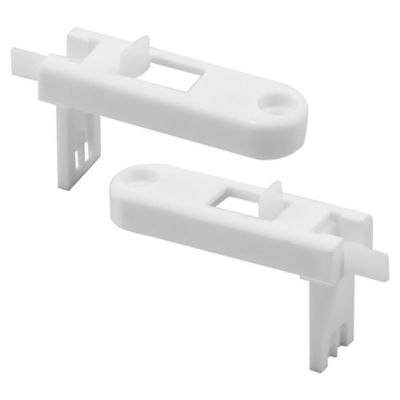
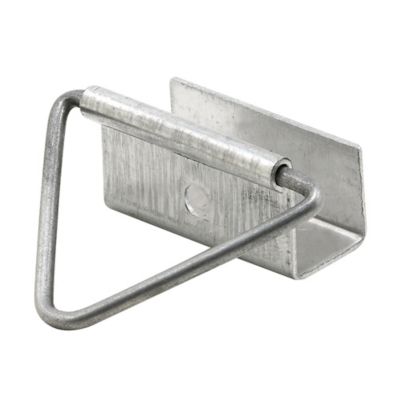
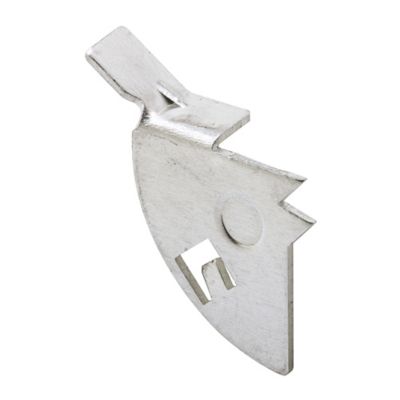
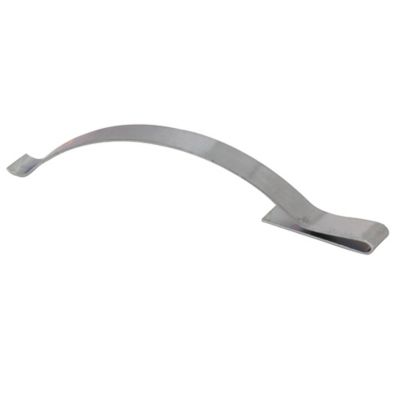
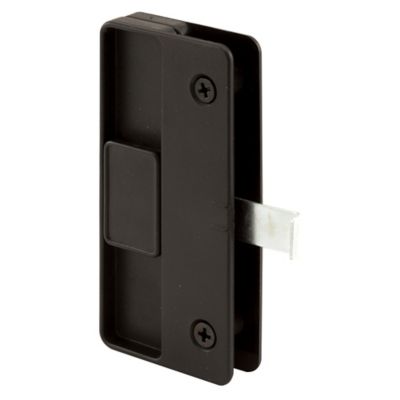
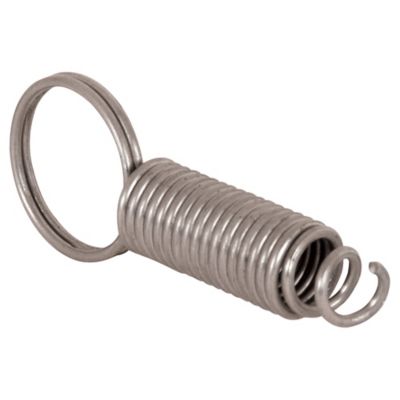
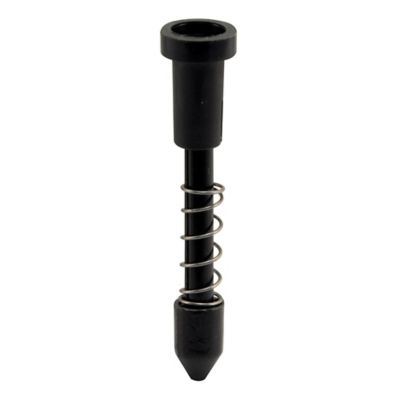
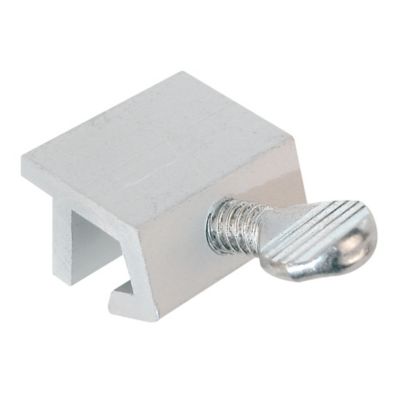
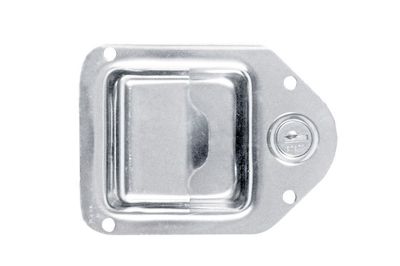
Window latches are small pieces of hardware, but they do an important job around the house, workshop, barn office, cabin, rental property, or outbuilding. A good latch helps hold a window closed, keeps the sash pulled snug against the frame, and can make a room feel more secure when the doors are locked and the lights are out. The right style depends on the way the window moves. Double-hung and single-hung windows commonly use sash locks with a swiveling cam or lever that draws the upper and lower sections together. Horizontal sliding windows often use surface-mounted latches, hooks, or thumbscrews that keep the moving panel from drifting open. Some vinyl and aluminum windows have spring-loaded tilt latches along the top edge of the sash. These let the window fold inward for cleaning and maintenance, then catch back into place when the sash is returned to its normal position. Before choosing a replacement, take a close look at the existing hardware and the window itself. Note whether the window slides up and down, moves side to side, or tilts inward. Measure the distance between screw holes, check the available mounting space, and compare the shape of the latch with the old piece. A latch that looks nearly right may still sit too high, too low, or too far from the keeper to close properly. It also helps to inspect the frame for cracked vinyl, softened wood, stripped screw holes, rust, or paint buildup. Hardware can only work as well as the surface it is attached to, and a little repair work may be needed before installation. For older homes and farm buildings, keep the original latch nearby while shopping so you can compare the base, lever, screw spacing, and overall reach. Replacing a worn latch is often a straightforward weekend task with a screwdriver, a few minutes of careful measuring, and a gentle hand. Remove the old fasteners, clean away dirt and old paint, set the new hardware in position, and test the window before tightening everything down. The latch should move smoothly and hold the window firmly without forcing the lever or twisting the sash.
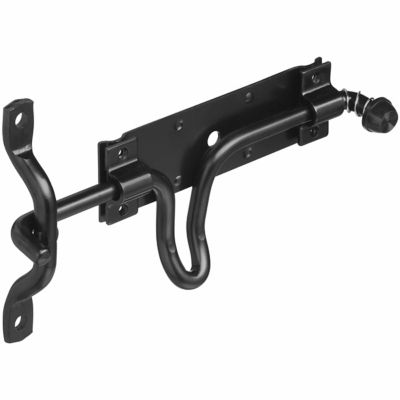
When selecting window latches, pay attention to the material, finish, mounting style, and the amount of use the window receives. A bathroom, mudroom, kitchen, or laundry room may need hardware that stands up to moisture and frequent handling, while a guest room or seldom-used storage area may have different needs. In a busy farmhouse, windows near a sink, workbench, or back entry can collect dust, grease, and grit, so a latch with a simple shape is easier to wipe clean. Smooth operation matters on windows opened for fresh air during warmer stretches and closed tight when cooler weather settles in. Look for a sturdy base that sits flat against the frame, a lever or tab that is easy to grip, and fasteners suited to the window material. Wood windows may accept standard screws, while thin vinyl or aluminum frames call for hardware designed for that style of construction. If the original mounting holes are loose, a different screw size or a small repair to the frame may be necessary; avoid overtightening, which can crack plastic or strip soft wood. Latches are meant to help secure a closed window, but they should not be treated as a substitute for proper locks, sound frames, or other home security measures. For added control in areas where a window should stay shut unless intentionally opened, explore
Lockable Latches. Homes with young children, curious pets, or windows near a porch, deck, loft, or low roof may benefit from hardware that adds another layer of control, while still allowing adults to operate the window when needed. In a workshop or livestock area, keep moving parts free of sawdust, chaff, and cobwebs, and check that the latch does not interfere with screens or storm panels. A quick inspection during routine home upkeep can catch a loose screw or bent lever before the window begins rattling in the wind. That small bit of attention is especially helpful on older properties, where seasonal swelling and shrinking can gradually change the fit between the sash and frame.
Window latches also make a practical addition to a home maintenance basket, a rental turnover kit, or a housewarming gift for someone fixing up an older place. They are the sort of useful hardware that may not make a splashy first impression, but it earns its keep every time a window closes cleanly instead of sticking, rattling, or sliding back open. A few spare latches can be handy for a cabin, hunting property, workshop, or detached garage where replacement parts may not be close at hand. They can also help freshen up a room without replacing the whole window, making them a sensible choice for do-it-yourself repairs and modest renovation projects. When fitting a latch, work slowly and avoid forcing a window that is swollen, warped, or out of square. Open and close the sash several times, check that the latch meets its catch evenly, and make sure the window remains aligned after the hardware is tightened. If the window still will not close, the problem may be with the keeper, balance, track, frame, or sash rather than the latch alone. Clean contact points with a dry cloth, remove loose debris, and use only a small amount of appropriate lubricant where the manufacturer or hardware design allows it. During warmer weather, a properly working latch lets rooms be aired out while helping keep the sash in position. As cooler conditions arrive, it helps draw the window closed against drafts and the familiar rattle that comes with a gusty evening. From a country kitchen overlooking the pasture to a small shed window above a workbench, dependable window hardware brings a simple kind of comfort: the window opens when you want fresh air, closes when the weather turns, and stays where you left it.